When it comes to hair thinning, most people focus on shampoos, supplements, or even surgical solutions—but the real foundation of healthy hair growth lies in your scalp. Think of your scalp as the soil in a garden: if the soil is unhealthy, nothing you plant will thrive. In 2026, the conversation around hair loss is shifting from reactive treatments to proactive scalp care, and for good reason.
Scalp health and hair thinning are deeply interconnected. Conditions like inflammation, poor circulation, product buildup, and even hard water can create an environment where hair follicles struggle to produce strong, lasting strands. In this article, we'll explore the science behind this connection, practical tips for maintaining a healthy scalp, and how targeted products like Full Control Anti-Thinning Scalp Serum can fit into your daily routine.
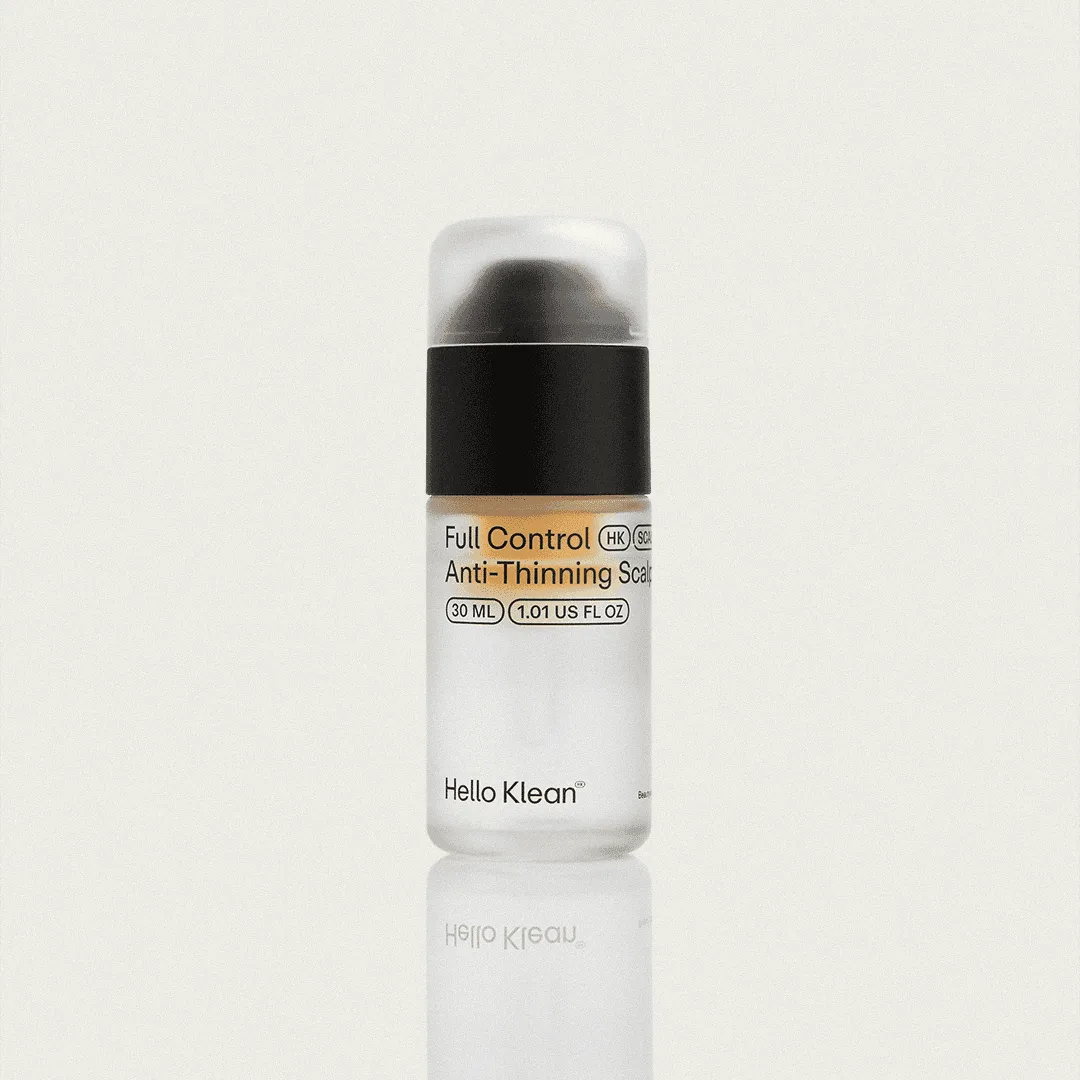
Full Control Anti-Thinning Scalp Serum
The Science Behind Scalp Health and Hair Thinning
Hair thinning doesn't happen overnight. It's often the result of gradual changes in the scalp's ecosystem. Your scalp contains thousands of hair follicles, each with its own life cycle. When the scalp is inflamed, clogged with sebum, or dehydrated, follicles can enter a resting phase (telogen) prematurely, leading to increased shedding and thinner-looking hair over time.
One of the most overlooked culprits is hard water. High mineral content—especially calcium and magnesium—can leave a film on the scalp that blocks pores and irritates the skin. This irritation triggers inflammation, which in turn disrupts the hair growth cycle. Using a shower filter can help remove these minerals, creating a cleaner environment for your scalp to thrive.
- Inflammation is a key driver of hair thinning; soothing the scalp can reduce shedding.
- Product buildup from styling products and hard water can clog follicles over time.
- A healthy scalp microbiome supports balanced oil production and stronger hair roots.
Common Causes of Hair Thinning You Can Address Today
While genetics play a role in hair thinning, many contributing factors are within your control. Hormonal changes, stress, poor diet, and improper hair care routines all impact scalp health. But one of the most underrated factors is the water you use to wash your hair. Hard water doesn't just affect your hair's appearance—it can directly compromise scalp health.
If you live in an area with hard water, you may notice your scalp feeling itchy, flaky, or tight after washing. Over time, this can lead to chronic inflammation and even temporary hair thinning. Installing a shower filter is a simple, effective way to address this issue at the source. For example, the Hello Klean Shower Filter is designed to reduce chlorine and heavy metals, helping your scalp stay balanced.
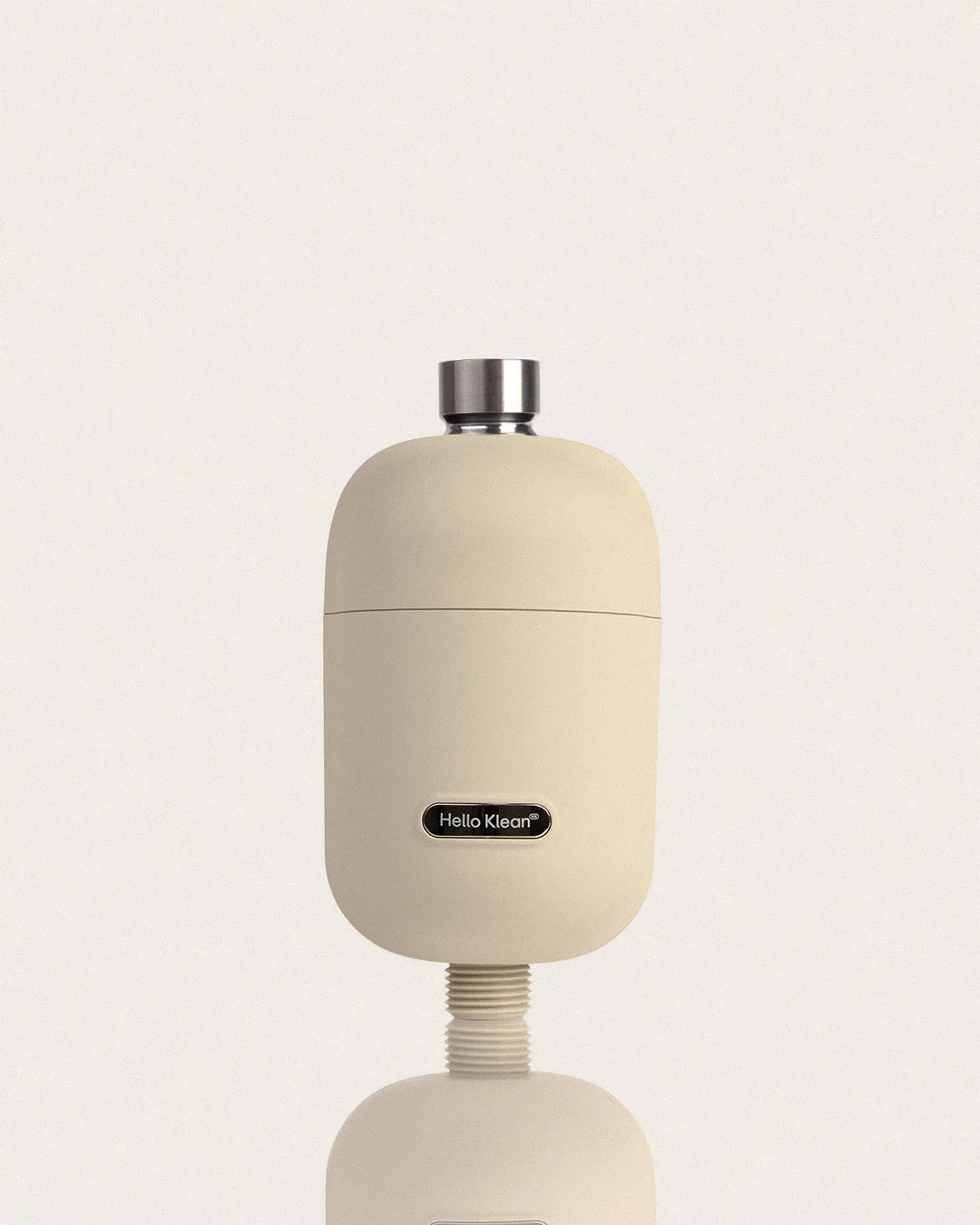
Hello Klean Shower Filter
- Switch to a gentle, sulfate-free shampoo to avoid stripping natural oils.
- Exfoliate your scalp weekly to remove dead skin and product residue.
- Consider a filtered shower head if you suspect hard water is affecting your scalp.
Building a Scalp Care Routine for Thinning Hair
A targeted scalp care routine can make a significant difference in managing hair thinning. Start by cleansing your scalp thoroughly but gently. Avoid harsh shampoos that strip the skin barrier. Instead, look for products that support the scalp's natural microbiome. After washing, apply a treatment that delivers active ingredients directly to the follicles.
One standout option is Full Control Anti-Thinning Scalp Serum. Formulated with ingredients that target inflammation and promote circulation, this serum is designed to create a healthier environment for hair growth. Used consistently, it can help reduce shedding and support thicker-looking hair over time. Pair it with a gentle shampoo and a shower filter for a comprehensive approach.
- Apply scalp serum directly to the roots while your scalp is slightly damp for better absorption.
- Massage your scalp for 2-3 minutes daily to boost blood flow.
- Use a shower filter to remove impurities that can irritate your scalp.
The Role of Diet and Lifestyle in Scalp Health
What you put inside your body is just as important as what you put on your scalp. A diet rich in omega-3 fatty acids, zinc, vitamin D, and biotin supports hair follicle function. Staying hydrated also helps maintain the scalp's moisture barrier, preventing dryness and flakiness. Stress management is equally critical—high cortisol levels can push hair follicles into the shedding phase.
While topical products like Full Control Anti-Thinning Scalp Serum work on the surface, internal support amplifies their effects. Think of it as a two-pronged approach: nourish your body from within while creating an optimal external environment for your scalp. This holistic strategy is often the key to seeing lasting improvements in hair thickness and overall scalp health.
- Include lean proteins, leafy greens, and healthy fats in your meals.
- Manage stress through meditation, exercise, or adequate sleep.
- Avoid excessive heat styling and tight hairstyles that pull on the scalp.
Your scalp health is the foundation of your hair's vitality. By understanding the link between scalp care and hair thinning, and by taking proactive steps—like using a shower filter, adopting a gentle cleansing routine, and incorporating targeted treatments—you can support stronger, healthier hair. If you're ready to take the next step, explore the Full Control Anti-Thinning Scalp Serum to see how it can fit into your daily scalp care regimen.