Quick Answer
To fix a loose anime figure joint, apply a thin layer of clear nail polish or super glue to the joint, let it dry, then reattach. For stubborn joints, use heat to soften the plastic. Always test on a hidden spot first to avoid damage.
A wobbly arm or floppy leg can turn your prized anime figure into a frustrating display piece. Whether it's a prize figure, a Nendoroid, or a scale figure, joints can loosen over time due to wear, temperature changes, or manufacturing defects. The good news: most loose joints can be fixed at home with common household items and a steady hand.
This guide walks you through safe, effective methods to tighten joints without breaking or disfiguring your figure. We'll cover everything from simple fixes like nail polish to more advanced techniques like heat treatment, and we'll highlight common mistakes to avoid.
Assess the Joint Type
Before you start, identify the type of joint you're dealing with. Ball joints (common on Nendoroids and many prize figures) consist of a ball and socket that can be tightened by adding a thin layer of material to the ball. Hinge joints (like those on model kits or some action figures) may need a different approach, such as applying glue to the peg. Knowing the joint type helps you choose the right method.
Also, check if the joint is simply loose or if it's cracked or broken. If it's cracked, a simple tightening fix won't work, and you may need to replace the part or seek professional repair. If the joint is just loose, the methods below will likely solve the problem.
- Examine the joint with a magnifying glass to spot cracks or wear.
- If the figure is new and loose, consider returning it if possible.
Gather Your Tools
For most loose joints, you'll need clear nail polish, super glue (cyanoacrylate), a toothpick or fine brush, and a small container. For heat treatment, have a hairdryer or hot water ready. Always work in a well-ventilated area and protect your work surface with newspaper or a mat.
Avoid using glue that dries too quickly or is too thick, as it can create a mess. A precision applicator helps you apply just the right amount. Some collectors prefer using a product called 'Kiki's Fix Loose Joints' (a specialized liquid), but nail polish and glue work just as well if applied carefully.
- Use glossy clear nail polish for a smooth finish.
- Keep a cotton swab and rubbing alcohol nearby for cleanup.
Apply the Nail Polish Method
This is the safest and most popular method for ball joints. Dip a toothpick or fine brush into clear nail polish and apply a thin, even coat to the ball part of the joint. Wait for it to dry completely (about 10-15 minutes) before reattaching. Test the fit; if it's still loose, apply another coat. Repeat until the joint holds firmly.
The nail polish adds a microscopic layer that increases friction, tightening the joint without altering its appearance. It's also reversible: if you apply too much, you can remove it with nail polish remover (acetone) without damaging most plastics, but test on a hidden area first.
- Apply multiple thin coats rather than one thick coat to avoid drips.
- Let each coat dry fully before testing.
Use Super Glue for Stubborn Joints
For joints that are very loose, super glue can provide a stronger fix. Apply a small amount to the ball or peg using a toothpick, then let it dry completely before reattaching. Be cautious: super glue dries fast and can permanently bond parts if misapplied. Only apply to the joint surface, not the socket, and avoid getting glue on painted areas.
A variation is the 'glue and rotate' technique: apply glue to the peg, then insert it into the socket and rotate it continuously until the glue dries. This creates a custom-fit layer that tightens the joint without sticking it permanently. Practice on a less valuable figure first if you're unsure.
- Use a tiny drop—too much glue can cause cracking or permanent bonding.
- Keep a debonder (glue remover) handy in case of accidents.
Try the Heat Treatment Method
If the joint is loose because the plastic has warped or softened, heat can help. Use a hairdryer on a low setting to warm the joint area for 20-30 seconds, or dip the joint in hot (not boiling) water for a few seconds. Then, gently push the joint together and hold it until it cools. This can shrink the plastic slightly and restore a snug fit.
Heat treatment works best on PVC figures, but be careful: excessive heat can cause paint to peel or plastic to deform. Always test on a small, hidden area first. This method is also useful for loosening a joint that's too tight, but for loose joints, it's a temporary fix that may need repeating.
- Keep a thermometer to ensure water is below 60°C (140°F).
- Do not use boiling water—it can melt the plastic.
Step-by-Step Joint Repair Process
- Step 1: Identify the loose joint: Gently move each joint to find which ones are loose. Mark them with a sticky note or take a photo. Checkpoint: Only fix joints that are actually loose; over-tightening can cause stress cracks.
- Step 2: Clean the joint: Use a cotton swab with rubbing alcohol to remove dust, oil, or residue from the joint area. Let it dry completely. Clean surfaces ensure better adhesion for nail polish or glue.
- Step 3: Apply nail polish (for ball joints): Using a toothpick, apply a thin coat of clear nail polish to the ball. Wait 10-15 minutes for it to dry. Test the fit. If still loose, repeat. If too tight, remove polish with acetone.
- Step 4: Use super glue (for stubborn joints): Apply a tiny drop of super glue to the peg or ball. Let it dry completely before reattaching. For a custom fit, use the 'glue and rotate' method. Be precise—glue can cause permanent damage if it seeps into the socket.
- Step 5: Apply heat if needed: Use a hairdryer on low or hot water (below 60°C) to warm the joint. Then press the parts together and hold until cool. This is a temporary fix; repeat if the joint loosens again.
- Step 6: Test and reassemble: Once the joint is tight, reattach all parts and test the range of motion. Ensure the figure can hold dynamic poses without sagging. If the joint still won't hold, consider professional repair or replacement parts.
Figures That Benefit from Joint Fixes
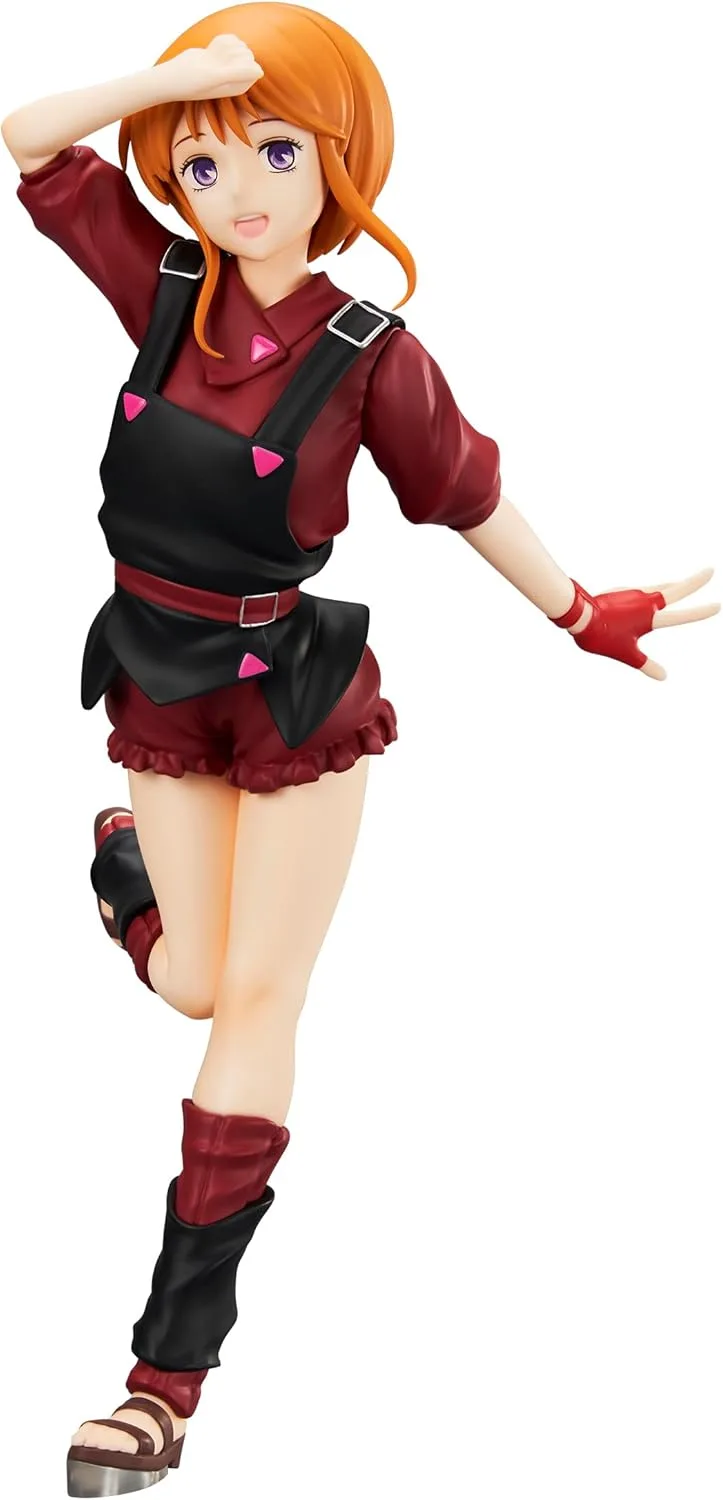
- Mobile Suit Gundam ZZ - Elpeo Ple Figure: This detailed Elpeo Ple figure from Banpresto is perfect for collectors and fans of Mobile Suit Gundam ZZ![Size]: 7"This is a fully completed and painted figure. As a prize figure, it may have loose joints due to its price point; the nail polish method is ideal for such figures.
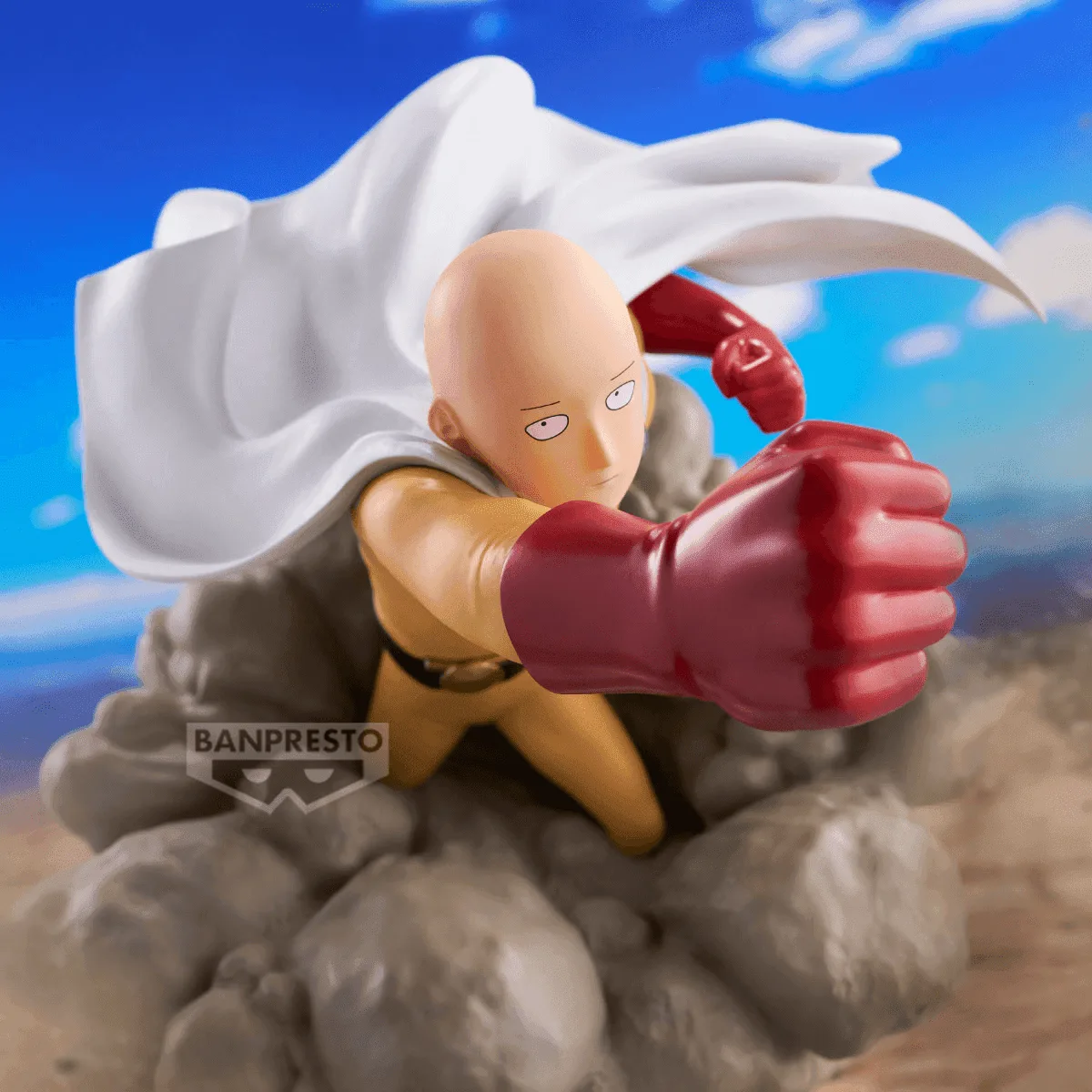
- One Punch Man Diorama Saitama Statue: This One Punch Man Diorama Saitama Statue is a fully completed and painted figure, ready to display. It captures the iconic hero in a dynamic scene, making it a standout addition to any anime collection.Fully completed and painted figure, no assembly requiredDiorama-style base adds depth and visual interestDetailed sculpting reflects Saitama's distinctive lookOfficial Banpresto product for collectors The diorama base may have connection points that can loosen; heat treatment can help reset the fit.
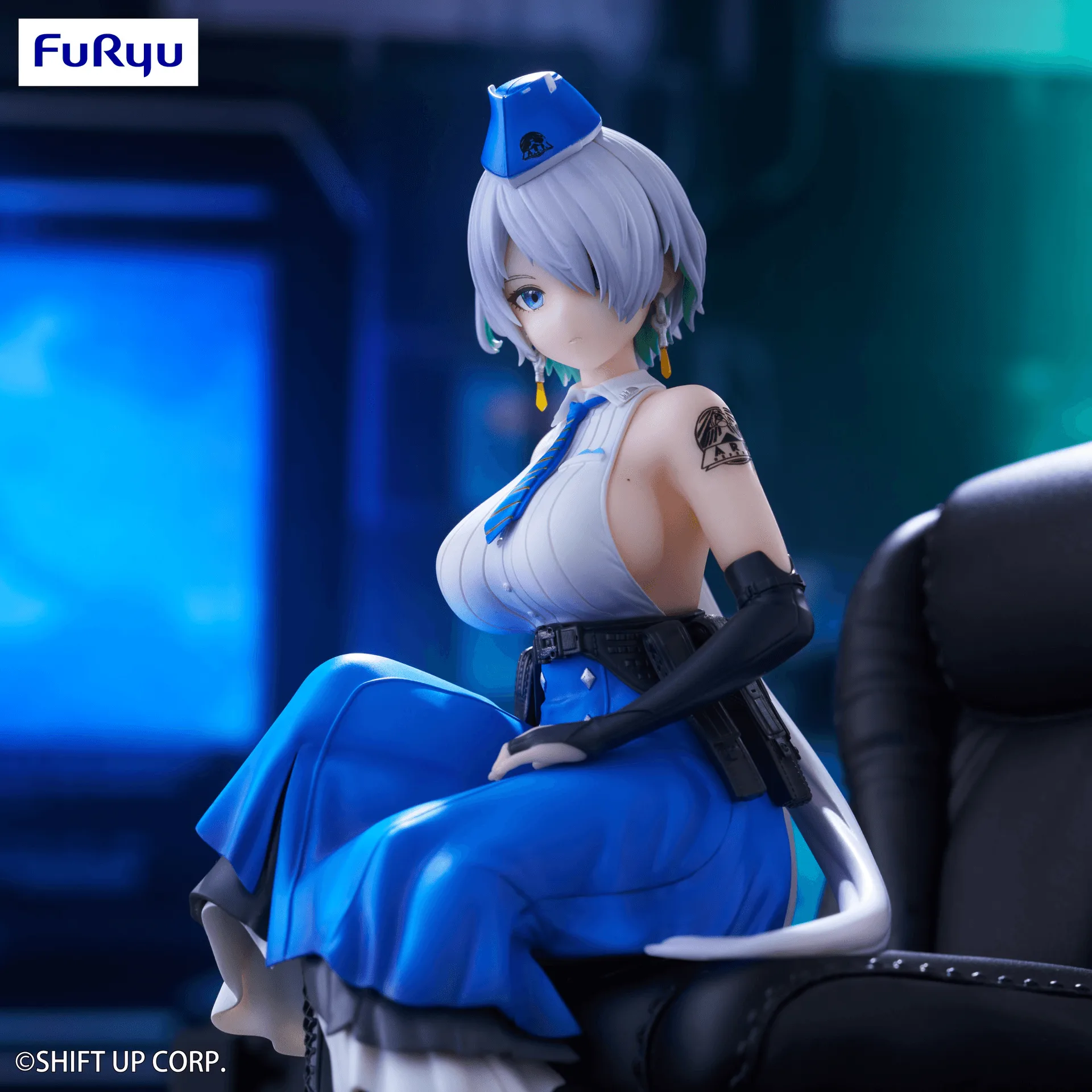
- Noodle Stopper Figure Brid (Goddess of Victory: Nikke): This Noodle Stopper Figure of Brid from Goddess of Victory: Nikke is a fully completed and painted figure, ready to display. It captures the character in a charming pose, making it a fun addition to any anime figure collection.Fully painted and finished figure of Brid from Goddess of Victory: Nikke.Designed as a noodle stopper, adding a playful and functional element to your desk or shelf.Produced by FuRyu, a... Noodle stoppers often have a weighted base; if the figure part wobbles, the nail polish method can secure it without affecting the stopper function.
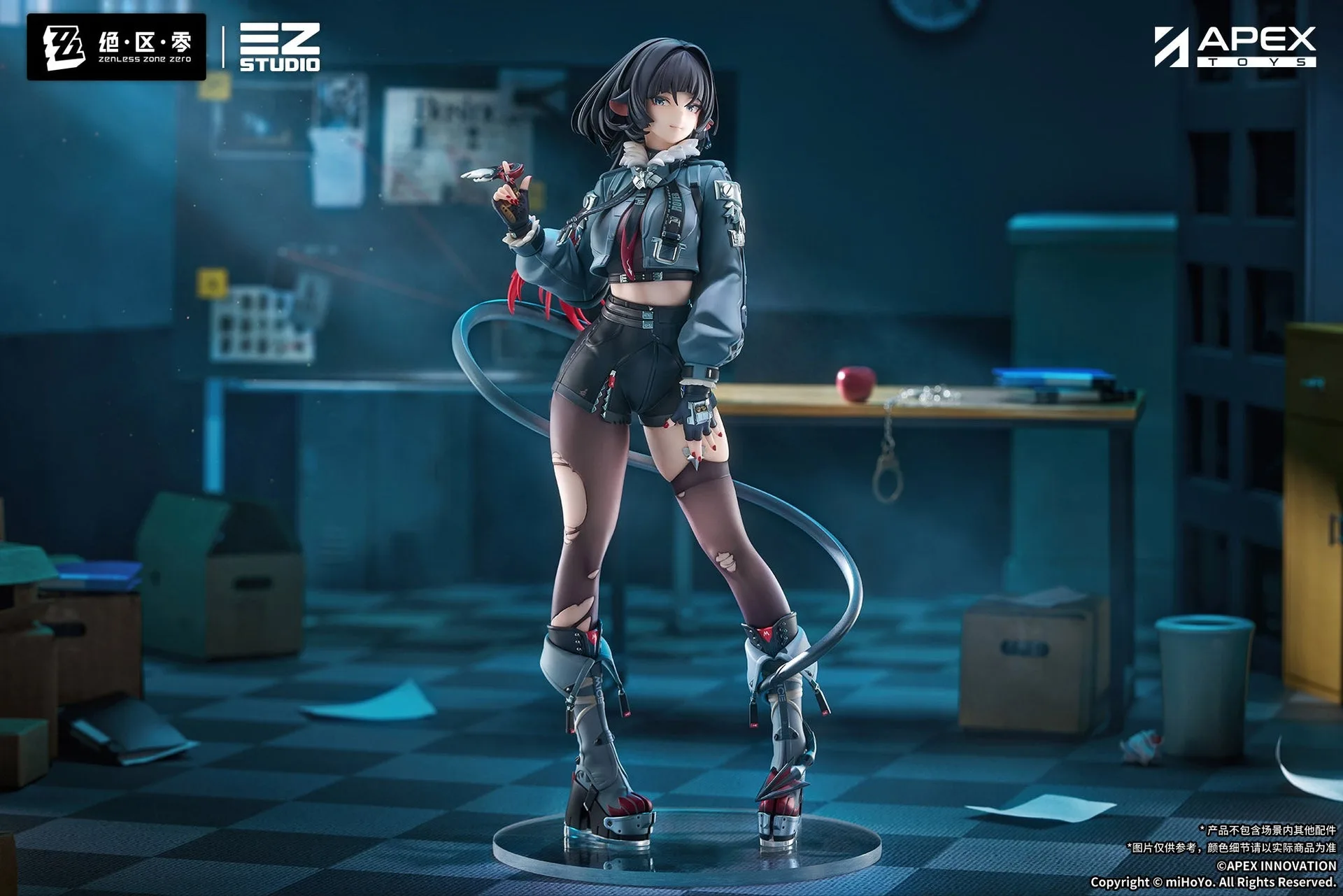
- Zenless Zone Zero Jane Doe 1/7 Scale Painted Figure with Bonus Keychain: This fully completed and painted figure brings Jane Doe from Zenless Zone Zero to life in striking detail. Crafted by APEX, this 1/7 scale collectible stands approximately 298mm tall, making it an impressive centerpiece for any anime figure collection. As a special bonus, this set includes an exclusive keychain, adding extra value for fans of the game.Officially licensed Zenless Zone Zero merchandise, © miHoYo. All... Higher-end scale figures like this are investments; using the gentle nail polish method is safer than glue to preserve value.
With these methods, you can restore your anime figures to a stable, display-worthy condition. Always start with the least invasive technique (nail polish) and progress to stronger fixes only if needed. Regular maintenance, like keeping figures away from direct sunlight and extreme temperatures, can prevent future looseness. Happy collecting!