Quick answer
Measure three finished blocks from the same quilt before you change anything. If they are all off by the same amount, your seam allowance is the cause. If they vary from block to block, the problem is cutting or pressing. Fix the cause first, then true up the blocks you can save and remake only the ones that are too far gone.
Uneven quilt blocks are frustrating because the symptom shows up at the layout stage, long after the actual mistake happened. By then you have already cut, pieced, and pressed dozens of units, and it is tempting to just trim everything to the smallest size and move on.
That shortcut works sometimes. But if you trim without knowing why the blocks came out uneven, the next batch will drift the same way. This guide walks through the four causes we see most often, what each one looks like at the cutting mat, and the point where a block is worth remaking instead of rescuing.
Start by measuring, not guessing
Pull three or four finished blocks from different parts of your project and measure them edge to edge at the same point. Write the numbers down. A consistent oversize or undersize across every block points to one systemic cause. Measurements that scatter by an eighth of an inch or more point to a handling problem that shows up in some blocks and not others.
Compare those numbers to the finished block size printed in your pattern. That number is your target, and the gap between it and your real blocks tells you how much correction the quilt can absorb. If the gap is small and consistent, you can often true up and proceed. If it is large or random, fixing the cause first saves you from repeating the mistake across the rest of the quilt.
- Measure the same edge on every block, not the widest point
- Record measurements before you press again, since pressing can change them
- Check two blocks from the start of your piecing session and two from the end
Symptom: every block is the same wrong size
When all your blocks measure consistently larger or smaller than the pattern target, your seam allowance is the likely cause. A seam that is a thread or two narrow adds up across a block with many pieces, and the block grows. A seam that is wide shrinks it. This is the most common quilt piecing issue, and it is also the easiest to correct because the fix is mechanical rather than a matter of technique.
Test your seam by sewing three strips together, pressing, and measuring the center strip. It should equal the finished width your pattern expects. If it does not, adjust your needle position or your presser foot guide and sew another test. Once the test measures correctly, your future blocks will too, and you can decide separately what to do about the ones already finished.
- Sew a three-strip test before adjusting anything on the machine
- Change one variable at a time: needle position or foot guide, not both
- Re-measure after pressing, since seams can relax or tighten
Symptom: blocks vary from one to the next
If your blocks measure differently from each other, look at cutting and pressing. Cutting errors compound quietly: a strip cut a hair narrow produces units that are a hair small, and by the time the block is assembled the difference is visible. Pressing is the other half of the equation. Ironing, which slides the iron across the fabric, stretches and distorts blocks in ways that a dry press with an up-and-down motion does not.
The corrective action here is process, not repair. Re-cut any strips that measure off before you piece more units, and switch to pressing seams flat first, then open or to the side as your pattern directs. If you have been ironing, that single change often brings the next batch of blocks back into line without any other adjustment.
- Measure strips after cutting, not just before
- Press with an up-and-down motion rather than sliding the iron
- Let blocks cool flat before moving them, since warm fabric can shift
Symptom: blocks are square but the edges wave or bow
Wavy or bowed edges usually mean bias stretch, especially in blocks with triangles or angled pieces. The long diagonal edges of half-square triangles are cut on the bias and will stretch if they are handled roughly, fed through the machine unevenly, or pressed with too much motion. The block may measure the right size at the center and still refuse to lie flat.
Correct this by handling bias edges as little as possible. Piece with the bias edge on the bottom if your machine feeds more evenly that way, and avoid pulling the fabric through. If a block is already stretched, a light spray of water and a flat press can sometimes bring it back. If the edge still will not lie flat after that, the block is a candidate for remaking rather than trimming.
- Pin or clip bias edges before sewing to prevent shifting
- Do not tug fabric through the machine; let the feed dogs move it
- Test a stretched block with a light spray and flat press before remaking it
When to trim, when to remake
Trimming works when the size difference is small and consistent across all blocks. If every block is a quarter inch oversize, trimming each one to the target size removes the excess evenly and the quilt goes together normally. This is a legitimate fix, not a compromise, as long as you are not cutting into seam allowances or removing so much that points get clipped.
Remake the block when the error is large, when the block is visibly distorted rather than just the wrong size, or when trimming would cut off points or narrow a seam allowance below a safe width. One remade block costs an hour. A whole quilt assembled from blocks that were trimmed past their limits costs the project. If more than a few blocks fall into the remake category, stop and fix the root cause before piecing replacements, or you will be remaking them twice.
- Trim only when the size error is consistent and small
- Never trim into a seam allowance or clip a point to make a block fit
- If several blocks need remaking, fix the cause before you cut replacements
Diagnosis table: match the symptom to the fix
- All blocks off by the same amount: Your seam allowance is the cause. Sew a three-strip test, adjust your needle position or foot guide, and re-test before piecing more. Fix the machine setting first, then decide whether to trim the finished blocks.
- Blocks vary from one to the next: Cutting or pressing is the cause. Re-check strip widths and switch to an up-and-down pressing motion instead of sliding the iron. Correct the process before cutting more fabric, or the variation repeats.
- Blocks measure right but edges wave: Bias stretch is the cause. Handle bias edges gently, avoid pulling fabric through the machine, and try a light spray and flat press. If the block still will not lie flat, remake it rather than trimming.
- Error is large or points would be clipped: Trimming will not save the block. Remake it, and if several blocks fall into this category, stop and fix the root cause before cutting replacements. One remade block is cheaper than a quilt assembled from blocks trimmed past their limits.
Tools that help with block accuracy
- Strip Tease Pattern: This pattern uses 2-1/2 inch strips only and includes instructions for crib, lap, and twin sizes. Strip-based patterns limit the number of individual cuts, which reduces the chances for cutting errors that lead to uneven blocks.
- Venus - 10" Square Pattern 221: The pattern has four layout options and is written for five sizes, and it recommends the Stripology Squared or Stripology XL ruler by GE Designs, with instructions for regular rulers included. If you already own a Stripology ruler, this pattern lets you use it, and the included regular-ruler instructions mean you are not locked into buying a new tool to fix your block accuracy.
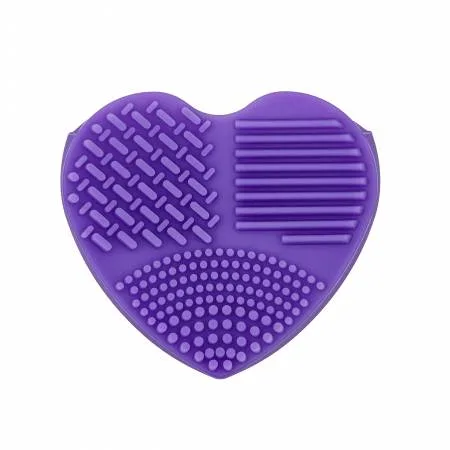
- The Gypsy Quilter Mat Cleaning Pad Heart Shaped 3-1/4in x 1in # TGQ134: This silicone scrubber removes dust and fabric fibers from cutting mats so the self-healing surface can close properly. A mat that does not heal leaves ridges and grooves that can catch a rotary cutter and throw off a cut, which is one more source of the cutting errors that make blocks uneven.
Uneven quilt blocks are a symptom, not the problem itself. Measure a few blocks, match what you find to one of the causes above, and fix that before you cut or piece anything else. Trimming and remaking are both valid tools, but they work best when you know why the blocks went wrong in the first place.