Quick Answer
To fold a quilt for storage, lay it flat, fold it into thirds lengthwise, then fold it into thirds or halves widthwise, and place it on a shelf or in a breathable storage bag. This method minimizes creases and helps maintain the quilt's shape.
Folding a quilt properly is essential to keep it looking great and lasting for years. Whether you're storing a seasonal quilt or swapping out bedding, the way you fold and store it matters more than you might think. Incorrect folding can lead to permanent creases, fabric stress, and even mildew if stored improperly.
In this guide, we'll walk you through the best way to fold a quilt for storage, share common mistakes to avoid, and offer tips for organizing your linen closet. By following these steps, you'll keep your quilts fresh, neat, and ready to use whenever you need them.
Why Proper Folding Matters
Quilts are often made from delicate fabrics like cotton or lambswool, which can crease or stretch if folded carelessly. Storing a quilt in a cramped space or under heavy items can cause permanent damage. Proper folding distributes the weight evenly and prevents sharp creases from setting in.
Another key reason to fold carefully is to protect the quilt from dust, moisture, and pests. A well-folded quilt fits neatly in a linen closet or storage bin, reducing exposure to these elements. It also makes it easier to rotate your quilts seasonally, keeping your bedding fresh.
- Always fold along existing seams or natural lines to minimize stress on the fabric.
- Avoid folding in the same place every time; rotate the fold lines periodically to prevent permanent creases.
Preparing Your Quilt for Storage
Before folding, make sure your quilt is completely clean and dry. Any moisture can lead to mildew or musty odors. If your quilt is machine washable, follow the care instructions; for delicate fabrics like lambswool, spot cleaning is often recommended.
If you're storing a quilt for a long time, consider using a breathable cotton storage bag or a pillowcase. Avoid plastic bags, which can trap moisture. Also, make sure the storage area is cool and dry, away from direct sunlight.
Organizing Your Linen Closet
Once your quilts are folded, stack them flat on a shelf rather than piling them high. If you have multiple quilts, place the heaviest ones at the bottom to prevent crushing lighter ones. You can also use shelf dividers to keep stacks upright and easy to grab.
Label your storage bags or bins with the quilt's name and season. This makes it simple to find what you need without unfolding everything. Rotate your quilts every few months to change fold lines and allow air circulation.
- Use clear bins or labeled bags to quickly identify contents.
- Store quilts in a location with consistent temperature and humidity.
Step-by-Step: How to Fold and Store a Quilt
- Clean and dry the quilt: Ensure the quilt is freshly washed and completely dry. Spot clean if needed, and let it air out. Checkpoint: No dampness or wrinkles before folding.
- Lay flat on a clean surface: Spread the quilt out on a large, clean area like a bed or table. Smooth out any wrinkles with your hands. Checkpoint: The quilt lies perfectly flat with no bunching.
- Fold lengthwise into thirds: Fold one side over the center, then the other side over that, creating a long, narrow rectangle. Common mistake: Folding unevenly causes bulges. Keep edges aligned.
- Fold widthwise into thirds or halves: Depending on your shelf space, fold the rectangle into thirds or in half. This reduces the footprint and prevents sharp creases. Checkpoint: The final fold is smooth and even.
- Place in a breathable storage bag: Slip the folded quilt into a cotton storage bag or pillowcase to protect it from dust and moisture. Avoid plastic bags; they trap moisture and can cause mildew.
- Store flat on a shelf: Place the quilt flat on a shelf, not under heavy items. If stacking, put lighter quilts on top. Rotate fold lines every few months to prevent permanent creases.
Products That Can Help
- Colorfield Lambswool Throw Blanket: Made in Germany by a 100-year-old family mill, this stylish, doublefaced throw is 100% lambswool and spot clean recommended. When storing a delicate lambswool throw like this, proper folding is crucial to prevent creasing and maintain its soft texture.
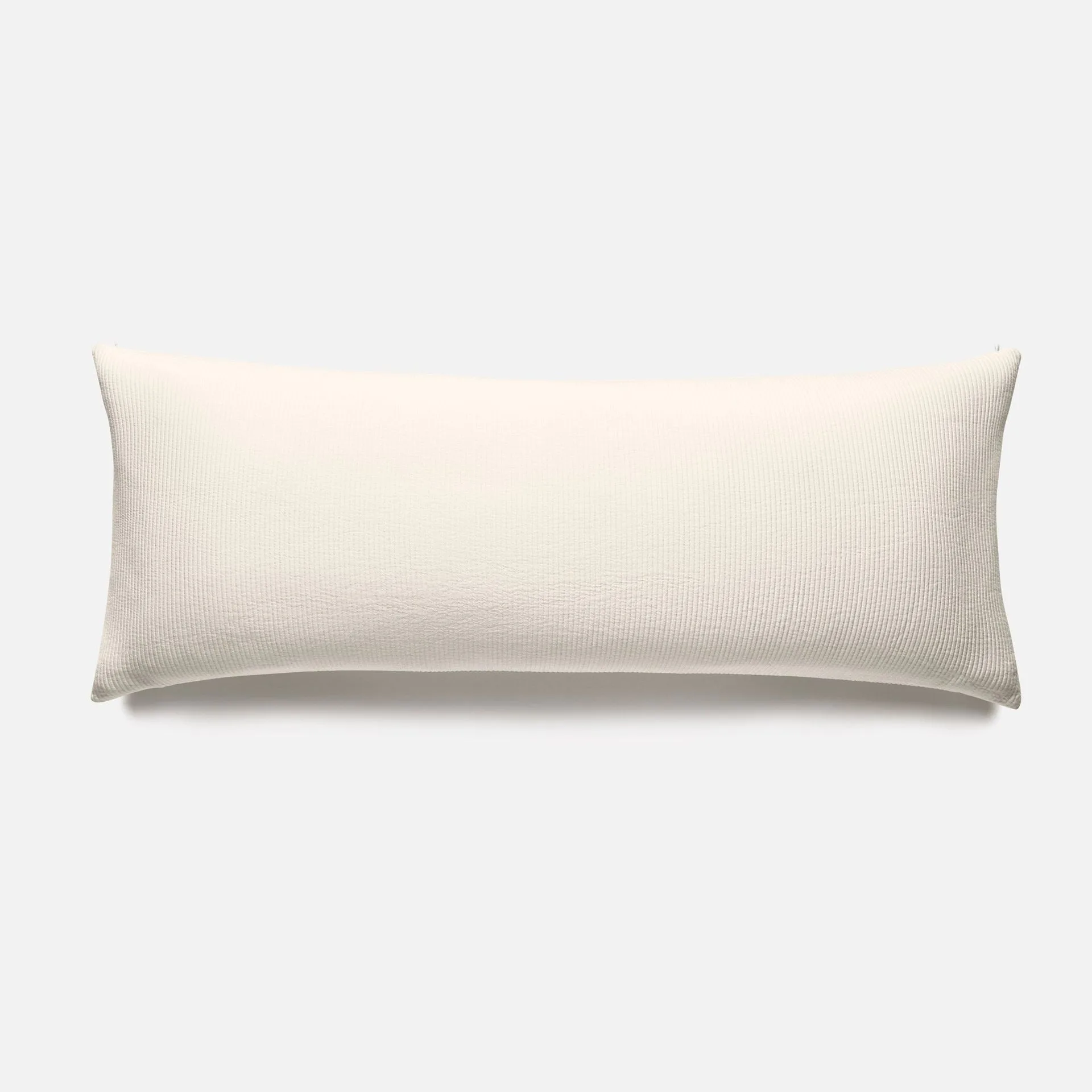
- https://brooklinenstore.com/products/ribbed-matelasse-duvet-cover-47662Ribbed Matelasse Duvet Cover: Garment dyed, made of 100% cotton, and backed in crisp percale, Ribbed Matelasse adds softness and texture to your bed. This duvet cover's textured fabric benefits from careful folding to avoid flattening the ribbed pattern and to keep it looking crisp.
Folding and storing your quilt properly is a simple habit that keeps it looking beautiful and extends its life. With these steps, you can keep your linen closet tidy and your quilts ready for use whenever you need them.