Quick answer
Fold your yoga blanket into a firm, even rectangle that matches the shape of the area you want to support. For under-hip support, use a folded blanket that is wide enough to cradle both sitting bones; for Savasana, a thin fold under the head or a rolled edge under the neck works well. Always check that the blanket feels stable and does not wobble before you relax into the pose.
A yoga blanket is one of the most adaptable props in a restorative practice. It can lift your hips, cushion your knees, support your neck, or simply keep you warm. But the way you fold it changes how it feels and functions. A loose, lumpy blanket will not give you the steady support you need, while a tight, even fold can make a pose feel completely different.
This guide walks you through how to fold and position a yoga blanket for common restorative poses. You will learn a repeatable folding method, how to adjust the blanket for different body areas, and the mistakes that make support feel unstable. By the end, you will know how to use a yoga blanket with confidence, whether you are at home or in a studio.
Start with a firm, even fold
Lay the blanket flat and fold it in half lengthwise, then in half again until you have a long strip. Fold that strip in half or into thirds, depending on how thick you want the support. Press down on the folded blanket with your palms to flatten any air pockets. A well-folded blanket should hold its shape when you pick it up by one edge. If it sags or unfolds, refold more tightly.
The goal is a consistent thickness across the entire surface. Uneven folds create pressure points and make the blanket wobble. For most restorative poses, a blanket folded to about 2 to 3 inches thick works well. If you need more height, use two folded blankets stacked rather than one bulky, uneven fold.
- Mistake to avoid: folding too loosely and hoping the blanket will compress under your weight. It will not stay even.
Place a folded blanket under your hips
Sit on the floor and slide the folded blanket under your sitting bones. The blanket should be wide enough that both hips rest fully on it, with no edges digging into your thighs. For cross-legged poses, a blanket that is about 2 to 3 inches thick lifts your hips above your knees, which reduces strain in your lower back. If your knees still feel higher than your hips, add another folded blanket or use a bolster.
Check that the blanket does not slide when you shift your weight. If it does, place it on a yoga mat or rug for grip. A common mistake is using a blanket that is too narrow, so your hips roll off the edges. Choose a blanket that is at least as wide as your hip bones.
- Checkpoint: after sitting for a minute, your lower back should feel relaxed, not compressed.
Support your knees and ankles in seated poses
In poses like Hero or Child's Pose, a rolled or folded blanket under the knees or ankles can reduce pressure. Fold a blanket into a narrow rectangle and place it behind your knees or under your shins. For ankle support, roll a thin blanket into a cylinder and tuck it under the front of your ankles. The support should feel firm but not hard.
Avoid placing a thick fold directly under the kneecap, which can cause discomfort. Instead, support the back of the knee or the calf. If you feel pinching, remove the blanket and try a thinner fold.
- Mistake to avoid: using a blanket that is too thick under the knees, which can overstretch the ligaments.
Use a blanket for Savasana and neck support
For Savasana, a thin folded blanket under the head can ease neck tension. Fold a blanket into a rectangle about 1 to 2 inches thick and place it under your head so your forehead is slightly higher than your chin. If you have neck pain, roll a blanket into a small cylinder and place it under the curve of your neck, then cover with a thin fold. The support should feel gentle, not forced.
You can also place a folded blanket under your knees in Savasana to relieve lower back pressure. A common mistake is using a pillow that is too thick, which pushes the chin toward the chest. Keep the neck in a neutral position. If your throat feels compressed, reduce the height.
- Checkpoint: your neck should feel long and relaxed, with no strain at the base of the skull.
Adjust for temperature and comfort
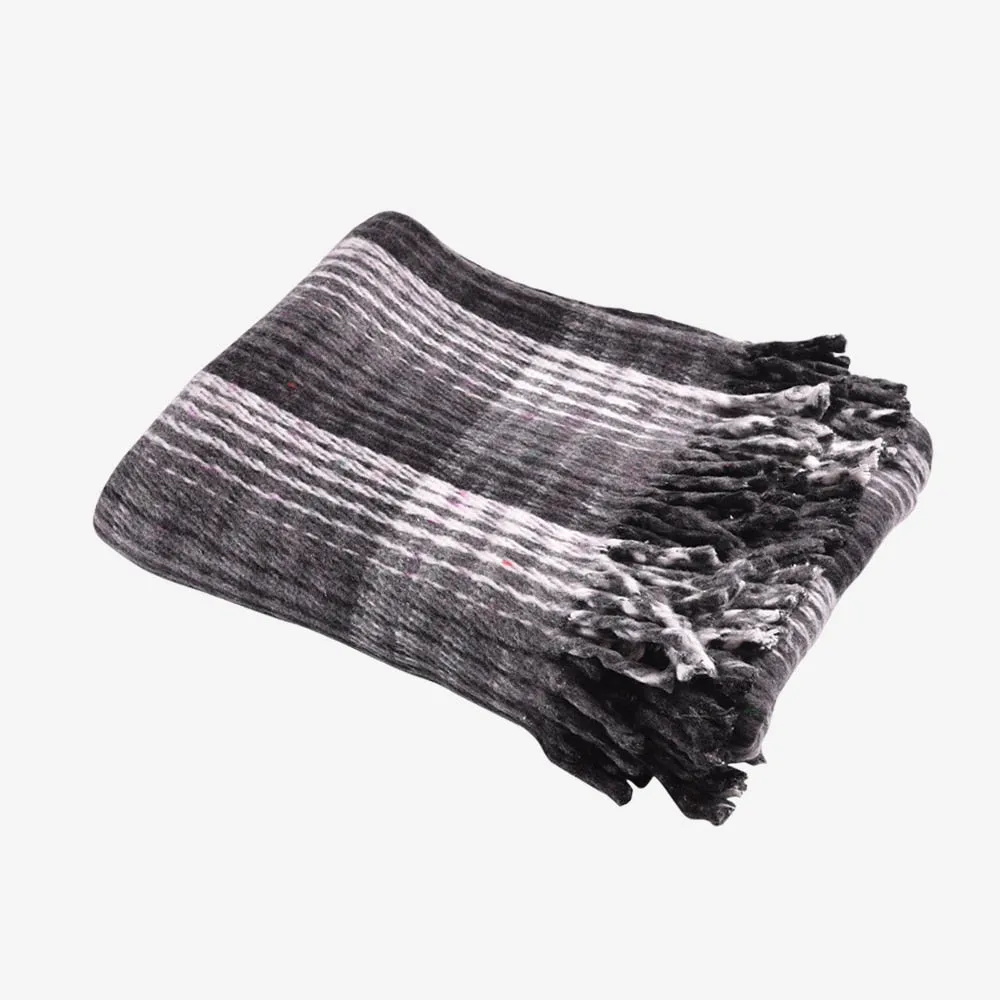
Restorative poses are held for several minutes, so your body temperature may drop. Keep an unfolded blanket nearby to drape over your body after you set up your supports. A blanket made of breathable cotton or wool blend can keep you warm without overheating. If you tend to run hot, use a thinner blanket or leave your arms uncovered.
The same blanket you use for support can also serve as a cover. Just make sure the support blanket stays in place when you pull the cover over you. If the support shifts, readjust before you settle in.
- Mistake to avoid: using a heavy blanket as both support and cover if it makes you too warm to relax.
Step-by-step: folding and supporting with a yoga blanket
- Fold the blanket evenly: Lay the blanket flat and fold it in half lengthwise, then in half again. Continue folding until you have a rectangle that is about 2 to 3 inches thick and wide enough for your hips. Checkpoint: the blanket holds its shape when you lift one edge.
- Place under hips for seated poses: Slide the folded blanket under your sitting bones so both hips rest fully on it. Adjust thickness until your hips are higher than your knees. Mistake to avoid: using a blanket that is too narrow, causing your hips to roll off.
- Support knees and ankles: For poses like Hero or Child's Pose, place a narrow folded blanket behind the knees or under the shins. Roll a thin blanket under the ankles if needed. Checkpoint: no pinching or pressure on the kneecap.
- Set up for Savasana: Place a thin folded blanket under your head so your forehead is slightly higher than your chin. Optionally, place a folded blanket under your knees to relieve your lower back. Mistake to avoid: using a pillow that is too thick, which pushes your chin toward your chest.
- Adjust and relax: Once in the pose, take a few breaths and notice if any area feels compressed or unstable. Make small adjustments to the blanket before you settle in for several minutes. Checkpoint: your body feels fully supported and you can breathe easily.
Product facts
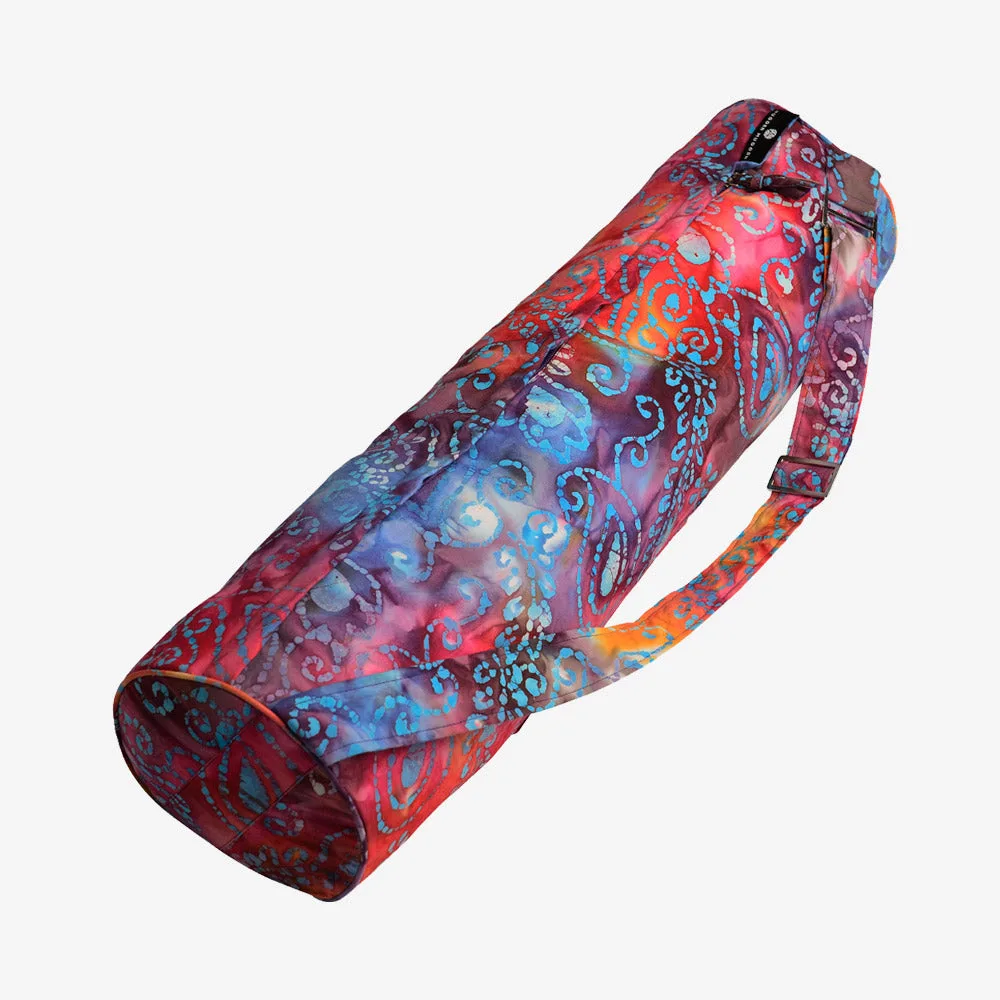
- Batik Yoga Mat Bag: Its spacious interior fits most standard and combo mats, while a convenient exterior pocket holds keys, phone, or small accessories. The breathable construction helps keep your mat fresh. If you carry your mat and blanket to a studio, this bag keeps your mat protected and your small items organized, so you can focus on your practice.
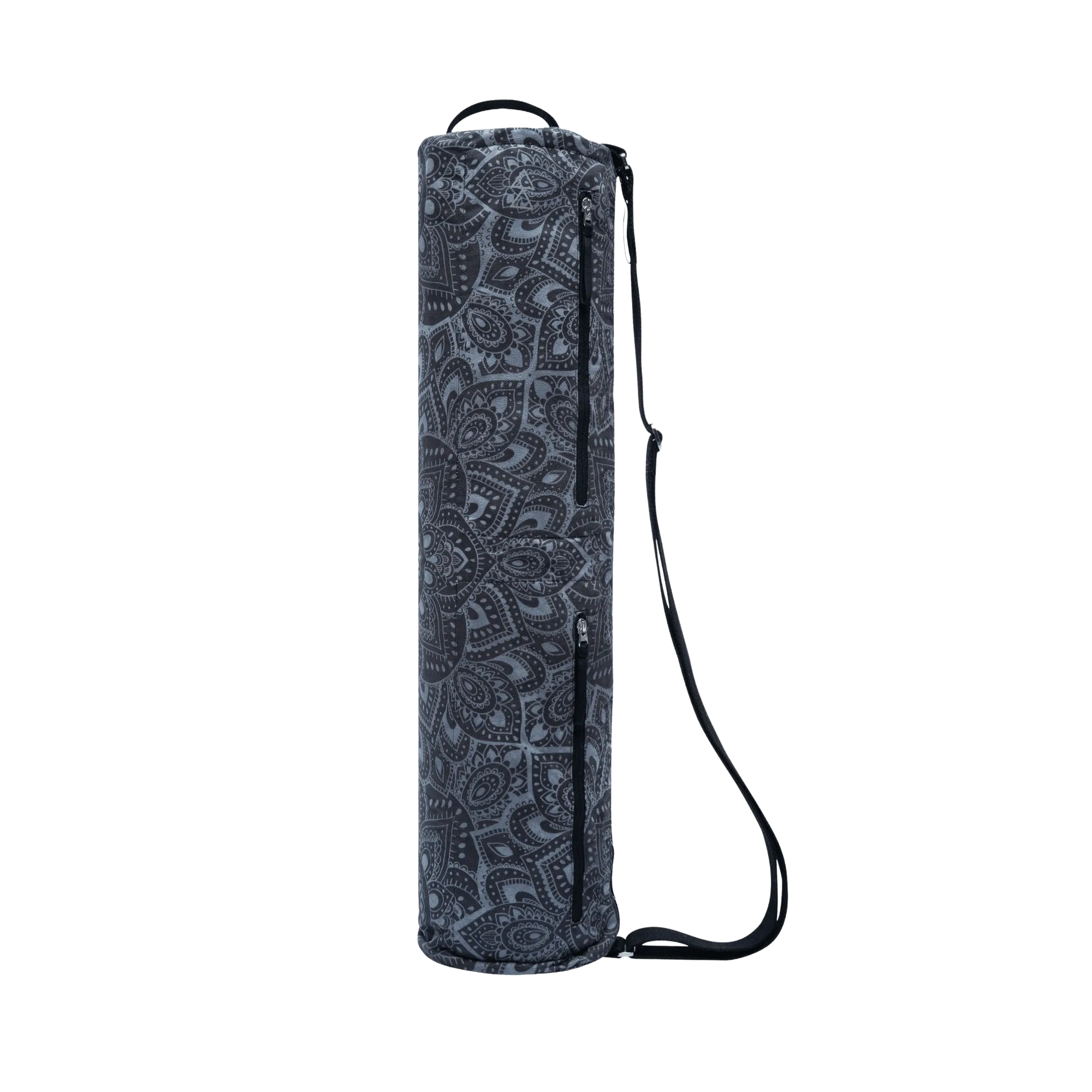
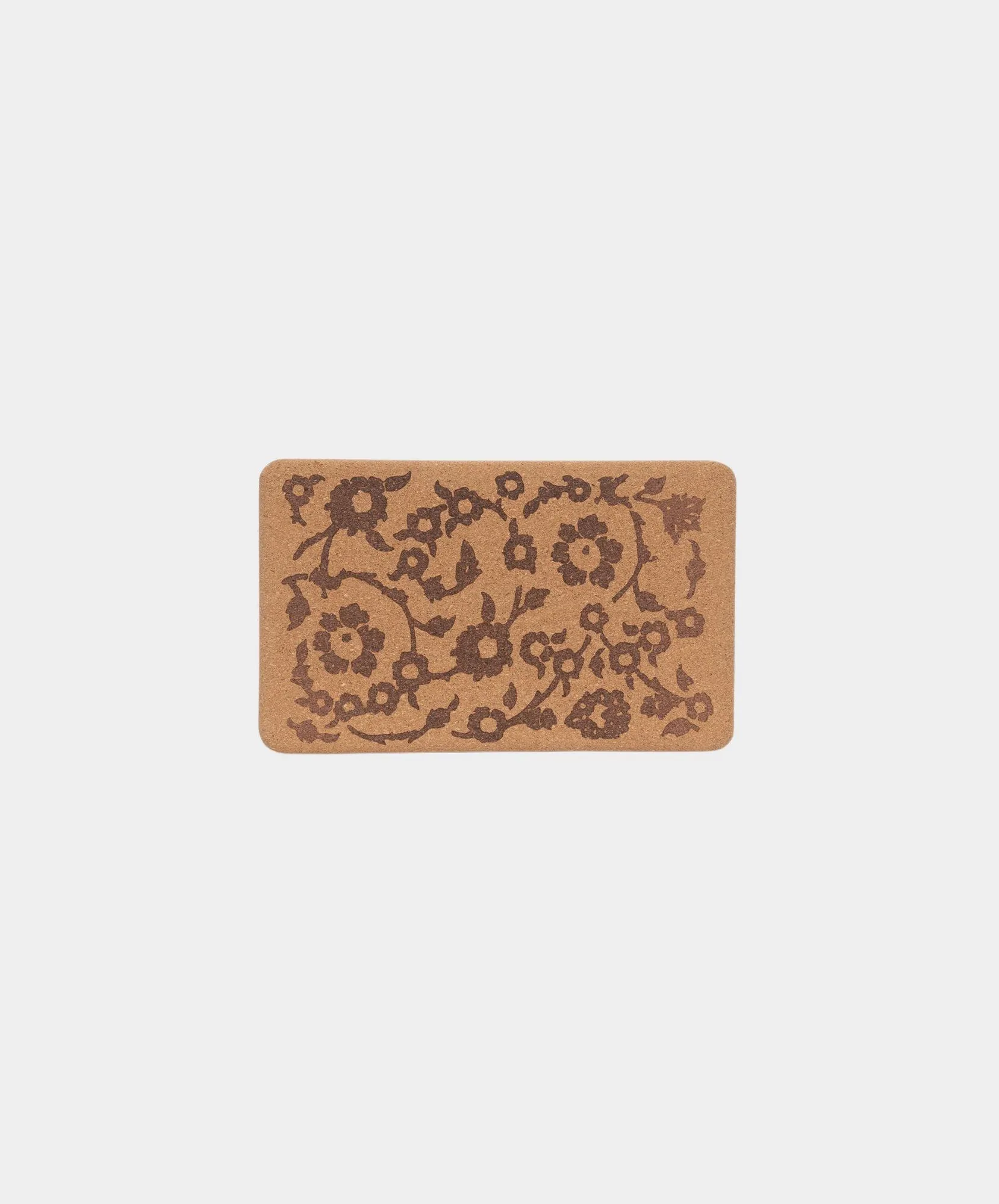
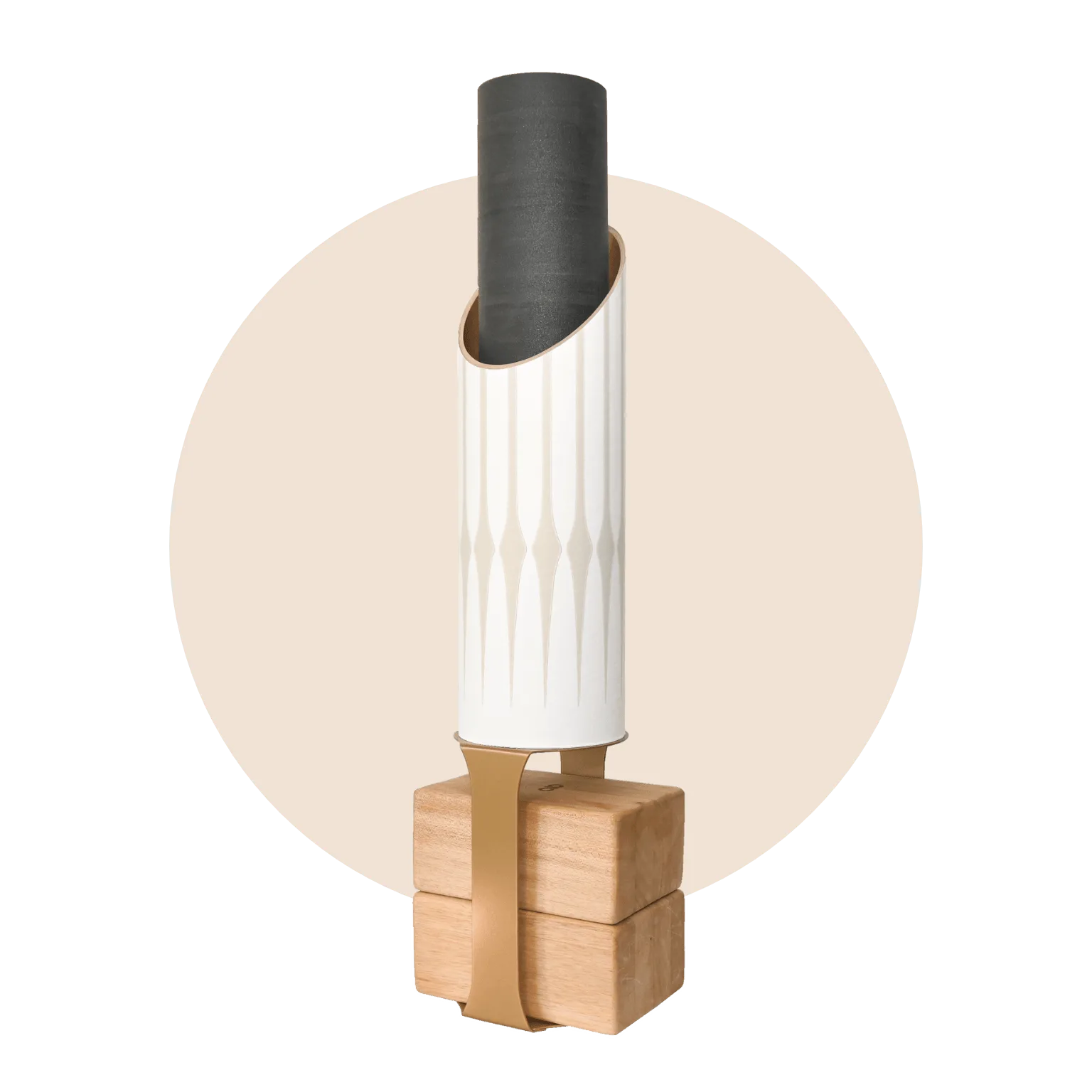
- Yoga Storage Bundle | Gather: This bundle stores and organizes your yoga mat or foam roller, two yoga blocks, and more in one convenient setup. A dedicated storage spot for your mat, blocks, and blanket keeps your restorative props ready to use and protects them from clutter.
A yoga blanket is a simple prop that can transform your restorative practice when you fold it with intention. Start with a firm, even fold, place it where you need support, and adjust until you feel stable. With a little practice, you will know exactly how to use a yoga blanket for any pose.