Quick answer
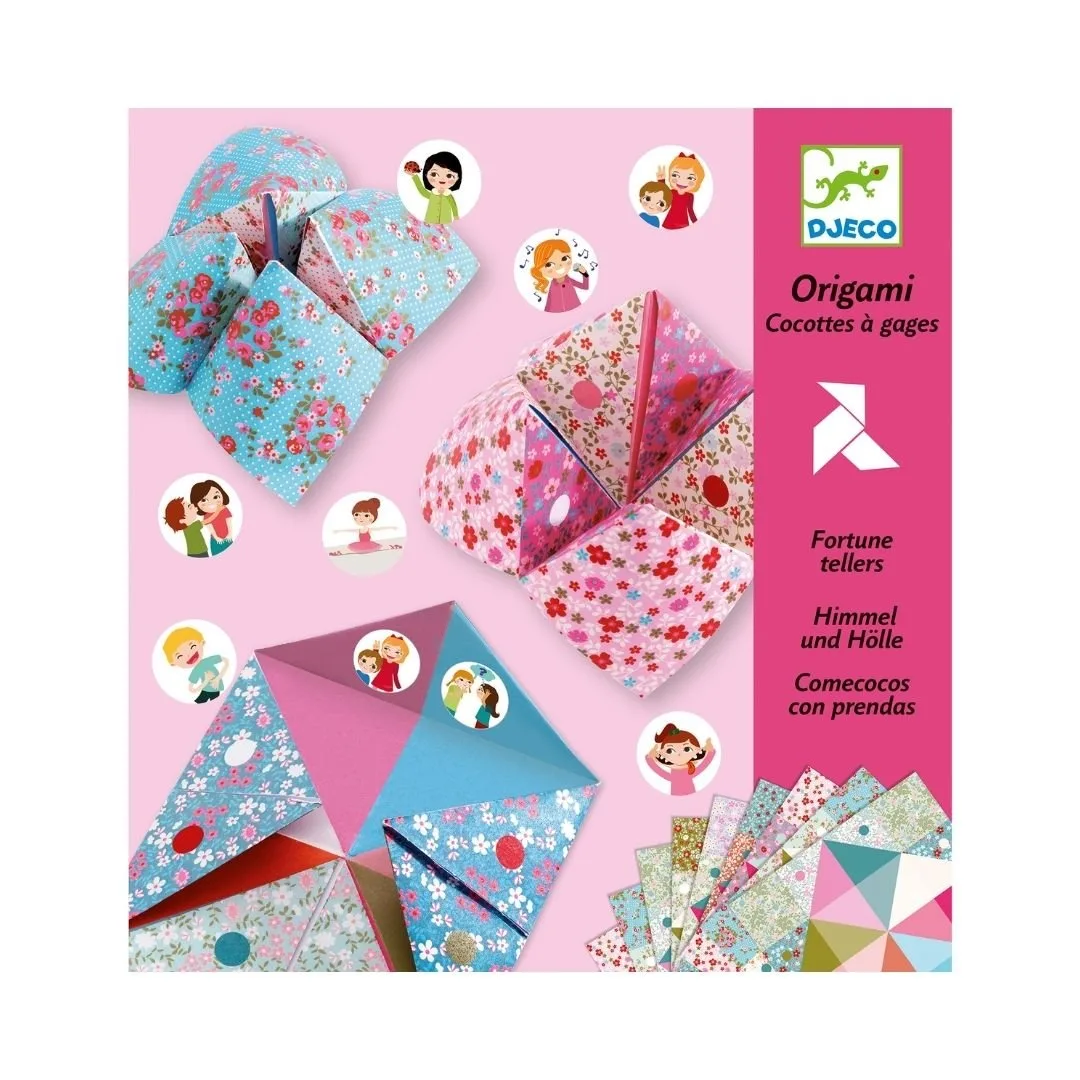
Fold a Djeco Origami Fortune Teller by following the marked crease lines: fold the square in half diagonally both ways, bring the four corners to the center, flip it over, bring the new corners to the center again, then fold in half and slip your thumbs and fingers under the flaps. The Djeco set includes 24 printed sheets, a clear instruction booklet, and forfeit stickers, so you can fold and play a paper fortune teller game with kids in about five minutes per teller.
Why Djeco Fortune Tellers Work Well for Kids
Djeco's Origami Fortune Tellers set is a smart choice for kids paper crafts because every sheet has pre-marked folding lines. That means children as young as six or seven can often fold with less adult help, and the result looks neat even on a first try. The set makes 24 fortune tellers, so siblings, friends, or a whole classroom can each have one. The included instruction booklet explains the simple steps, and three sheets of forfeit stickers let kids add a silly consequence under each flap. The fortune teller game itself is a playground classic: say a number, pick a colour, and unfold to reveal a message or forfeit.
What You Need Before You Start
Clear a flat table and set out one printed sheet per child, plus the instruction booklet and the sticker sheet. Keep the stickers within reach but not on the folding surface until the teller is finished, because peeling and sticking is a separate step. If you are folding with more than two children, work in pairs so one child can hold the paper steady while the other creases. The Djeco sheets are already cut to size, so no scissors or glue are needed, which keeps the activity low-mess and easy to tidy up.
How to Play the Paper Fortune Teller Game
Once the teller is folded, slide your thumbs and index fingers under the four flaps and open and close it in one direction, then the other, to show the four colours or numbers. A second player chooses a colour or number, and you spell it out or count while opening and closing the teller. Then they choose one of the visible numbers, you lift that flap, and they read the fortune or follow the forfeit. With the Djeco set, the forfeit stickers can be placed under the flaps before play, so the game has a built-in silly twist. If you are playing with a mixed-age group, let younger children choose first and keep the counting short.
Ideas for Using Fortune Tellers Beyond the First Game
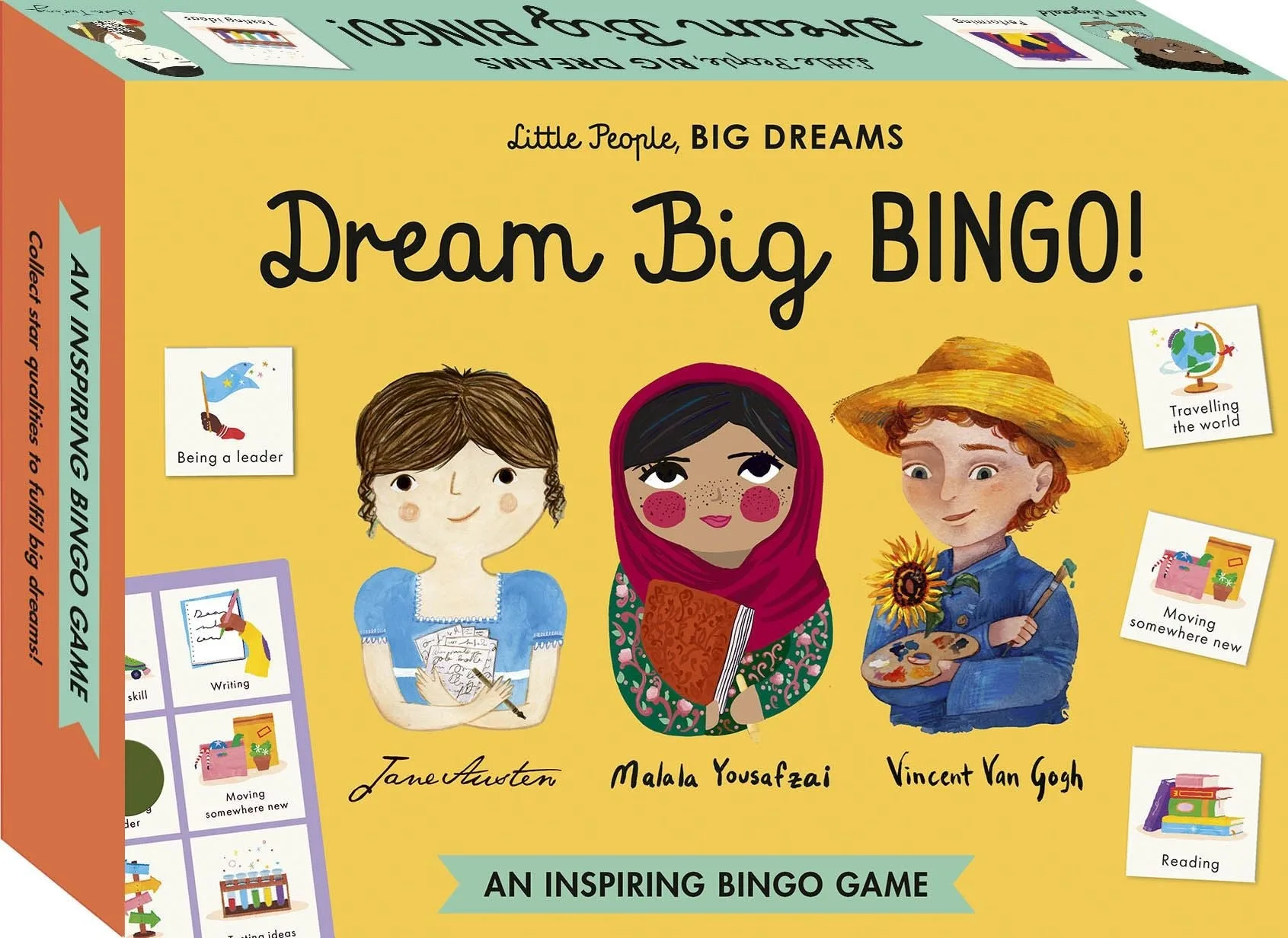
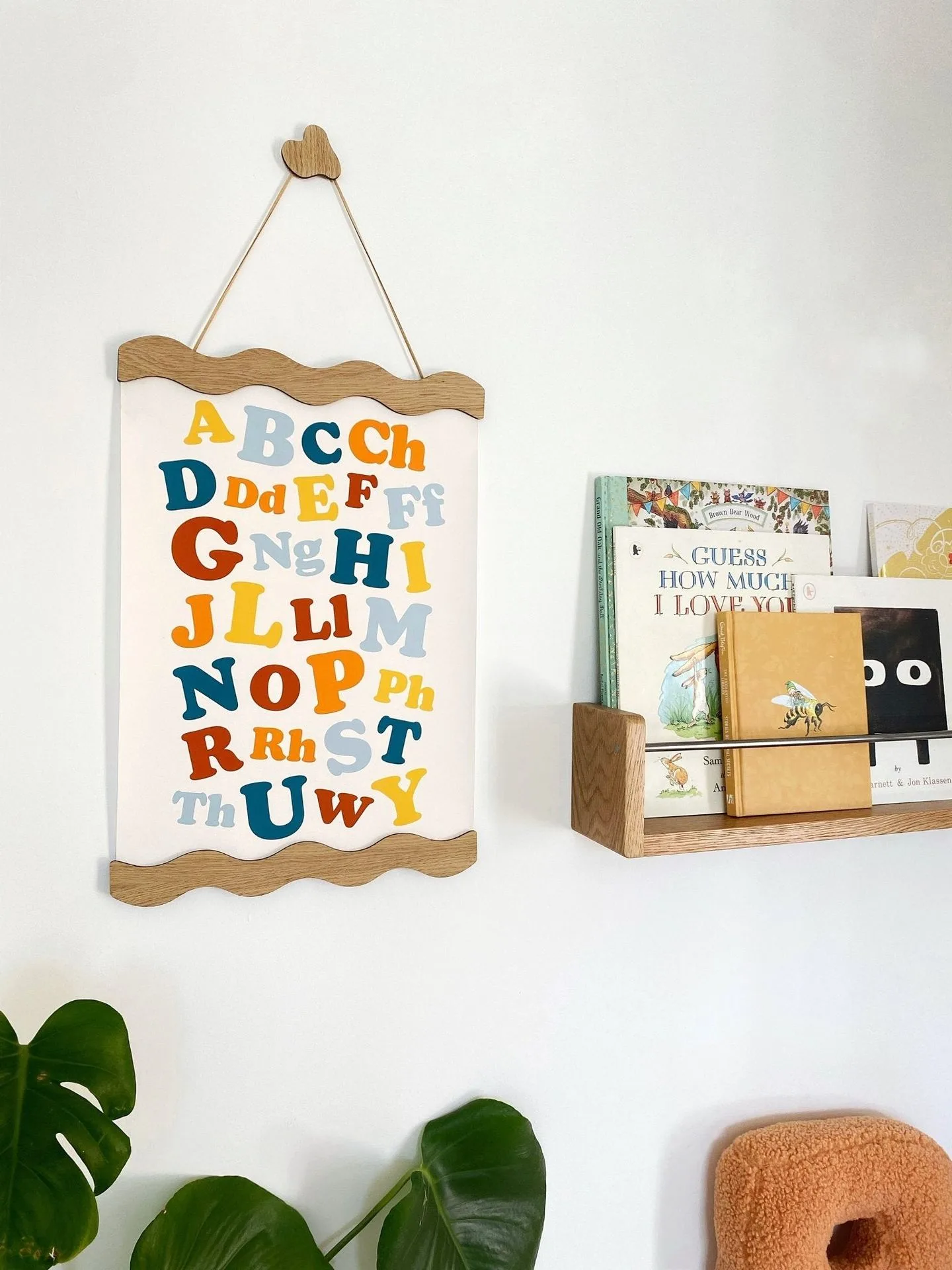
Fortune tellers are flexible enough for more than one round. Try writing simple math questions under the flaps for a quiet learning game, or use them as conversation starters at a party. For a calm afternoon, pair folding with a bingo game such as Little People Big Dreams: Dream Big Bingo! to create a longer activity session. If you want to display finished paper crafts, a wavy oak magnetic picture frame can hold a flattened teller or a photo of the kids playing. The key is to keep the paper crafts light and playful rather than turning them into a performance task.
Step-by-Step: Folding a Djeco Fortune Teller
- Place the printed sheet pattern-side down: Lay one Djeco sheet on a flat table with the printed side facing down so the marked folding lines are visible on the back. Smooth it with your hand to remove any curve from storage. Checkpoint: the sheet should sit flat and not rock when you press the corners.
- Fold both diagonals and unfold: Bring one corner to the opposite corner to make a triangle, crease firmly, then unfold. Repeat with the other two corners so you have an X-shaped crease across the square. Common mistake: skipping the second diagonal, which makes the next fold crooked.
- Bring all four corners to the center: Fold each corner in so the point meets the center where the creases cross. Crease each fold with a fingernail or the side of a pencil. Checkpoint: the folded shape should look like a smaller square with no gaps at the center.
- Flip the square over and repeat: Turn the folded square over. Bring the four new corners to the center and crease again. You now have a smaller square with four flaps on top. Common mistake: forgetting to flip before folding, which hides the printed pattern.
- Fold in half and open the flaps: Fold the square in half to make a rectangle, then slide your thumbs and index fingers under the four flaps and gently open the teller into its three-dimensional shape. Checkpoint: the four flaps should move smoothly without tearing; if they stick, re-crease the center folds.
- Add forfeit stickers and play: Peel the Djeco forfeit stickers and place one under each inner flap, then write or choose numbers and colours on the outer flaps if you like. Open and close the teller to play the paper fortune teller game. Next step: store finished tellers flat in a book so they are ready for the next play session.
Product Facts
- Djeco: Origami - Fortune Tellers: Djeco: Origami - Fortune Tellers makes 24 fortune tellers with jolly printed sheets, a step-by-step instruction booklet, and 3 sheets of forfeit stickers. Enough sheets for a group activity, and the stickers add a ready-made forfeit option so you do not need to invent consequences.
- Djeco: Origami - Fortune Tellers: The Djeco sheets have marked folding lines and are designed to be folded in simple steps explained in the booklet. Marked lines help kids fold accurately and reduce the frustration that comes with blank origami paper.
- Little People Big Dreams: Dream Big Bingo!: Little People Big Dreams: Dream Big Bingo! includes six double-sided bingo cards, 30 chips, 54 tokens, a cotton bag, and a booklet with stories of inspirational figures. A good companion activity if you want a longer tabletop game after folding fortune tellers.
- Autumn's Corner: Wavy Oak Magnetic Picture Frame: Autumn's Corner: Wavy Oak Magnetic Picture Frame uses two strong magnets in each wooden strip to hold artwork securely, and comes with a free wall hook for a limited time. Useful for displaying a flattened fortune teller or a photo of the kids with their paper crafts.