Quick Answer
To help a reluctant reader, start by removing pressure and letting them choose what they read, even if it's not a traditional book. Pair this with short, engaging read-aloud sessions and model your own reading habits. If resistance continues after several weeks of low-pressure attempts, consider a brief pause and revisit reading later with a fresh approach.
When a child says 'I hate reading,' it's easy to feel frustrated or worried. But reluctance usually isn't about laziness—it's often a signal that something about the reading experience isn't working for them. The good news is that you can help turn that feeling around with the right approach.
This guide walks you through practical, step-by-step strategies to help reluctant readers discover the joy of books. We'll cover how to diagnose the root cause, take corrective action, and know when to step back and let your child lead the way.
Diagnose the Root Cause
Before you can solve the problem, you need to understand why your child is reluctant. Common causes include difficulty with decoding, lack of interesting material, or feeling pressured to perform. Watch your child during reading time: do they struggle with words, or do they just seem bored? Are they avoiding books that are too hard, or are they simply not interested in the topics?
Take note of what they do enjoy—whether it's dinosaurs, sports, or stories about real-life kids. This can give you a clue about what might spark their interest. Also, consider their reading level; if they're forced to read books that are too challenging, they'll likely feel frustrated and give up.
- Observe what they choose during free time—comics, magazines, or nonfiction can all count as reading.
- Ask open-ended questions like, 'What's the hardest part about reading for you?'
Corrective Action: Low-Pressure Strategies
Once you have a sense of the cause, you can take action. Start by lowering the stakes: let your child pick any reading material, even if it's a graphic novel or a book below their level. The goal is to build positive associations, not to push them ahead. Set aside a regular time for shared reading where you read aloud to them, letting them follow along at their own pace.
Incorporate their interests: if they love dinosaurs, find books that blend story with science facts. For example, 'Les dinosaures' is a French-language resource that ties all its stories to science, making it a great choice for a child who's fascinated by prehistoric creatures. The key is to connect reading to what they already care about.
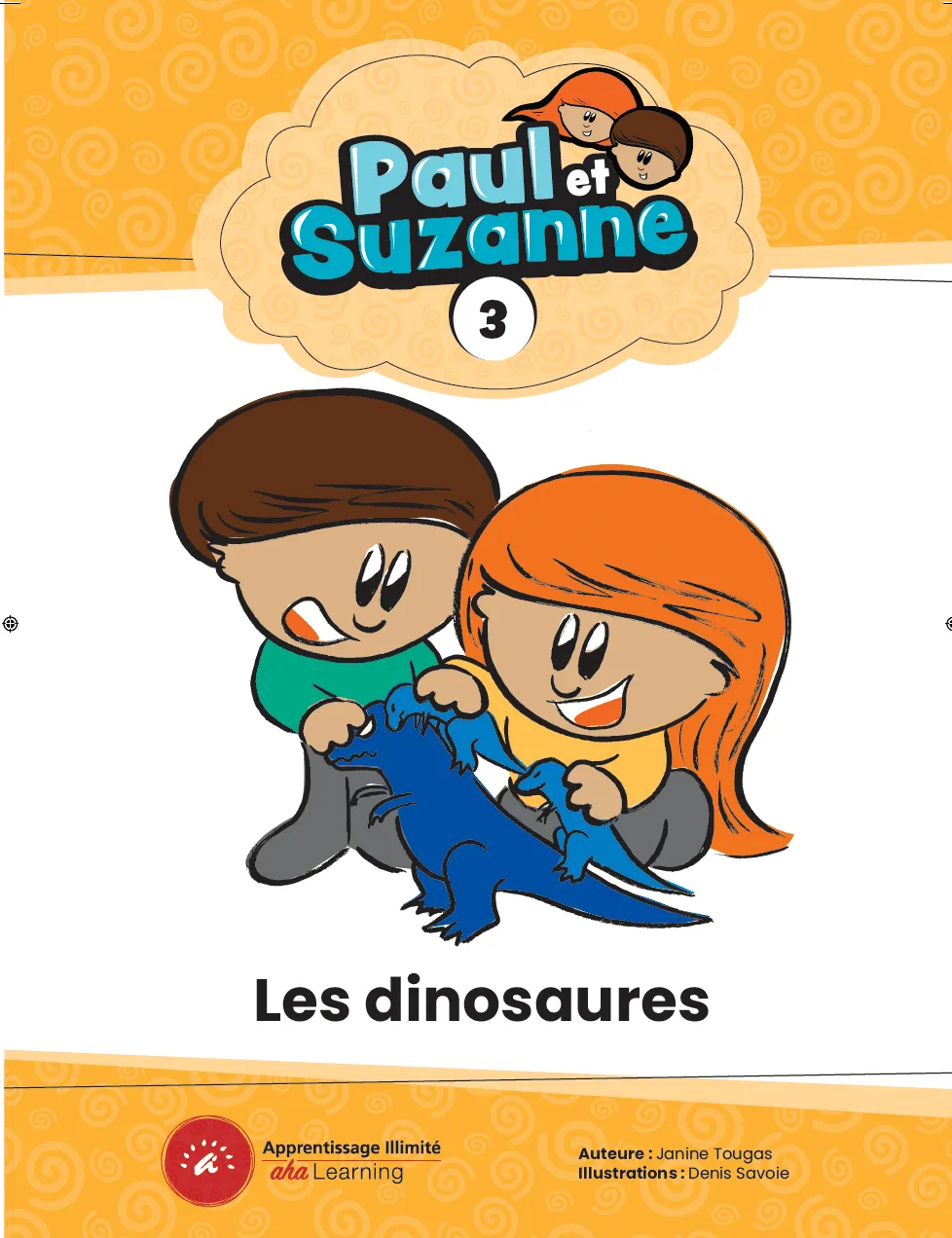
Les dinosaures
- Try the 'five-finger rule': if a child misses five words on a page, the book is too hard for independent reading.
- Use audiobooks or read-alouds to let them enjoy stories above their reading level.
When to Step Back and Let Them Lead
Sometimes, despite your best efforts, a child needs a break. If you've tried low-pressure strategies for several weeks and they're still resistant, it may be time to step back. Stop initiating reading discussions and don't force reading time. Instead, make books available and let them come to you when they're ready.
This doesn't mean giving up—it means trusting that their interest will return. You can still read yourself and leave books around the house. Often, when the pressure is off, a child will pick up a book on their own terms. Remember, the goal is to foster a lifelong love of reading, not to win a battle.
Diagnosis: Symptom, Cause, Action, and When to Stop
- Symptom: Your child avoids reading, says they're bored, or becomes frustrated when you suggest picking up a book. Recognize that this is a common phase and not a permanent trait.
- Likely cause: The cause could be a mismatch between reading level and material, lack of interest in the topics, or pressure to perform. Observe and ask questions to pinpoint the specific trigger.
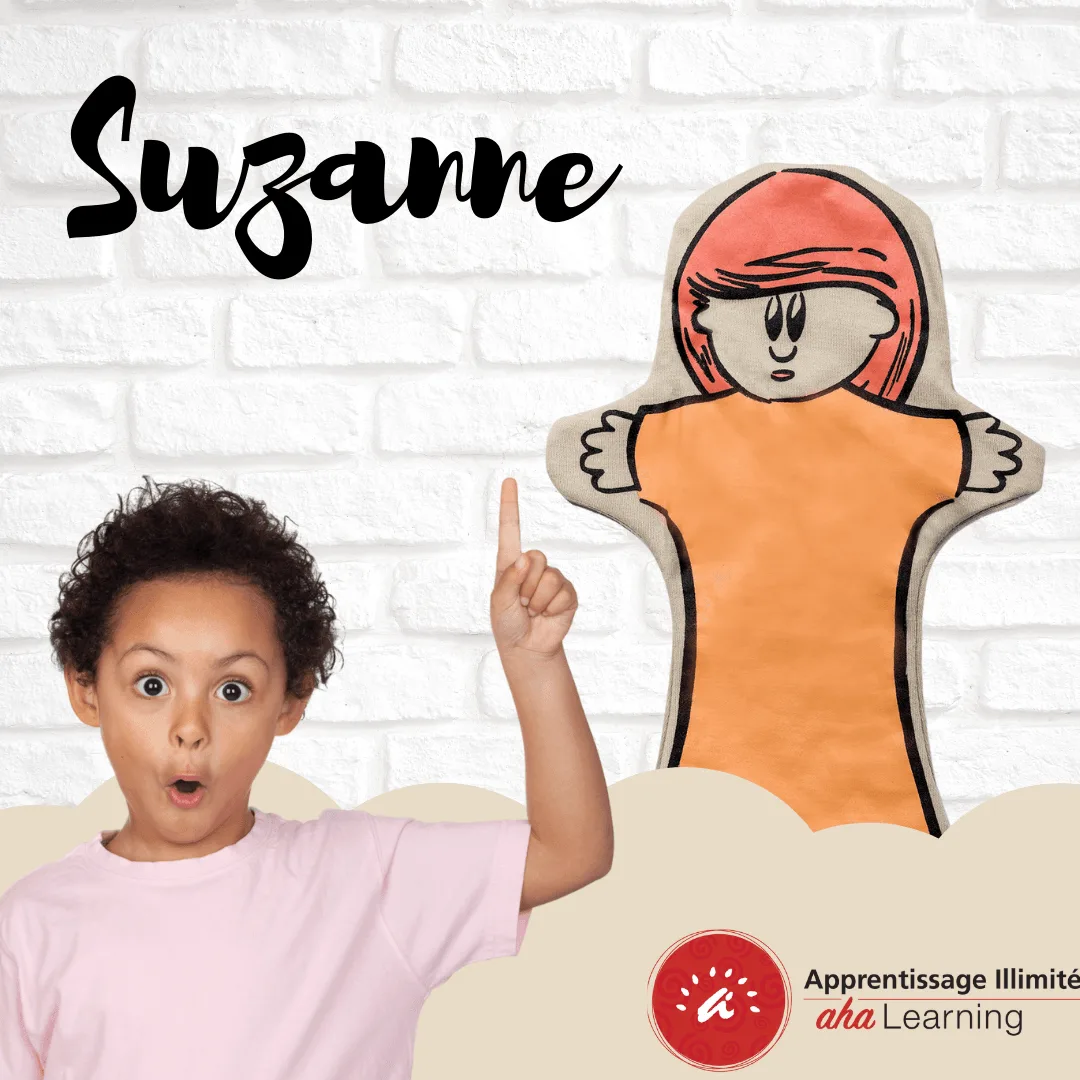
- Corrective action: Remove pressure, let them choose their own books, incorporate their interests, and try read-alouds or interactive tools like puppets. Focus on building positive associations, not on hitting a reading level.
- When to stop or choose another option: If after several weeks of consistent low-pressure attempts the child remains resistant, it's time to step back. Stop initiating reading and let them come to you. Sometimes a break is the best strategy. Trust that your child's curiosity will return.
Helpful Resources for Reluctant Readers
- Les dinosaures: All of the stories on this theme are related to science (dinosaurs). If your child is fascinated by dinosaurs, this French-language resource turns that interest into a reading motivation. Pairing stories with science facts can make reading feel like an adventure, not a chore.
- Pascale va à l'hôpital: This 20-page book from the 'Enfants de la planète' collection features Pascale, who introduces readers to her family and community. Short, relatable stories like this one are perfect for reluctant readers because they offer a quick sense of accomplishment. The real-world setting helps children connect reading to their own lives.
- Puppet: Suzanne/Susan: This is a hand puppet. Using a puppet to act out stories can turn reading into an interactive, playful experience. For a child who resists sitting still with a book, a puppet might make the story come alive and encourage participation.
Helping a reluctant reader find joy in books takes patience and a willingness to try new approaches. By diagnosing the cause, taking low-pressure corrective action, and knowing when to step back, you can create an environment where reading feels like a choice, not a chore. And when you do find that spark, it will be worth the wait.