Quick answer
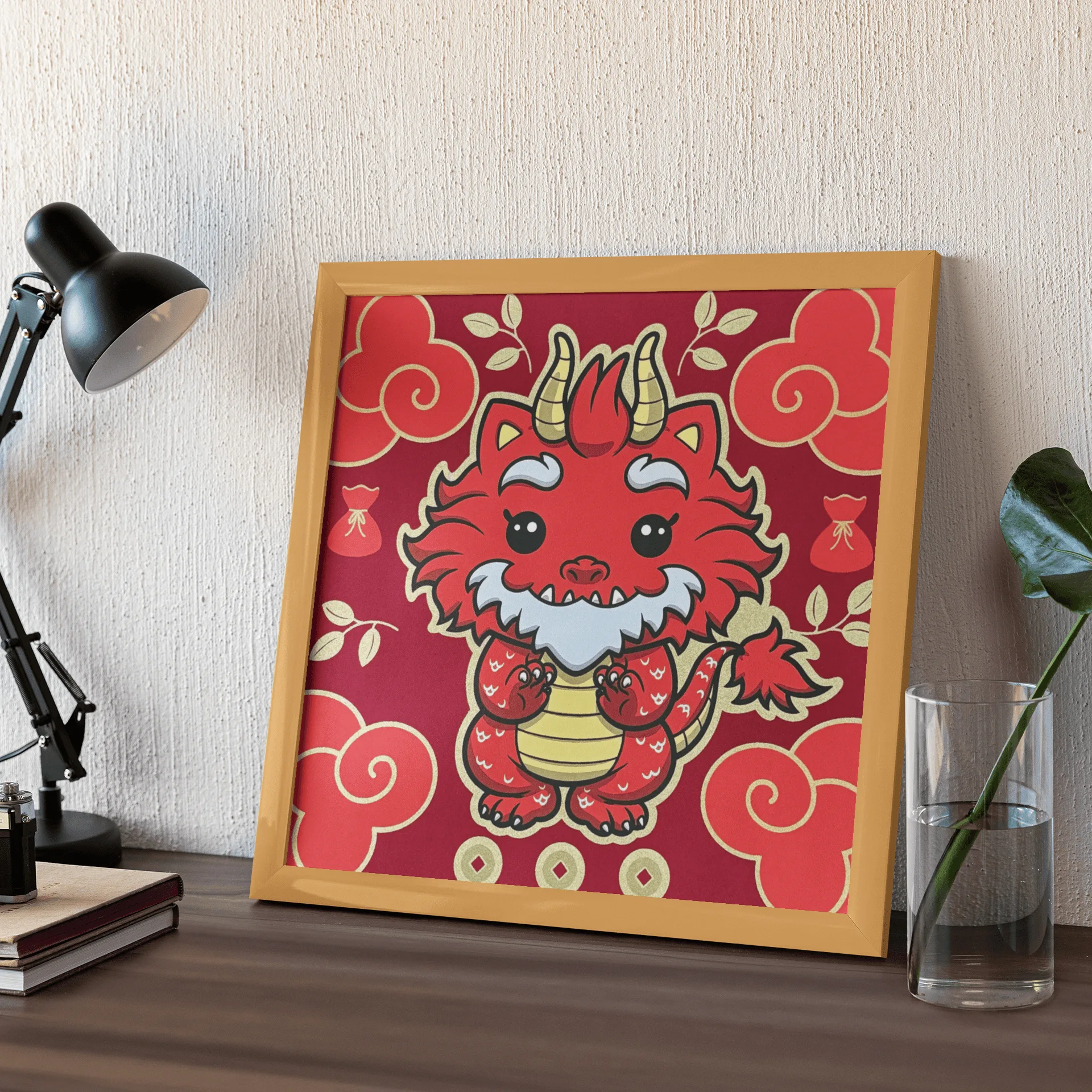
To frame and protect art prints, use acid-free materials and UV-filtering glazing, keep the print from touching the glass, and hang it away from direct sun and damp walls. Store unframed prints flat in a dark, dry place with acid-free interleaving. These steps prevent fading, moisture damage, and surface scratches.
Choose acid-free materials for the mount and backing
Ordinary cardboard and some foam boards contain lignin and acids that migrate into paper, causing yellowing and embrittlement over time. Use acid-free mat board or a backing board labeled acid-free and lignin-free. For the mount, avoid pressure-sensitive tapes; instead use paper hinging tape or corner mounts that hold the print without adhesive touching the front. If you are framing a collectible print, keep any certificates or edition cards in a separate acid-free sleeve behind the backing, not pressed against the artwork.
Select UV-filtering glazing and the right spacer
UV glass for art prints blocks most ultraviolet light, which is the main cause of fading even indoors. Standard glass offers little UV protection; acrylic glazing with a UV filter is lighter and safer for large prints but can build static, so avoid it for pastels or charcoal. A mat or spacer creates an air gap so the print never touches the glazing; contact can transfer moisture and cause ferrotyping (sticking) in humid conditions. If you use acrylic, ask for anti-static or use a mat to keep the surface clear.
Hang away from light, heat, and moisture
Even with UV glazing, visible light and heat accelerate fading. Avoid direct sun, spotlights, and locations near radiators, fireplaces, or air vents. Damp walls, such as exterior walls or bathrooms, can wick moisture into the frame; use a moisture barrier or choose a different wall. For long-term display, rotate prints every few months to spread light exposure. If you live in a humid climate, consider a dehumidifier or silica gel packets in the frame back (not touching the print).
Store unframed prints flat and protected
Art print storage tips: keep prints flat, not rolled, to avoid curling and surface cracking. Place them in an acid-free portfolio box or between acid-free boards, interleaved with acid-free tissue or glassine. Store in a dark, cool, dry area—avoid basements, attics, and garages where humidity and temperature swing. If you must roll a print for shipping, use a wide-diameter tube (at least 3 inches) and acid-free kraft paper, then unroll and flatten under weight as soon as possible.
Handle prints with clean hands and support
Oils and dirt from fingers can etch into paper and cause permanent stains. Wash and dry your hands or wear clean cotton or nitrile gloves. Support the print from underneath with both hands or a rigid board; never lift by one corner. When framing, work on a clean, padded surface. If a print has a soft or matte surface, avoid rubbing it; dust only with a soft, dry brush made for artwork, never a cloth.
Step-by-step: framing and protecting your art prints
- Prepare a clean, flat workspace: Clear a table and cover it with a clean, soft cloth or acid-free paper. Wash your hands and gather acid-free mat board, backing, hinging tape, glazing, and frame. Checkpoint: no food, drink, or dusty surfaces nearby.
- Inspect and document the print: Look for existing condition issues like foxing, tears, or previous mounting. Photograph the print and any edition numbers for your records before framing. Mistake to avoid: framing over old tape or damage without noting it.
- Mount with acid-free hinges or corners: Use Japanese paper hinges with wheat starch paste or acid-free corner mounts. Attach to the back of the print only at the top edge, allowing the paper to expand and contract. Checkpoint: the print hangs flat without stress points.
- Assemble the frame with a spacer: Place the glazing in the frame, then a mat or spacer, then the mounted print, then the backing board. Ensure the print does not touch the glazing. Mistake to avoid: skipping the spacer and letting the print contact glass.
- Seal the back and add a moisture barrier: Tape the backing board to the frame with acid-free tape or use a dust cover. For humid areas, add a sheet of moisture barrier film behind the backing, not touching the print. Checkpoint: the back is sealed against dust and insects.
- Hang with proper hardware and placement: Use two hooks or a French cleat rated for the weight. Hang away from direct sun, heat sources, and damp walls. Consider UV-filtering glazing if not already used. Mistake to avoid: hanging on an exterior wall without a moisture barrier.
- Store unframed prints flat and dark: Place prints in an acid-free portfolio box with interleaving, or between acid-free boards. Store in a cool, dry, dark place. Never store in a tube long-term. Checkpoint: prints lie flat with no curling or pressure marks.
Collector-friendly picks from our catalog
- Giant Isopod Artic Sea by Only Creatures: Giant Isopod Artic Sea by Only Creatures is a sofubi vinyl figure at 7.8cm with a glow-in-the-dark finish. Small sofubi figures like this can be displayed on a shelf or in a case; the glow effect is best seen in low light, so avoid direct sun that can dull the finish over time.
- VAG (VINYL ARTIST GACHA) SERIES 44 Dragon Polygon: VAG (Vinyl Artist Gacha) Series 44 Dragon Polygon is a blind box vinyl figure approximately 2.5 inches tall. At 2.5 inches, it fits in a small display area; keep the box or a photo for identification, and store duplicates in a dry, dark place to prevent vinyl from becoming tacky.
- Demon Slayer: Kimetsu no Yaiba Birth Flower Series Figures: Demon Slayer: Kimetsu no Yaiba Birth Flower Series Figures from Pop Mart includes 12 regular designs and 1 secret figure; choose a single blind box or a full case of 12. The full case guarantees 12 regular figures without duplicates, which is useful if you want a complete set for display; store any secret figure in a UV-protective case to preserve its paint.