Zinc is an essential mineral that plays a role in over 300 enzymatic reactions in the body, from immune function to DNA synthesis. Despite its importance, many people don't get enough zinc from their diet alone. In this guide, we'll explore the best food sources of zinc, how to meet your daily intake, and when supplements like zinc gummies might be necessary.
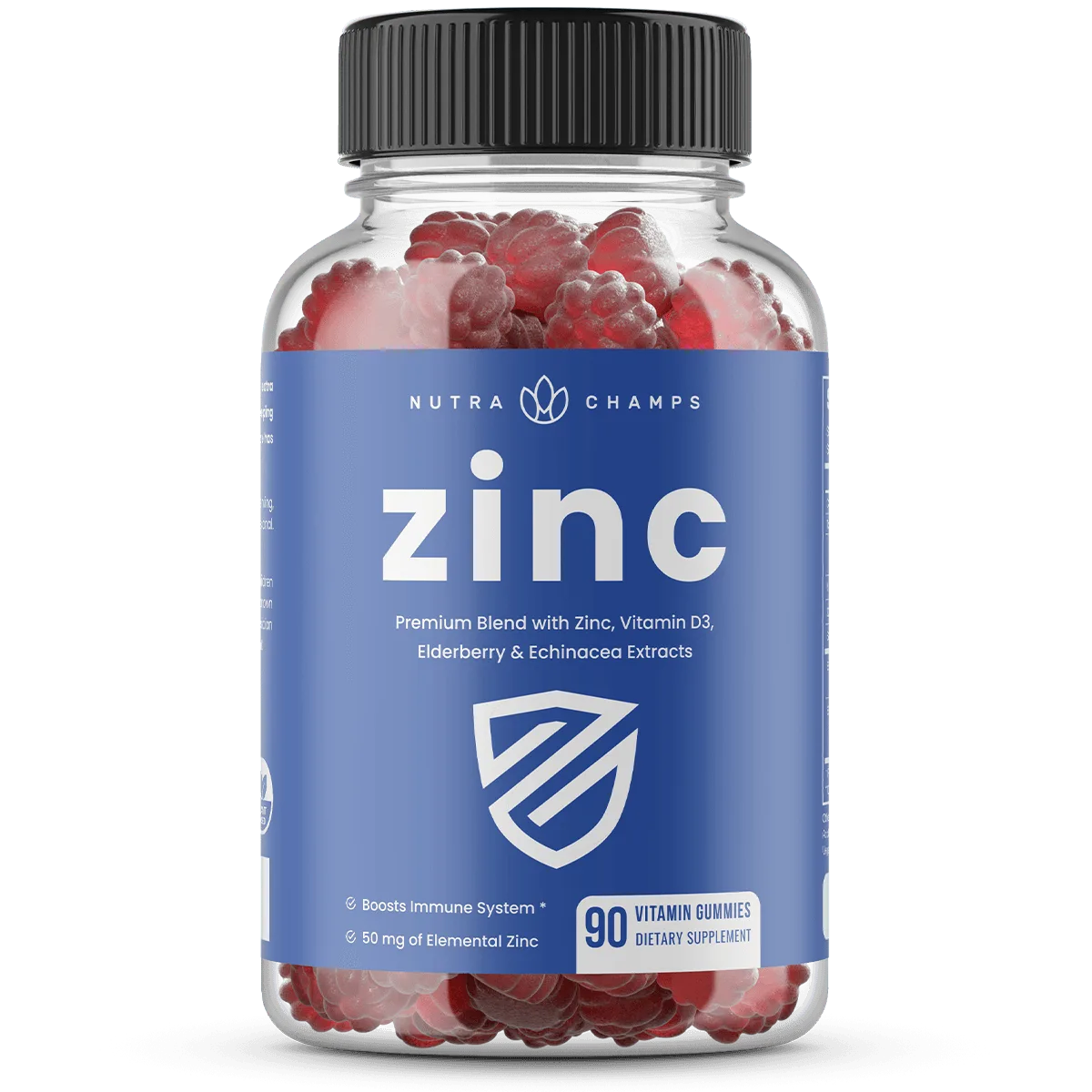
zinc gummies
Whether you're a vegetarian, an athlete, or just looking to optimize your health, understanding how to get enough zinc is crucial. We'll cover everything from zinc-rich foods to absorption tips and how to choose the right supplement for your needs.
Why Zinc Matters: The Role of This Essential Mineral
Zinc is vital for a healthy immune system, wound healing, and cell division. It also supports normal growth and development during pregnancy, childhood, and adolescence. A deficiency can lead to hair loss, diarrhea, eye and skin conditions, and impaired immunity.
The recommended daily intake for adults is about 8-11 mg, but needs can vary based on age, gender, and life stage. Pregnant and breastfeeding women require more, as do individuals with certain health conditions. Unfortunately, many diets fall short, especially those high in processed foods and low in animal products.
Zinc is not stored in the body, so you need a consistent supply from food or supplements. This is why understanding your dietary intake and considering supplementation is key to maintaining optimal levels.
- Supports immune function and reduces the duration of colds
- Promotes wound healing and skin health
- Involved in DNA synthesis and cell division
Top Zinc-Rich Foods to Include in Your Diet
The best sources of zinc are animal-based foods, as they contain more bioavailable zinc than plant-based sources. Oysters are the standout, providing a whopping 74 mg per 3-ounce serving, but that's far above daily needs. Other excellent sources include beef, crab, lobster, and pork. For example, a 3-ounce serving of beef chuck roast offers about 7 mg of zinc.
If you follow a vegetarian or vegan diet, you can still get zinc from plant foods like legumes, nuts, seeds, and whole grains. However, these sources contain phytates, which bind to zinc and reduce absorption. Soaking, sprouting, or fermenting these foods can help improve zinc bioavailability.
Dairy products like cheese and milk also contribute to zinc intake. A cup of yogurt provides about 1.5 mg. For a balanced approach, aim to include a variety of these foods in your daily meals to meet your zinc needs.
- Oysters, beef, crab, and lobster are top animal sources
- For plant-based: beans, nuts, seeds, and fortified cereals
- Soak or sprout legumes to enhance zinc absorption
Zinc Supplement vs Diet: When to Consider a Supplement
While food is always the best first choice, many people struggle to get enough zinc from diet alone. This is especially true for those with restricted diets, such as vegetarians, or individuals with digestive disorders that impair absorption. In these cases, a zinc supplement can help bridge the gap.
The decision to supplement also depends on your lifestyle. Athletes and people under high stress may have increased zinc needs. Additionally, as we age, zinc absorption decreases, making supplementation more important for older adults.
When choosing a supplement, you'll find several forms, including zinc gluconate, zinc citrate, and zinc picolinate. All are well-absorbed, but zinc picolinate is often considered highly bioavailable. Zinc gummies are a popular option for those who dislike swallowing pills, offering a tasty and convenient way to boost intake.
- Consider supplements if you're vegetarian, have digestive issues, or are over 50
- Look for forms like zinc gluconate or zinc citrate for good absorption
- Zinc gummies are a convenient alternative to capsules
How to Increase Zinc Absorption: Tips and Tricks
Maximizing zinc absorption is just as important as eating enough. Animal protein enhances zinc uptake, so pairing zinc-rich foods with a source of protein can help. For plant-based meals, reducing phytates through cooking methods like soaking and fermenting can improve absorption.
Certain vitamins and minerals also play a role. Vitamin C has been shown to enhance zinc absorption, so consider eating citrus fruits or bell peppers with your meals. On the other hand, high doses of calcium and iron can interfere with zinc absorption, so avoid taking these supplements at the same time as zinc.
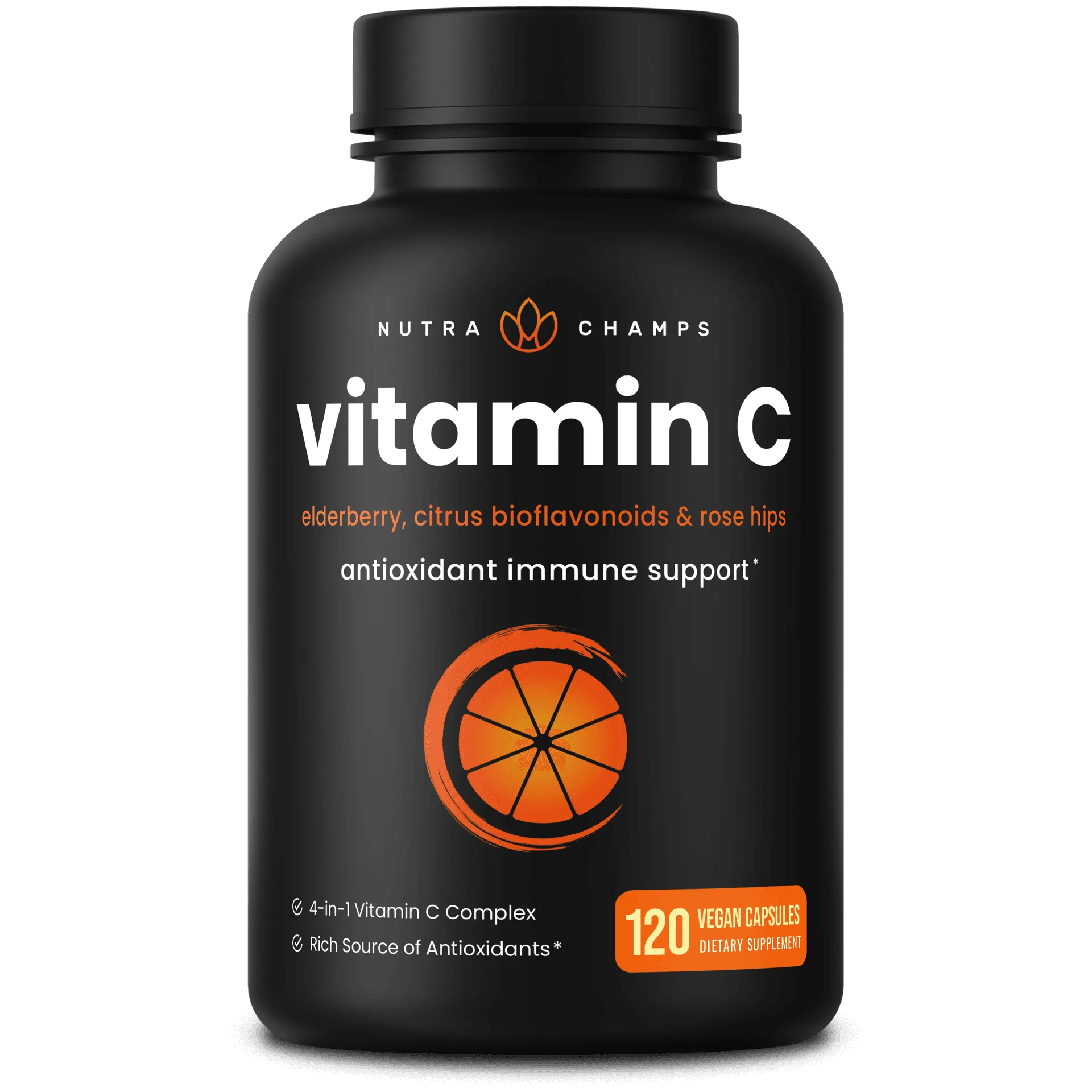
Vitamin C
If you're taking a zinc supplement, it's best to take it with water or juice, ideally an hour before or after meals. However, if you experience nausea, taking it with food is acceptable. Spreading your zinc intake throughout the day can also help maintain steady levels.
- Pair zinc-rich foods with protein to boost absorption
- Include vitamin C sources like citrus fruits in your meals
- Avoid high doses of calcium and iron at the same time as zinc
Choosing the Right Zinc Supplement for Your Needs
When you decide to supplement, quality matters. Look for products from reputable brands that use bioavailable forms of zinc and have third-party testing. The dosage should align with your dietary intake and health goals, typically ranging from 15-30 mg per day for adults.
Zinc gummies are an excellent choice for those who prefer a chewable option. They often come in delicious flavors and are easy to incorporate into a daily routine. However, be mindful of added sugars and choose a product with minimal additives.
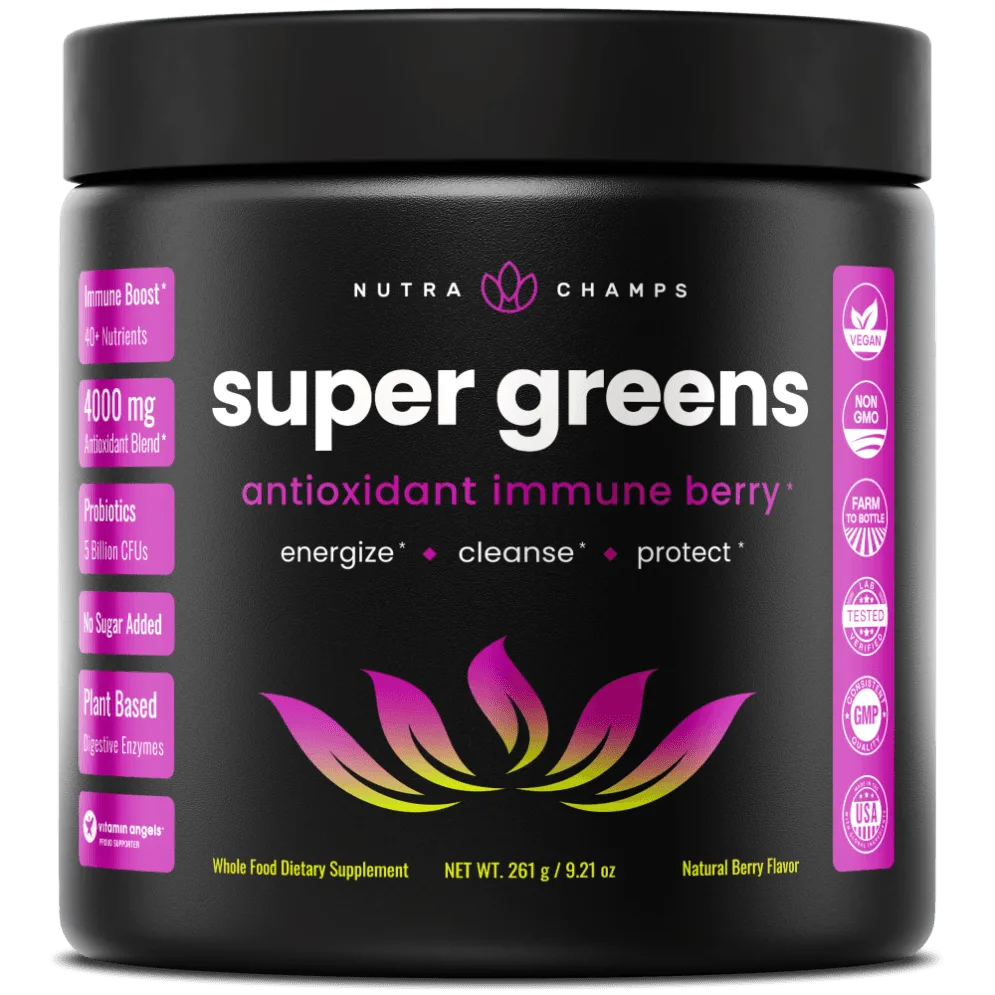
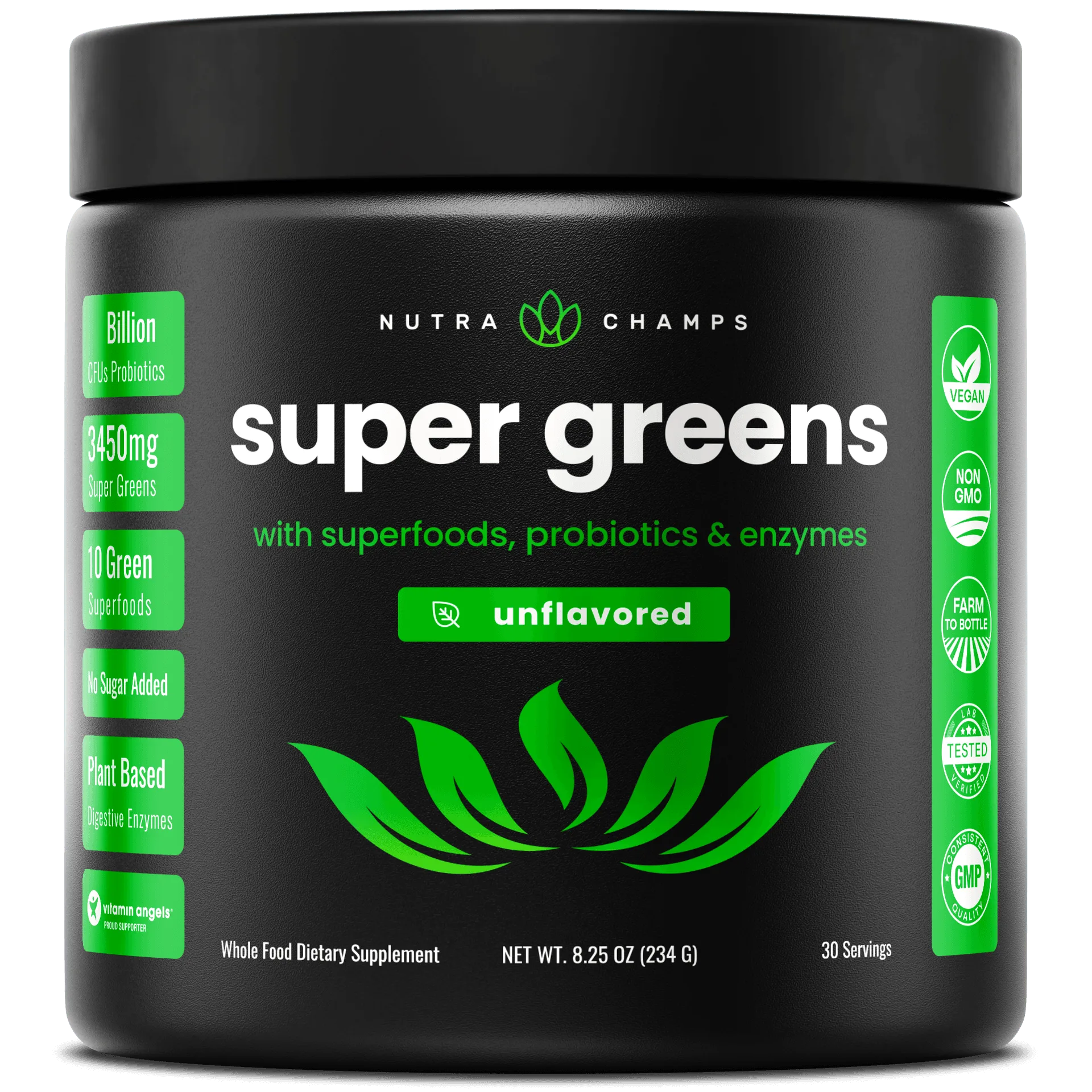
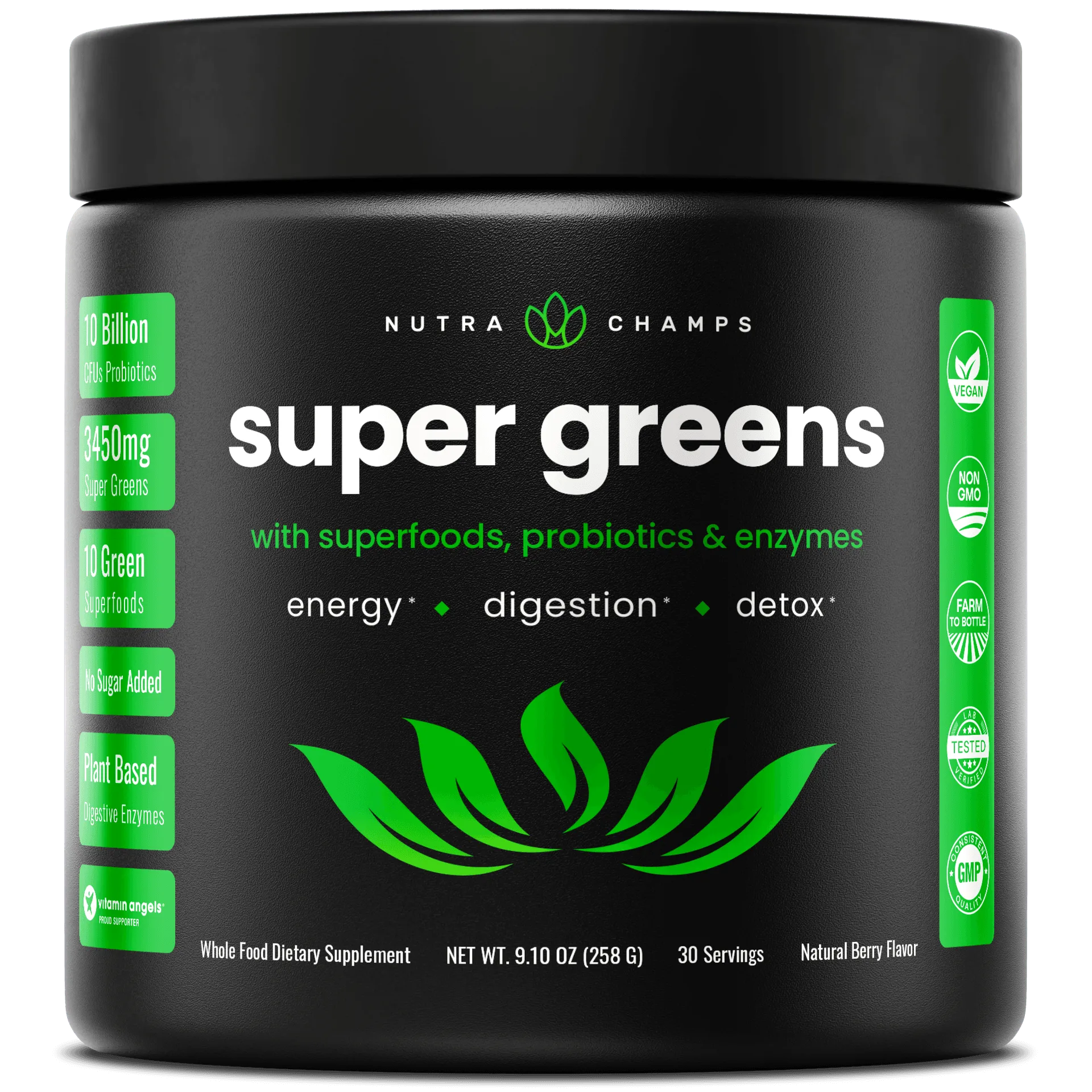
At NutraChamps, we offer a range of supplements to support your wellness journey. While we don't have a standalone zinc product, our https://nutsrachamps.com/products/super-greens-unflavored-377006Super Greens Unflavored and Super Greens Antioxidant contain a blend of nutrients, including zinc, to help fill dietary gaps. These greens powders are a convenient way to boost your daily nutrient intake, including zinc.
- Choose a supplement with a bioavailable form of zinc
- Consider zinc gummies for taste and convenience
- Check for third-party testing and transparent labeling
Getting enough zinc is essential for overall health, and a combination of a balanced diet and smart supplementation can ensure you meet your daily needs. Start by incorporating zinc-rich foods into your meals, and if you fall short, consider a high-quality supplement. Explore our Super Greens options to give your body the nutritional support it deserves.