Quick Answer
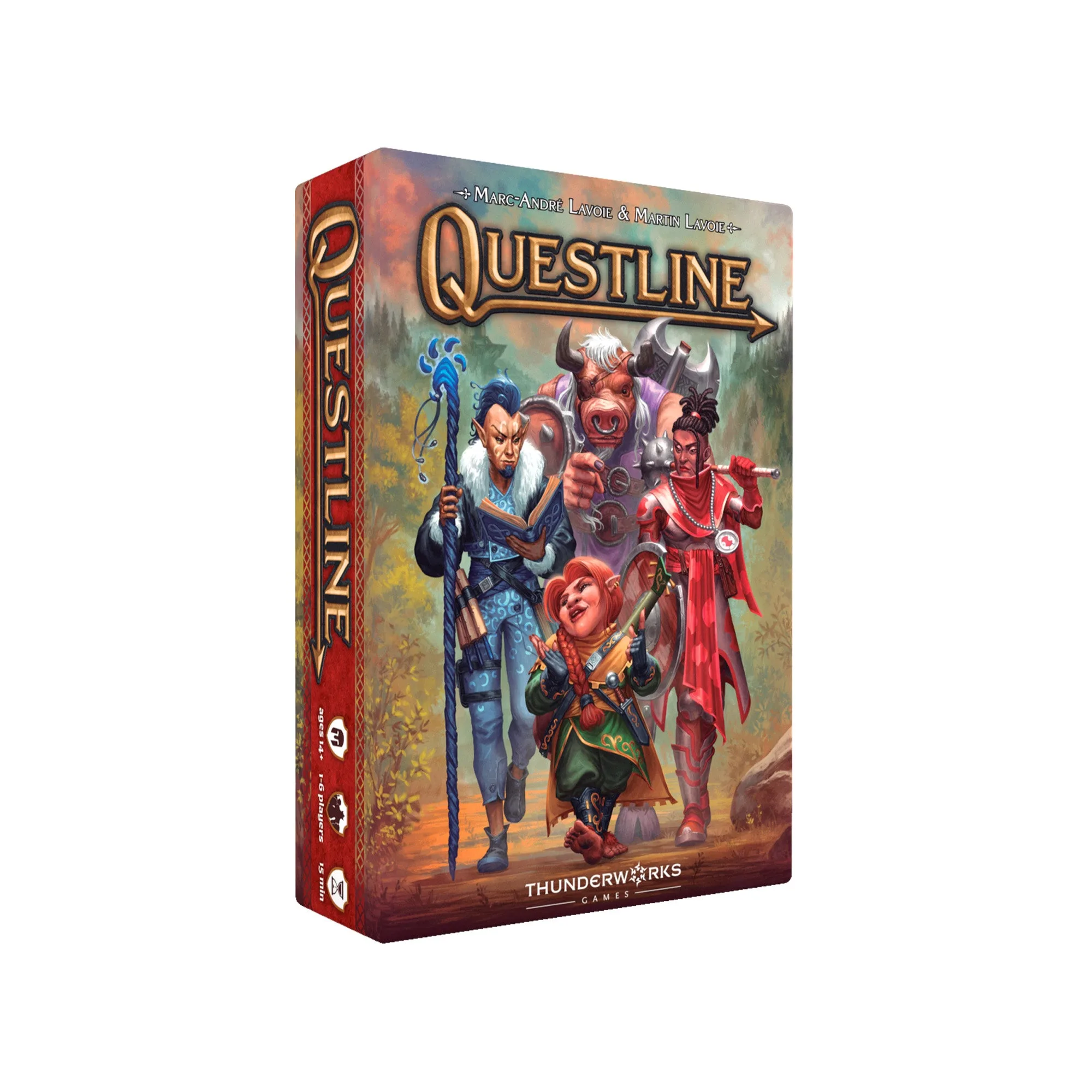
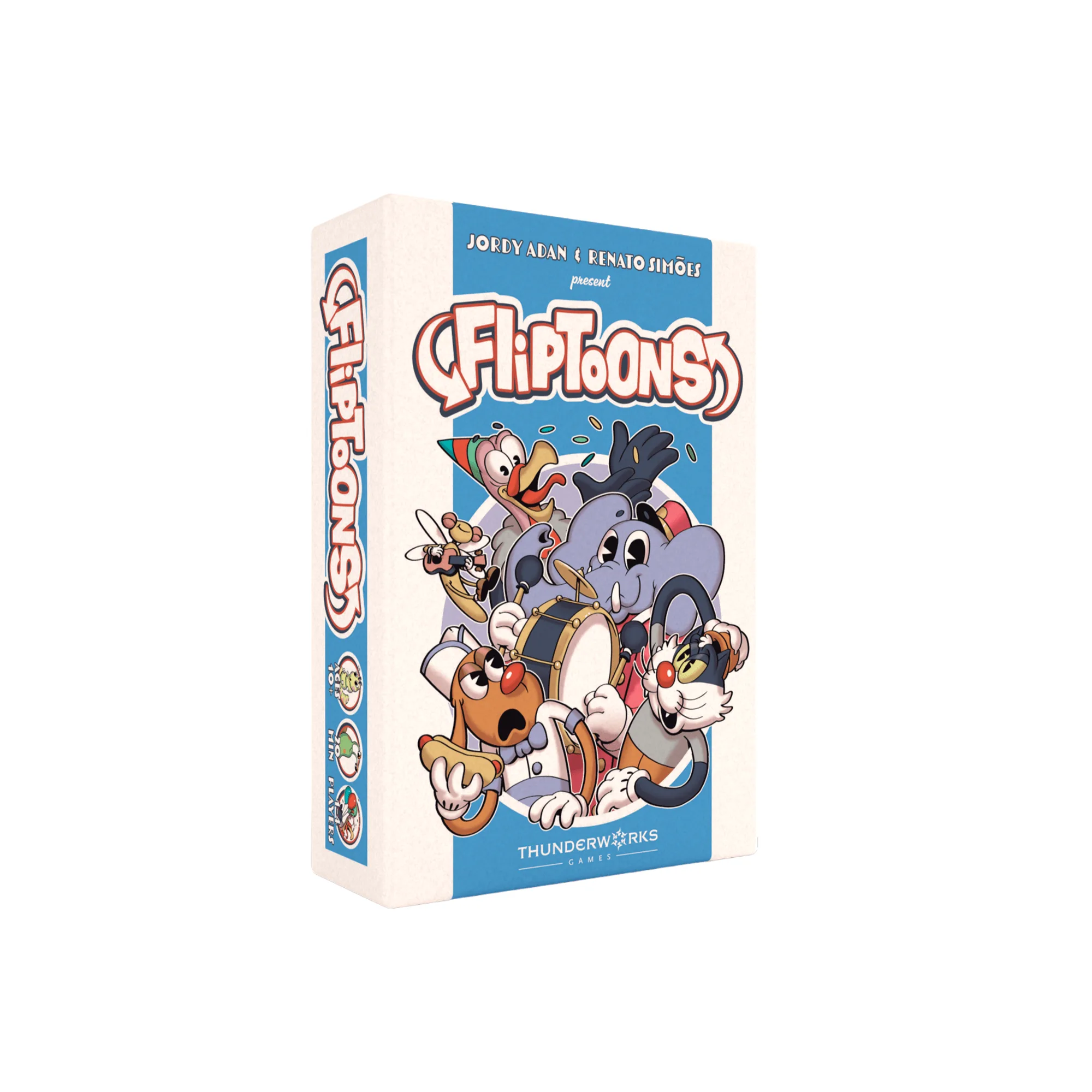
To get into board gaming, start with a few accessible games that match your group size and play style, learn the rules together, and gradually expand your collection. Focus on games with simple mechanics and short playtimes, like Questline or fliptoons-season-2-game-91a65cf48844e1401def90be-897329">FlipToons: Season 2, before diving into heavier titles.
Starting a new hobby can feel overwhelming, especially when board gaming has exploded with thousands of titles. But you don't need a massive collection or a dedicated table to enjoy it. With a few smart choices, you'll be playing and having fun in no time.
This guide breaks down the essential steps to get into board gaming, from understanding your preferences to picking games that fit your group. We'll also share concrete decision rules to help you avoid common pitfalls and make the most of your budget.
Start with Your Group Size
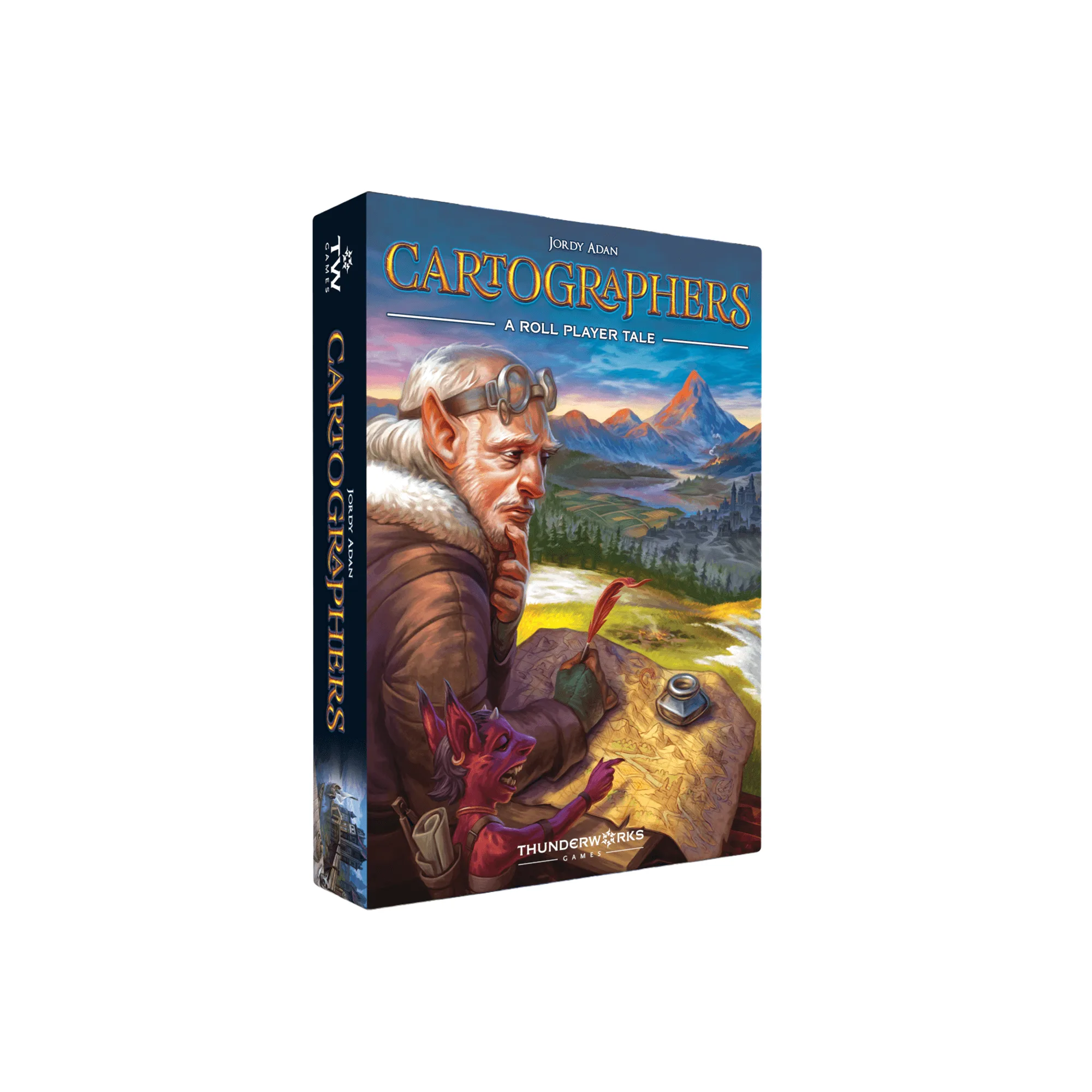
The first rule of board gaming is simple: your game must fit the people you play with. A game designed for 1-6 players, like Questline, offers flexibility for solo sessions or larger gatherings. Meanwhile, a game like Cartographers: Collector's Edition supports 1-100 players, making it ideal for parties or group events.
If you usually play with just one other person, look for games that work well at two players. Many modern games include a two-player variant, but some shine best with three or more. Check the player count on the box before buying—it's the most important spec for a beginner.
- Count your regular gaming group before you shop.
- Consider games that scale well across different player counts.
Choose Simple Mechanics First
Complex rules can scare off new players. Opt for games with straightforward mechanics: card games, set collection, or simple drafting. Questline is a fast-playing, simultaneous play card game where you chain cards to tell a hero's story—easy to learn but with enough strategy to stay interesting.
Deck-building games like FlipToons: Season 2 are also beginner-friendly because you learn as you play. It's a small-box game that packs a nostalgic punch with equal parts luck and strategy. Start with these lighter options before tackling heavier games with many rulebooks and components.
- Look for games that can be explained in under 10 minutes.
- Avoid games with dozens of pages of rules for your first few purchases.
Budget Wisely: Start Small
Board games can range from under $10 to over $100. For beginners, it's wise to start with affordable titles that offer high replayability. Questline at $9.98 and FlipToons: Season 2 at $9.98 are budget-friendly entry points. You can test the waters without a huge investment.
If you're tempted by a collector's edition, like Cartographers: Collector's Edition at $27.48, remember that it includes expansions and extras—great value if you already know you enjoy the base game. But for your first purchase, a single affordable game is safer.
- Set a budget of $10-$30 for your first few games.
- Consider buying used or on sale to reduce risk.
Learn the Rules Together
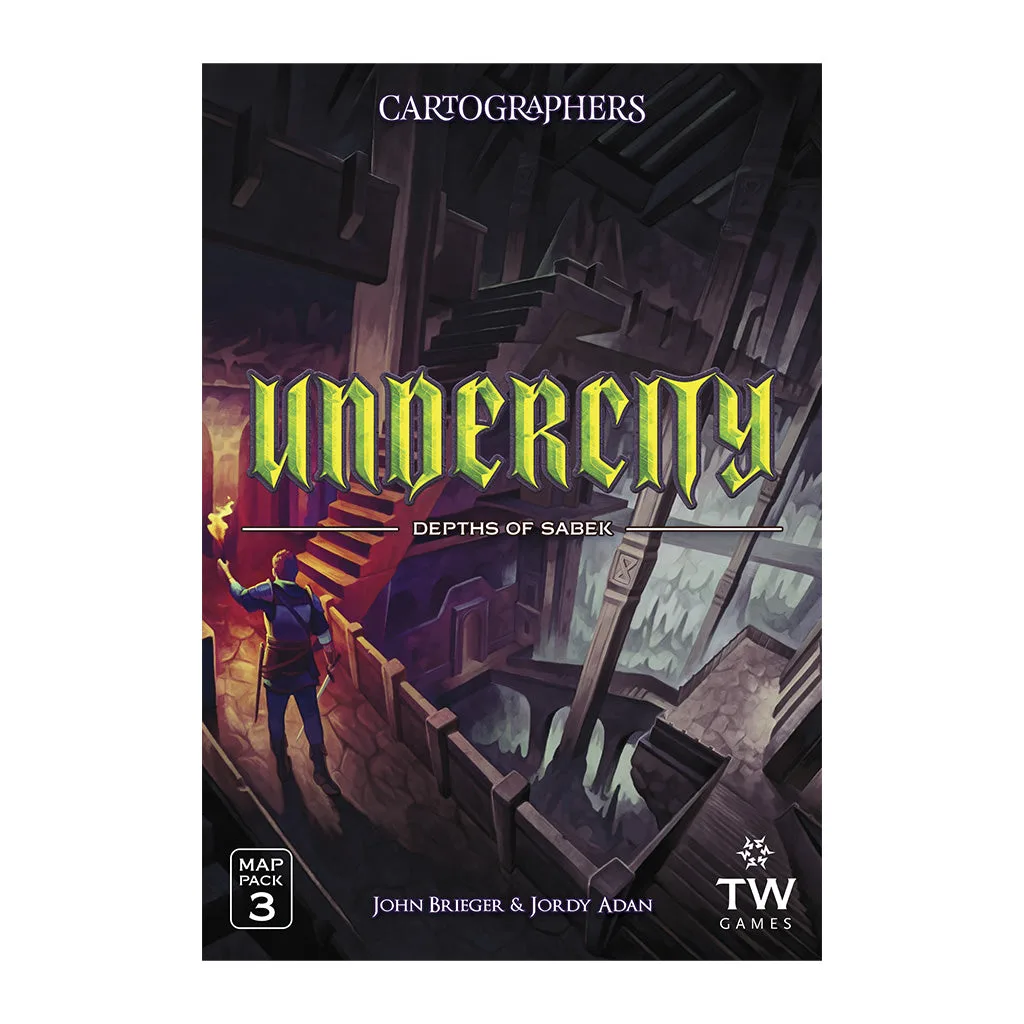
The best way to learn a new game is to read the rules aloud with your group and play a practice round. Many games have official video tutorials online—use them. For example, Cartographers: Map Pack 3, Undercity can be played with either Cartographers or Cartographers Heroes, and you can find how-to-play videos for those base games.
Don't be afraid to make mistakes. The goal is to have fun, not to master every rule on the first try. As you play more, you'll internalize the mechanics and can even teach others.
- Watch a video tutorial before your first session.
- Assign one person to be the rules expert for the night.
Expand Your Collection Gradually
Once you've played your first few games and know what you enjoy, you can expand. If you love a base game, consider expansions that add new content without a steep learning curve. For instance, Lockup: Breakout is an expansion that adds new ways to earn reputation and explore subterranean passageways—ideal if you've played the original Lockup.
Alternatively, try a different genre to broaden your horizons. Map-building games like Cartographers are a unique twist on traditional board games. The Collector's Edition includes all gameplay content from Cartographers Heroes plus Map Packs 1-3, giving you a complete experience in one box.
- Buy expansions only after you've played the base game multiple times.
- Sample different mechanics: card games, map-drawing, deck-building, and worker placement.
Decision Rules for Buying Your First Games
- Player count first: Always check the player count. If you play solo or with two, ensure the game supports that number well. For larger groups, look for games that scale up to 6 or more, like Questline. Match the game to your regular group size.
- Complexity level: Begin with games that have light or medium-light rules. Look for games that can be explained in 10 minutes or less. Avoid heavy strategy games until you've built confidence. Start simple, then progress to more complex titles.
- Budget and value: Set a budget and stick to it. Look for games under $30 for your first few purchases. Consider all-in-one bundles like collector's editions if they offer significant content for the price, but only if you're sure you'll enjoy the gameplay. Invest incrementally as you discover your preferences.
Games That Help You Start
- Questline: Questline is a fast playing, simultaneous play card game for 1-6 players. Compete to earn the most reputation stars (points) by chaining together a sequence of seven cards that tell your hero’s most compelling story! Its simple card-chaining mechanic and simultaneous play make it easy to teach and quick to play, perfect for a first game night with friends or family.
- FlipToons: Season 2: FlipToons: Season 2 is a fast-playing, small box deck-building game that is both a stand-alone game and an expansion for the original FlipToons! Easy to learn and quick to play, this card game packs a nostalgic punch with equal parts luck and strategy. Deck-building is a core mechanic in many popular games, and this affordable title lets you learn the genre in a low-pressure, portable format.
- Cartographers: Collector's Edition (Heroes + Map Packs 1-3): The Cartographers Heroes - Collectors Edition includes all gameplay content from Cartographers Heroes plus Map Packs 1-3 (Nebblis, Affril, Undercity) and Skills Mini-Expansion 2. The Collectors Edition also includes 20 colored pencils and a plastic tray to organize your maps inside the box. If you're drawn to creative, low-conflict games, this all-in-one box gives you a complete map-building experience with plenty of replay value and organization—great for those who enjoy solo or group play.
Finding the Right Game for You
Best for beginners
- Players who want quick, easy-to-learn games with social interaction: Questline or FlipToons: Season 2
- Solo players or those who enjoy creative, relaxing gameplay: Cartographers: Collector's Edition
Not ideal for
- Players who prefer deep, competitive strategy with high player interaction: look for heavier games like Lockup: Breakout (but only after you've mastered the basics)
- Those who dislike drawing or creative tasks: avoid map-building games like Cartographers
Getting into board gaming is about exploration and fun. Start with a few accessible games, learn the rules with friends, and expand your collection as you discover what you love. With the right approach, you'll build a hobby that brings people together for years to come.