Quick answer
Getting married involves more than planning a ceremony; it requires building a strong foundation. Start with self-reflection, have honest conversations, and use practical tools like The Couple's Workbook to navigate the journey. This step-by-step guide covers everything from engagement to the big day, with books to support each phase.
Planning a wedding is exciting but can also feel overwhelming. You might be wondering where to start, what to prioritize, and how to keep your relationship strong amid the chaos. This guide breaks down the process into clear, actionable steps, from the moment you decide to marry to the day you say 'I do'.
Along the way, we'll suggest books and workbooks that help you understand yourself and your partner better. These resources aren't just about the wedding; they're about building a marriage that lasts.
Start with Self-Reflection
Before you dive into venues and guest lists, take time to understand your own expectations and desires. Marriage is a partnership, and knowing yourself is the first step. Ask yourself: What does marriage mean to me? What are my non-negotiables? What fears or hopes do I bring?
Journaling is a powerful way to explore these questions. The Writing Journal - Sage provides a space to capture your thoughts, helping you see what you truly want. It's not just a diary; it's a tool for self-awareness.
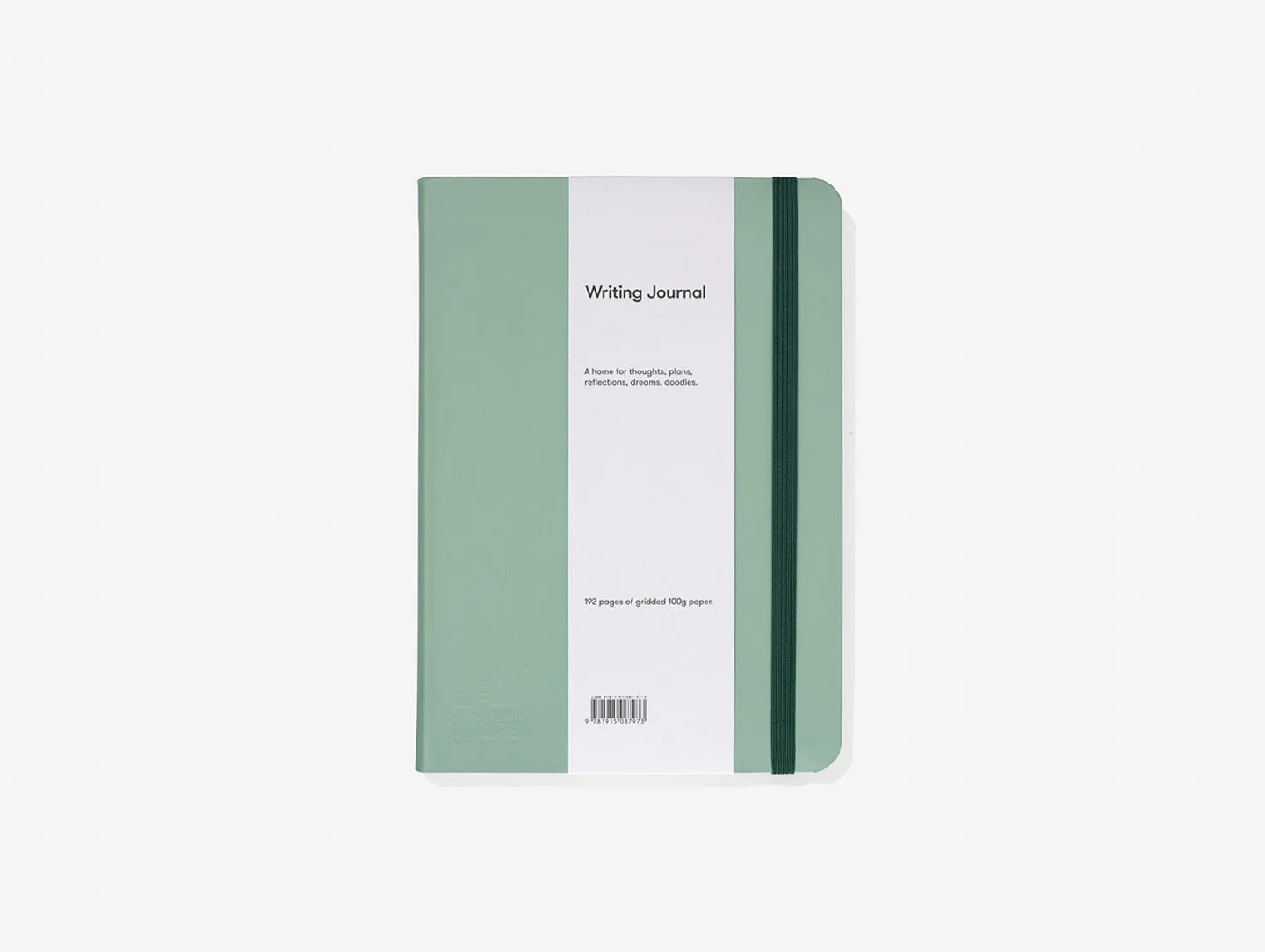
Writing Journal - Sage
- Set aside 10 minutes daily to write about your feelings and expectations regarding marriage.
Have Honest Conversations with Your Partner
Once you've clarified your own thoughts, it's time to talk with your partner. Discuss your visions for the future, finances, family, and how you'll handle conflict. These conversations may feel awkward, but they're essential.
The Couple's Workbook offers exercises designed to foster understanding and resilience. It guides you through important conversations, helping you address potential hurdles before they become problems.
- Set a weekly 'relationship check-in' to discuss one topic from the workbook.
Set a Realistic Budget and Timeline
Money is a common source of stress in wedding planning. Sit down together and determine what you can afford and how you'll save. Create a timeline that allows for flexibility, especially if you're balancing work and other commitments.
Remember, the wedding is one day; your marriage is a lifetime. Don't go into debt for a party. Prioritize what matters most to you as a couple.
- Use a spreadsheet to track expenses and set a 'buffer' fund for unexpected costs.
Choose Your Wedding Team and Vendors Wisely
Selecting the right people to support you can reduce stress. Choose vendors who align with your style and budget, and don't be afraid to ask questions. Get references and read reviews.
It's also helpful to delegate tasks to trusted friends or family. You don't have to do everything alone.
- Create a contact list and a decision log to keep track of who's responsible for what.
Plan the Ceremony and Reception with Meaning
Your ceremony is the heart of the wedding. Think about what rituals and readings reflect your values. You might include a unity candle, handfasting, or a special poem. Make it personal.
The reception should be a celebration of your union, not just a party. Consider how you can make your guests feel included and how you can savor the moment.
- Write your own vows or adapt traditional ones to make them more personal.
Manage Wedding-Day Stress
Even with careful planning, things may go wrong. Accept that perfection is impossible and focus on what matters: your commitment to each other. Designate a point person to handle issues so you can enjoy the day.
Practice self-care in the weeks leading up to the wedding. Get enough sleep, eat well, and take breaks from planning.
- Schedule a 'digital detox' day each week to recharge.
Prepare for Married Life Beyond the Wedding
After the honeymoon, real life begins. Continue the habits you started during engagement: regular check-ins, honest communication, and shared goals. Keep learning about each other and growing together.
Books like Why You Will Marry the Wrong Person can help you accept that no one is perfect, and that's okay. It's a reminder that love requires work and understanding.

Why You Will Marry the Wrong Person
- Plan a monthly 'state of the union' conversation to discuss your relationship.
Steps to Get Married
- Step 1: Reflect on Your Readiness: Spend time understanding your own feelings about marriage. Use a journal to explore your hopes and fears. Common mistake: rushing into planning without self-awareness. Checkpoint: Can you articulate why you want to get married?
- Step 2: Communicate Openly: Have honest discussions with your partner about finances, family, and future goals. Use a workbook to guide these conversations. Common mistake: avoiding tough topics to keep the peace. Checkpoint: Have you discussed all major life areas?
- Step 3: Set a Budget and Timeline: Decide on a realistic budget and create a timeline. Stick to it to avoid stress. Common mistake: overspending on the wedding and neglecting savings. Checkpoint: Can you afford the wedding without long-term debt?
- Step 4: Choose Your Support Team: Select vendors and helpers you trust. Delegate tasks to reduce stress. Common mistake: trying to control everything yourself. Checkpoint: Do you have a reliable point person for the big day?
- Step 5: Plan a Meaningful Ceremony: Incorporate personal elements that reflect your values. Write your own vows if possible. Common mistake: making the ceremony generic. Checkpoint: Does the ceremony feel authentic to you both?
- Step 6: Prepare for the Unexpected: Accept that things may go wrong and plan for flexibility. Focus on the meaning of the day. Common mistake: expecting perfection. Checkpoint: Can you laugh off minor mishaps?
- Step 7: Invest in Your Marriage: Continue to nurture your relationship after the wedding. Schedule regular check-ins and keep learning. Common mistake: letting the relationship take a backseat. Checkpoint: Have you planned your first year together?
Books to Support Your Journey
- The Couple's Workbook: Here is a workbook containing the very best exercises that any couple can undertake to help their relationship function optimally, exercises to foster understanding, patience, forgiveness, humour and resilience in the face of the many hurdles that invariably arise when you try to live with someone else for the long term. Use it during engagement to have important conversations and build a strong foundation for marriage.
- Writing Journal - Sage: The act of writing things down is one of the simplest but most effective ways of seeing what we really want, what’s truly at stake – and where we might go next. It’s simply the finest route to knowing oneself. Perfect for self-reflection, helping you clarify your own thoughts and feelings before and during wedding planning.
- Why You Will Marry the Wrong Person: Anyone we might marry could, of course, be a little bit wrong for us. We don't expect bliss every day. The fault isn't entirely our own; it has to do with the devilish truth that anyone we're liable to meet is going to be rather wrong, in some fascinating way or another, because this is simply what all humans happen to be - including, sadly, ourselves. A reassuring read that helps set realistic expectations and encourages acceptance of your partner's imperfections.
Getting married is a journey that goes far beyond the wedding day. By following these steps and using supportive books and workbooks, you can build a strong foundation for a lasting marriage. Remember to stay true to yourselves and each other, and enjoy every moment of the adventure.