Quick Answer
To get rid of dark spots on your body, first protect the area from sun exposure with broad-spectrum sunscreen. Then, use targeted treatments containing ingredients like vitamin C, retinol, or niacinamide to fade hyperpigmentation. If spots persist or change in appearance, consult a dermatologist for a proper diagnosis.
Dark spots on your body can be frustrating, especially when they appear on visible areas like your arms and legs. These spots, also known as hyperpigmentation, often result from sun damage, acne scars, or hormonal changes. The good news is that with consistent care and the right products, you can fade them effectively.
In this guide, we'll walk you through the causes of dark spots, practical steps to treat them, and when it's time to see a professional. We'll also highlight some products that can support your journey to a more even skin tone.
What Causes Dark Spots on Your Body?
Dark spots, or hyperpigmentation, occur when certain areas of your skin produce more melanin than the surrounding skin. The most common trigger is sun exposure, which stimulates melanin production as a defense mechanism. Over time, this can lead to sunspots or age spots, especially on frequently exposed areas like your arms and legs.
Other causes include post-inflammatory hyperpigmentation (PIH), which happens after acne, cuts, or insect bites. Hormonal changes, such as those during pregnancy or from birth control, can also cause melasma, though it's more common on the face. Certain medications and medical conditions, like diabetes, may contribute as well.
- Always wear sunscreen on exposed areas to prevent new spots from forming.
- Avoid picking at blemishes or scratching your skin to reduce PIH.
How to Fade Dark Spots on Your Body
Fading dark spots requires a multi-pronged approach. Start with daily sun protection, as UV exposure can darken existing spots and hinder your progress. Then, incorporate active ingredients that help inhibit melanin production or accelerate cell turnover. Vitamin C is a powerful antioxidant that brightens skin and fades spots. Retinoids, like retinol, speed up cell renewal, revealing fresher skin. Niacinamide, a form of vitamin B3, also helps reduce hyperpigmentation and improves skin tone.
When treating dark spots on your body, be patient. It can take several weeks or months to see visible improvement. Consistency is key, so apply your chosen products regularly. Also, exfoliate gently with alpha-hydroxy acids (AHAs) like glycolic or lactic acid to remove dead skin cells and enhance product absorption. Always follow with a moisturizer to keep your skin barrier healthy.
- Apply spot treatments directly to the dark area to avoid irritating surrounding skin.
- Consider using a body cream formulated with brightening ingredients for larger areas.
When to See a Dermatologist
While most dark spots are harmless, some may indicate a more serious condition. If a spot changes in color, size, or shape, or if it bleeds or itches, it's crucial to see a dermatologist to rule out skin cancer. Additionally, if your dark spots don't improve after consistent treatment for three to six months, a professional can offer stronger options like prescription creams, chemical peels, or laser therapy.
If you have a history of skin cancer or many moles, regular skin checks are advisable. Remember, early detection is vital for skin health.
- Take photos of your spots to track changes over time.
Diagnosis: Is It Time to Act?
- Symptom: Flat, brown, or tan spots on areas like arms, legs, face, or chest. If spots are flat and uniform, they are likely harmless hyperpigmentation.
- Likely Cause: Sun exposure, past acne, or friction from clothing or shaving. Identify the cause to choose the right treatment and prevention strategy.
- Corrective Action: Apply sunscreen daily, use brightening ingredients like vitamin C or retinol, and exfoliate gently. Consistency is key; results take time.
- Stop or See a Doctor: If a spot changes in shape, size, or color, becomes itchy or bleeds, or if you have a history of skin cancer. Don't delay a professional evaluation.
Products That Can Help
- The Works: All-Over Toning Body Cream This body cream is designed for all-over use, making it easy to incorporate into your daily routine to improve skin tone and texture.
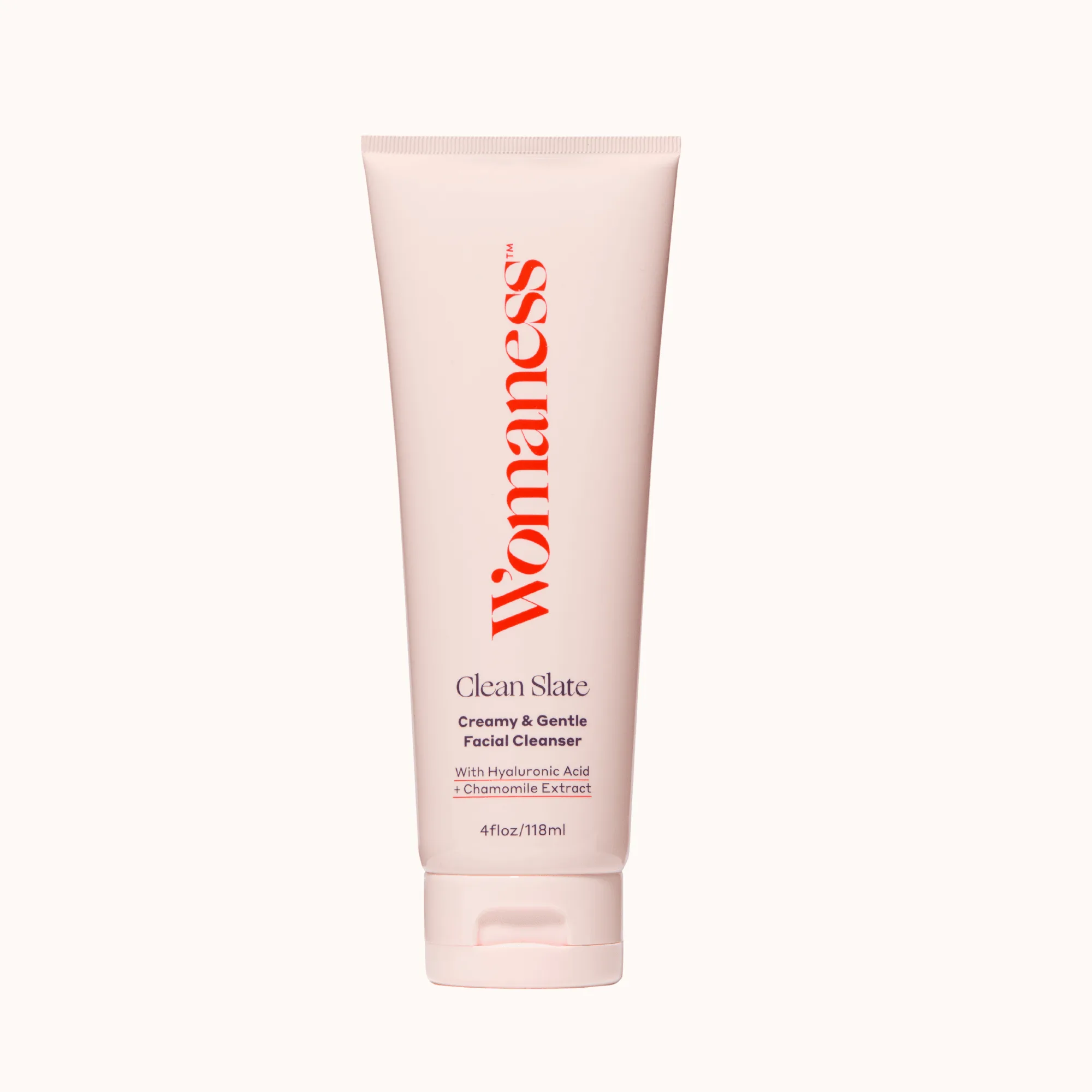
- Clean Slate: Creamy + Gentle Facial Cleanser While not a body product, a gentle cleanser like this can be used on sensitive areas to prevent irritation that might worsen pigmentation.
Dark spots on your body can be effectively managed with consistent sun protection and targeted skincare. Remember to be patient and observant. If you have any concerns, don't hesitate to consult a dermatologist for personalized advice.