Quick answer
Cut drying time, separate synthetics from natural fibers, and add a softening step such as fabric softener pods or wool dryer balls. Static is a charge that builds when fabrics rub together in a hot, dry drum, so the fix is less heat and more moisture, not a coating sheet. If your clothes still crackle after that, the dryer load is probably too large or too dry.
Why static cling happens in the first place
Static is not dirt or residue. It is an electrical charge that builds up when two surfaces rub together and one gives up electrons. In a dryer, synthetic fabrics such as polyester, nylon and spandex lose electrons easily, while cotton and wool tend to hold them. That imbalance is why a load of workout gear sparks more than a load of towels.
Heat and dryness make it worse. The hotter and drier the air inside the drum, the less moisture is available to bleed off that charge. Over-drying is the single most common trigger: clothes that tumble for an extra 20 minutes after they are already dry have nothing left to do but rub and build charge.
The corrective routine: separate, shorten, soften
Start by sorting by fabric weight, not just color. Wash and dry heavy cotton towels separately from light synthetic activewear. When a heavy towel tumbles against a thin polyester shirt, the shirt dries first and then keeps rubbing against the still-damp towel, which is a static generator.
Next, shorten the cycle. Set the dryer to a lower heat setting and pull clothes out while they are still very slightly damp, or use a moisture-sensing setting if your machine has one. If you air-dry synthetics on a rack, you eliminate most static before it starts.
Finally, add a softening step that works with the load. Fabric softener pods go into the wash, so they condition fibers before the dryer ever starts. Wool dryer balls go into the dryer and physically separate fabrics as they tumble, which reduces friction. You do not need both, but one of them replaces the sheet.
- Dry synthetics on low heat and remove them promptly.
- Do not overload the drum; fabrics need room to separate.
- If you use fabric softener pods, add them to the wash cycle, not the dryer.
- If you use wool dryer balls, use three to six for a normal load.
When the problem is the machine, not the method
If static persists after you have shortened the cycle and separated fabrics, check the dryer vent and lint filter. A clogged lint screen or a crushed vent hose traps humid air inside the drum, but it can also make the dryer run hotter and longer, which paradoxically dries fabrics past the point where static forms. Clean the lint filter before every load and inspect the outside vent flap once a season.
Also check the load size. A dryer packed more than about two-thirds full cannot tumble clothes freely, so they stay in contact and build charge. Splitting one large load into two smaller ones often solves static without changing anything else.
Where fabric softener pods fit, and where they do not
Fabric softener pods are a wash-cycle product. They release softening ingredients during the rinse, which leaves fibers smoother and less prone to friction in the dryer. That makes them a genuine anti-static laundry tip for people who want softness without a dryer sheet. They are not a dryer additive, so do not toss them into the drum.
For sensitive skin, an unscented detergent pod paired with a softener pod may be too much fragrance. In that case, use wool dryer balls alone and rely on cycle changes. The goal is to remove the cause of static, not to layer products until the symptom disappears.
Diagnose your static before you change products
- Symptom: only synthetic loads crackle: Polyester, nylon and spandex lose electrons easily, so they build charge faster than cotton. Dry synthetics separately on low heat and remove them while slightly damp.
- Symptom: everything is staticky, even cotton: Over-drying or an overloaded drum is the likely cause, not the fabric type. Shorten the cycle and split the load so clothes can tumble freely.
- Symptom: static returns within minutes of folding: Very dry indoor air, common in winter, lets charge rebuild on fabric surfaces. Use a wash-cycle softener pod or wool balls, and avoid drying until bone-dry.
- Stop point: still static after two corrected loads: If separation, shorter cycles and a softening step do not help, the dryer vent or moisture sensor may need service. Call a technician rather than adding more products to the load.
Products that support a static-free routine
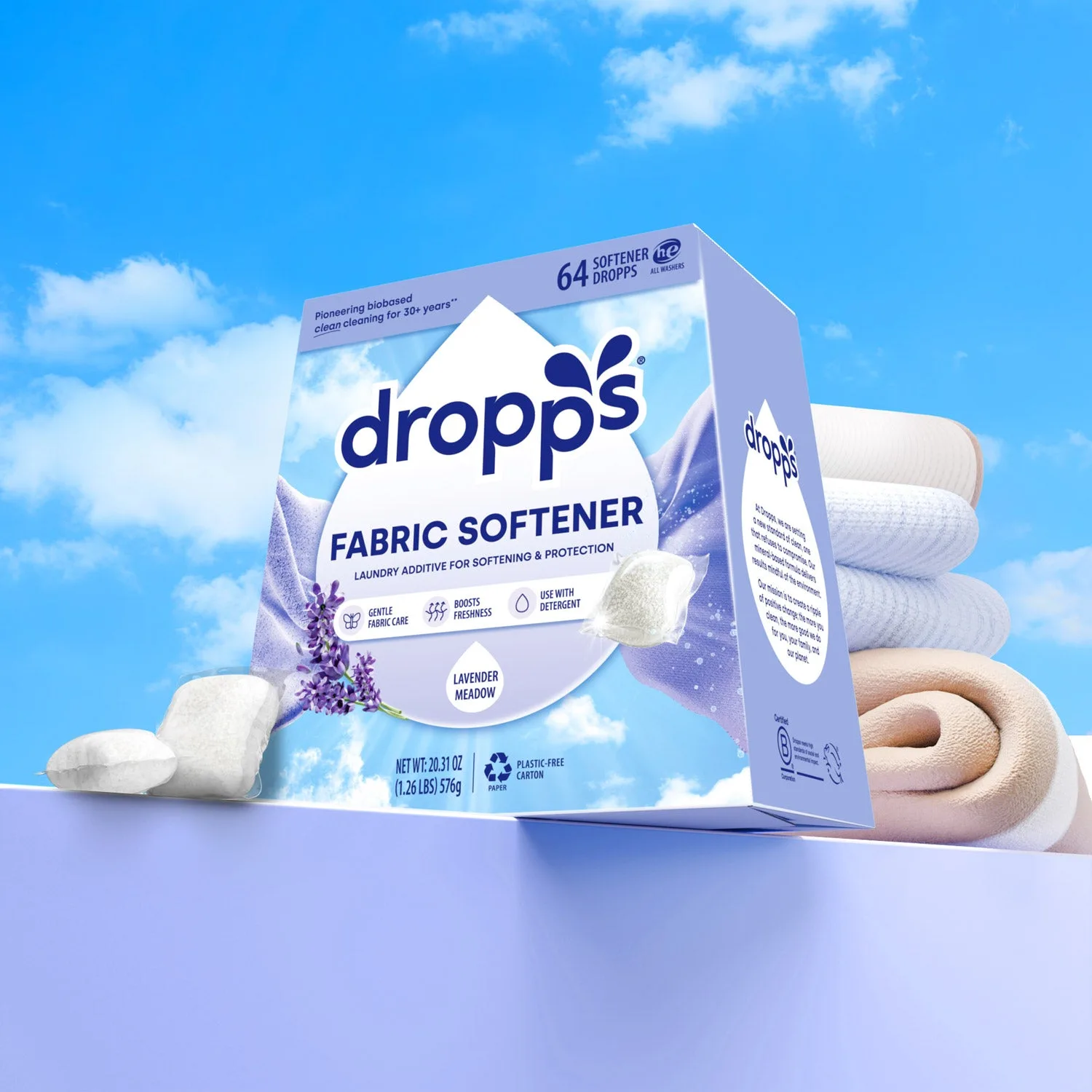
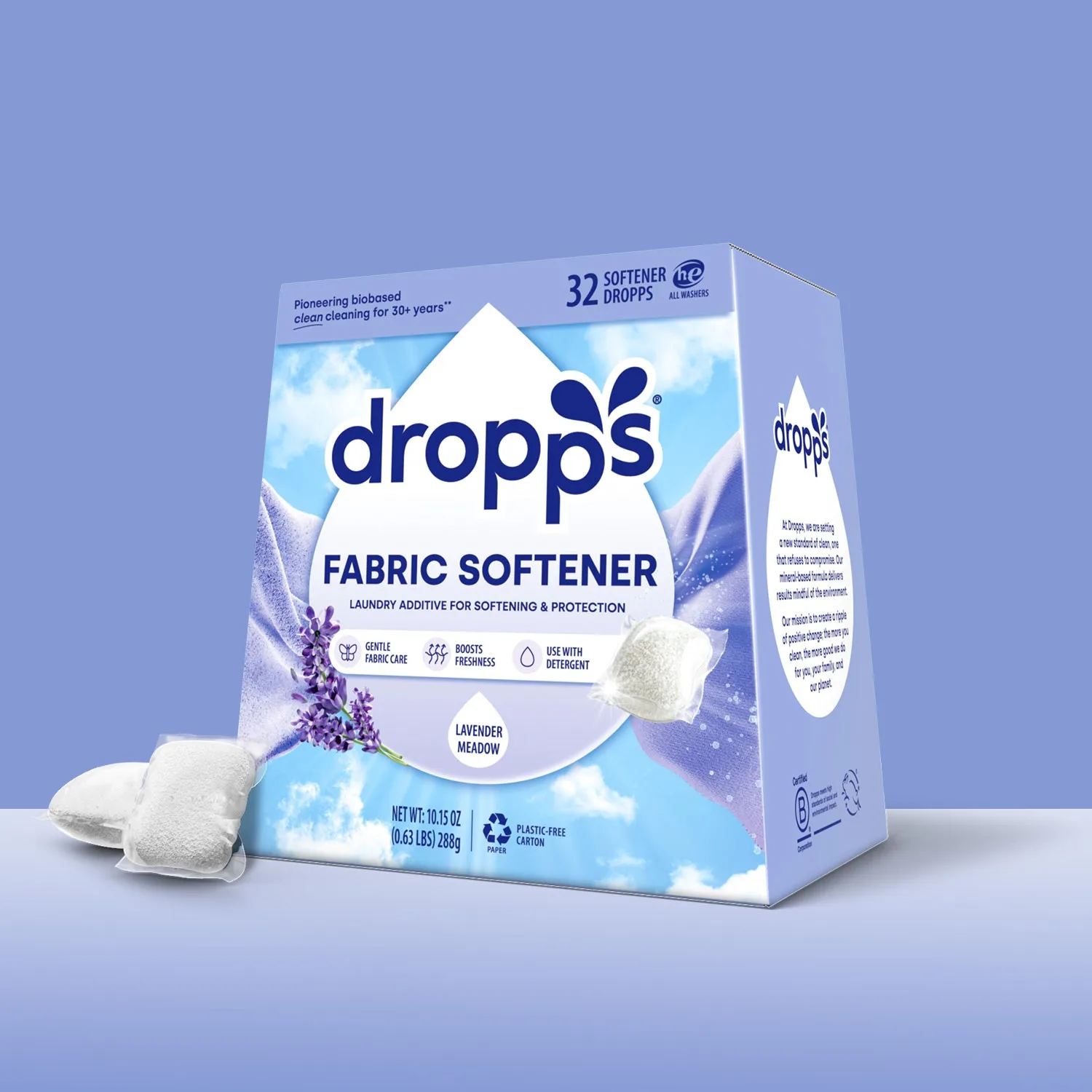
- Fabric Softener Pods, Lavender Meadow: Fabric Softener Pods, Lavender Meadow fluff clothes, towels, and performance wear with every wash. A wash-cycle softener reduces friction between fabrics before they reach the dryer, which is where static begins.
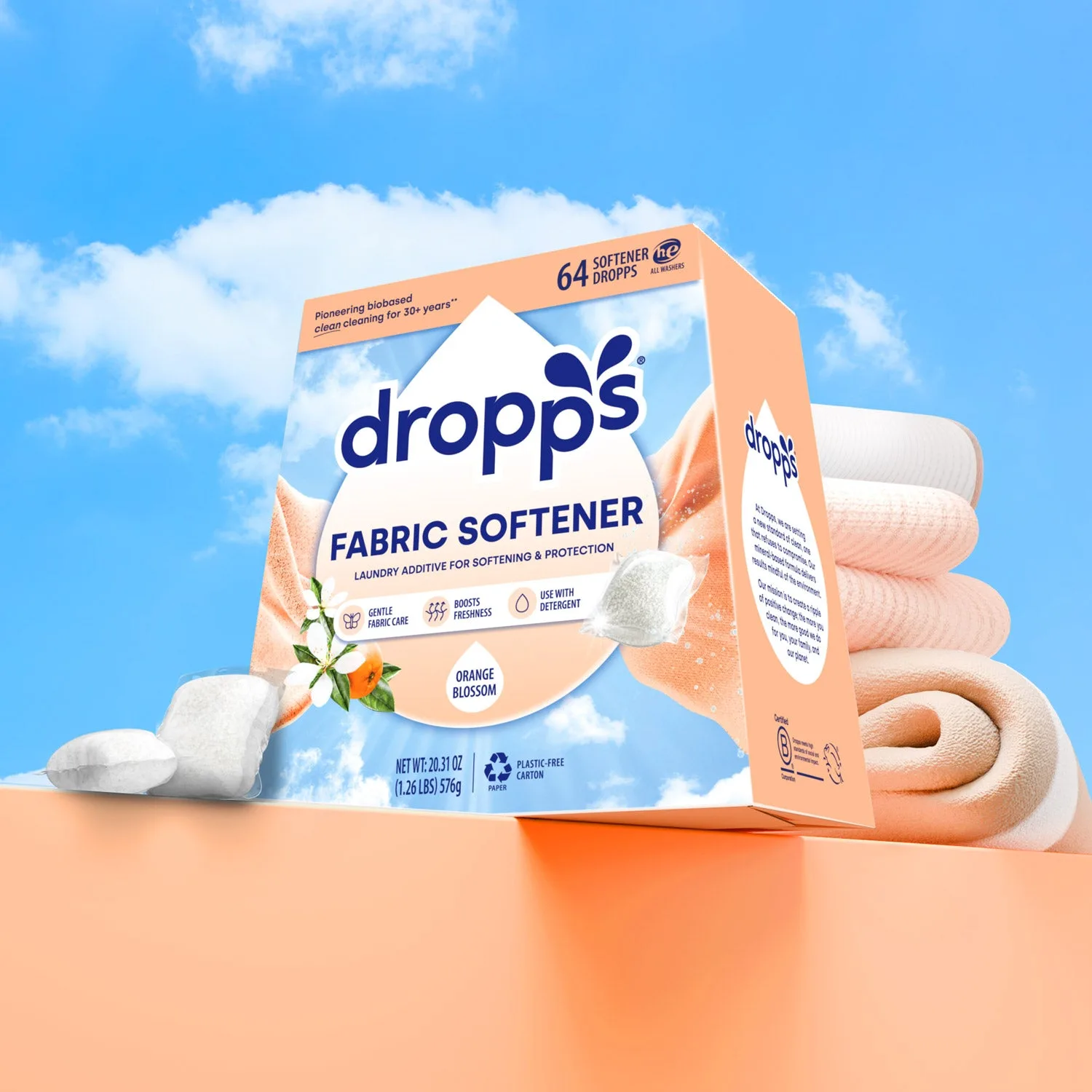
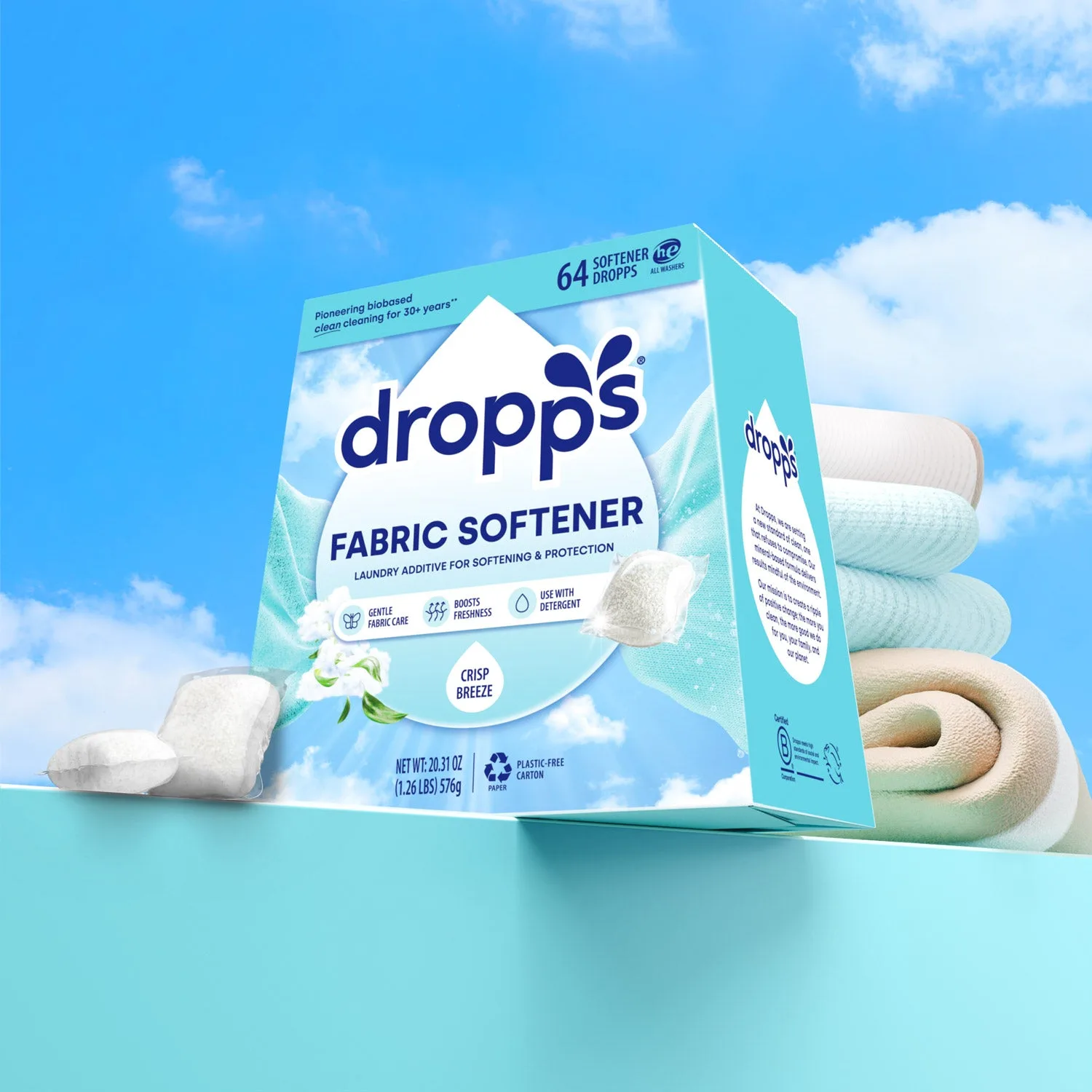
- Fabric Softener Pods, Crisp Breeze: Fabric Softener Pods, Crisp Breeze soften and fluff clothes, towels, and performance wear. If you prefer a lighter scent than lavender, this is the same softening action in a different fragrance.
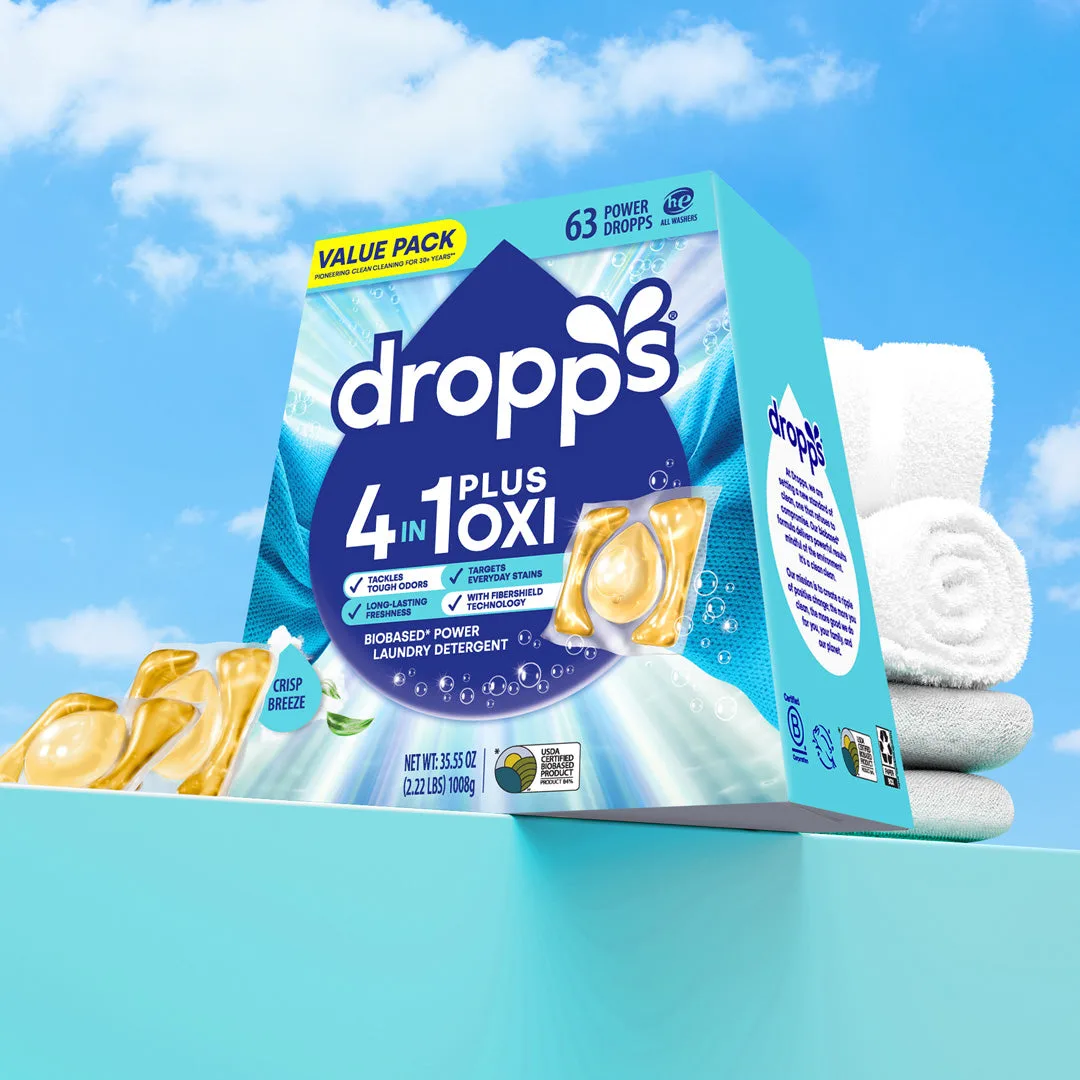
- Sensitive Skin Laundry Detergent Pods, Unscented: Sensitive Skin Laundry Detergent Pods, Unscented are clinically proven and dermatologist-tested for a powerful clean made for sensitive skin. Pairing an unscented detergent with dryer balls keeps the routine fragrance-free while still reducing static.