Quick Answer
To get started with Brass: Birmingham, focus on learning the turn structure and the importance of network building. Begin with the canal era, use the player aid, and play your first game with two or three players to grasp the core mechanics before diving into advanced strategies.
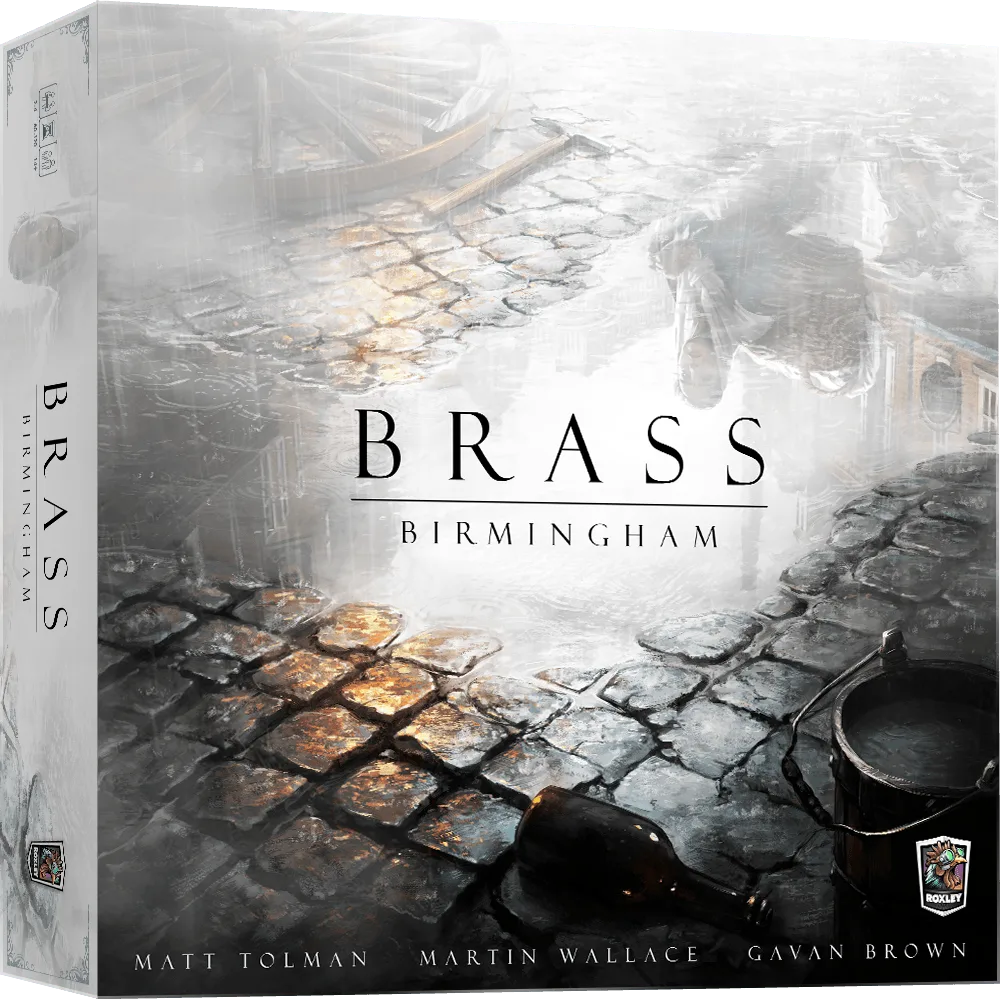
Brass: Birmingham
Brass: Birmingham is a deep economic strategy game set during the industrial revolution. If you're new to the game, the rules can seem daunting, but with a structured approach, you'll be building networks and scoring points in no time.
This guide walks you through the essential steps to get started, from understanding the objective to setting up your first game and making your first moves. We'll also highlight common pitfalls and offer tips to help you avoid them.
Understanding the Goal of Brass: Birmingham
The core objective in Brass: Birmingham is to build an economic engine by developing industries, connecting them via canals and railways, and selling goods. You score points at the end of each era (canal and rail) based on your built industries and connections.
Unlike many games, you don't accumulate points throughout the game; instead, you score at the end of each era. This means you need to plan strategically to maximize your development before the era ends. The player with the most points after the rail era wins.
- Focus on building industries that can be sold to generate income and points.
- Network connections are crucial for selling and scoring, so plan your routes carefully.
Setting Up Your First Game
Setup can be intimidating, but it's straightforward once you know the steps. First, place the game board in the center of the table. Each player chooses a color and takes the corresponding player mat, cubes, and discs. Shuffle the deck of cards and deal each player a starting hand of eight cards.
Place the iron, coal, and cotton markets on the board, and set up the income track. Each player starts with a certain amount of income and money. The rulebook includes a detailed setup diagram, so follow it closely. For your first game, consider using the recommended setup for two or three players to simplify the board state.
- Double-check that you've placed the correct number of canal and rail tokens on the board.
- Set up the player order track correctly; the starting player is determined by the rules.
Learning the Turn Structure
Each turn, you perform two actions. The available actions are: build (place an industry tile), network (build a canal or rail connection), develop (upgrade an industry), sell (sell cotton or goods), and loan (take a loan to get money). You must take two different actions or the same action twice if possible.
The key is to balance building industries with expanding your network. Building without network connections limits your ability to sell, and networking without industries wastes resources. As you play, you'll learn to sequence actions efficiently.
- Always keep an eye on your hand of cards; you'll discard cards to perform actions, and you need to manage your hand carefully.
- Don't forget to update your income track after certain actions, as your income changes throughout the game.
Playing Your First Game: Key Tips
For your first game, focus on building coal and iron industries early. These are essential for other players to use, and you can earn income from them. Also, try to build a network that connects to a market to sell goods.
Avoid taking loans unless necessary, as they reduce your income at the end of the era. Instead, plan your spending to stay within your budget. Remember that you can only build in locations that are connected to your existing network, so expand strategically.
- Use the canal era to establish a strong foundation; don't overextend your network.
- Pay attention to the cards you play; they determine which industries you can build.
Common Mistakes to Avoid
One common mistake is neglecting to sell goods. Selling not only gives you points but also frees up your industries for future builds. Another is building too many industries without network connections, leaving you unable to sell them.
Also, be careful with loans; while they provide quick cash, they decrease your income, which can hurt you in the long run. Finally, don't ignore the importance of the order of play; sometimes it's better to act later to react to other players' moves.
- Plan your actions to ensure you can sell at least one good per era.
- Keep track of your income; if it's low, consider building industries that generate income.
Step-by-Step Setup for Your First Game
- Set Up the Board: Place the board in the center. Each player selects a color and takes their player mat, cubes, and discs. Set up the iron, coal, and cotton markets according to the rulebook. Checkpoint: Ensure all market tiles are placed correctly and the income track is set to the starting values.
- Deal Cards and Determine Starting Player: Shuffle the deck and deal eight cards to each player. Determine the starting player and give them the starting player marker. Place the remaining cards as a draw pile. Checkpoint: Make sure every player has exactly eight cards and understands their hand.
- Place Starting Tokens: Each player places their starting cubes on the income track and their discs on the victory point track. Also, place your starting industry tiles on your player mat as indicated. Checkpoint: Verify that all players have placed their tokens correctly and that the income and VP tracks are accurate.
- Review the Player Aid: Before starting, each player should review the player aid to understand the available actions and the turn structure. This will reduce confusion during play. Checkpoint: Take a few minutes to discuss any questions about the rules before beginning.
- Start the Canal Era: The starting player takes their first turn. Remember to perform two actions per turn, and continue clockwise until the draw pile is empty and all players have had an equal number of turns. Checkpoint: After a few turns, pause to ensure everyone understands the flow and is tracking their income correctly.
Product Facts
- Brass: Birmingham: A finely brewed sequel to the original, featuring new industries, new mechanics, and new strategies for you to discover. Deluxe Edition, containing the Iron Clays, and all Kickstarter stretch goals. The Deluxe Edition includes Iron Clays, which are high-quality chips that enhance the tactile experience and make handling money easier, especially for beginners who might otherwise struggle with paper money.

Iron Clays
- Brass: Lancashire: Deluxe Edition of Martin Wallace's original masterpiece with new art, new high quality components, improved 2 & 3 player rules, and player mats. If you're new to the Brass series, Lancashire offers a slightly more streamlined experience with improved rules for smaller player counts, making it a good starting point before tackling Birmingham.
Brass: Birmingham is a rewarding game that reveals its depth over multiple plays. By following this beginner's guide, you'll be well on your way to mastering the industrial revolution. Remember to learn from each game and enjoy the journey!