Start with your veterinarian, not the tablet
Trazodone can help dogs with anxiety-related conditions such as thunderstorm or fireworks phobias and activity restrictions after surgery, and it is often used as an additional medication for behavioral problems that do not respond to just one medication. The supplied product information does not include dosing amounts or timing, so the first step is always your veterinarian's instructions for your pet's strength and schedule.
Once you have that plan, the practical question becomes how to give the tablet without turning a stressful moment into a struggle. The steps below focus on routine, food, and safety checks that support the prescribed plan.
What the trazodone label confirms
-
Trazodone Tablets: Trazodone is an oral tablet available in 50mg, 100mg, and 150mg strengths, in counts of 1, 30, or 60 tablets. Your veterinarian chooses the strength and quantity; knowing the options helps you confirm the prescription matches what you receive.
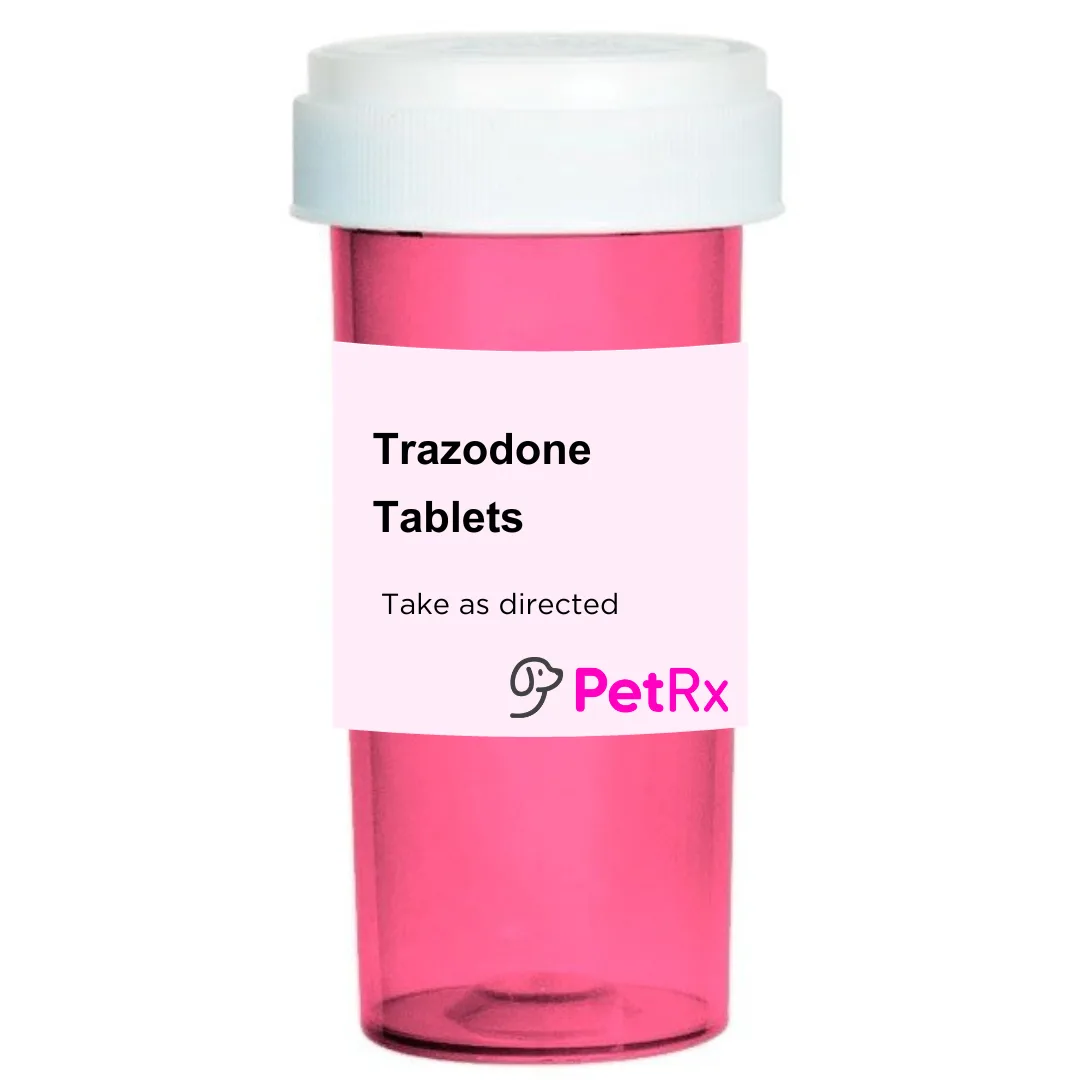
Trazodone Tablets
-
Trazodone Tablets: The label says to consult with your veterinarian for proper dosage and course of treatment. There is no universal dose in the supplied information, so timing and amount must come from your vet.
-
Trazodone Tablets: Trazodone is often used as an additional medication for behavioral problems that do not adequately respond to just one medication. If your pet is already on another anti-anxiety medication, tell your vet so the combination is intentional.
-
Trazodone Tablets: Store in a closed container between temperatures of 68° - 77°F. Keeping the tablets in their closed container at room temperature protects the medication between doses.
A calm, repeatable routine for giving the tablet
The goal is to make the tablet part of a low-stress pattern your pet already knows. The supplied information does not specify whether trazodone should be given with food, so ask your veterinarian whether to pair it with a meal or treat.
- Confirm the prescription details before you open the bottle: Check the strength and count against your vet's instructions. The catalog lists 50mg, 100mg, and 150mg tablets in 1, 30, or 60 counts, so a quick look prevents giving the wrong tablet.
- Pick a consistent time and place: Choose a quiet spot and a time that fits your vet's timing advice. A predictable routine reduces the chance your pet associates the tablet with a chase or a struggle.
- Use a food pocket only if your vet approves: Hiding trazodone in food can work for some pets, but the supplied label does not confirm food interactions or whether the tablet should be given with food. Ask your vet first, then use a small amount of a food your pet reliably eats.
- Offer the tablet calmly and watch it go down: Place the tablet in the food pocket or give it as directed, then watch to confirm your pet swallowed it rather than hiding or dropping it. Do not repeat a dose unless your veterinarian tells you to.
- Log the dose and any behavior changes: Note the time and what you observed. The label lists common side effects including sleepiness, lack of energy, loss of coordination, diarrhea, vomiting, or gagging, and behavior changes such as agitation or aggression. A simple log helps your vet adjust the plan.
Hiding trazodone in food: what to check first
Hiding a tablet in food is a common practical trick, but the supplied trazodone information does not include food instructions or a list of foods to avoid. Before you try it, ask your veterinarian whether food is appropriate for your pet's dose and whether any dietary restrictions apply.
If your vet approves, use a small, familiar food your pet eats quickly and completely, and watch to confirm the tablet is swallowed. Avoid burying the tablet in a large meal where it might be left behind. If your pet is a working or service dog, the label warns they may become overly sedated and unable to perform their duties while on this drug, so plan food and timing around their responsibilities.
Trazodone before a vet visit or storm: timing comes from your vet
Owners often ask how early to give trazodone before a vet visit or a predicted thunderstorm. The supplied product information does not provide a timing window, so there is no safe universal answer to copy. Your veterinarian can tell you when to give the tablet relative to the event based on your pet's health and prescribed dose.
What you can do is prepare: confirm the appointment or weather window, have the correct strength and count ready, and keep the tablet in its closed container at 68° - 77°F. If the plan involves more than one medication, remind your vet of everything your pet receives, including vitamins, supplements, or herbal therapies, because the label notes that other drugs can interact with this medication.
Safety checks that belong in every routine
These points come directly from the supplied label and matter as much as the mechanics of giving the tablet.
- Do not use with MAO inhibitors: The label states trazodone should not be used on pets receiving MAO inhibitors. Tell your veterinarian about all drugs, flea or tick collars, or dips your animal has had or worn in the last two weeks.
- Use with caution in certain health conditions: The label says this drug should be used with caution in patients with kidney or liver problems, severe heart disease, and in pregnant or nursing pets. Your vet needs this history before prescribing.
- Watch for common side effects: Sleepiness, lack of energy, loss of coordination, diarrhea, vomiting, or gagging are listed as common. Contact your veterinarian if you believe your pet is experiencing side effects.
- Watch for behavior changes: Agitation, aggression, or other behavior changes are listed and should be reported to your vet rather than managed by adjusting the dose yourself.
- Keep the bottle away from children and other animals: The human warnings on the label say to keep the product away from children and other animals, and to store it in a closed container at 68° - 77°F.
When the tablet routine is not enough
Trazodone is often used as an additional medication for behavioral problems that do not adequately respond to just one medication. If your pet's anxiety around storms, fireworks, or vet visits continues despite a consistent routine, that is information for your veterinarian, not a reason to change the dose on your own. Bring your dose log and behavior notes to the next conversation so the plan can be adjusted with evidence.