Quick answer
A dog bath brush turns a rushed scrub into a spa-like grooming session. Use a rubber or silicone brush with gentle circular motions to work in shampoo, lift loose fur, and massage your dog's skin—all while keeping the mess contained.
Why a dedicated bath brush beats your hands
Your hands can't remove loose undercoat or distribute shampoo evenly through a thick coat. A rubber dog grooming brush reaches deep without scratching, and the massage action calms anxious dogs. The soft bristles also trap shed hair so it goes down the drain instead of floating onto your bathroom floor.
Choosing the right brush for your dog's coat
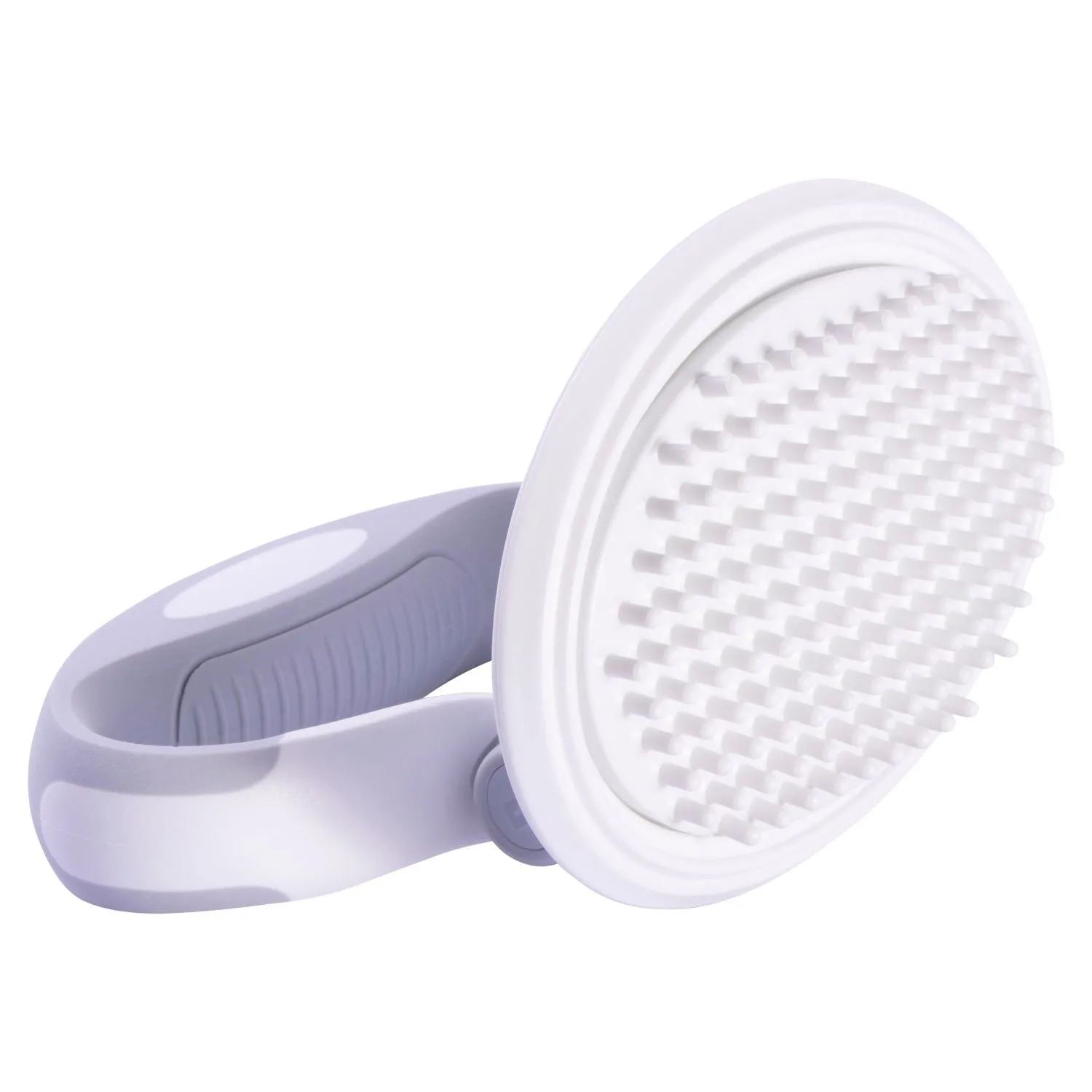
Short-haired dogs and cats do well with a small silicone brush like the Swivel Travel Silicone Massage Grooming Cat Brush—its short, soft bristles are gentle on sensitive skin. For medium to long coats, a rubber brush with wider-spaced nubs lifts more loose fur. If you want to combine washing and brushing, a shampoo-dispensing model lets you pour liquid soap into the handle and release it at the press of a button.
Step-by-step spa bath with a dog bath brush
- Brush your dog before the bath: Use a dry rubber grooming brush to remove loose fur and tangles before any water touches the coat. This prevents wet hair from matting and clumping in the drain. A quick pre-bath brush cuts bath time by several minutes and reduces shedding afterward.
- Wet the coat thoroughly: Use lukewarm water and soak the entire coat down to the skin. Avoid the head and ears until the final rinse. A wet coat lets the brush glide without pulling. If water beads up instead of soaking in, your dog may have a heavy undercoat—use a sprayer or pitcher to part the fur and wet the skin directly.
- Apply shampoo with the brush: Squeeze a quarter-sized amount of dog shampoo onto the brush (or into the built-in chamber if using a dispensing brush). Work it into the coat with firm, circular strokes, starting at the neck and moving toward the tail. The rubber nubs lift dirt and dead hair while massaging the skin. Common mistake: applying shampoo directly to the coat and then brushing can create a lather that's too thin to clean effectively. Always load the brush first.
- Rinse and brush again: Rinse thoroughly with clean water while continuing to brush. The bristles help push soap residue out of the undercoat. Keep brushing until the water runs clear and no suds remain. Leftover shampoo causes skin irritation. A good rule: rinse for twice as long as you think you need.
- Dry and final brush: Towel-dry your dog, then use the brush again on the damp coat to remove any remaining loose fur. This also distributes natural oils and leaves the coat shiny. Avoid using the brush on a completely dry coat after the bath—the bristles can snag on wet tangles. Wait until the fur is just damp.
Products that help
-
Dog Bath Brush,Pet Bath Comb Brush Soothing Massage Rubber Comb: This dog brush keeps your dog fresh and your home tidier, week after week. It is built for repeat, everyday use. A durable everyday brush means you can stick with a regular grooming habit without the brush wearing out or irritating your dog's skin.
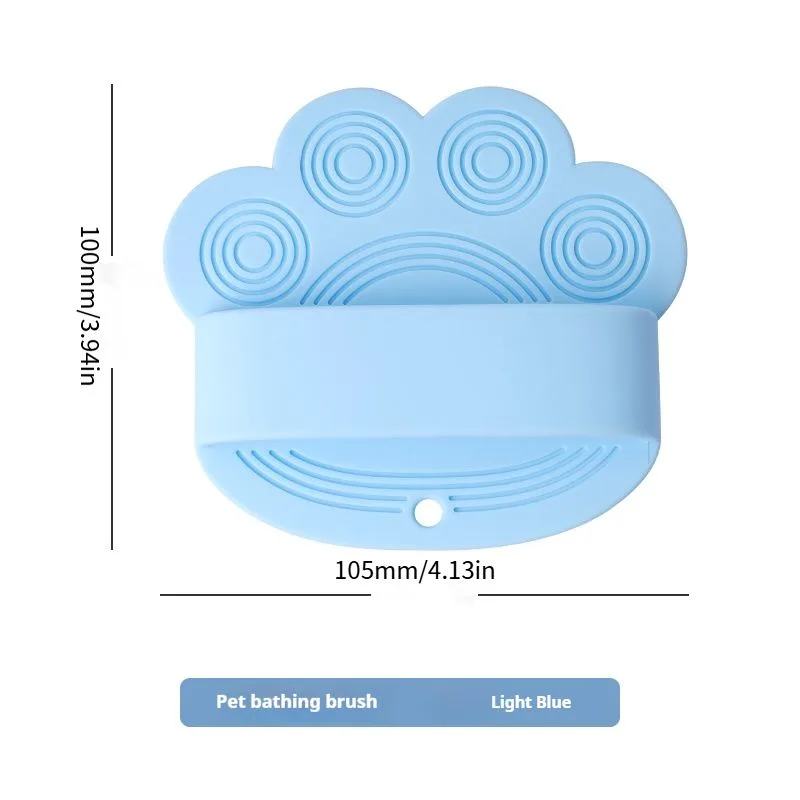
Dog Bath Brush,Pet Bath Comb Brush Soothing Massage Rubber Comb
-
Shampoo Dispensing Massage and Bathing Brush: Dispenses liquid shampoo or conditioner at the press of the top while brushing and massaging their coats. No more fumbling for a separate bottle mid-bath—one tool handles lathering and scrubbing, which is especially handy for squirmy dogs.
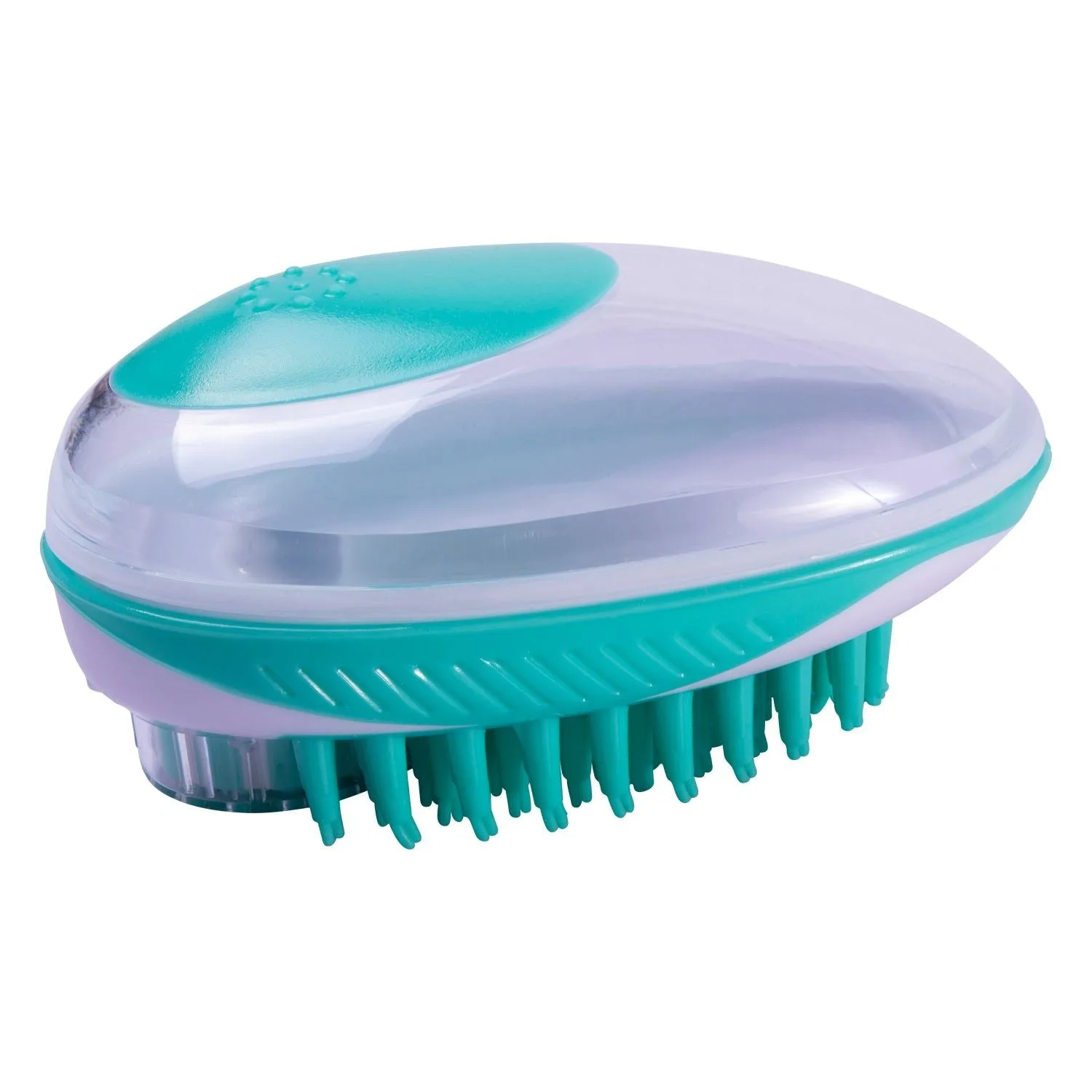
Shampoo Dispensing Massage and Bathing Brush
-
Swivel Travel Silicone Massage Grooming Cat Brush: Features a squeeze-to-adjust rotating hinge that locks into place, making it compact for travel. Designed for cats, kittens, and short-haired dogs. If your dog is small or has a short coat, this brush gives you two grip options (palm and knuckle) for better control during a bath.