Quick Answer
If you have sensitive eyes, choose daily disposable colored contacts with high water content and avoid overnight wear. Always use fresh solution, never top off, and remove lenses at the first sign of persistent irritation. If symptoms continue, stop wearing them and consult an eye care professional.
If your eyes water, burn, or feel gritty every time you pop in a pair of colored contacts, you are not alone. Many people with sensitive eyes assume they have to give up on colored lenses altogether, but that is rarely the case. With the right approach, you can enjoy the look you want without constant irritation.
The key is to understand what triggers your sensitivity. It could be the lens material, the cleaning solution, or even how long you wear them. This guide walks you through practical steps to handle contact lenses with sensitive eyes, from selecting suitable products to knowing when to stop and seek professional advice.
Why Do Contact Lenses Irritate Sensitive Eyes?
Sensitive eyes react to things that disrupt the delicate surface of your eye. Common culprits include lens deposits, low water content, or a material that does not allow enough oxygen to reach your cornea. Some people are also sensitive to preservatives in contact lens solutions, which can cause stinging or redness.
Another factor is how long you wear your lenses. Even the most comfortable lenses can become irritating after many hours, especially if your eyes naturally produce less moisture. Recognizing these triggers is the first step to finding a routine that works for you.
- Keep track of when symptoms occur: after insertion, after a few hours, or later in the day.
- Note which solution you use and whether symptoms improve with a preservative-free brand.
- Check if symptoms happen more when you are in dry or air-conditioned environments.
Choose Daily Disposables for Fewer Problems
One of the simplest ways to reduce irritation is to switch to daily disposable lenses. Because you wear a fresh pair every day, there is less time for protein and lipid deposits to build up on the lens surface. These deposits are a major trigger for sensitivity, so eliminating them can make a big difference.
Daily disposables also mean you use fresh solution less often, which reduces your exposure to preservatives. Many people with sensitive eyes find that daily lenses feel noticeably more comfortable by the end of the day compared to monthly or bi-weekly options.
- Look for lenses with high water content, as they help keep your eyes moist throughout the day.
- If you have different powers in each eye, remember that you will need to order separate boxes for each prescription.
How to Insert and Remove Lenses with Minimal Friction
Handling contact lenses with sensitive eyes starts before the lens ever touches your eye. Always wash your hands with a fragrance-free soap and dry them with a lint-free towel. Any residue from lotions or soaps can transfer to the lens and cause immediate stinging.
Before insertion, rinse the lens with fresh solution (never water) to remove any debris. When inserting, pull your lower eyelid down and look upward; place the lens gently on the eye, then blink slowly to settle it. Avoid rubbing your eyes, as this can scratch the surface and worsen sensitivity.
Removal should be just as gentle. Make sure your hands are clean and dry, then use your index finger and thumb to pinch the lens off your eye. If the lens feels stuck, do not pull; add a few drops of rewetting solution and blink until the lens moves freely.
- Use a rewetting drop that is compatible with contact lenses, not regular eye drops.
- Never use tap water or saliva to wet or clean your lenses.
- Replace your lens case every three months to prevent bacterial buildup.
Daily Care Habits That Reduce Sensitivity
Your habits outside of wearing time matter just as much. Always use fresh contact lens solution to clean and store your lenses. Never top off the solution in your case; this leaves behind old proteins and bacteria that can irritate your eyes.
If you wear monthly lenses, clean them thoroughly after each use by rubbing them with solution, even if the label says 'no rub.' This helps remove deposits that can cause discomfort. Also, give your eyes a break by wearing glasses at least one day a week, especially if you use digital screens for long hours.
Stay hydrated and consider using a humidifier in dry rooms. Blink regularly, especially when staring at screens, to keep your eyes moist. These small adjustments can significantly improve how your eyes tolerate contacts.
- Replace your lens case every three months.
- Never sleep in your contacts unless your eye care professional says it is safe.
- Follow the replacement schedule: daily lenses are single-use only.
When to Stop and Seek Professional Help
Even with the best practices, some people find that colored contacts simply do not agree with their eyes. If you experience persistent redness, pain, light sensitivity, or blurred vision, remove your lenses immediately and do not reinsert them until you have seen an eye care professional.
These symptoms could indicate a corneal abrasion, infection, or an allergy to the lens material. Continuing to wear lenses in these conditions can lead to serious complications. Your eye doctor can help you determine whether colored contacts are a safe option for you and, if so, recommend a specific material or brand that is more compatible.
Remember that your eye health is more important than any aesthetic benefit. If you have tried multiple strategies and still experience discomfort, it may be time to explore other options, such as prescription glasses or non-prescription colored lenses that you wear occasionally for special events.
- Do not ignore persistent symptoms; early intervention prevents serious issues.
- Keep a record of your symptoms and what you were doing when they occurred to share with your doctor.
- If you wear colored contacts for cosplay or events, consider limiting wear time to a few hours.
Your Sensitivity Diagnosis and Action Plan
- Symptom: Burning, stinging, or excessive tearing shortly after inserting lenses. Likely cause: solution sensitivity or debris on the lens. Try a preservative-free solution and ensure hands are thoroughly rinsed.
- Likely Cause: Lens material or deposit buildup from extended wear. Switch to daily disposables or a lens with higher water content. If symptoms persist, consult your eye doctor.
- Corrective Action: Remove lenses, rinse with sterile saline, and give your eyes a break. Use rewetting drops and check if symptoms subside. If symptoms resolve, resume wearing with a fresh pair. If not, stop and seek professional advice.
- Stop or Choose Another Option: Persistent pain, redness, or blurry vision after removing lenses. Stop wearing contacts immediately and see an eye care professional. Consider prescription glasses or occasional wear only.
Colored Contacts Worth Trying for Sensitive Eyes
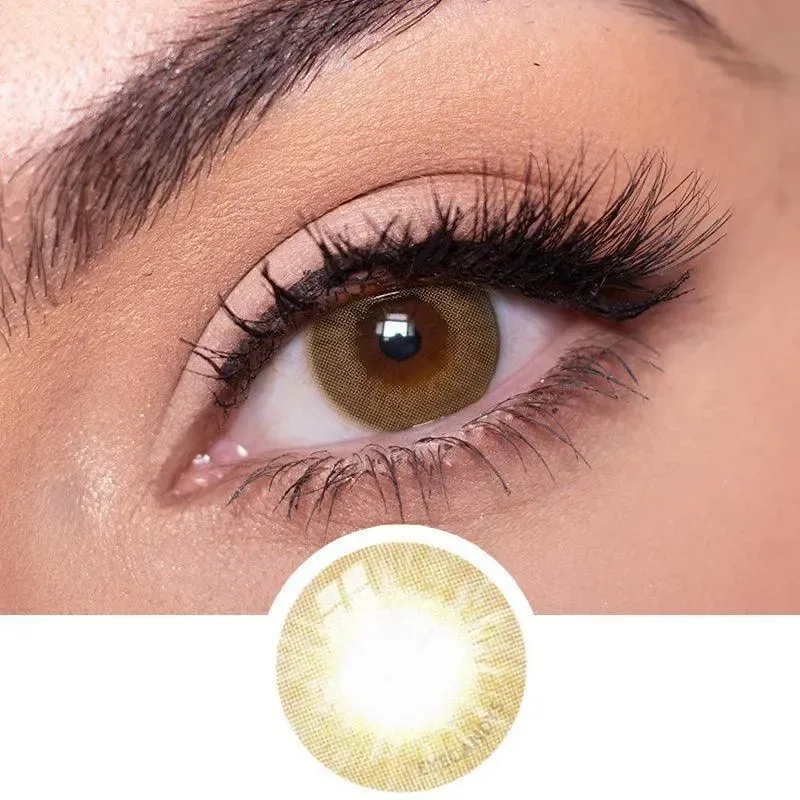
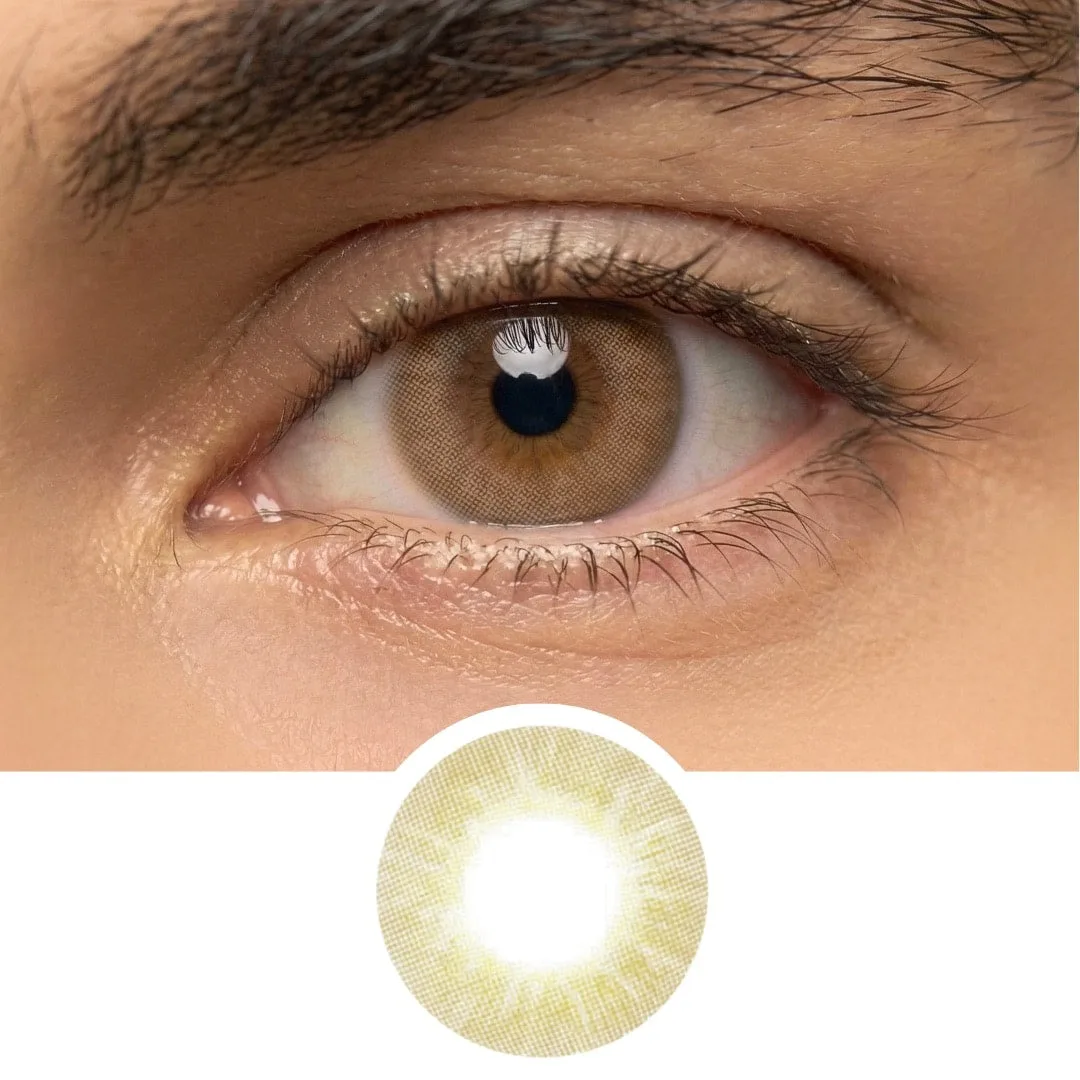
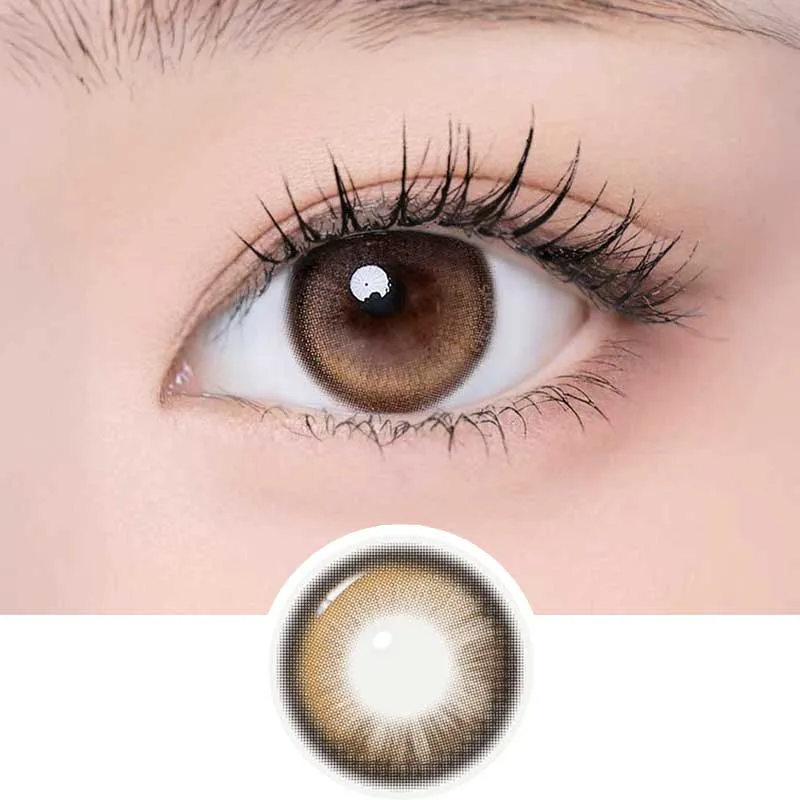
- https://eyecandysus.com/products/eyecandys-libre-brown-for-men-ff36c65fea3ae03d2c79347c-667852EyeCandys Libre Brown: EyeCandys Libre in Brown is a warm, rich brown colored contact lens designed to deepen and enrich your natural eye color with three layers of dimension. Whether you're enhancing dark brown eyes or adding warmth to lighter ones, this is your 'my eyes but better' lens. If you want a subtle enhancement without heavy pigmentation, this lens provides a natural look that may feel less intrusive on sensitive eyes.
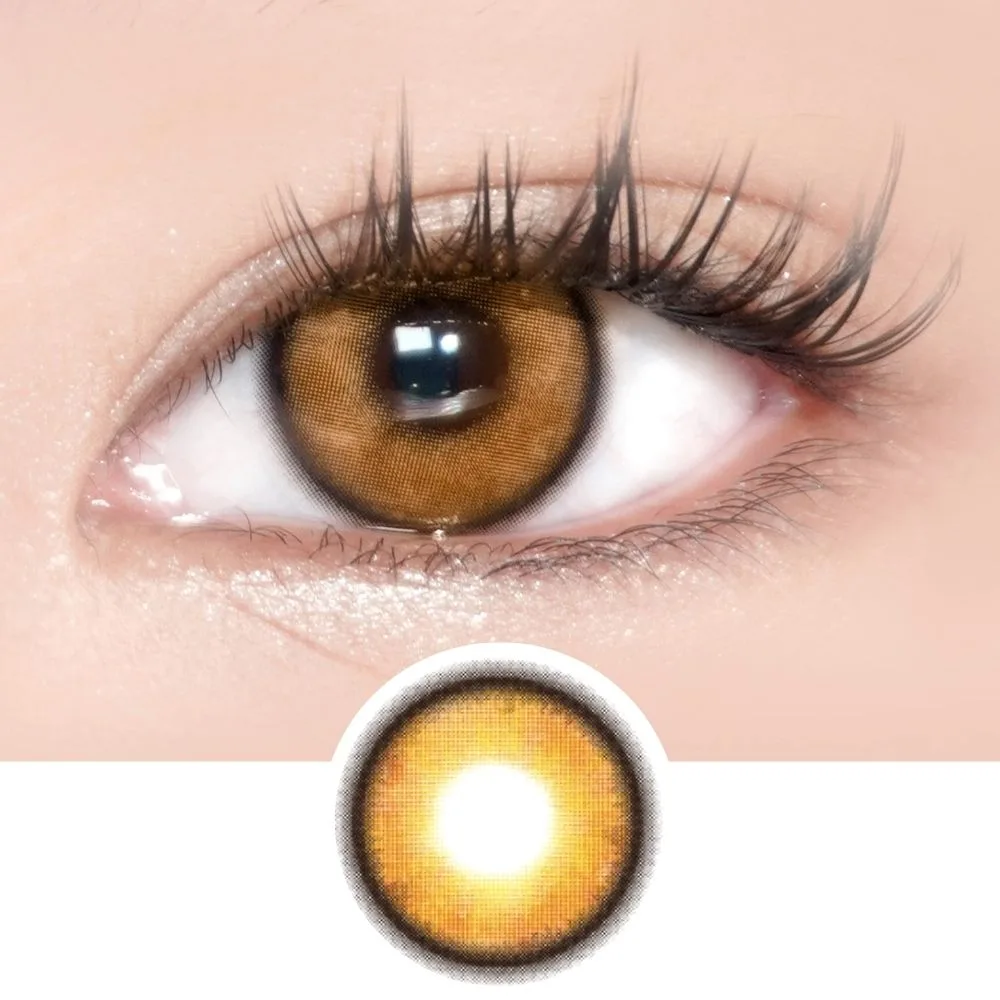
- EyeCandys Powerglow Brown: EyeCandys Powerglow Brown is a vivid, electrifying orange-brown lens designed for standout transformations. Made specifically for cosplayers and anyone craving a dramatically intense look, these ultra-pigmented lenses flawlessly mask even the darkest eyes. For a bold, high-impact look, this lens delivers intense color. However, its heavy pigmentation may not be ideal for daily wear if you have sensitive eyes; reserve it for short events.
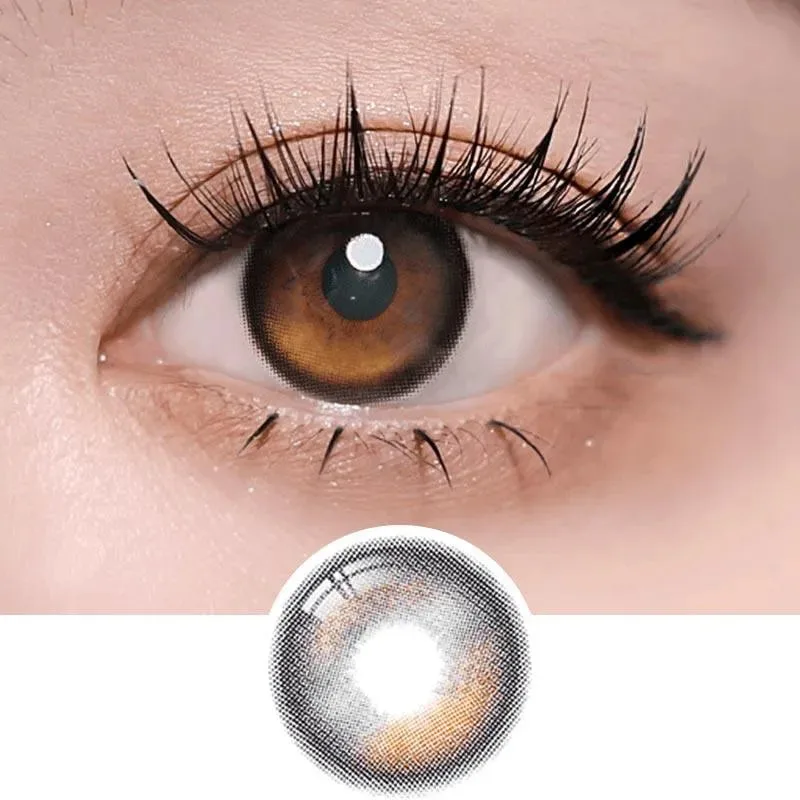
- i-Sha Oriana Edge Plus 1-Day Shade Grey (10pk): i-Sha Oriana Edge Plus 1-Day Shade Grey Prescription Colored Contacts offer a bold look with slightly larger sized lenses designed to make your eyes pop day or night. As a daily disposable, this option reduces deposit buildup, which can be beneficial for sensitive eyes. The slightly larger diameter might also enhance the look without compromising comfort.
Handling contact lenses with sensitive eyes is all about being proactive. Choose daily disposables, maintain a strict cleaning routine, and listen to your eyes. If discomfort becomes a pattern, do not push through it—consult an eye care professional to find a solution that lets you enjoy colored contacts safely and comfortably.