Quick Answer
To host a pretend picnic, gather a few play food sets, a blanket, and simple props, then follow a simple routine that lets kids lead the play. Start with setting the scene, then let them prepare and serve the food.
Why Pretend Picnics Work for Toddlers
Pretend picnics are a classic toddler pretend play activity because they combine familiar routines with open-ended imagination. Kids get to practice social skills like sharing and taking turns, and they can act out the whole picnic experience from packing to cleaning up.
Using wooden play food adds a satisfying, durable feel that plastic toys often lack. Wooden pieces are easy for small hands to grip, and they hold up to outdoor play, making them a great choice for both indoor and outdoor picnic play.
Choosing the Right Play Food Sets
The best play food sets for a pretend picnic are those that offer variety and encourage sorting and role-play. A set with different food groups lets kids practice making balanced choices, while a set with fridge items can expand the picnic to include breakfast or snack time.
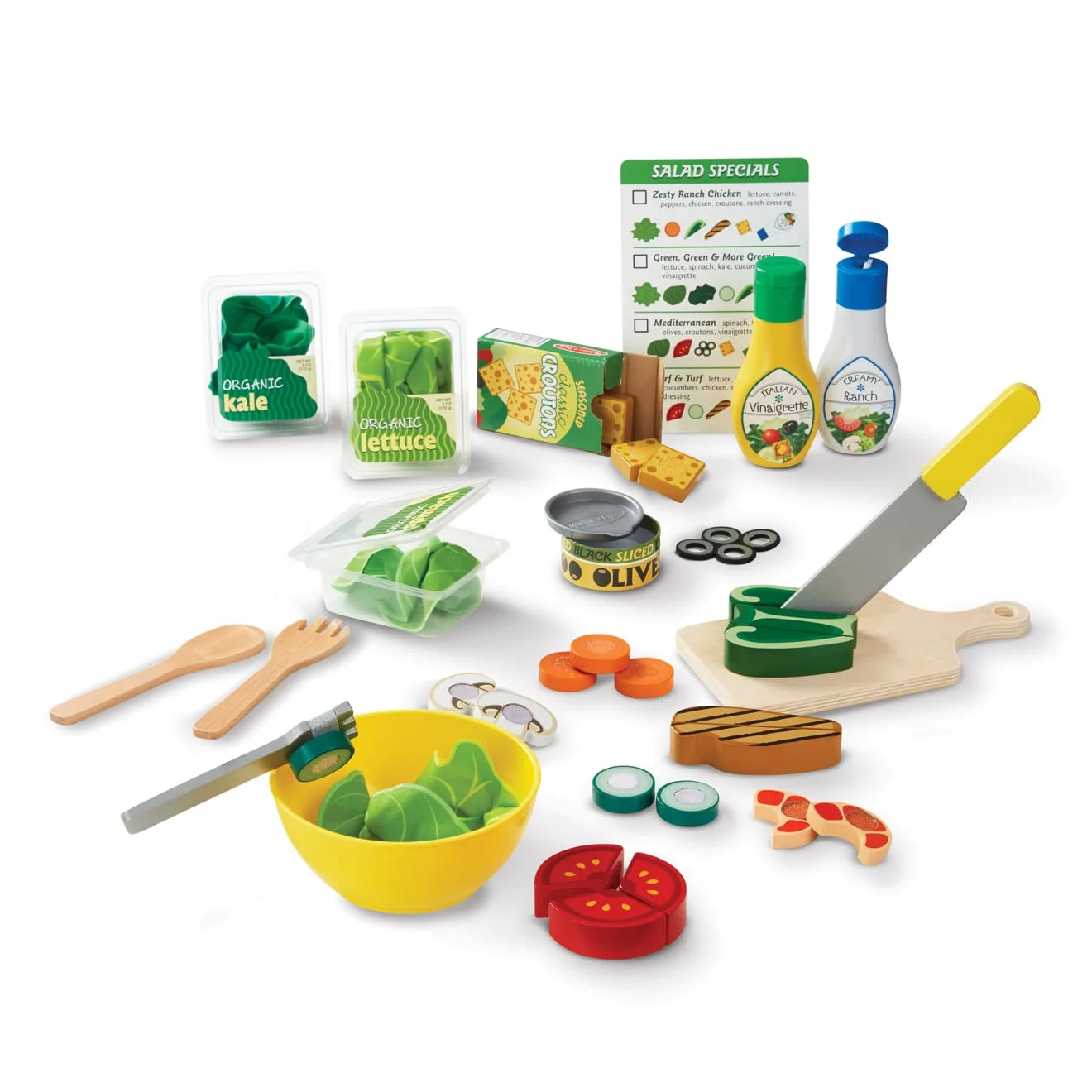
For a more involved activity, a salad set with sliceable pieces adds a fun prep step that mimics real cooking. This is perfect for older toddlers who enjoy pretending to chop and toss ingredients.
How to Set Up a Pretend Picnic: Step-by-Step
- Choose a Picnic Spot: Pick a safe, flat area indoors or outdoors. Lay down a blanket or towel to define the picnic space. Make sure there are no hazards like sharp objects or direct sun if outside. Check the ground for ants or debris before starting.
- Gather Your Play Food and Props: Collect play food sets, a basket or container, plates, cups, and napkins. Let your child help choose which items to bring. This builds excitement and gives them a sense of control. Avoid too many pieces—a manageable number keeps the play focused.
- Set Up the Picnic Scene: Arrange the blanket, place the play food on plates or in the basket, and set out the props. Encourage your child to arrange the food the way they like. This is their picnic, so let them lead. Don't over-arrange; leave room for your child's creativity.
- Role-Play the Picnic: Sit down and pretend to eat, serve, and chat. Ask open-ended questions like 'What are we having?' or 'Can I have some watermelon?' This extends the play and builds language skills. Follow your child's lead—if they want to pack up and move, go with it.
- Clean Up Together: Make cleanup part of the game. Sing a clean-up song or race to put pieces back in the tray or basket. This teaches responsibility and keeps the play area tidy. Use the wooden tray from the produce set to make sorting easy and fun.
Play Food Picks for Your Picnic
-
Wooden Food Groups Play Set – Produce: The Wooden Food Groups Play Set – Produce includes a banana, tomato, watermelon, onion, and broccoli, stored in a sturdy wooden tray. This set is great for teaching food groups and sorting while providing a colorful variety for the picnic basket.
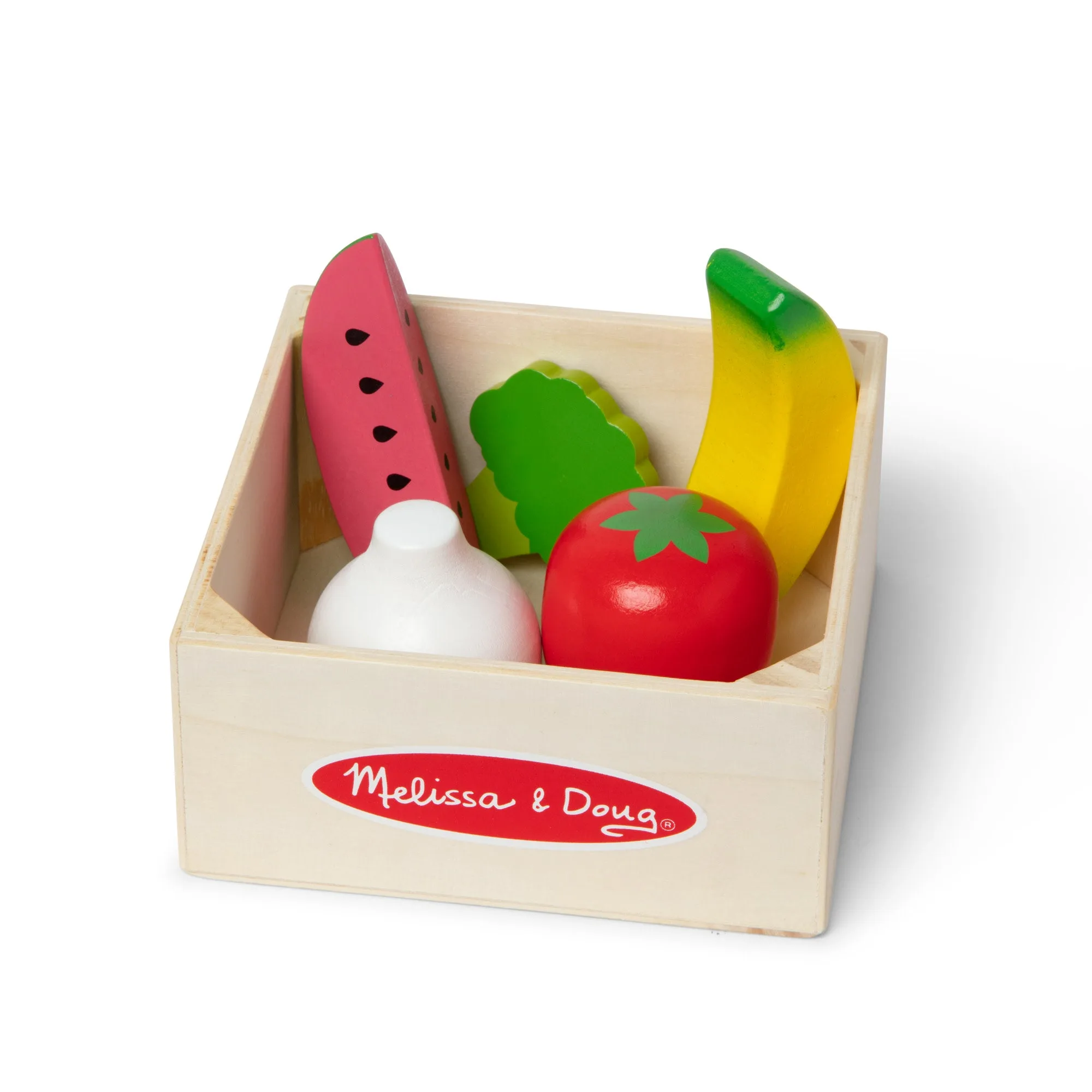
Wooden Food Groups Play Set – Produce
-
Wooden Fridge Food: The Wooden Fridge Food set includes nine pieces like milk, cheese, and orange juice, perfect for pretend fridge and freezer play. It expands the picnic menu to include dairy and breakfast items, encouraging more diverse role-play scenarios.
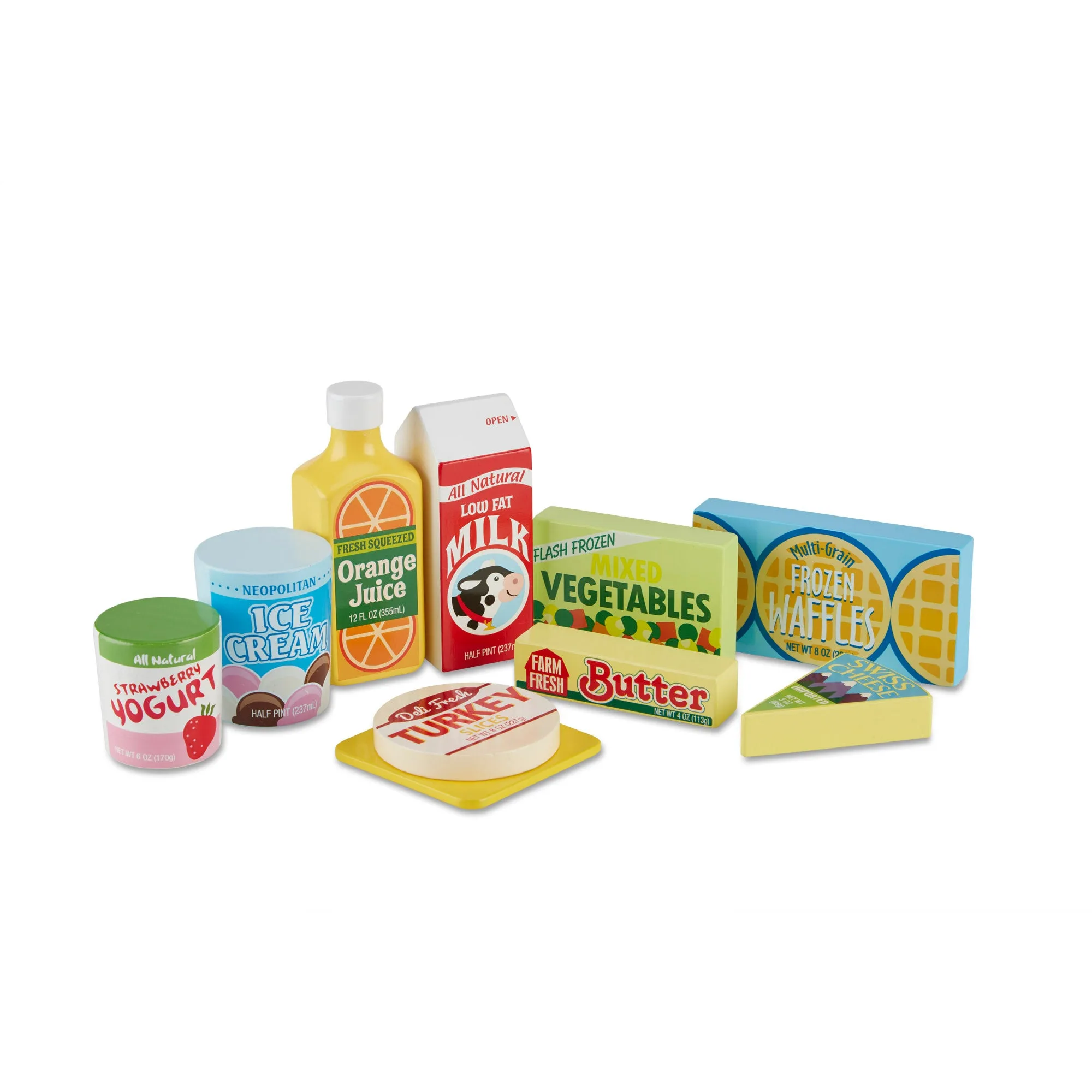
Wooden Fridge Food
-
Slice & Toss Salad Set: The Slice & Toss Salad Set comes with 52 pieces including felt greens, sliceable veggies, proteins, and dressing bottles that squirt string. This set adds a hands-on prep step that mimics real salad-making, making it ideal for older toddlers who love to 'cook'.
Now that you know the steps, you can host a pretend picnic anytime—indoors or out. For more ideas, explore other play food sets that match your child's interests.