Quick answer
To host a memorable board game night, plan ahead by setting a date, inviting the right mix of people, and preparing a variety of games that match your group's size and experience. Keep the atmosphere relaxed with snacks, clear rules explanations, and a flexible schedule that allows for breaks and socializing.
Hosting a board game night is a fantastic way to bring friends together for laughter, strategy, and a little friendly competition. But without a bit of planning, even the best games can fall flat. Whether you're a seasoned host or a first-timer, these board game party tips will help you create an evening everyone will talk about long after the last card is played.
From choosing the right games to managing the flow of the night, a successful game night is about more than just the games themselves. It's about creating an environment where everyone feels comfortable, engaged, and eager to play again. Let's dive into how to organize a game night that balances fun, inclusivity, and smooth logistics.
Plan Your Guest List and Date
Start by deciding who to invite. For a board game night, you want a group that mixes well and is open to playing together. Consider the number of players: some games shine with 3-4 players, while others are designed for larger groups of 6-8. Aim for a guest list that matches the games you plan to play, or be ready to adapt.
Once you have your guest list, choose a date and send out invitations well in advance. Weekends often work best, but a weeknight can be fine if you keep the session short. Ask guests to RSVP so you can plan seating and snacks. A common mistake is over-inviting, which can lead to a chaotic game selection. Remember, a smaller group often leads to a more cohesive and enjoyable experience.
- Check for any dietary restrictions when planning snacks.
- Have a backup date in case several guests cancel.
Select the Right Games
Choosing games is the heart of the night. Consider the group's experience level: are they casual players or board game enthusiasts? For a mixed group, start with a light, easy-to-learn game as an icebreaker, then move to something more strategic. Also, ensure the number of players matches the game's requirements to avoid frustration.
A common mistake is picking a game that's too complex for the group, leading to a slow, confusing experience. If you're unsure, have a few options ready. For a quick laugh with adults, Suddenly Drunk's Box of Bad Ideas adds a hilarious twist to any turn-based game, but it's strictly for ages 21+. For a family-friendly option that's easy to grasp, Aura is a great gateway game that works for 2-4 players and is enjoyable for ages 8 and up.
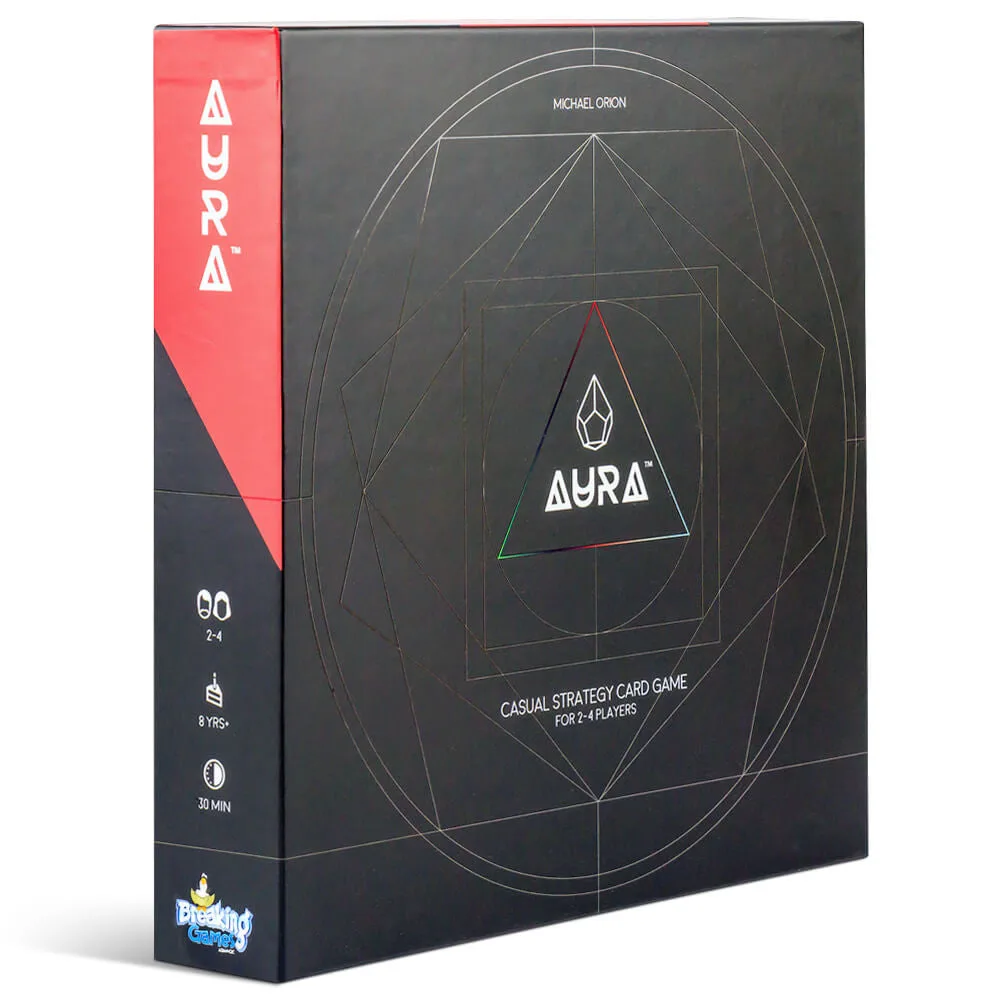
Aura
- Read the rules beforehand so you can explain them clearly.
- Have a mix of game lengths: a 20-minute filler and a 60-minute main event.
Set the Scene for Comfort and Focus
Your space should be comfortable and free from distractions. Arrange seating so everyone can see the game board and each other. Ensure good lighting, and have a sturdy table that fits the game components. If you're playing a longer game, consider having a separate area for snacks to avoid spills on the game.
A common mistake is having the TV on or other distractions that pull attention away from the game. Create a focused environment by turning off screens and putting phones away. This helps everyone stay engaged and makes the game night feel more special. Also, have enough chairs and a clear space for players to move around.
- Use a tablecloth that's easy to wipe clean if you're playing with drinks nearby.
- Have extra table space for players to hold their cards and tokens.
Serve Snacks and Refreshments Wisely
Snacks are a crucial part of any game night, but they need to be chosen with care. Avoid greasy, sticky, or crumbly foods that can damage cards and boards. Instead, opt for finger foods like pretzels, popcorn, veggie sticks, and bite-sized sandwiches. Provide napkins and small plates to keep hands clean.
A common mistake is allowing drinks without lids near the game area. Spills can ruin a game, so designate a drinks spot away from the table or encourage spill-proof cups. If you're hosting an adult game night, you might include beverages that match the theme, but always encourage moderation. For a fun twist, Suddenly Drunk: Booster Pack can expand your Suddenly Drunk collection, but remember to keep the focus on the games, not the alcohol.

Suddenly Drunk: Booster Pack
- Offer a variety of snacks to cater to different tastes.
- Have a break mid-way for guests to refill drinks and use the restroom.
Explain Rules Clearly and Keep the Energy Up
Nothing kills a game night faster than confusing rules. As the host, take time to learn the rules of each game you plan to play. When explaining, keep it concise and focus on the objective and key mechanics. Offer a quick demo round if possible, and be patient with questions. A common mistake is assuming everyone understands the rules after a brief explanation.
Maintain a lively atmosphere by being enthusiastic and encouraging. If a game is dragging, don't be afraid to switch things up. For example, if you're playing a game that requires 3-8 players and you have a larger group, consider a party game like Mansplaining, which is for 2+ players and adds humor to the mix. Keep the energy high by celebrating good moves and laughing off mistakes.
- Assign a rules expert for each game, not just the host.
- Take a 5-minute break between games to reset and socialize.
Step-by-Step Guide to a Successful Game Night
- Set a date and guest list: Choose a date that works for your core group and send invitations. Aim for 4-6 players for most games, but adjust based on the games you own. Checkpoint: Confirm RSVPs a few days before to plan seating and snacks.
- Pick a game lineup: Select 2-3 games that vary in length and complexity. Start with a simpler game to warm up, then move to a main event. Ensure each game fits the number of players. Checkpoint: Read the rules for each game beforehand and be ready to explain them.
- Prepare your space: Set up a clean table with enough chairs, good lighting, and minimal distractions. Designate a snack area away from the game surface. Checkpoint: Do a quick test run to ensure there's enough room for everyone and the game components.
- Plan snacks and drinks: Choose low-mess finger foods and provide napkins. Use spill-proof cups or keep drinks on a separate table to protect the games. Checkpoint: Have a break scheduled for guests to refill and stretch.
- Explain rules and start playing: Give a clear, concise rules explanation. Offer a demo round if needed. Keep the mood light and encourage questions. Checkpoint: If a game isn't working, don't force it—switch to another one.
Games to Consider for Your Game Night
- Aura: Number of Players: 2-4, Age Group: 8+, Time to Play: 20-40 Minutes. The perfect gateway into the world of modern card games. Easy to learn, difficult to master! Enjoyed by casual and hardcore gamers alike. Aura is an excellent choice for mixed groups because it's quick to learn and appeals to a wide age range, making it a safe bet for breaking the ice.
- Suddenly Drunk's Box of Bad Ideas: Number of Players: 3-8, Age Group: 21+, Time to Play: Varies. Transforms Any Turn-Based Board Game or Card Game Into A Drinking Game! Contains 111 cards. If your group is all adults and enjoys a more raucous time, this expansion can add a hilarious layer to any game you already own, but it's not suitable for younger players or those who prefer non-alcoholic fun.
Hosting a board game night is about creating a welcoming space where friends can connect and have fun. With careful planning, the right games, and a relaxed attitude, you'll host an evening that becomes a cherished tradition. So gather your friends, shuffle the cards, and let the good times roll!