Quick Answer
To host a conversation card game night, pick a deck suited to your group, set a relaxed atmosphere, establish simple rules, and keep the energy flowing with optional twists. Start with an icebreaker question to get everyone talking, then rotate turns or let the conversation lead naturally.
Hosting a game night with conversation cards is a fantastic way to bring people together. Unlike competitive board games, these cards focus on sharing stories, opinions, and laughter. Whether it's a family dinner, a friends' get-together, or a date night, conversation cards create a relaxed vibe where everyone gets to speak and listen.
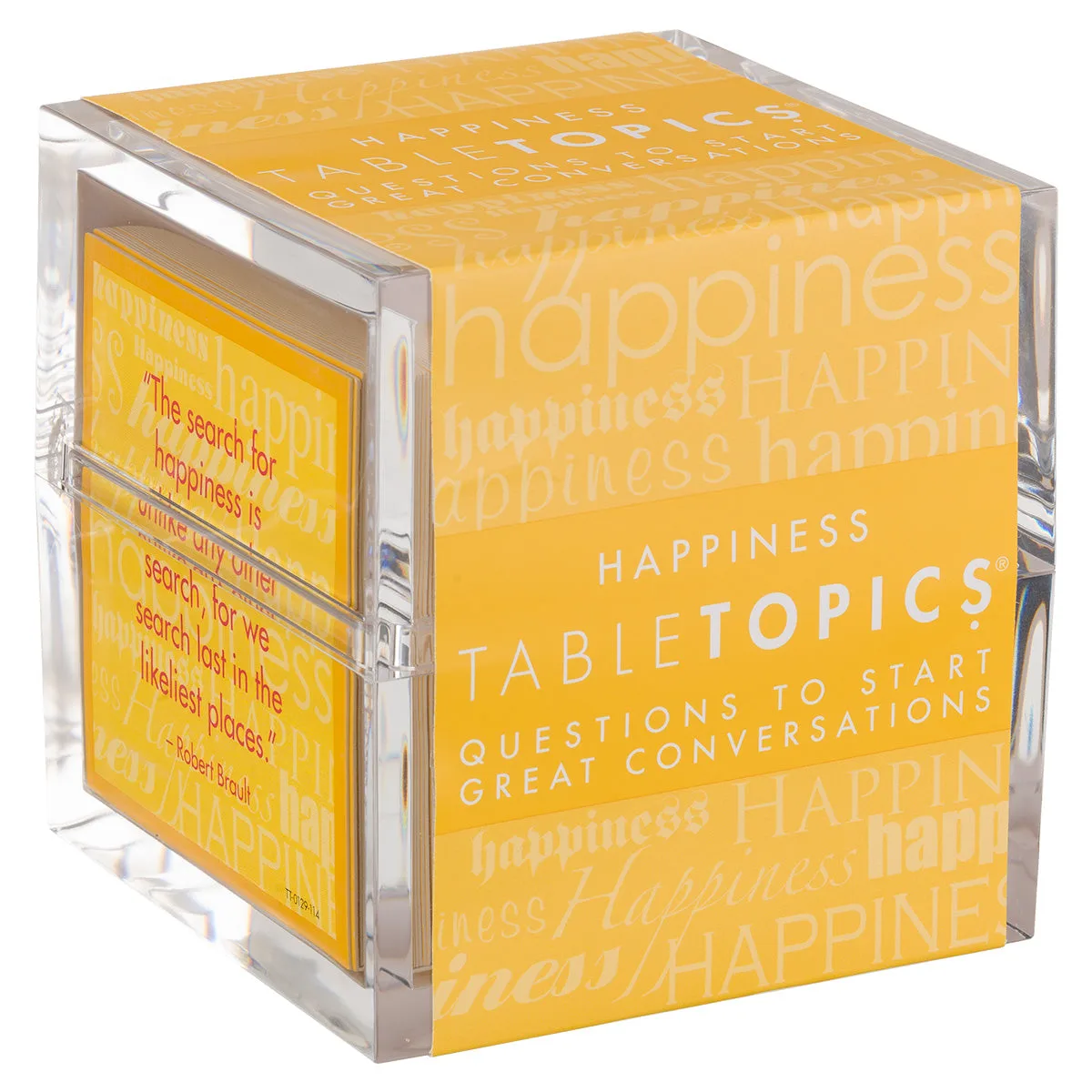
In this guide, we'll walk you through every step—from choosing the right deck to handling the flow of the game. You'll also discover some great options like the Happiness Conversation Cards and the Pillow Talk To Go Conversation Cards, and learn how to tailor the experience for different groups.
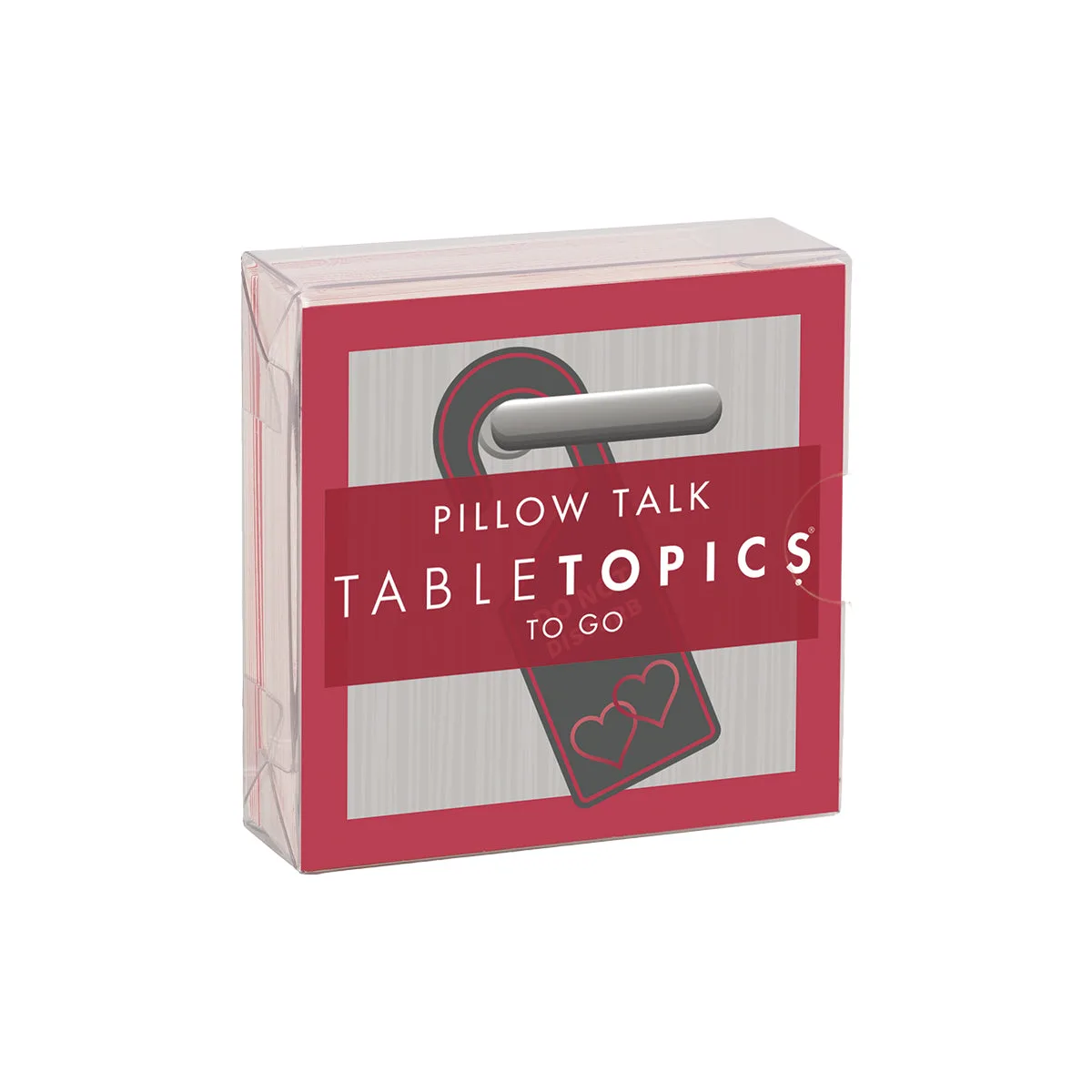
Pillow Talk To Go Conversation Cards
Choose the Right Deck for Your Crowd
The first step to a successful conversation card game night is picking a deck that matches your audience. Consider the age range, relationship dynamics, and the vibe you want to create. For close friends or adults who enjoy deeper topics, the Happiness Conversation Cards are a great fit. They feature questions like 'What’s the happiest song ever written?' and include factual tidbits and tips to enrich the conversation.
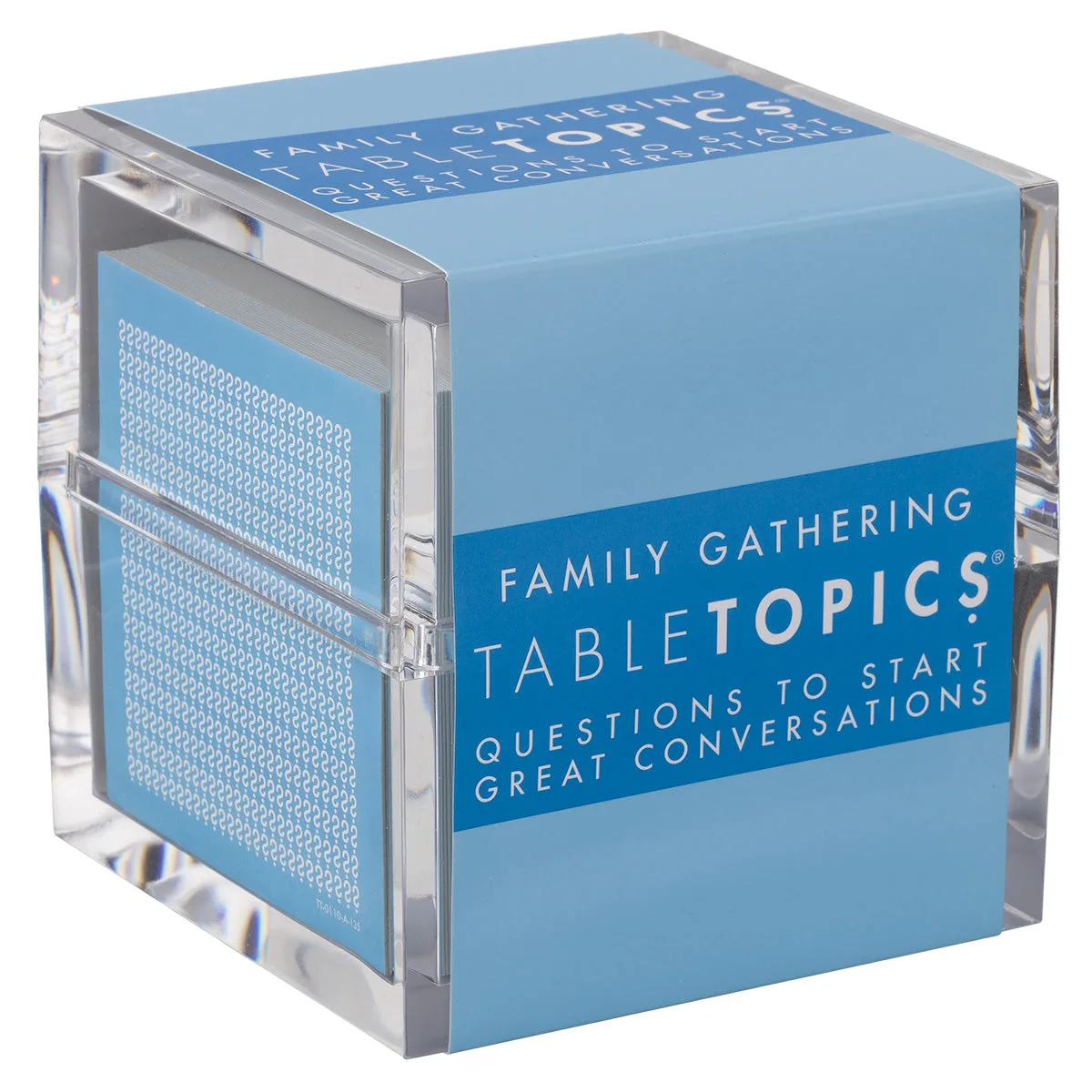
If you're hosting a family gathering with multiple generations, the Family Gathering Conversation Cards are designed to bridge the generation gap with questions about childhood memories and family traditions. For a light-hearted evening with coworkers or acquaintances, Best Things Ever Conversation Cards focus on preferences and fun facts, making them easy to answer for anyone.
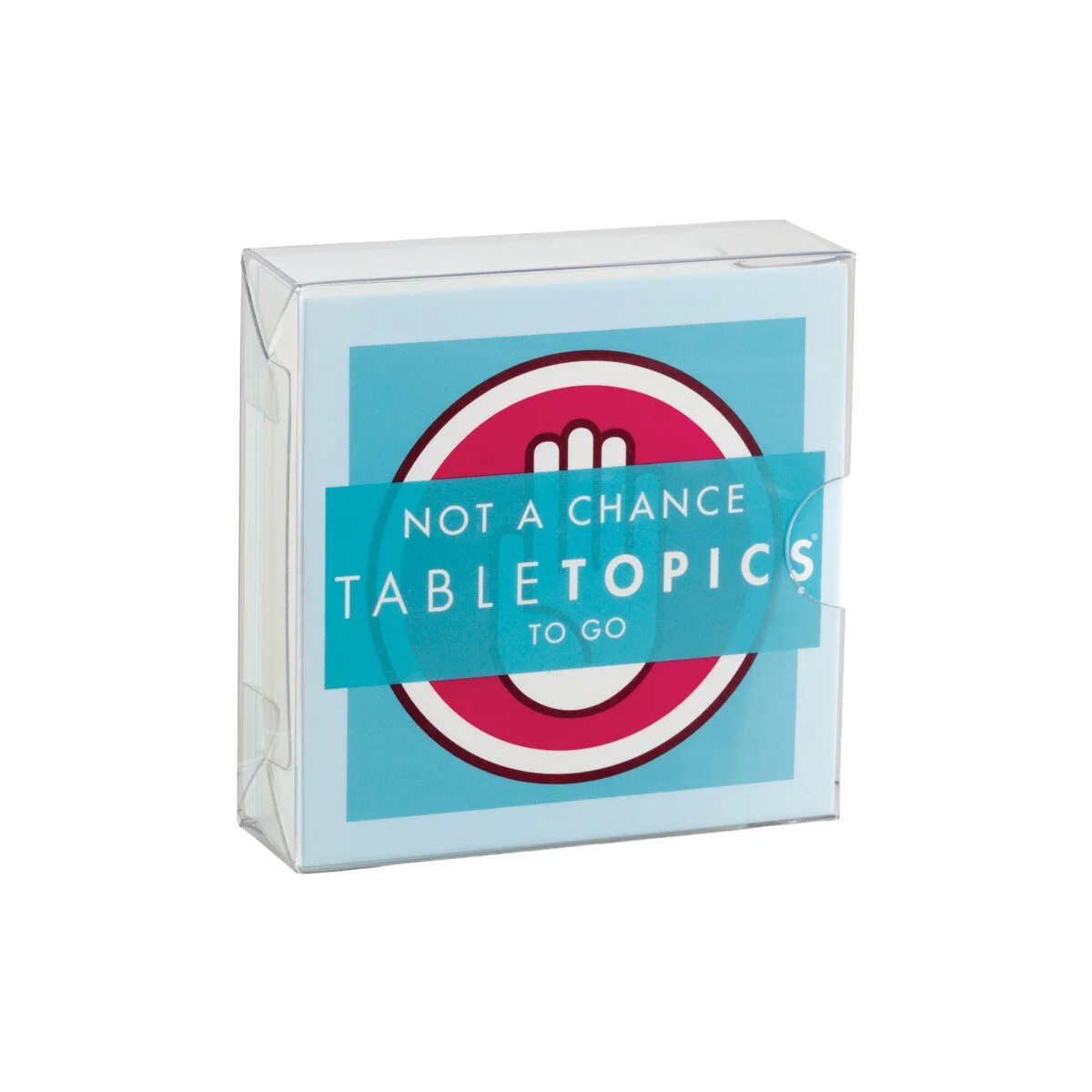
Don't forget about the setting. For an intimate dinner for two, the Pillow Talk To Go Conversation Cards are compact and perfect for couples, with questions that spark romance. If you're planning a party where guests might come and go, consider the To Go sets like Not A Chance To Go Conversation Cards, which are small enough to fit in a pocket and great for breaking the ice among friends.
- Match the deck to the group's comfort level. Avoid overly personal questions for new acquaintances.
Set the Scene for Great Conversations
The environment can make or break your game night. You want a space that feels inviting and comfortable, where people can relax and focus on each other. Arrange seating in a circle or around a table so everyone can see and hear each other. Soft lighting and background music can help set a calm mood, but keep the volume low enough that people don't have to shout.
Consider the length of your event. A typical conversation card game can last anywhere from 30 minutes to a few hours, depending on the group's engagement. Have snacks and drinks within reach, but avoid anything too messy that could distract from the conversation. If possible, create a 'no phones' zone to encourage presence and active listening.
Think about the time of day. A weekend afternoon might work well for families, while an evening gathering could be better for friends. The key is to ensure everyone is in a relaxed state of mind. If you're hosting virtually, make sure the video call setup is stable and that each participant has a deck or can see the questions on screen.
- Set a comfortable seating arrangement and keep distractions like TVs or loud music away.
Establish Simple Rules and a Game Flow
Conversation card games are flexible, but having a few basic rules helps keep things organized. The most common rule is to take turns drawing a card and reading the question aloud, then everyone answers in turn. You can also let the person who drew the card answer first and then pass to the left or right. Decide whether you want to allow passing on a question—some people might prefer to skip a topic.
For larger groups, you might want to use a timer to keep answers concise, ensuring everyone gets a chance to speak. Alternatively, you can let the conversation flow naturally, allowing tangents and stories to unfold. The goal is to spark meaningful dialogue, not to rush through questions.
You can also introduce variations: for example, in a 'rapid-fire' round, each person answers the same question in under 30 seconds. Or, you can let the group vote on the most interesting answer. If you're using the Happiness Conversation Cards, you can incorporate the included tips and quotes to prompt deeper discussion. Remember, the rules are just a guideline—feel free to adapt them to your group's style.
- Decide on a turn-taking method and whether to allow passing before you start.
Keep the Energy Up with Engaging Activities
Even the best conversation can hit a lull. To keep the energy high, mix in some activities or challenges. For instance, you can have a 'lightning round' where everyone answers a quick question like 'Would you rather see a sunset or sunrise?' from Best Things Ever Conversation Cards. This keeps the pace lively and adds a bit of fun.
Another idea is to use the cards as prompts for storytelling. Ask each person to pick a random card and share a personal story related to the question. For travel lovers, the Destination Anywhere Conversation Cards are perfect for reliving past adventures and dreaming about future trips. You can also create a 'question jar' by writing extra questions on slips of paper and pulling them out when you need a fresh topic.
Don't be afraid to take breaks. If the conversation is flowing well, let it continue naturally. The cards are a tool, not a strict agenda. If you notice someone is dominating the conversation, gently redirect by asking for others' opinions. The goal is to make everyone feel included and heard.
- Use quick-fire rounds or themed questions to re-energize the group.
Step-by-Step to a Successful Game Night
- Pick the right deck: Consider your guests and the mood. For close friends, choose Happiness Conversation Cards; for family, opt for Family Gathering Conversation Cards; for couples, Pillow Talk To Go works well. Check: Does the deck match the group's comfort level?
- Set the atmosphere: Arrange comfortable seating, dim the lights, and minimize distractions. Have snacks and drinks handy. Check: Can everyone see and hear each other easily?
- Explain the basic rules: Decide on turn order and whether passing is allowed. Keep it simple: draw, read, and answer. Check: Does everyone understand how to take turns?
- Start with an icebreaker: Pick an easy, fun question from the deck to warm up the group. For example, 'What’s your favorite cereal?' from Best Things Ever. Check: Is everyone engaged and laughing?
- Keep the flow going: Use quick rounds or themed questions to maintain energy. Allow natural conversation to take over when it happens. Check: Is the conversation balanced, with everyone participating?
Product Picks for Your Game Night
- Happiness Conversation Cards: Ideal for adults and close friends, this deck includes factual tidbits, tips, and quotes alongside questions like 'What’s the happiest song ever written?' These cards are perfect for groups that want to explore positive topics and deepen connections without getting too heavy.
- Pillow Talk To Go Conversation Cards: Designed for couples, this compact set includes questions like 'If you had my complete attention for four hours, what would you want to do?' Ideal for a romantic date night or an intimate evening, this deck helps couples move beyond small talk and connect on a deeper level.
Hosting a conversation card game night is all about creating a space where people feel comfortable sharing. With the right deck, a welcoming atmosphere, and flexible rules, you'll spark meaningful conversations that leave everyone feeling closer. So pick your cards, invite your favorite people, and let the good times roll.