Quick Answer
To authenticate designer toys, start by examining the packaging and official branding, then scrutinize paint quality, material feel, and weight. Verify serial numbers or authenticity marks, and buy from reputable sources. For blind boxes, resin, and vinyl, these steps help you avoid fakes and protect your collection.
Counterfeit designer toys are a growing problem, especially in blind boxes, resin, and vinyl categories. Fakes not only waste your money but can also damage the integrity of your collection. Learning to authenticate designer toys is essential for any serious collector.
This guide walks you through a practical, step-by-step process to spot fake designer toys. From packaging details to material feel, you'll learn what to check and where fakes often slip through. By the end, you'll be equipped to verify resin toy authenticity and detect vinyl toy counterfeits with confidence.
Why Authenticating Designer Toys Matters
Counterfeit toys often use lower-quality materials and lack the fine details of originals. They may have off-colors, rough edges, or poor paint application. For collectors, these fakes devalue a collection and can even pose safety risks if materials are substandard.
Authenticating designer toys also protects your investment. Limited editions and rare pieces hold value, but only if they're genuine. Knowing how to spot fakes helps you avoid overpaying and ensures you're buying from reputable sources.
- Always check the packaging for official logos and trademarks.
- Compare the toy's weight to known authentic examples.
- Look for a certificate of authenticity or serial number when available.
Packaging and Documentation: First Line of Defense
Fakes often have packaging that looks similar but misses subtle details. Check for correct spelling, logo placement, and barcode accuracy. Official packaging typically includes a brand logo, product name, and sometimes a holographic sticker or seal.
Documentation like certificates of authenticity, artist signatures, or numbered editions are strong indicators. However, some fakes include forged certificates, so cross-check the details with official sources. For blind boxes, the packaging may have a unique code or QR that you can verify online.
- Examine the print quality: blurry text or faded colors are red flags.
- Compare packaging dimensions and materials to official product photos.
- Check if the packaging has a tamper-evident seal.
Inspecting Paint, Material, and Build Quality
Original designer toys have clean, crisp paint lines with no overspray or bleeding. Fakes often have sloppy paint, uneven colors, or visible brush strokes. Look for consistent gloss or matte finishes as specified by the manufacturer.
The material feel is another clue. Vinyl toys should have a certain flexibility and weight; resin toys are heavier and more rigid. If a toy feels too light or has a cheap plastic smell, it's likely fake. Check for mold lines or seams – authentic pieces are usually well-finished, while fakes may have visible seams or rough edges.
- Run your fingers over the surface to feel for rough spots or irregularities.
- Compare the toy's dimensions to official measurements.
- Check the base or bottom for manufacturer stamps or engravings.
Verifying Serial Numbers and Authenticity Marks
Many designer toys come with serial numbers, edition numbers, or artist signatures. These are often engraved or printed on the base, foot, or inside the packaging. Cross-reference these with the official database or contact the manufacturer if unsure.
Some brands use hidden marks or UV-reactive inks that are only visible under blacklight. If you have access to such tools, use them. For blind boxes, the code on the packaging can sometimes be verified on the brand's website.
- Look for a unique number or code and verify it with the brand.
- Check if the mark is consistent with the brand's standard format.
- Use a magnifying glass to inspect fine details.
Buying from Reputable Sources and Avoiding Scams
The best way to avoid fakes is to buy from authorized retailers or directly from the artist or brand. Be cautious of deals that seem too good to be true, especially on secondhand platforms. Check seller reviews and ask for additional photos if needed.
When buying blind boxes, be wary of sellers who offer specific figures from a series – they may be selling fakes or resealed boxes. For resin and vinyl, request proof of purchase or a certificate if available. Remember, if the price is significantly lower than retail, it's a red flag.
- Stick to official stores or well-known marketplaces with buyer protection.
- Ask for photos of the packaging, base, and any serial numbers.
- Compare the price to the official retail price; huge discounts are suspicious.
Step-by-Step Authentication Process
- Step 1: Examine Packaging: Check for correct logos, spelling, and barcode. Look for holograms or seals. Compare with official photos. Common mistake: Ignoring minor print flaws. Any blurriness is a red flag.
- Step 2: Inspect Paint and Finish: Look for clean lines, consistent color, and appropriate gloss. Run your fingers over the surface. Checkpoint: Overspray or rough texture indicates a fake.
- Step 3: Feel the Material and Weight: Vinyl should be slightly flexible; resin should be rigid and heavy. Compare to known authentic pieces. Common mistake: Assuming weight is always the same. Check official specs for reference.
- Step 4: Verify Serial Numbers and Marks: Look for engraved numbers, signatures, or hidden marks. Cross-reference with the brand. Checkpoint: If the mark is missing or inconsistent, it's likely fake.
- Step 5: Buy from Trusted Sources: Purchase from official retailers or reputable sellers. Verify seller history and request proof. Common mistake: Trusting too-good-to-be-true deals. If it's cheap, it's probably fake.
Authentic Examples from Outer Limits Studio & Gallery
- "Yucky Children Charmer" Vinyl Figure: This collectible designer toy stands at 8 inches tall and is crafted as a vinyl figure, making it a substantial display piece. When authenticating vinyl toys, size and material weight are key indicators. An 8-inch figure should feel solid and have crisp details; fakes may be smaller or lighter.
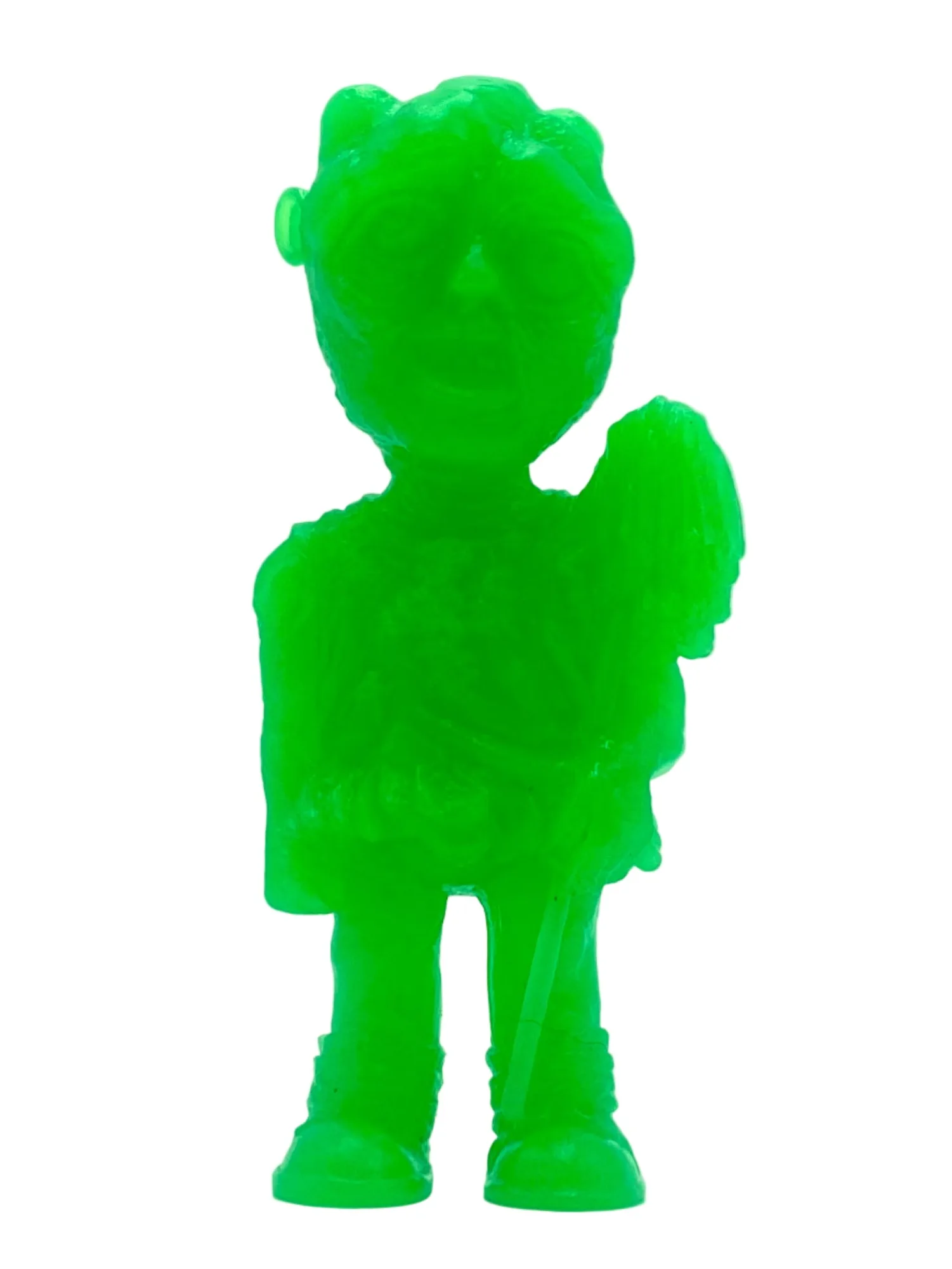
- MUSCULOIDS / MASTER BRAIN / GID / W3: This vinyl toy features a glow-in-the-dark (GID) finish and is part of the Musculoids brand, presented by MF Gallery. Glow-in-the-dark features are hard to replicate accurately. Test the glow effect – authentic GID toys glow brightly and fade slowly; fakes may glow weakly or not at all.
- Winter Pumpkins & Krampkins (Series 01) 2/8: Each piece is a totally unique 1/1 hand-painted variant, sculpted by Nick Ruscetta and cast in resin, measuring approximately 1.75-2 inches tall. Hand-painted resin pieces have subtle variations that are hard to fake. Look for brush strokes and color depth – fakes often have uniform, flat paint.
Authenticating designer toys takes practice, but these steps will help you spot fakes in blind boxes, resin, and vinyl. Always trust your instincts and verify details before purchasing. By staying vigilant, you can protect your collection and enjoy the hobby with confidence.