Enamel pins have exploded in popularity, transforming from simple accessories into coveted collectibles. Whether you're a seasoned collector or just starting out, knowing how to identify rare enamel pins in your collection is crucial for building value and avoiding fakes. Rare pins can be worth significantly more than their original retail price, making them a rewarding investment for savvy collectors.
This guide will walk you through the key factors that determine enamel pin rarity, from production techniques to design elements. By the end, you'll be equipped with the knowledge to spot hidden gems in your own collection and make smarter purchases in the future.
Understanding Enamel Pin Rarity
Enamel pin rarity is influenced by several factors, including production quantity, age, and demand. Limited edition pins, especially those produced in runs of fewer than 100 pieces, are inherently rarer and more valuable. Pins from well-known franchises or artists can also command higher prices due to collector demand.
Another crucial factor is the production method. Hard enamel pins, which have a smooth, polished surface, are often considered higher quality and more durable than soft enamel pins. However, some rare pins use unique finishes like glow-in-the-dark or color-shifting enamel, which can increase their collectibility.
The backing of the pin also matters. Pins with rubber clasps are standard, but rare pins might feature custom backings, such as a specific logo or a unique metal finish. These details can signal a limited or special edition.
rubber
- Check for limited edition numbering or special edition markings.
- Research the pin's production run size and original release date.
release
- Look for unique features like glow-in-the-dark or color-shifting enamel.
Examining Production Methods
The manufacturing process leaves distinct clues. Hard enamel pins are filled with enamel that is baked and then polished flush with the metal, resulting in a smooth, glass-like surface. Soft enamel pins have raised metal borders and a textured enamel fill. While both can be rare, hard enamel pins are often preferred by collectors for their premium feel.
Pay attention to the metal plating. Gold, silver, and black nickel are common, but rare pins might use rose gold or copper plating. The thickness of the metal also matters – thicker pins feel sturdier and are often of higher quality.
Additionally, some rare pins incorporate mixed metals or multiple plating colors, which are more complex to produce and thus less common. These details can significantly enhance a pin's rarity and value.
- Inspect the pin's surface: hard enamel is smooth, soft enamel is textured.
- Note the metal plating and thickness – rare pins often use premium materials.
- Look for mixed-metal or multi-plating designs, which are harder to manufacture.
Spotting Rare Designs and Themes
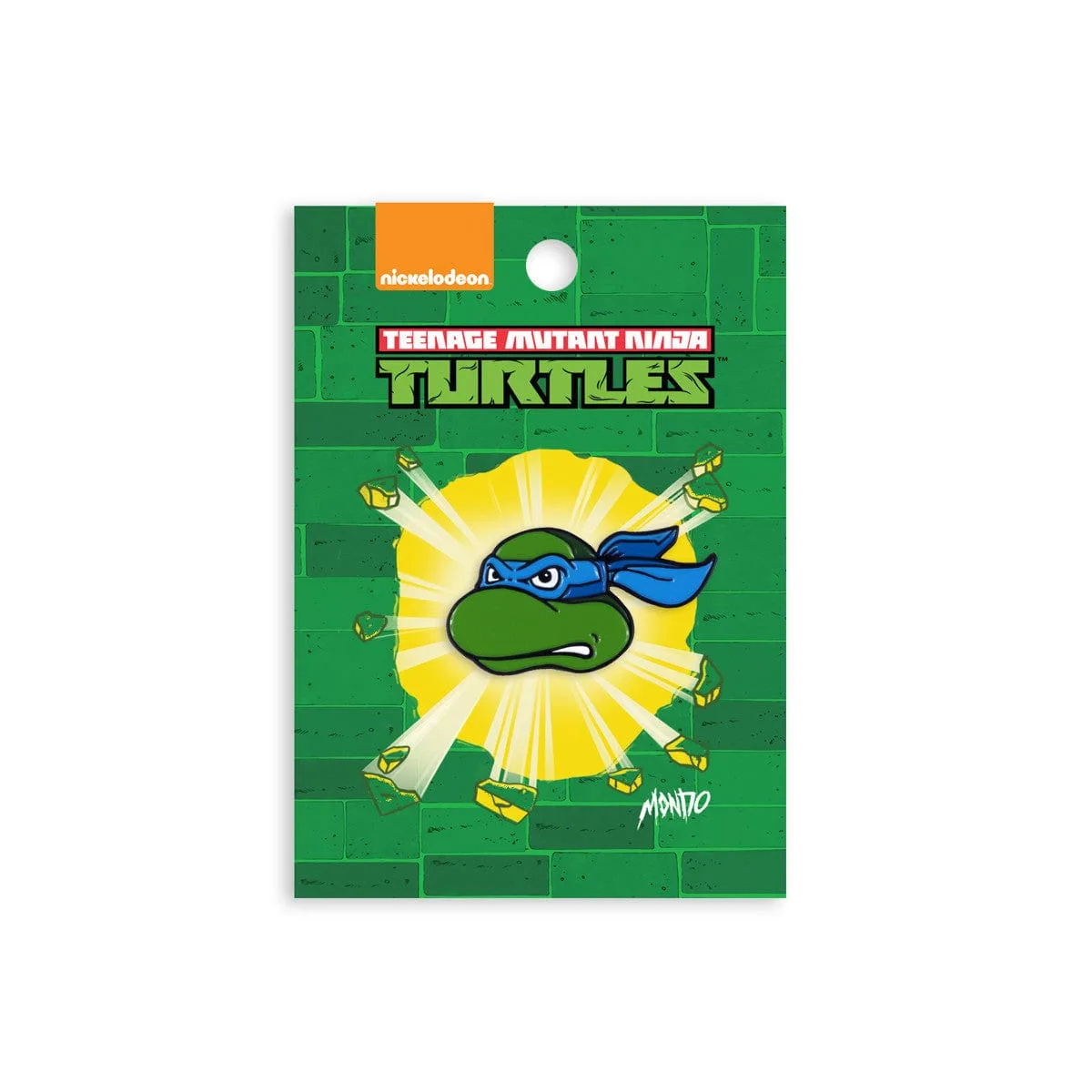
Design plays a pivotal role in pin rarity. Pins featuring iconic characters or scenes from popular franchises tend to be more sought after. For example, a pin from a cult classic like the https://mondoghc.com/products/leonardo-enamel-pin-405224Leonardo Enamel Pin can become a collector's holy grail if it's a limited release. Similarly, pins with unique artwork or artist collaborations often have a dedicated following.
The theme also matters. Pins that celebrate anniversaries, events, or specific moments in pop culture history are often produced in limited quantities. For instance, a pin commemorating a film's 40th anniversary might be rarer than a standard release.
Additionally, pins with intricate details, such as multiple enamel colors or textured elements, are more expensive to produce and may be limited to justify the cost. These design complexities can make them more desirable to collectors.
- Research the pin's theme and whether it's tied to a specific event or anniversary.
- Look for pins with high detail or multiple enamel colors.
- Check for artist signatures or collaboration marks.
Evaluating Rarity Through Provenance
Provenance, or the pin's history, can greatly affect its rarity. Pins that were only available at conventions, exclusive events, or through specific retailers are often rarer than those sold widely. If you have a pin from a limited drop or a Kickstarter exclusive, its value may be higher.
The condition of the pin also matters. Mint condition pins, with no scratches or fading, are more valuable than those with visible wear. Original packaging, such as a backing card or a special box, can also enhance rarity.
Documentation, like a certificate of authenticity or a numbered edition card, can prove a pin's rarity and increase its value. Keep these items safe if you have them.
- Keep original packaging and any certificates of authenticity.
- Assess the pin's condition – mint condition pins are more valuable.
- Research the pin's original distribution channels (conventions, exclusives, etc.).
Researching Market Value
To determine if your pin is truly rare, research its market value. Check online marketplaces like eBay or specialized pin trading communities to see if similar pins are listed and at what prices. Sold listings can give you a realistic idea of what collectors are willing to pay.
Also, follow pin collecting forums and social media groups where enthusiasts discuss rare finds. These communities often share insights into upcoming releases and hidden gems.
Remember that rarity doesn't always equal high value. A pin might be rare but have low demand, while a slightly less rare pin from a popular franchise could be worth more. Balance rarity with demand when assessing value.
- Search sold listings on online marketplaces for price comparisons.
- Join pin collecting communities to stay informed about trends.
- Consider both rarity and demand when evaluating a pin's worth.
Common Pitfalls to Avoid
One common mistake is assuming all limited edition pins are rare. Some limited runs are still large (e.g., 500 pieces) and may not be as valuable as a smaller run from a less-known artist. Always check the exact production number.
Another pitfall is overlooking counterfeit pins. With the rise of pin collecting, fakes have become more prevalent. Compare your pin's details to official photos and check for quality inconsistencies, such as uneven enamel or poor plating.
Finally, don't rely solely on price tags. A high price doesn't guarantee rarity – it might just be overpriced. Use your knowledge of production methods and design to make informed judgments.
- Verify the exact production run size.
- Compare your pin to official images to spot fakes.
- Don't equate high price with rarity – do your own research.
Identifying rare enamel pins requires a keen eye for production details, design nuances, and market trends. By applying the tips in this guide, you'll be able to spot valuable pins in your collection and make smarter collecting decisions. Remember, the joy of collecting is not just in the value but in the hunt. If you're looking to expand your collection with unique pieces, check out our selection of pins, including the Leonardo Enamel Pin, to find your next treasure.