Quick answer
To incorporate collaboration cards into your next team meeting, choose a card set that matches your goal, introduce them as a structured activity, and follow up with reflection. For example, the 'Letting Go Cards' can help teams address past conflicts, while 'Resilience Cards' can build confidence. Start with a simple icebreaker and gradually integrate deeper prompts.
Team meetings often fall into a predictable rhythm: updates, planning, and maybe a hurried icebreaker. But when you want to foster genuine collaboration, structured prompts can make all the difference. Collaboration cards—like those from The School of Life Shop—offer a tangible way to spark meaningful conversations and build stronger team dynamics.
Whether you're leading a weekly check-in or a strategic offsite, these cards provide a low-pressure entry point for discussing emotions, challenges, and aspirations. In this guide, you'll learn a step-by-step method to incorporate collaboration cards into your next team meeting, complete with common pitfalls to avoid.
Why Use Collaboration Cards?
Collaboration cards are more than just conversation starters. They are designed to surface topics that might otherwise go unspoken—like how team members really feel about a project or where they need support. By giving everyone a shared prompt, cards level the playing field and encourage quieter voices to participate.
Unlike open-ended questions that can feel vague, cards offer a focused starting point. They also add an element of play, which reduces anxiety and makes it easier for people to be honest. When used regularly, they can improve communication, deepen trust, and even help resolve lingering tensions.
- Choose a card set that aligns with your meeting's purpose: conflict resolution, confidence building, or relationship strengthening.
Choosing the Right Card Set
Not all collaboration cards are the same. Some focus on personal reflection, others on interpersonal dynamics. For a team that's navigating change or holding onto past mistakes, the 'Letting Go Cards' offer prompts that help release grudges and move forward. On the other hand, if your team is facing a high-pressure project, 'Resilience Cards' can remind everyone of their inner strength.
Consider the current climate of your team. Are there unresolved conflicts? Is morale low? Are you simply looking to build rapport? Matching the card set to your objective ensures the activity feels relevant and valuable rather than forced.
- If your team is new, start with lighter prompts to build comfort before diving into deeper topics.
Structuring the Activity
The way you introduce and facilitate the cards matters as much as the cards themselves. Begin by explaining why you're using them and how the activity will work. Make it clear that there are no wrong answers and that everyone is encouraged to share as much or as little as they feel comfortable.
Set a time limit for each prompt—typically 5-10 minutes for discussion—and rotate who goes first each time. This prevents dominance by vocal members and ensures everyone gets a turn. After the discussion, take a few minutes to reflect as a group on what came up and how it might apply to your work.
- Use a talking piece or timer to keep the discussion balanced and on track.
Overcoming Common Challenges
One common challenge is skepticism: some team members might see card exercises as 'fluffy' or a waste of time. To counter this, frame the activity as a tool for improving collaboration and productivity. Show how the insights gained can lead to concrete actions, like adjusting workflows or improving communication.
Another pitfall is rushing through the cards without genuine engagement. If the discussion feels superficial, pause and ask follow-up questions. Encourage people to give examples from their own experience. The goal is not to finish quickly but to create a safe space for honest dialogue.
- If a prompt doesn't resonate, don't force it—move to another card or adapt the question to your context.
Step-by-Step: Using Collaboration Cards in Your Next Meeting
- Define your objective: Identify what you want to achieve—icebreaking, conflict resolution, or team bonding. This will guide your card selection and framing. Checkpoint: If your objective is vague, the activity may feel aimless. Write down one clear goal before you start.
- Select and prepare the cards: Choose a card set that matches your goal. For example, use 'Resilience Cards' for confidence or 'Letting Go Cards' for moving past issues. Review the prompts and pick 3-5 that are most relevant. Checkpoint: Avoid using too many cards; quality over quantity ensures deeper discussion.
- Introduce the activity: Explain the purpose and rules. Emphasize that participation is voluntary and there are no wrong answers. Set a positive, open tone. Checkpoint: If you sense resistance, acknowledge it and explain how the activity will benefit the team's work.
- Facilitate the discussion: Draw a card, read it aloud, and give everyone a moment to reflect. Then invite each person to share their thoughts. Use active listening and ask follow-up questions to deepen the conversation. Checkpoint: Watch for dominant voices; gently encourage quieter members by asking for their perspective.
- Reflect and apply: After the discussion, summarize key themes and discuss how they relate to your team's work. Identify any action items or changes to implement. Checkpoint: If no concrete takeaways emerge, the activity may have been too abstract. Connect insights to specific projects or team dynamics.
Products That Can Help
- Letting Go Cards: This set of 52 prompts offers compassionate and thoughtful guidance to help us begin the quiet, necessary work of release: letting go of past relationships, mistakes, grudges and versions of ourselves that no longer serve us. For teams that carry baggage from past projects or interpersonal conflicts, these cards provide a structured way to address and release those feelings, clearing the way for better collaboration.
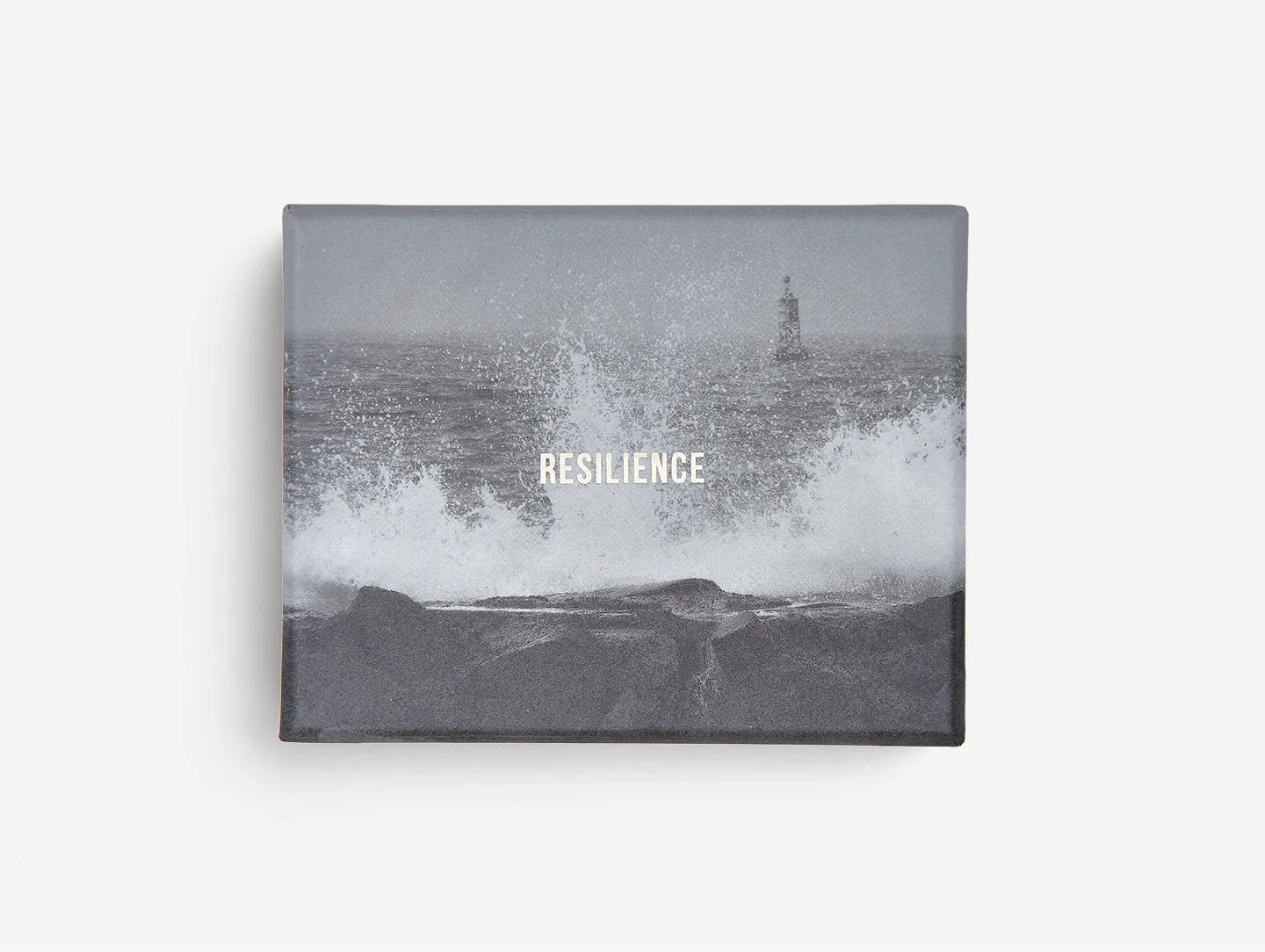
- Resilience Cards: A set of cards designed to gently remind us that we are far stronger than we imagine. We often overestimate how fragile we are... we could manage perfectly well with a lot less than we currently have. During challenging times or high-stakes projects, these cards can boost team morale and remind everyone of their collective resilience, fostering a 'we can handle this' attitude.
Incorporating collaboration cards into your team meetings is a simple yet powerful way to enhance communication and trust. By choosing the right card set, structuring the activity thoughtfully, and facilitating with empathy, you can turn a routine meeting into an opportunity for genuine connection and growth. Start small, stay consistent, and watch your team thrive.