Cats are natural carnivores, and fish has always been a favorite among felines. But beyond the irresistible taste, fish-based treats offer a powerful nutritional punch—especially when it comes to omega-3 fatty acids. These essential fats support everything from a glossy coat to joint health and cognitive function. If you're looking to boost your cat's wellness with healthy cat treats, understanding how to incorporate fish-based options properly is key.
In this guide, we'll explore the science behind omega-3 for cats, the best types of fish treats to consider, and practical tips for introducing them into your cat's diet. Whether you're a new cat parent or a seasoned pro, you'll find actionable advice to help your feline thrive.
Why Omega-3 Fatty Acids Matter for Cats
Omega-3 fatty acids, particularly EPA (eicosapentaenoic acid) and DHA (docosahexaenoic acid), play a vital role in your cat's overall health. These nutrients are not produced naturally in sufficient amounts by a cat's body, so they must come from diet. Fish oil for cats, derived from cold-water fish like salmon and mackerel, is one of the richest sources of EPA and DHA.
Research shows that omega-3s can reduce inflammation, support heart health, improve skin and coat condition, and even aid in brain development in kittens. For older cats, these fatty acids may help manage arthritis and cognitive decline. By incorporating fish treats for cats into their routine, you provide a delicious way to deliver these benefits without the hassle of supplements.
- Supports a shiny, dander-free coat and healthy skin
- Reduces joint inflammation and supports mobility in senior cats
- Enhances brain function and vision, especially in growing kittens
Choosing the Right Fish-Based Treats for Your Cat
Not all fish treats are created equal. When selecting salmon treats for cats or other fish-based options, look for products that use whole, recognizable ingredients and avoid artificial additives, fillers, or excessive salt. Freeze-dried or gently cooked treats often retain more of the natural omega-3 content than heavily processed alternatives.
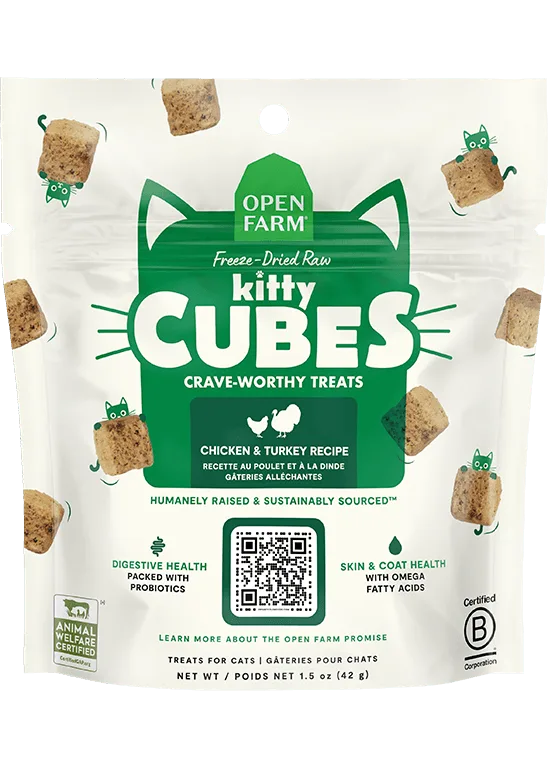
One excellent choice is the Salmon & Mackerel Kitty Cube Treats, which combine two omega-3-rich fish in a single, convenient cube. These treats are made with simple, high-quality ingredients and are perfect for training or daily rewards. Another great option is the Surf & Turf Kitty Cube Treats, which offer a variety of flavors while still delivering essential fatty acids. Always check the ingredient list to ensure the primary source is fish, not grains or by-products.
- Look for treats with salmon, mackerel, or sardines as the first ingredient
- Avoid treats with added sugars, artificial colors, or preservatives
- Choose freeze-dried or air-dried options to preserve omega-3s
How to Introduce Fish Treats Safely
If your cat has never had fish-based treats before, it's important to introduce them gradually. Start with a small piece to see how your cat reacts both in terms of taste and digestion. Some cats may be sensitive to fish, so watch for signs of upset stomach or allergic reactions like itching or vomiting.
Begin by offering one treat per day for the first week, then gradually increase to the recommended serving size on the package. For most healthy cat treats, that's about two to three small cubes per day, depending on your cat's size and activity level. Always provide fresh water, especially when introducing new protein sources.
- Start with a tiny piece to test tolerance
- Increase quantity slowly over one to two weeks
- Monitor for any adverse reactions like diarrhea or skin irritation
Pairing Fish Treats with a Balanced Diet
Fish treats should complement, not replace, a complete and balanced cat food. While fish oil for cats offers great benefits, too much can lead to an imbalance of omega-6 to omega-3 ratios or excess vitamin A. Treats should make up no more than 10% of your cat's daily caloric intake.
For cats on a kibble diet, consider pairing treats with a high-quality base like Goodbowl Wild-Caught Salmon & Brown Rice Cat Kibble, which already provides a foundation of omega-3s. This way, the treats enhance rather than duplicate nutrients. If your cat is on a wet food diet, fish treats can add texture and variety without overloading on protein.
- Treats should be no more than 10% of daily calories
- Choose a balanced main diet that complements the treat's nutrient profile
- Rotate treat flavors to prevent pickiness and ensure nutrient diversity
Creative Ways to Use Fish Treats Beyond Snacking
Fish treats aren't just for rewarding good behavior—they can be used in several creative ways to enrich your cat's life. Crush a few Salmon & Mackerel Kitty Cube Treats into a powder and sprinkle it over your cat's regular food to entice picky eaters or to add a boost of omega-3s. You can also hide them in puzzle toys or scatter them around the house to encourage natural foraging instincts.
Another idea is to rehydrate freeze-dried fish treats with a little warm water to create a flavorful broth. This is especially helpful for cats who don't drink enough water, as it encourages hydration while delivering omega-3 benefits. Just be sure to use treats without added salt or seasonings.
- Crush treats into a topping for kibble or wet food
- Use in puzzle feeders for mental stimulation
- Rehydrate with warm water to make a hydrating broth
Adding fish-based treats to your cat's diet is a simple, enjoyable way to support their health with omega-3 fatty acids. Whether you choose salmon treats for cats or a mixed variety pack, always prioritize quality and moderation. Explore our selection of healthy cat treats, like the Salmon & Mackerel Kitty Cube Treats, to give your feline friend the nutritional boost they deserve.