Quick Answer
To incorporate plaid fabrics into modern quilts, focus on scale contrast, color harmony, and letting the plaid shine as a focal point. Start with a simple pattern like the Chickadee Stars Quilt Pattern, which uses crisp stars to complement plaid fabrics without overwhelming them.
Plaid fabrics often evoke a cozy, traditional feel, but they can absolutely shine in modern quilts. The key is to treat plaid as a design element rather than a background. By controlling scale, color, and placement, you can create a quilt that feels fresh and contemporary while honoring the timeless charm of plaid.
In this guide, you'll learn practical steps to mix plaids with solids and other prints, choose the right scale for your project, and avoid common pitfalls. Whether you're working with a few fat quarters or a full yardage, these tips will help you build a modern quilt with confidence.
Start with a Simple Pattern
When you're new to using plaid in a modern quilt, begin with a pattern that has clear, geometric shapes. This lets the plaid do the talking without competing with complex piecing. For example, the Chickadee Stars Quilt Pattern by Needle in a Hayes Stack features crisp stars that can anchor a plaid-focused design. The pattern finishes at 80" x 98", giving you plenty of room to showcase your fabric choices.
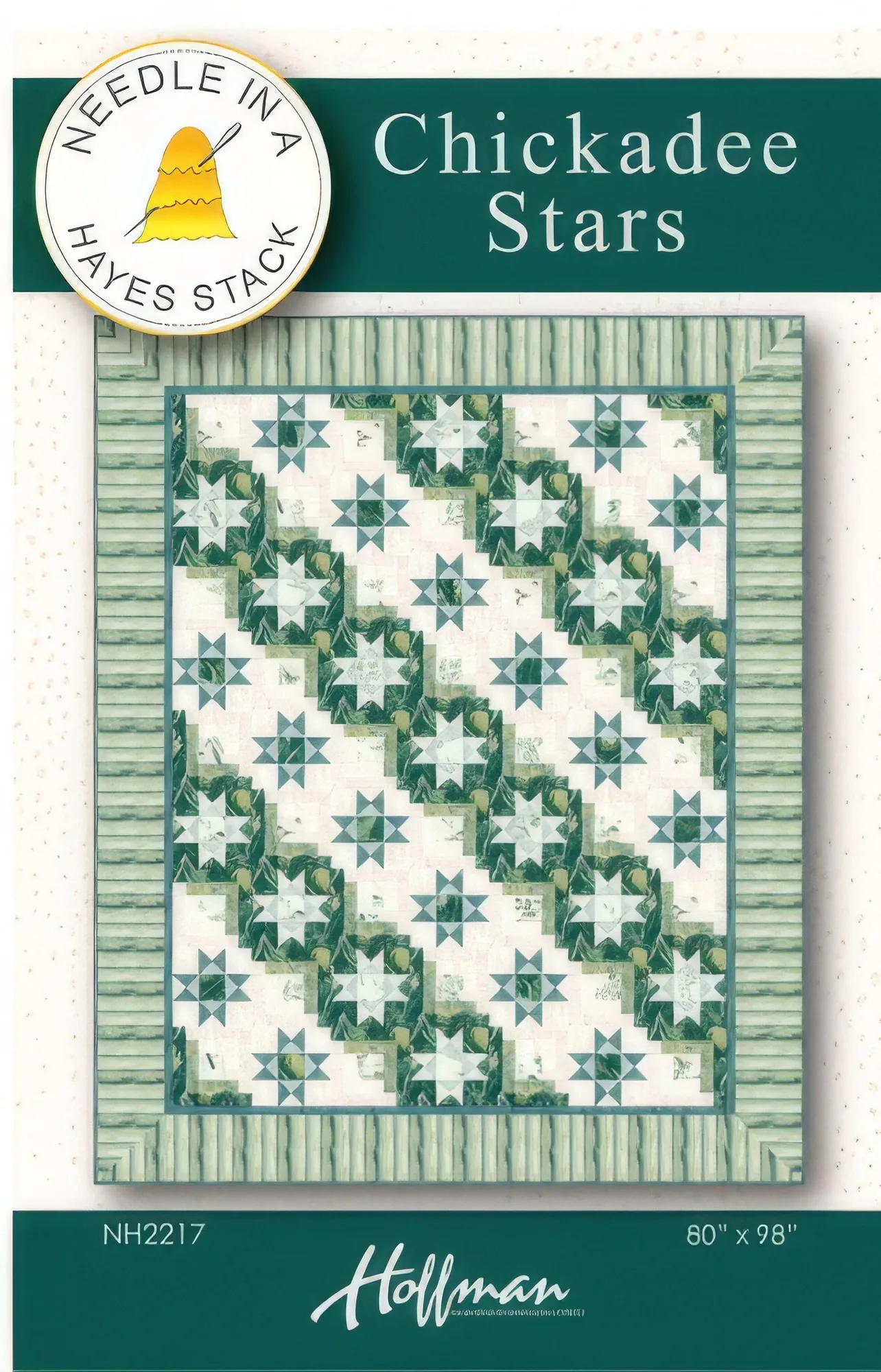
Chickadee Stars Quilt Pattern by Needle in a Hayes Stack
A simple pattern also makes it easier to test how different plaids interact. You can audition a few options before committing to a full layout. If you're unsure about scale, choose a plaid with a medium or large repeat, as these tend to read more clearly from a distance and feel more modern.
- Tip: Use a pattern with negative space to let plaid breathe.
Mix Scales and Colors Deliberately
Modern quilts often thrive on contrast. Pair a large-scale plaid with a small-scale one, or mix a bold plaid with a solid in a coordinating color. This creates visual interest without chaos. For instance, a plaid in magenta (like the FIGO Intervals Woven Small Dots in Magenta) can add a pop of color, while a more subdued plaid provides a grounding effect.
When selecting plaids, consider the color wheel. Analogous colors (like blues and greens) create a calm, cohesive look, while complementary colors (like red and green) offer a bolder statement. Don't be afraid to mix a plaid with a floral or geometric print, as long as the colors share a common thread. The Morris & Co. Strawberry Thief fabric, with its classic pattern, can surprisingly complement plaid when colors align.
- Tip: Pull a color from the plaid and echo it in a solid or other print.
Use Plaid as a Focal Point
In modern design, less is often more. Instead of covering the entire quilt in plaid, use it selectively—as a border, sashing, or in specific blocks. This creates a focal point that draws the eye. For example, you could use a plaid binding to frame a quilt made mostly of solids, adding a finished touch that ties the whole piece together.
Plaid also works beautifully as a backing or in a pieced back. Because it has an all-over pattern, it can hide quilting stitches well and add texture. If you're making a baby quilt or a throw, a plaid back can be both practical and stylish.
- Tip: Try a plaid border to add structure without overwhelming the center.
Step-by-Step Guide to Adding Plaid to Modern Quilts
- Choose a Plaid with the Right Scale: Select a plaid that matches the size of your quilt blocks. Large plaids work well in big blocks or as borders, while small plaids suit intricate piecing. Hold the fabric at arm's length to see how it reads. Checkpoint: If the plaid disappears when you squint, it's too small for your project.
- Limit Your Palette: Stick to two or three plaid colors that coordinate with your main fabric. Use solids in those colors to balance the pattern. This prevents the quilt from feeling busy. Checkpoint: Pull one dominant color from the plaid and use it in at least 30% of the quilt.
- Cut with Precision: Plaid patterns require careful cutting to keep lines straight. Use a rotary cutter and a clear ruler, and pay attention to the grainline. If you're cutting multiple pieces, align them consistently. Checkpoint: Test-cut one block first to ensure the plaid lines meet as you expect.
- Assemble and Step Back: Lay out your blocks on a design wall or floor. Step back and evaluate the overall balance. Adjust placement so plaids are distributed evenly, not clustered in one corner. Checkpoint: Take a photo in black and white to see if the values are balanced.
Product Facts
- Chickadee Stars Quilt Pattern by Needle in a Hayes Stack: Little birdies shine bright on these crisp and cool stars, with a fresh palette of greenery. Quilt design features Hoffman's Chickadee Cheer fabric line. Quilt finishes at 80" x 98". This pattern's clear star shapes and generous size make it an ideal canvas for showcasing plaid fabrics without overwhelming the design.
- Riley Blake Designs Single-Fold Quilt Binding 1/8" Stripe Clover: Single-Fold Quilt Binding from Riley Blake Designs adds the perfect finishing touch to any project. Each spool includes 50 yards of 2 1/2" bias binding. A plaid or striped binding can neatly frame your modern quilt, providing a polished edge that complements the plaid elements inside.
Incorporating plaid into modern quilts is all about balance and intention. By choosing the right scale, limiting your palette, and letting plaid serve as a focal point, you can create a quilt that feels both fresh and timeless. Start with a simple pattern, experiment with placement, and enjoy the process of blending tradition with contemporary style.