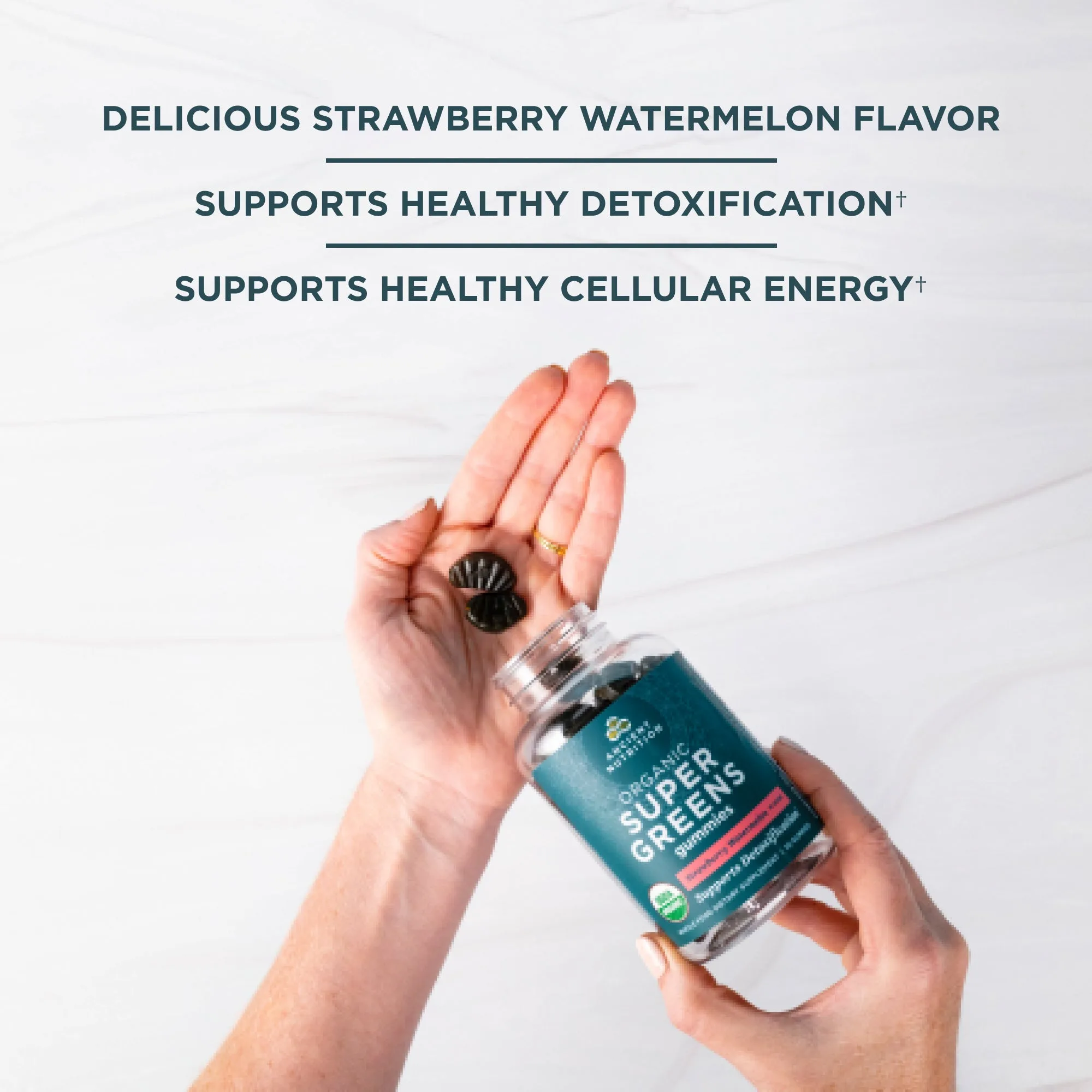
Getting kids to eat their greens is a classic parenting challenge. But what if you could pack the nutritional power of leafy greens into a scoop of powder that blends into smoothies, yogurt, or even pancakes? Supergreens supplements offer a convenient way to boost your child's intake of vitamins, minerals, and antioxidants. However, introducing any supplement to a child's routine requires careful consideration. In this guide, we'll explore how to safely incorporate supergreens into your children's diet, with practical tips and product recommendations.
Before we dive in, it's important to note that supergreens are not a replacement for whole foods. They are a supplement to help fill nutritional gaps, especially for picky eaters. Always consult your pediatrician before adding any new supplement to your child's diet, especially if they have underlying health conditions or take medications.
Why Consider Supergreens for Kids?
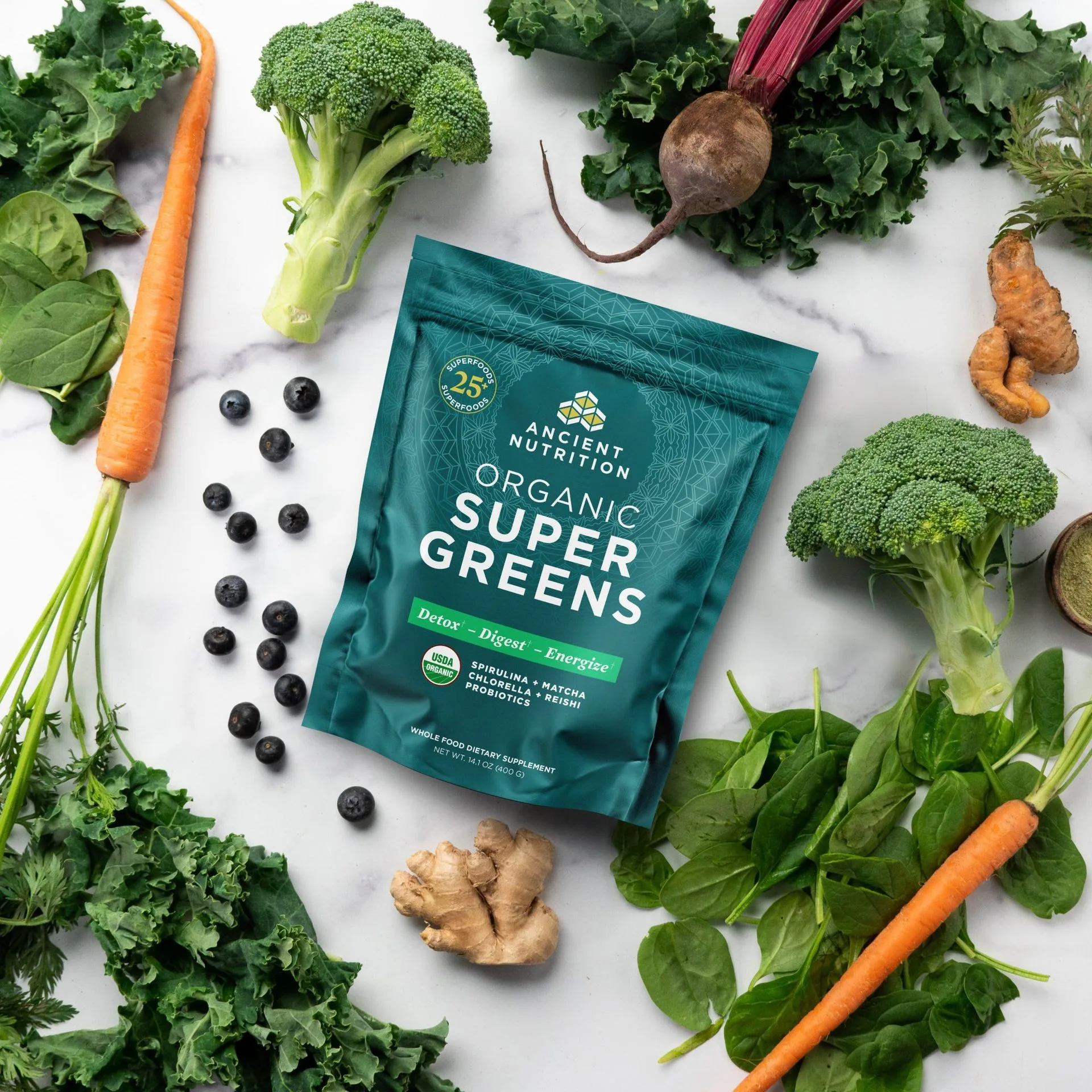
Children need a variety of vitamins and minerals for growth, development, and immune function. However, many kids fall short on recommended servings of vegetables. Supergreens powders are typically made from a blend of nutrient-dense greens like spinach, kale, wheatgrass, and spirulina, along with fruits and probiotics. They provide a concentrated source of nutrients that can help bridge the gap.
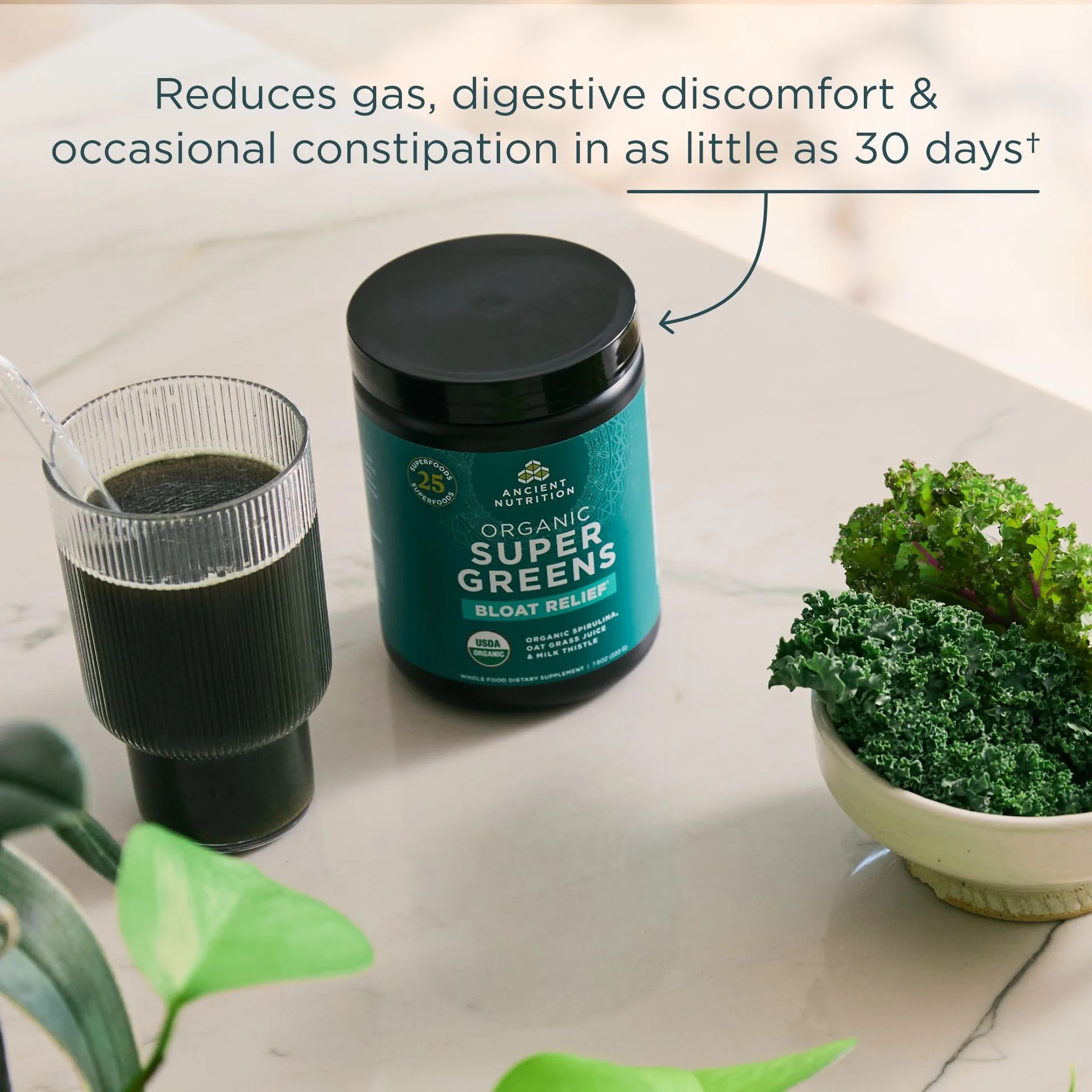
For instance, a product like https://ancientnutritionve.com/products/organic-supergreens-bloat-relief-445487https://ancientnutritionve.com/products/organic-supergreens-bloat-relief-organic-supergreens-bloat-relief-powder-445488https://ancientnutritionve.com/products/organic-supergreens-bloat-relief-organic-supergreens-bloat-relief-powder-445489https://ancientnutritionve.com/products/organic-supergreens-445451Organic SuperGreens Bloat Relief† offers a blend of organic greens and botanicals that may support digestion and reduce bloating. While it's not specifically formulated for kids, its gentle formula can be a starting point for parents looking to introduce supergreens. Just remember to adjust the serving size based on your child's age and weight.
- Look for supergreens with no added sugars or artificial ingredients.
- Choose products with a mild flavor that can be easily masked.
- Start with a small dose to see how your child responds.
Safety First: Is It Safe for Children?
Supergreens are generally safe for children when used appropriately, but there are important considerations. The American Academy of Pediatrics recommends that supplements should not replace whole foods but can be used to address specific deficiencies. Always check the label for age recommendations, and avoid products with high levels of certain vitamins (like vitamin A or iron) that can be toxic in excess.
Also, some supergreens contain herbs or botanicals that may not be suitable for young children. For example, ingredients like ashwagandha or maca are often found in adult formulations. Stick to simple, food-based blends like those in Organic SuperGreens Bloat Relief†, which focuses on organic greens and digestive support. When in doubt, consult your pediatrician.
- Start with a quarter of the recommended adult dose.
- Monitor for any digestive upset or allergic reactions.
- Avoid supergreens with caffeine or stimulants.
Creative Ways to Add Supergreens to Kids' Meals
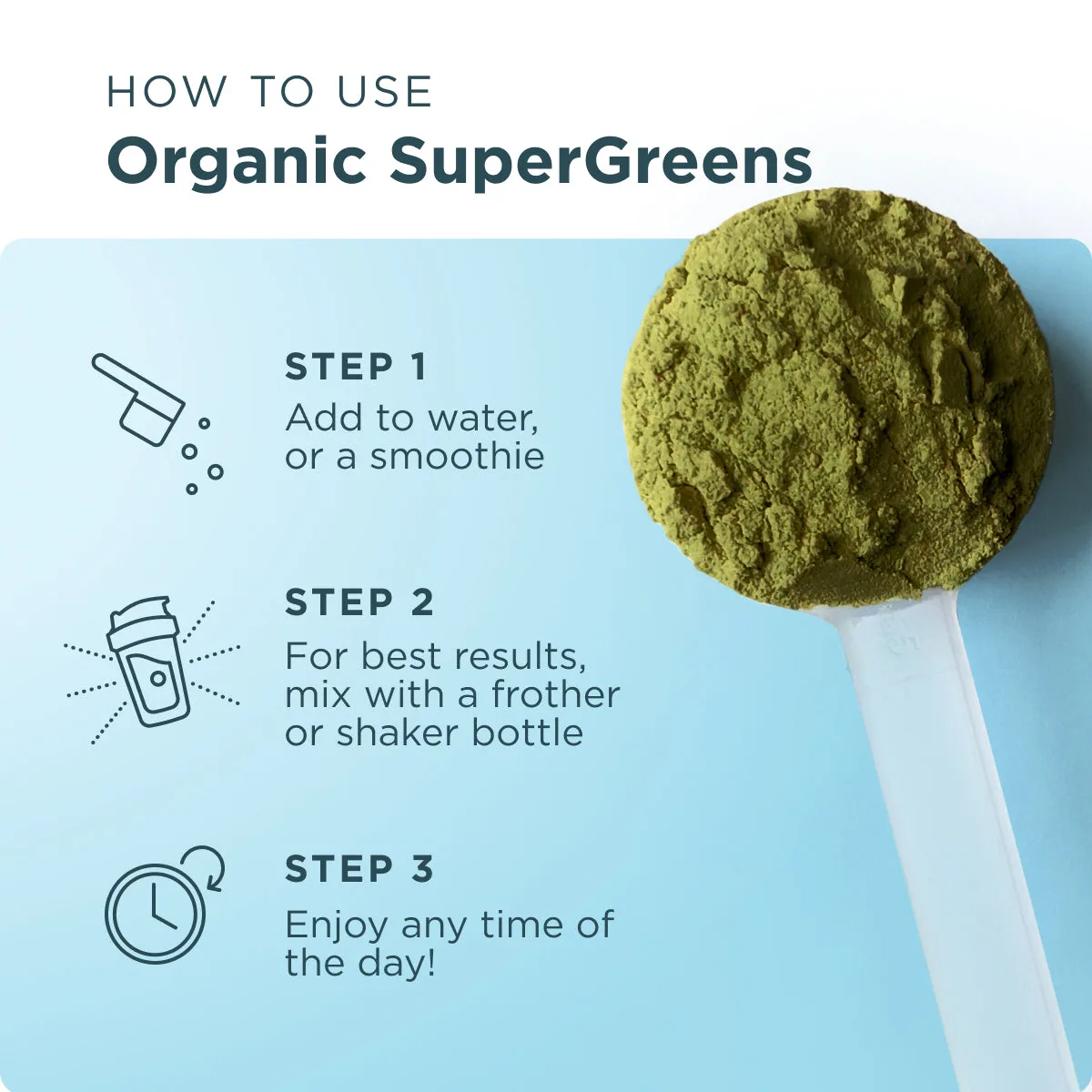
The key to getting kids to accept supergreens is to hide them in foods they already love. Smoothies are a classic choice—blend a scoop of supergreens with banana, berries, and yogurt for a sweet treat. You can also mix a small amount into applesauce, oatmeal, or even homemade popsicles.
Another idea is to incorporate supergreens into baked goods like muffins or pancakes. The green color might be a giveaway, but with enough cocoa or cinnamon, kids may not notice. For a protein-packed option, consider adding a scoop of Multi Protein Plant Based image to your child's smoothie. This plant-based protein powder is designed to be gentle on digestion and can complement the nutritional profile of supergreens.
- Use a high-speed blender to ensure a smooth texture.
- Pair supergreens with strong flavors like chocolate, peanut butter, or mango.
- Let your child help prepare the smoothie to increase their willingness to try it.
Choosing the Right Supergreens Product
Not all supergreens are created equal. When selecting a product for your child, look for organic certifications, minimal added sugars, and a short ingredient list. Avoid proprietary blends that hide the amounts of individual ingredients. Also, consider the flavor—some supergreens have a grassy taste that kids might reject.
A good option is Organic SuperGreens Bloat Relief†, which is organic and includes digestive enzymes and probiotics. It has a mild, minty flavor that pairs well with fruit. For older children or teens, you might also explore other products like Whey Protein + Fat Loss * Blend, but that's more for fitness goals and may not be necessary for kids. Always prioritize whole foods first and use supplements as a backup.
- Check for third-party testing and certifications.
- Read reviews from other parents.
- Start with a small container to test acceptance.
Serving Sizes and Frequency
The right serving size depends on your child's age, weight, and dietary needs. As a general rule, start with a quarter to half of the recommended adult serving, and gradually increase if well-tolerated. For most supergreens, that means about 1/4 to 1/2 scoop per day. You can give it daily or a few times a week, depending on your child's vegetable intake.
It's also important to consider the overall nutrient intake. If your child already eats a variety of fruits and vegetables, you may not need supergreens every day. Use them as a convenient backup on busy days or when traveling. Remember, supplements are meant to supplement, not replace a healthy diet.
- Mix supergreens with a full glass of water or milk to ensure proper hydration.
- Keep a consistent schedule to build a habit.
- Reassess after a few weeks to see if your child benefits.
Potential Side Effects and How to Avoid Them
Some children may experience mild digestive issues like gas or bloating when first starting supergreens. This is often due to the high fiber content or the introduction of new ingredients. To minimize this, start with a small dose and gradually increase. You can also mix supergreens with a probiotic-rich food like yogurt to support gut health.
If your child has a known allergy to any of the ingredients, avoid that product. Also, be cautious with supergreens that contain herbs like echinacea or ginseng, which may not be appropriate for children. Always read labels carefully and consult your pediatrician if you have concerns.
- Introduce supergreens one at a time to monitor reactions.
- Stop use if you notice any adverse effects.
- Choose products with simple, recognizable ingredients.
Incorporating supergreens into your children's diet can be a safe and effective way to boost their nutrient intake, especially for picky eaters. By choosing the right product, starting with small doses, and getting creative in the kitchen, you can make greens a seamless part of their routine. Remember to always prioritize whole foods and consult your pediatrician before starting any supplement. For a gentle, organic option, consider trying Organic SuperGreens Bloat Relief†—it's a great starting point for families looking to add more greens to their day.