Quick Answer
Installing a furniture wall anchor takes about 10 minutes with basic tools. Choose a sturdy anchor kit, locate a wall stud or use drywall anchors, and follow the manufacturer's instructions precisely to prevent tipping accidents.
Why Wall Anchors Are Essential for Baby Proofing
When your little one starts pulling up to stand or cruising along furniture, they naturally grab onto anything within reach — including dressers, bookcases, and media consoles. Without proper anchoring, even a lightweight piece of furniture can tip over and cause serious injury. Wall anchors are a simple, low-cost solution that can prevent these accidents.
Choosing Between Anchors and Straps
Wall anchors and wall straps serve the same purpose — securing furniture to the wall — but they differ in design. Anchors typically use a bracket that screws into the wall and attaches to the furniture, while straps offer a flexible, adjustable option that can also secure a freestanding flat-panel TV. Consider your furniture type and wall material when choosing. Both are effective when installed correctly.
Step-by-Step Guide to Install a Furniture Wall Anchor
- 1. Gather Your Tools and Read the Instructions: You'll need a drill, screwdriver, pencil, stud finder (optional), and the wall anchor kit. Read the manufacturer's instructions completely before starting — each kit may have specific requirements. Skipping the instructions is a common mistake. Different kits have different hardware and steps.
- 2. Position the Bracket on the Furniture: Hold the anchor bracket against the top back edge of the furniture, aligning it with the provided template or markings. Use a pencil to mark the screw holes on the furniture. Ensure the bracket sits flush against the wall when the furniture is in its final position. Make sure the furniture is against the wall before marking — moving it later can misalign the holes.
- 3. Attach the Bracket to the Furniture: Drill pilot holes at the marked spots on the furniture (if required by the kit), then screw the bracket securely into the furniture using the provided screws. Do not overtighten, as this can strip the wood or damage the furniture. Use the correct screw length — screws that are too long can poke through the furniture surface.
- 4. Mark and Drill the Wall: With the bracket attached to the furniture, position the furniture back against the wall. Mark the wall through the bracket's wall-mount holes. Remove the furniture, then drill pilot holes into the wall. If you hit a stud, use wood screws. If not, use the provided drywall anchors. Always use a stud finder when possible. Drywall alone cannot hold the weight of a tipped dresser.
- 5. Secure the Bracket to the Wall: Insert wall anchors (if needed) into the pilot holes, then screw the bracket to the wall using the provided screws. Tighten until snug but avoid stripping the drywall or anchor. Over-tightening can strip the drywall anchor, making the installation loose and ineffective.
- 6. Test the Installation: Gently pull on the furniture to confirm it is securely anchored. The furniture should not tip or wobble. Check that all screws are tight and the bracket is flush against both the furniture and the wall. A loose installation is dangerous. Test regularly, especially after moving furniture or during earthquakes.
Recommended Products for Furniture Safety
-
Furniture Wall Anchors, 2-Pack Support: Evenflo Furniture Wall Anchors include high-quality hardware and easy-to-follow directions. One 2-pack secures one piece of furniture. Provides a straightforward, reliable solution for anchoring dressers, bookcases, and media consoles to prevent tipping.
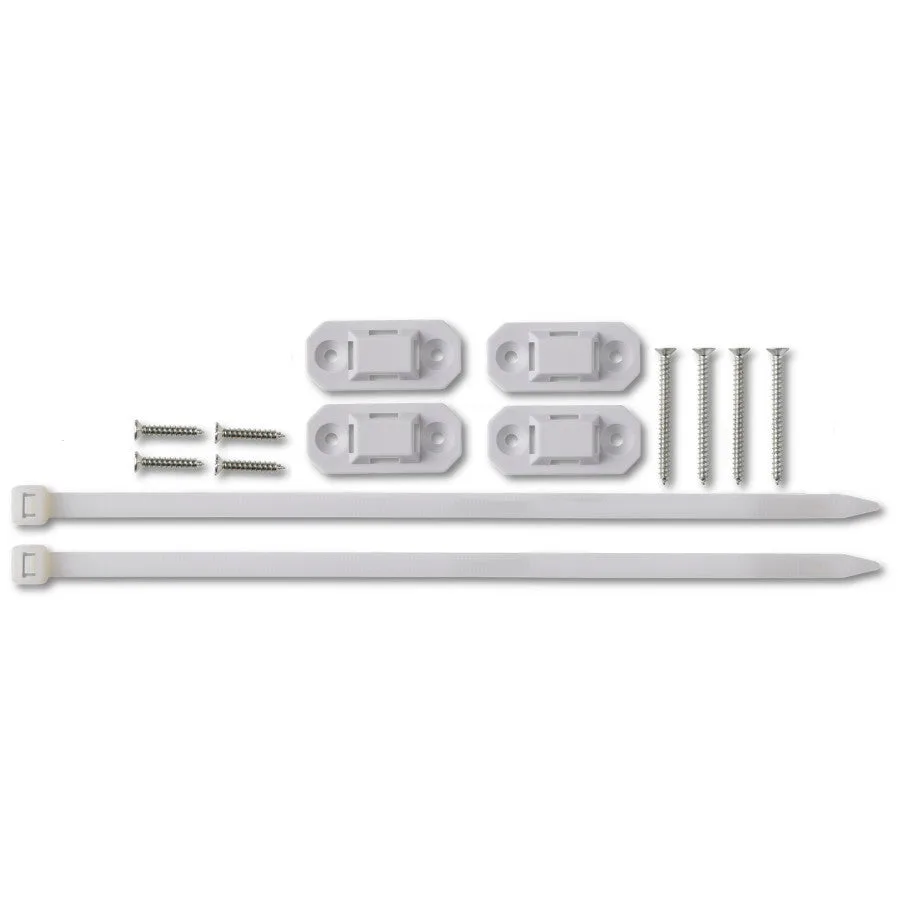
Furniture Wall Anchors, 2-Pack Support
-
TV or Furniture Wall Straps, 2-Pack Support: Evenflo TV or Furniture Wall Straps allow you to customize attachment in 2 ways, securing heavy furniture or freestanding flat-panel TVs. Offers flexibility for different furniture types and can also secure a TV, making it a versatile choice for baby proofing.
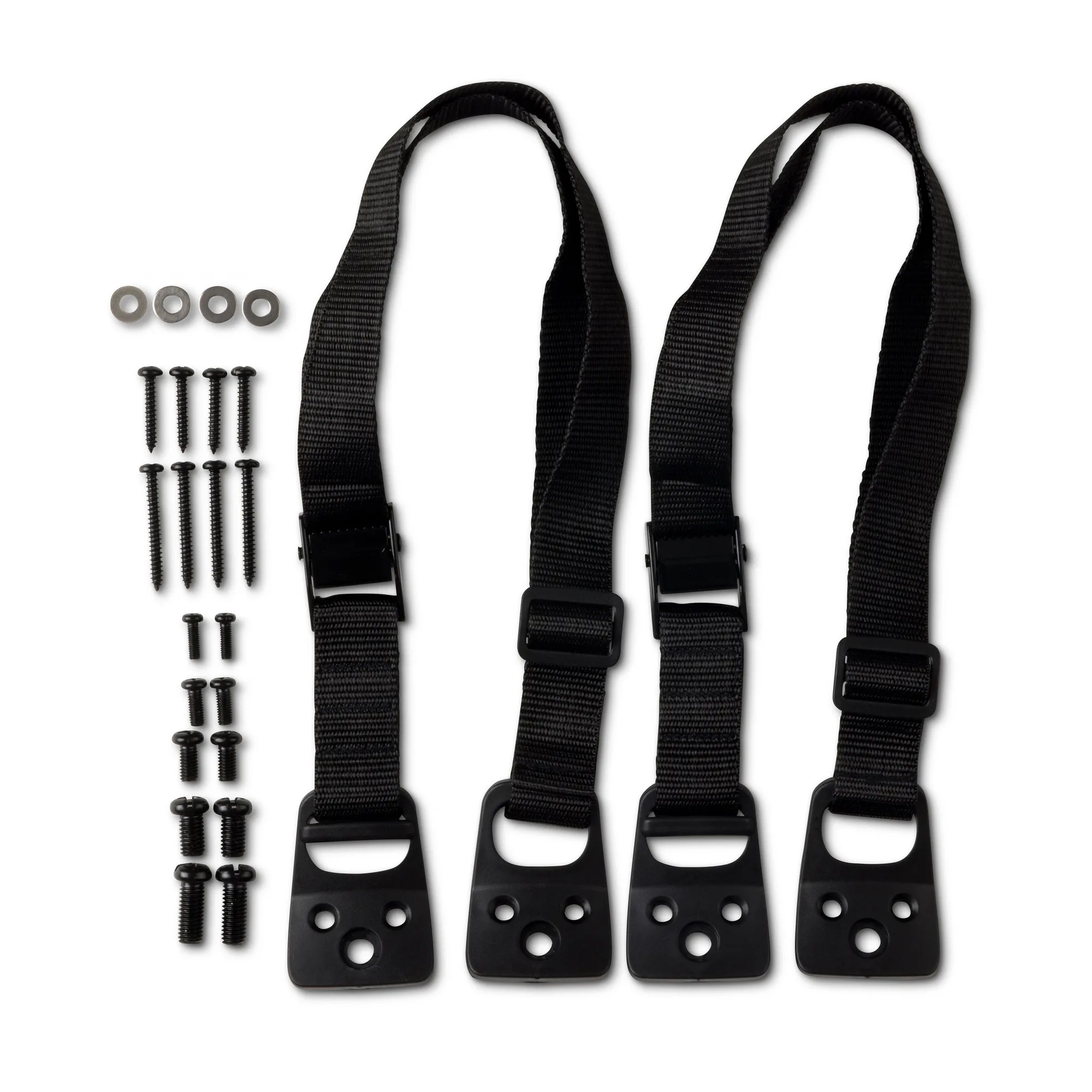
TV or Furniture Wall Straps, 2-Pack Support