Quick Answer
Install Evenflo Cabinet & Drawer Latches by first cleaning the surface, then mounting the latch with the included adhesive backing or screws, and finally testing the mechanism to ensure it engages properly.
Why Proper Installation Matters
A latch that isn't installed correctly can fail when you need it most. Evenflo Cabinet & Drawer Latches are designed to mount discreetly out of sight, preserving your home's aesthetic, but their effectiveness depends on secure placement and correct alignment.
Cabinet and drawer latches work by requiring a push-down motion to release, which is intuitive for adults but challenging for little hands. If the latch is installed too loosely, it may not engage fully; if too tight, it can be difficult for you to open. Finding the right balance is key.
Adhesive vs. Screw Mounting: Know Your Options
Evenflo Cabinet & Drawer Latches include adhesive backing for quick, tool-free installation. This is ideal for renters or for surfaces where you don't want to drill holes. However, adhesive mounting may not hold as securely on textured or porous surfaces.
If you're installing on a surface that's not smooth or if you want extra security, consider using screws (if your latch supports them). Always check the product instructions to see if screw mounting is an option, and be aware that drilling may void certain warranties or damage the cabinet.
Step-by-Step Installation Guide
- Clean the surface: Wipe the inside of the cabinet door or drawer front and the frame with a damp cloth and dry thoroughly. Remove any grease or dust so the adhesive sticks properly. A clean surface is essential for adhesive strength.
- Position the latch: Hold the latch in place and mark the position with a pencil if needed. Ensure it aligns so the push-down mechanism will engage the catch when the door or drawer closes. Check alignment before peeling off the adhesive backing.
- Attach the latch: Peel off the adhesive backing and press the latch firmly onto the surface. Hold for 30 seconds to ensure a strong bond. If using screws, follow the product's instructions for drilling and securing. Wait at least 24 hours before using the latch to allow the adhesive to cure.
- Test the mechanism: Close the cabinet door or drawer and try to open it without pushing down. The latch should hold firmly. Then push down and open to ensure it releases smoothly. If the latch doesn't engage or releases too easily, re-position and re-install.
- Regularly inspect and maintain: Check the latches weekly for signs of wear or loosening. Re-press adhesive if needed, and clean the mechanism to prevent dust buildup. A loose latch is a safety hazard—replace if it no longer holds securely.
Product Facts
-
Cabinet & Drawer Latches Support: Evenflo Cabinet & Drawer Latches mount discreetly out of sight and include adhesive backing for additional security. This means you can secure cabinets without disrupting your decor, and the adhesive backing provides an extra layer of hold for peace of mind.
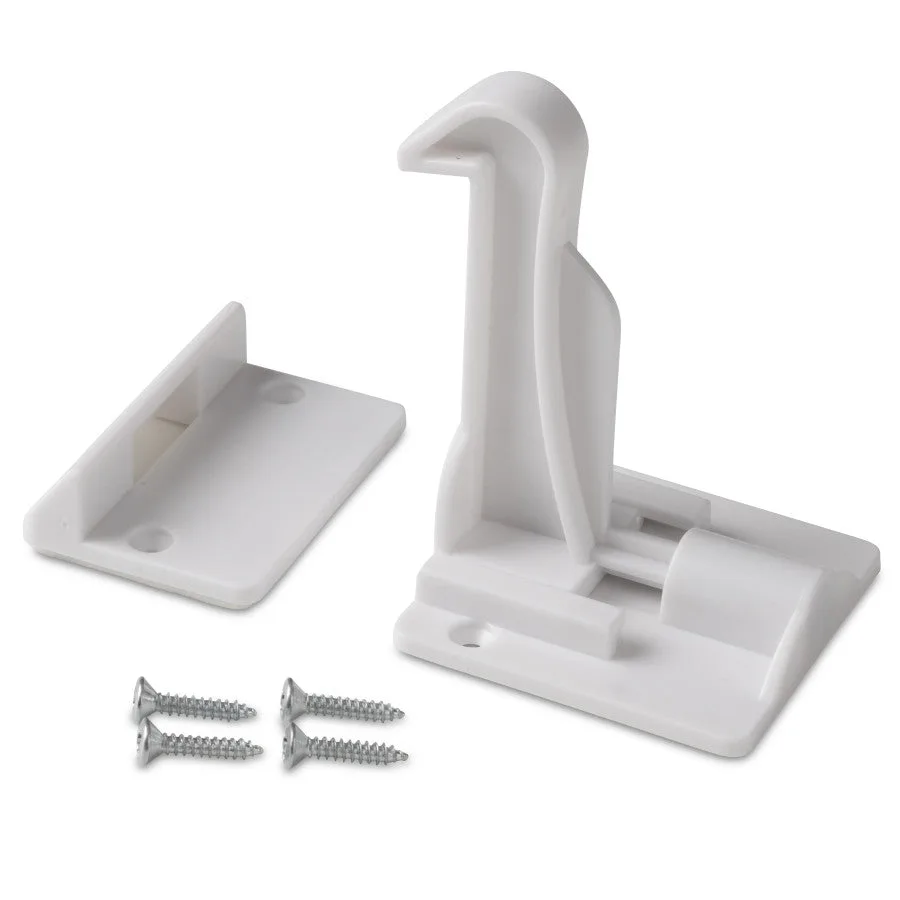
Cabinet & Drawer Latches Support