Quick Answer
To integrate metal coins into your board game economy, start by identifying which tokens represent currency, then replace them with metal coins of matching denominations. Use a step-by-step replacement process to ensure smooth gameplay and a satisfying tactile experience.
Metal coins can transform the feel of any board game, adding weight and satisfaction to every transaction. Whether you're upgrading a classic like Realm of Reckoning or adding flair to a newer title, integrating metal coins requires a bit of planning to keep gameplay smooth.
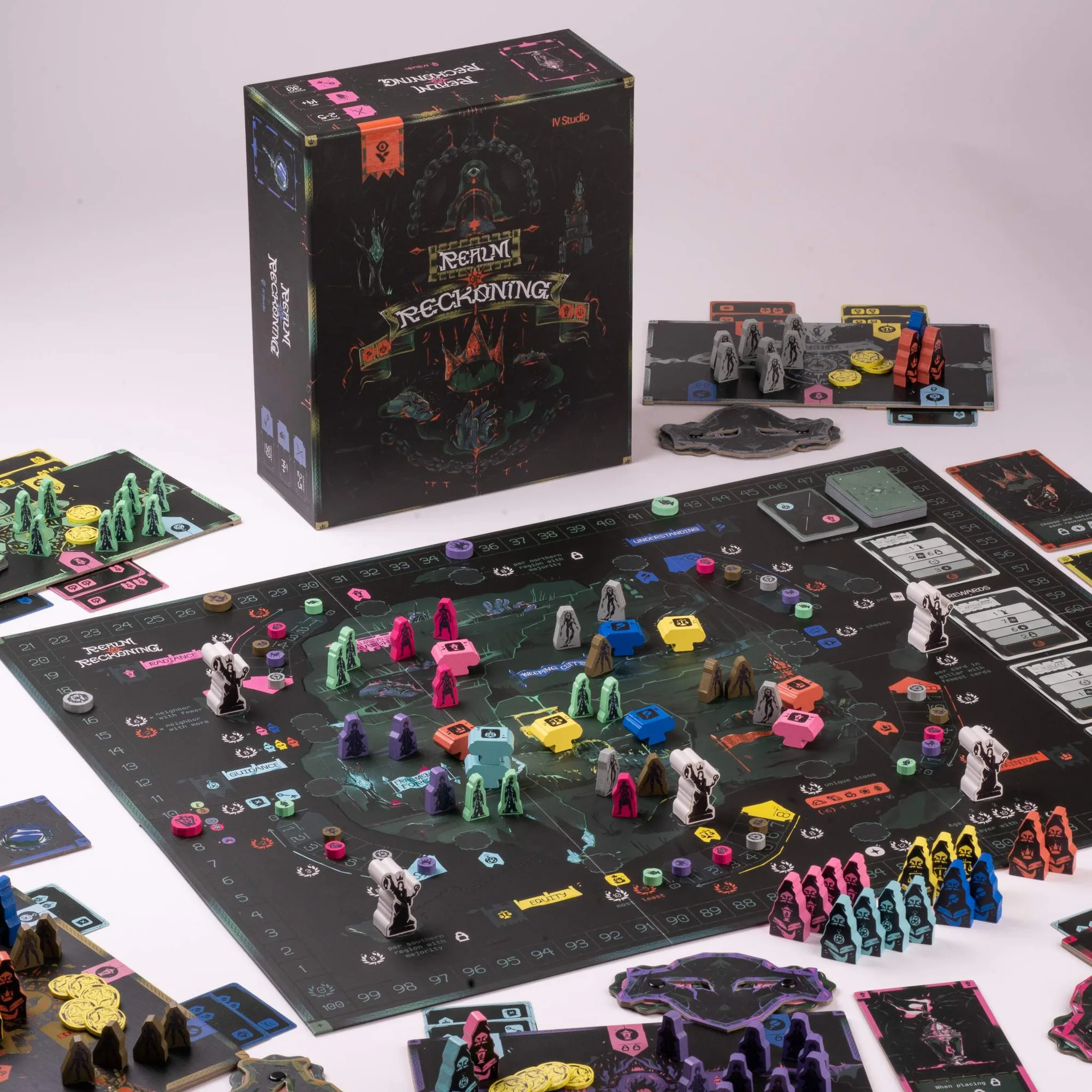
Realm of Reckoning
This guide walks you through the process of swapping out standard tokens for metal coins, from assessing your game's economy to handling mixed components. You'll learn practical steps that work for most games, along with common pitfalls to avoid.
Assess Your Game's Currency Needs
Before you start, identify which components in your game act as currency. Look for tokens or cubes that represent money, resources, or points. In many games, these are the most frequently handled pieces, so upgrading them gives the biggest tactile payoff.
Check the denominations and quantities you need. Some games use a single type of coin, while others have multiple values. Make a list of what you'll replace, and consider whether metal coins with similar denominations are available or if you'll need to adapt.
- Common mistake: replacing all tokens without checking if some are used for other purposes (like scoring).
Choose Compatible Metal Coins
Select metal coins that match the size and denomination of your game's original tokens. If exact matches aren't available, choose coins that are close in size and clearly distinguishable by value. For games with multiple denominations, ensure each metal coin type is visually distinct to avoid confusion.
Consider the game's theme. Coins with a medieval or fantasy design fit games like Realm of Reckoning, while sci-fi games might benefit from sleek, futuristic coins. The goal is to enhance immersion without clashing with the game's aesthetic.
- Checkpoint: Test that the metal coins fit in the game's designated spaces (e.g., player boards or trays).
Plan the Replacement Process
Decide whether you'll replace all currency tokens at once or gradually. For a smooth transition, replace all identical tokens simultaneously so players don't have to remember which are metal and which are not. If you're testing, start with a single denomination to see how it feels.
Communicate the change to your gaming group before you start. Let them know that metal coins are now the standard currency and that any remaining plastic or wood tokens are for other purposes. This prevents confusion during play.
- Common mistake: mixing metal and non-metal coins of the same denomination, leading to confusion.
Handle Mixed Components Gracefully
In some games, you may not have enough metal coins to replace every single token. In that case, use metal coins for high-value denominations and keep the original tokens for low-value ones. This still gives you the premium feel where it matters most.
Alternatively, use metal coins as a 'deluxe' set for special occasions, while keeping the standard tokens for everyday play. This approach preserves the novelty and extends the life of your metal coins.
- Tip: Store metal coins separately from standard tokens to avoid accidental mixing.
Test and Adjust During Gameplay
After integrating metal coins, play a test round to see how they handle. Pay attention to how easily players can pick them up, stack them, and distinguish values. If coins are too slippery or too similar in design, consider adjusting your selection.
Be open to feedback from your group. If they find the coins difficult to use, you might need to swap out certain denominations or add a reference card. The goal is to enhance the experience, not hinder it.
- Checkpoint: Ensure that metal coins don't obscure important information on the board or player components.
Step-by-Step Integration Process
- Inventory your currency tokens: List all tokens that represent money or resources, noting their denominations and quantities. Checkpoint: You now know exactly what you need to replace.
- Source matching metal coins: Find metal coins that match the size, denomination, and theme of your game. If exact matches aren't available, choose close alternatives that are visually distinct. Common mistake: Buying coins that are too large or too small, making them hard to handle.
- Replace tokens before the game starts: Swap out the original tokens with metal coins before players sit down. Ensure all players know the new currency. Checkpoint: No one should be surprised during play.
- Play a trial round: Run a practice game to see how the coins feel in practice. Adjust if needed. Takeaway: If coins are slippery or confusing, consider a different set or add a reference card.
Metal Coin Upgrades for Your Games
- Realm of Reckoning Metal Coins: 25 metal coins to upgrade the wood coins in Realm of Reckoning. This set provides a direct replacement for the game's currency, offering a premium feel without needing to purchase a new game.
- https://ivstudiosed.com/products/veiled-fate-metal-city-token-b0e77e5ac71ece94114e2eb1-1121649Veiled Fate Metal City Token: A metal upgrade for the plastic city token that is included in the Veiled Fate base game. While not a coin, this token upgrade shows how metal components can enhance key pieces, improving durability and tactile satisfaction.
Integrating metal coins into your board game economy is a simple upgrade that can dramatically improve your gaming experience. By following these steps, you'll ensure a smooth transition that delights players and adds lasting value to your favorite games.
![[3x] Tend Playmat](https://xilands.com/api/media/sync/bf/bfc8fe574f8453aeaa444b92da9a9429d51ee85b9ed605b8713f0aedb12dc602.webp)