Quick Answer
To introduce a new dog bed, start by placing it in a quiet, familiar area and making it smell like your dog. Use treats and praise to create positive associations, and never force your dog to stay on the bed. With patience and consistency, most puppies and rescue dogs will learn to love their new sleeping spot.
Bringing home a new dog bed is exciting, but for a puppy or a rescue dog, it can feel unfamiliar and even scary. Whether you're welcoming a new furry family member or upgrading your current dog's sleeping setup, a smooth introduction is key to ensuring they actually use the bed.
In this guide, we'll walk you through practical steps to help your dog feel comfortable and secure in their new bed. From choosing the right location to using positive reinforcement, these tips are designed to make the transition easy for both of you.
Why Dogs May Resist a New Bed
Dogs are creatures of habit. A new bed comes with unfamiliar smells, textures, and location, which can be off-putting for a puppy or a rescue dog who may have had negative experiences in the past. Rescue dogs, in particular, might be wary of new objects or associate certain spaces with stress.
Understanding your dog's perspective is the first step. Patience is crucial. Never force your dog onto the bed or punish them for avoiding it. Instead, create a positive environment that encourages them to explore and settle on their own.
- Consider your dog's past experiences – rescue dogs may need extra time.
- Place the bed in a low-traffic, quiet area where your dog already feels safe.
Step-by-Step Introduction
The introduction process should be gradual and rewarding. Start by placing the bed in a spot your dog already likes, such as near your couch or in a corner of the living room. Add a familiar blanket or an item of your clothing to the bed to make it smell like home.
Encourage your dog to investigate the bed by tossing treats onto it or placing a favorite toy there. Use a cheerful voice and reward any positive interaction. Over time, your dog will associate the bed with good things.
- Use high-value treats like small pieces of chicken or cheese.
- If your dog is hesitant, start by rewarding them for simply looking at or sniffing the bed.
Choosing the Right Bed for Your Dog
Not all dog beds are created equal. Consider your dog's size, age, and sleeping habits. A bed that is too small or too large can be uncomfortable. For example, a medium-sized dog may need a bed that provides enough space to stretch out but still feels cozy.
If your dog is a chewer or tends to scratch, look for durable materials. Some beds are designed for outdoor use, like the Charitee Premium+ A-Frame Dog House, which is sturdy and weather-resistant. For indoor beds, consider waterproof options that are easy to clean.
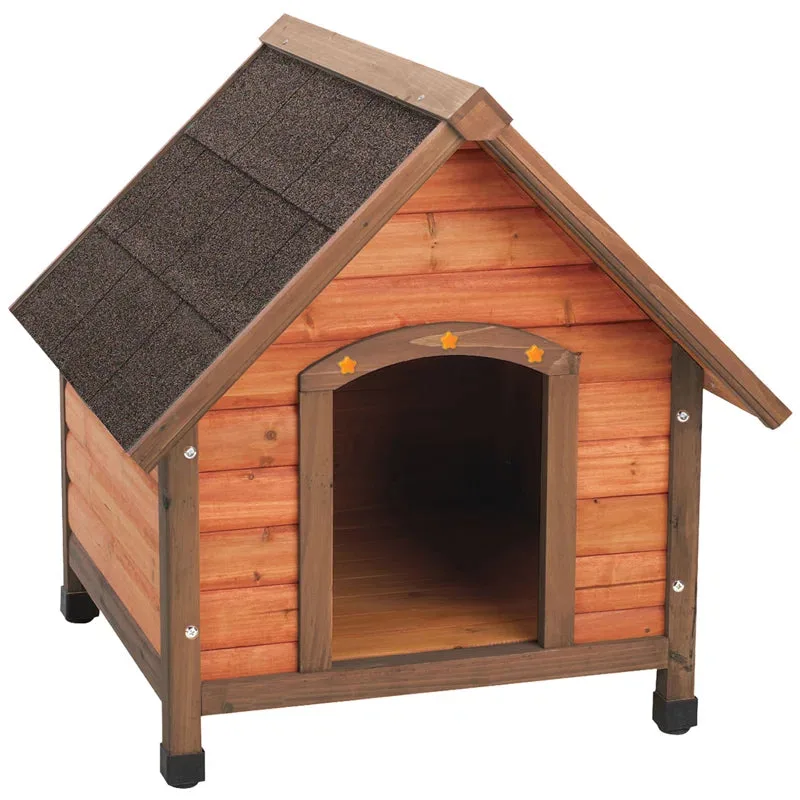
Charitee Premium+ A-Frame Dog House
- Measure your dog from nose to tail and add a few inches for the ideal bed size.
- If your dog is a senior, look for orthopedic beds with extra support.
Training Tips for Puppies and Rescue Dogs
For puppies, establishing a routine is essential. Use commands like 'bed' or 'place' and reward them when they go to their bed on their own. Consistency is key – always use the same command and reward system.
For rescue dogs, building trust is paramount. Spend time near the bed, giving your dog attention and treats while they are near it. Avoid forcing them to stay on the bed; instead, let them choose to lie down and reward that choice.
- Use a clicker if you have one to mark the exact moment your dog steps onto the bed.
- Never use the bed as a time-out spot – it should always be a positive place.
Step-by-Step Introduction Process
- Step 1: Choose the Right Location: Place the bed in a quiet, low-traffic area where your dog already feels safe. Avoid high-traffic zones like hallways or near doors. Checkpoint: Watch your dog's body language – if they seem relaxed, you've chosen well.
- Step 2: Make the Bed Smell Familiar: Place a blanket that smells like you or your dog on the bed. This helps your dog feel more secure and comfortable. Checkpoint: If your dog sniffs the bed and lies down, they're already feeling at home.
- Step 3: Use Positive Reinforcement: Toss treats onto the bed and praise your dog when they interact with it. Gradually increase the time they spend on the bed. Checkpoint: If your dog stays on the bed for a few minutes, reward them with a treat and gentle praise.
- Step 4: Encourage Naps and Bedtime: Once your dog is comfortable, encourage them to nap on the bed by placing a favorite toy or treat there. Use a command like 'bed' to signal it's time to settle. Checkpoint: If your dog chooses the bed for a nap without prompting, your introduction is a success.
- Step 5: Be Patient and Consistent: Every dog is different. Some may take days, others weeks. Stay consistent with your training and never force your dog onto the bed. Checkpoint: If your dog is still hesitant after a week, reassess the bed's location or comfort level.
Product Recommendations
- Charitee Premium+ A-Frame Dog House: Medium size fits dogs comfortably: 32" H x 30.75" W x 34.5" D. Sturdy construction supports everyday outdoor use. Classic A-frame design blends well with most backyard settings. If you're looking for an outdoor shelter, this dog house provides a sturdy and comfortable retreat for your dog, blending with your backyard while offering protection from the elements.
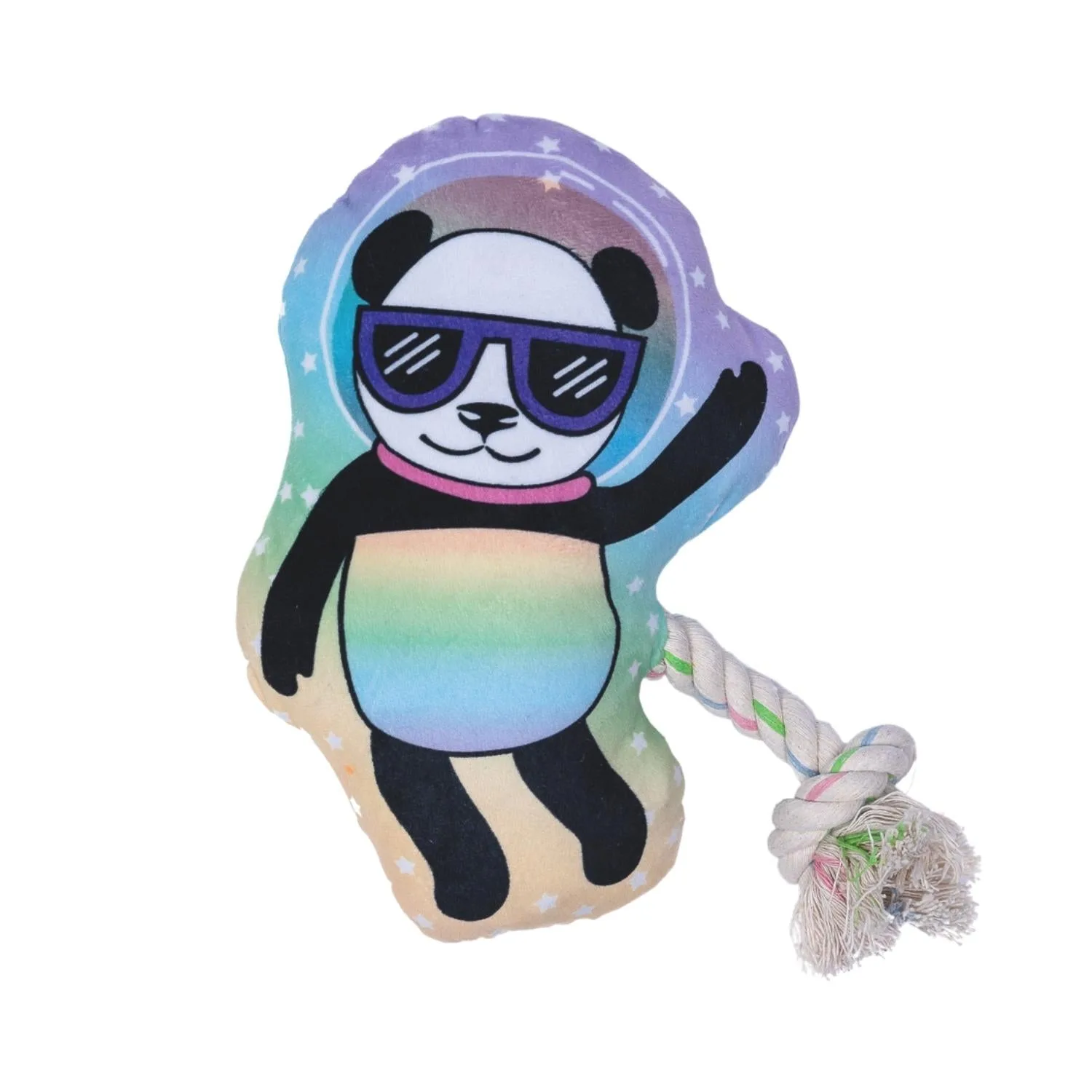
- Octopus Natural Rope Dog Toy: Long natural cotton ropes securely fastened in a thick body that dogs love to grasp... and yes, a squeaker inside. Made with vegetable dyes, this adorable character is great for bedtime cuddles too! This toy can be used to make the bed more inviting. Toss it onto the bed to encourage your dog to investigate and associate the bed with fun and comfort.
- Ostrich Chunky Bones (5" x 2" - 2 Pack): The Long-Lasting, Flavor-Packed Bones for Medium to Large Dogs: Each bag contains two (2) perfectly sized (5" x 2") hypoallergenic ostrich bones packed with flavor and essential nutrients, making them a healthy and satisfying treat for pups who crave a good gnawing session. Use these bones as a special treat to reward your dog for using their bed. The long-lasting chew will keep them occupied and create a positive association with the bed.
Introducing a new dog bed to your puppy or rescue dog doesn't have to be a struggle. By following these steps and being patient, you'll help your furry friend feel safe and comfortable in their new sleeping spot. Remember, the goal is to create a positive association, so keep the experience stress-free and rewarding for both of you.