Quick Answer
To introduce a cat slow feeder to a picky eater, start by placing the feeder near their regular bowl without food, then gradually add small amounts of their favorite treats or kibble. Increase the food amount over several days while monitoring their comfort. Patience and positive reinforcement are key.
cat slow feeder
If your cat turns up their nose at new feeding tools, you're not alone. Many cats are creatures of habit, and a sudden change in their bowl can be met with suspicion. However, a slow feeder can offer real benefits, such as slowing down eating to improve digestion and providing mental stimulation. The trick is to introduce it gradually and make the experience positive.
This guide will walk you through a step-by-step process to help your picky eater accept a slow feeder. We'll cover everything from choosing the right moment to troubleshooting common issues, so you can make mealtime enjoyable for both of you.
Why Cats Resist New Bowls
Cats can be sensitive to changes in their environment, including their feeding routine. A new bowl might look, smell, or feel different, which can trigger caution. For picky eaters, the texture of the silicone or the need to work for food might seem unfamiliar and unappealing at first. Understanding this resistance is the first step to overcoming it.
The good news is that with patience and a gradual approach, most cats can learn to enjoy a slow feeder. The key is to associate the new feeder with positive experiences, such as tasty food and calm mealtimes. By following a structured introduction, you can help your cat feel safe and curious rather than threatened.
- Place the slow feeder in a quiet, familiar spot where your cat usually eats.
- Keep the feeder visible but not in use for a day or two so your cat can investigate it on their own terms.
Preparing the Slow Feeder
Before introducing the slow feeder, make sure it's clean and free of any strong odors that might put your cat off. Wash it with mild soap and warm water, rinse thoroughly, and let it air dry. If the feeder is made of silicone, like the Wildone Dog Slow Feeder, it's dishwasher-safe, making cleaning easy.
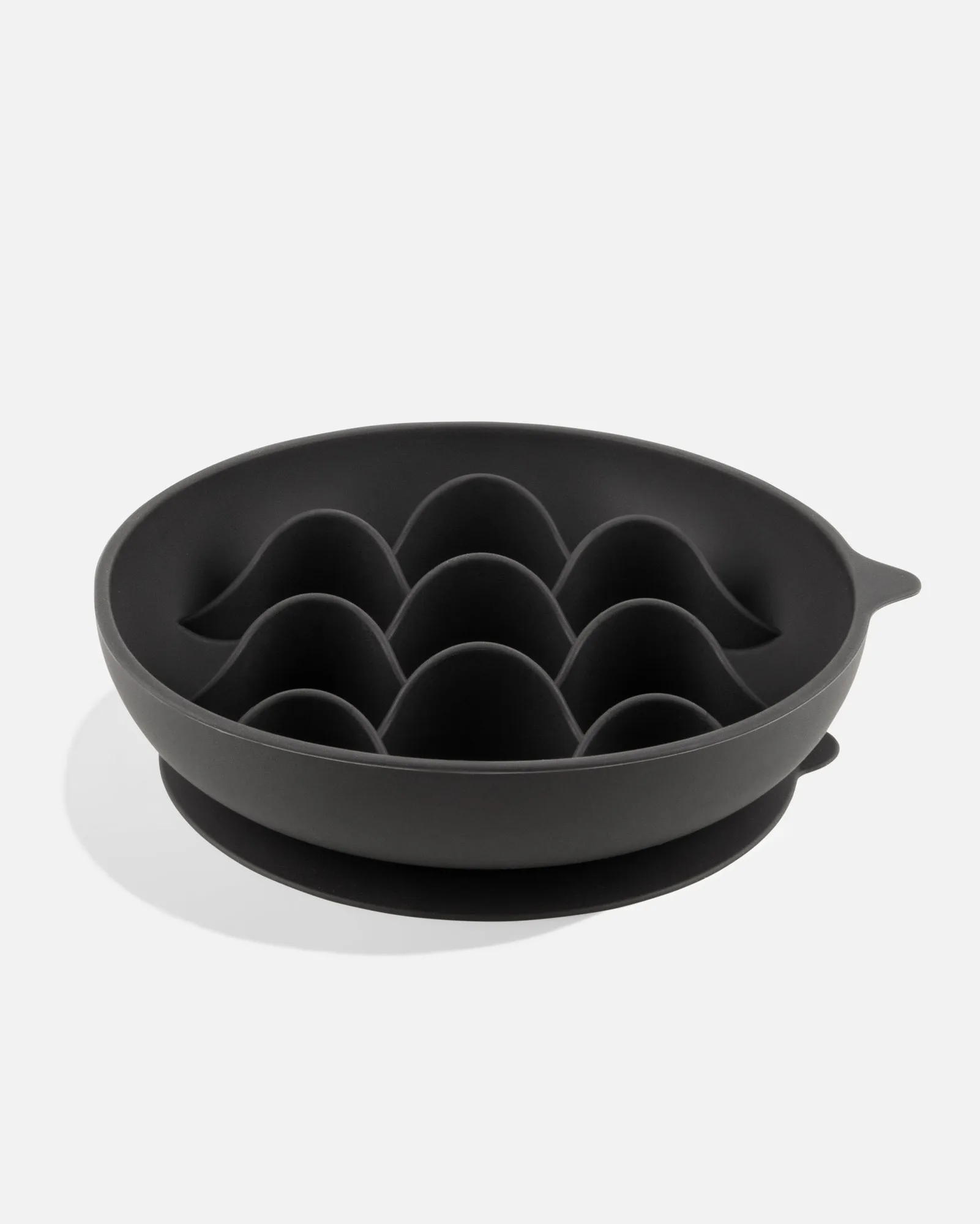
Dog Slow Feeder
Consider the food you'll use. For picky eaters, starting with their favorite treats or a small amount of wet food can increase appeal. You can also try placing a tiny bit of tuna juice or broth (ensure it's cat-safe) in the ridges to pique their interest. The goal is to make the feeder smell inviting.
- Use a treat that your cat loves but doesn't get often to create excitement.
- If your cat is used to wet food, a small smear on the feeder can help them engage.
Step-by-Step Introduction
Start by placing the slow feeder next to your cat's regular bowl during mealtime, but don't put food in it yet. Let your cat sniff and explore it while they eat. After a few meals, move their regular food into the slow feeder for just the first few bites, then switch back to the regular bowl. This helps your cat associate the feeder with positive eating experiences.
Gradually increase the amount of food in the slow feeder over several days. If your cat seems frustrated or gives up, slow down the process. You can also try hand-feeding a few kibble pieces from the feeder to show them that food comes from it. Always praise and reward your cat for interacting with the feeder, even if they just sniff it.
- Keep the first few sessions short—just a few minutes—to avoid overwhelming your cat.
- Never force your cat's head into the feeder; let them approach at their own pace.
Troubleshooting Common Issues
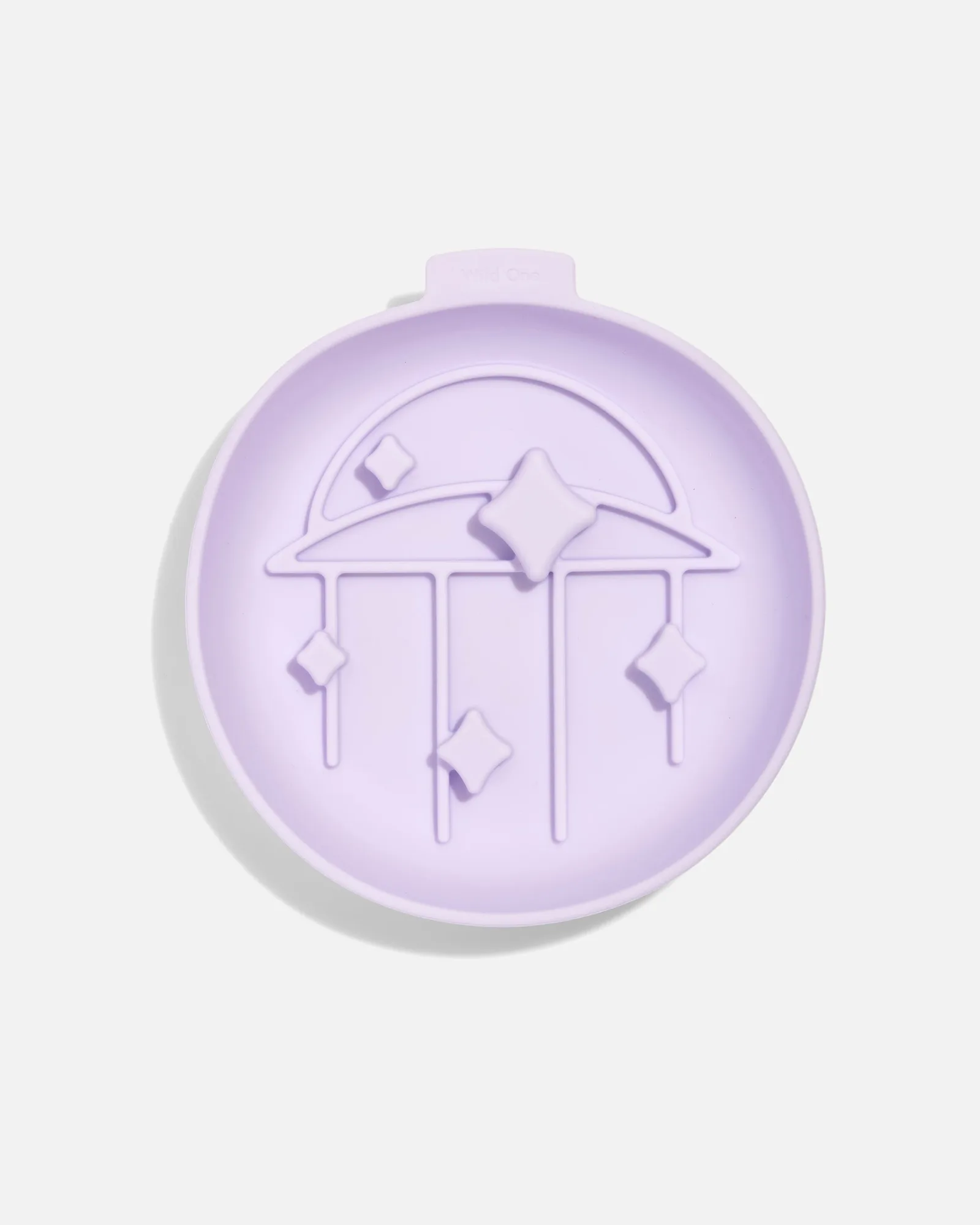
If your cat refuses to eat from the slow feeder after a week, consider the feeder's design. Some cats prefer shallower or wider ridges. The Wildone Dog Slow Feeder features unique ridges and valleys that can be customized by not filling every ridge, making it easier for a hesitant eater. You can also try placing a familiar item, like a small piece of your cat's blanket, near the feeder to comfort them.
Another common issue is that your cat might try to tip the feeder over. Look for a feeder with a non-slip base, such as the suction base on the Dog Slow Feeder, which provides stability and prevents spills. If your cat still struggles, you can hold the feeder steady during the first few meals until they get the hang of it.
- If your cat is frustrated, offer a few kibble pieces on the floor near the feeder to build confidence.
- Monitor your cat's eating speed; if they're still eating too fast, you may need to add more obstacles or use a feeder with deeper ridges.
Maintaining Healthy Eating Habits
Once your cat is comfortable with the slow feeder, you can enjoy the benefits of slower eating and better digestion. The interactive challenge also provides mental stimulation, which is especially important for indoor cats. To keep things interesting, you can occasionally hide treats in the ridges or rotate between different feeding toys.
Remember that every cat is unique. Some may take to a slow feeder within days, while others may need a few weeks. Be patient and consistent. If your cat has any health issues, consult your veterinarian before making significant changes to their feeding routine.
- Use the slow feeder for all meals once your cat is fully comfortable, but keep an eye on their weight and eating behavior.
- Clean the feeder regularly to prevent bacteria buildup and maintain its non-slip properties.
Step-by-Step Introduction Plan
- Step 1: Let Them Explore: Place the clean slow feeder near your cat's current bowl without food. Allow them to sniff and inspect it for a day or two. Checkpoint: Your cat shows no fear or avoidance when the feeder is nearby.
- Step 2: Add Familiar Food: Put a small portion of your cat's regular food or favorite treat in the feeder, but keep their main meal in the usual bowl. Checkpoint: Your cat approaches and eats from the feeder at least once.
- Step 3: Gradually Increase Portions: Over several days, increase the amount of food in the slow feeder while reducing what's in the regular bowl, aiming for a full transition. Checkpoint: Your cat finishes a full meal from the slow feeder without frustration.
Products That Can Help
- Dog Slow Feeder: The Slow Feeder features unique ridges and valleys, which can provide an interactive challenge to make mealtime more mentally stimulating, and it can reduce the speed of their eating to improve overall digestion. The non-slip, suction base ensures stability and prevents spills. Even though it's labeled for dogs, its design can be adapted for cats. The suction base prevents tipping, and you can control the difficulty by how much food you place in the ridges, making it a versatile option for picky eaters.
- Cat Meal Kit: Upgrade your cat’s mealtime routine with this all-in-one cat feeding kit, featuring a slanted stainless steel cat bowl, silicone slow feeder, and non-slip placemat. Designed to support healthier eating habits, reduce whisker fatigue, and keep floors clean. If you're looking for a complete solution, this kit includes a slow feeder designed specifically for cats. The placemat keeps messes contained, and the slanted bowl reduces whisker fatigue, making mealtime more comfortable for your picky eater.
Introducing a slow feeder to a picky eater takes time, but with patience and a gradual approach, your cat can learn to enjoy healthier, slower meals. Remember to celebrate small victories and consult your vet if you have concerns. Soon, mealtime can be both fun and beneficial for your feline friend.