Quick Answer
Introduce dog goggles slowly: let your dog sniff and wear the Rex Specs for seconds at a time, reward calm behavior, and only fasten the strap once the goggles are already familiar. Build up to longer wear indoors before adding movement, then practice outdoors. If your dog freezes, paws at the goggles, or tries to rub them off, you moved too fast. Go back a step and keep sessions short and positive.
Dog goggles are not a fashion accessory you can just strap on and forget. For dogs who ride in open vehicles, run in brush, or train in bright sun and wind, dog goggles for active dogs protect the eyes from debris, UV, and drying air. But the gear only works if your dog tolerates it. That tolerance is built through short, calm sessions, not one forced fitting.
This plan walks you through introducing dog goggles step by step, with checkpoints so you know when to move forward and when to pause. You will also see how to get Rex Specs fit right, because a loose or pinching frame is the fastest way to turn a training session into a wrestling match.
Why Dog Eye Protection Training Matters Before You Need It
If you only pull out the goggles on the day of a desert hike or a motorcycle ride, your dog has no context for them. The unfamiliar pressure around the head and the reduced peripheral vision can trigger pawing, freezing, or bolting. Starting at home in a low-distraction room lets your dog process the sensation without the added stress of a new environment.
Think of it like crate training or nail trimming: the first few sessions are about calm exposure, not completion. You are teaching your dog that the goggles predict treats and praise, and that they come off when your dog stays relaxed. That association is what makes real-world use possible later.
- Keep the first three sessions under two minutes each.
- Use high-value treats your dog only gets during goggle work.
- Stop while your dog is still succeeding, not after they fail.
Set Up the Environment and Gear Before the First Session
Choose a quiet room with no other pets and a non-slip surface. Have your treats pre-cut and within reach so you are not fumbling while your dog waits. Check that the Rex Specs lens is clean and the strap is adjusted loosely enough to slide over the head without pulling ears. If your dog has never worn a head collar or muzzle, expect a slightly longer adjustment period.
A common mistake is starting on a walk or in the yard because it feels convenient. New sights and sounds compete with the goggles, and your dog is more likely to shut down. Save the outdoors for after your dog willingly holds their head still while you place the goggles on.
- Work on a mat or bed your dog already associates with calm.
- Have a second person ready only if your dog is comfortable with them.
- Skip sessions on days your dog is unusually tired or wired.
Step 1: Let Your Dog Investigate the Goggles Without Wearing Them
Place the goggles on the floor and let your dog sniff them. Reward any calm curiosity, including a simple look toward the goggles. Do not push them toward your dog's face. If your dog backs away, drop a treat near the goggles and end the session on that note. Repeat until your dog approaches the goggles without hesitation.
This step is where many owners rush. They pick up the goggles and immediately try to slip them on, which teaches the dog that the object is something to avoid. A few extra sessions of sniffing and treat-scattering cost you almost nothing and make the next step much easier.
- Checkpoint: your dog looks at or sniffs the goggles without retreating.
- Mistake to avoid: holding the goggles over your dog's head during this step.
Step 2: Rest the Goggles on Your Dog's Head Without Fastening
With treats in one hand, gently rest the goggles on top of your dog's head for one second, then remove them and treat. Do not fasten the strap yet. The goal is to teach your dog that the goggles touch the head and nothing bad happens. Repeat three to five times per session, always removing the goggles before your dog tries to shake them off.
If your dog ducks away, you are moving too fast. Go back to Step 1 for a session or two. If your dog holds still, you can gradually increase to two or three seconds of resting the goggles on the head. Keep your hand light so the goggles do not press down on the ears.
- Checkpoint: your dog holds still for two seconds with the goggles resting on the head.
- Mistake to avoid: tightening the strap before your dog accepts the weight of the goggles.
Step 3: Fasten the Strap Loosely and Build Wear Time
Once your dog accepts the goggles resting on the head, fasten the strap just enough to hold the goggles in place. You should be able to slide one finger under the strap. Treat, then remove the goggles after two to three seconds. Over several sessions, extend wear time to ten seconds, then thirty, then a minute, always treating for calm behavior and removing the goggles before your dog paws at them.
This is the desensitizing dog goggles phase. Progress is measured in seconds, not minutes. If your dog freezes, stares, or stops taking treats, the session is over. A dog who stops eating is a dog who is over threshold, and pushing through that moment sets you back.
- Checkpoint: your dog wears the goggles for thirty seconds without pawing.
- Mistake to avoid: leaving the goggles on while your dog is visibly uncomfortable.
Step 4: Get Rex Specs Fit Right Before Adding Movement
A correct Rex Specs fit keeps the lens away from the eyes and the strap secure without pinching. The frame should sit level on the muzzle, with the lens not touching the eyes or eyelashes. The strap should be snug enough that the goggles do not rotate when your dog shakes their head, but loose enough that you can still slide a finger underneath. Check the fit after every adjustment and recheck it as your dog moves.
Dog goggles sizing varies by model and head shape, so use the manufacturer's measuring guide rather than guessing from breed. If the goggles slide down the muzzle or the lens presses against the eyes, stop and adjust before continuing. A poor fit is the most common reason dogs refuse to wear goggles, and no amount of treat training fixes a frame that hurts.
- Checkpoint: goggles stay level when your dog walks and shakes their head.
- Mistake to avoid: assuming one size fits all because the strap has room to adjust.
Step 5: Add Movement, Then Distraction, Then the Outdoors
With the goggles fitted and your dog comfortable wearing them for a minute indoors, add movement. Ask for a few steps, then a sit, then a short walk around the room. Treat for calm movement. If your dog pawing at the goggles returns, shorten the session and go back to standing still. Once indoor movement is easy, add a familiar outdoor space like your yard before moving to trails or vehicles.
For dogs who ride in open vehicles, practice with the goggles on while the car is parked, then with the engine running, then on a short slow drive. For dogs who run alongside a bike or ATV, start at walking pace in a safe area. The pattern is the same: add one new variable at a time and keep sessions short enough that your dog stays relaxed.
- Checkpoint: your dog moves calmly with the goggles on in a familiar outdoor space.
- Mistake to avoid: jumping straight to a trail, ride, or busy street.
How to Handle Setbacks Without Losing Progress
Setbacks are normal. A dog who wore the goggles happily yesterday may paw at them today because of a change in weather, energy, or environment. Treat it as information, not failure. Drop back one step, keep the session short, and end with a win. If your dog has gone several sessions without progress, consider whether the fit is wrong, the treats are not high-value enough, or your dog needs a break from goggle work altogether.
Never punish a dog for pawing at the goggles. Punishment adds stress to an already unfamiliar sensation and makes future sessions harder. If your dog is genuinely distressed, stop and consult a trainer or veterinary behaviorist before continuing. Some dogs need more time, and some dogs are not good candidates for goggles at all.
- Checkpoint: your dog returns to the previous step without stress.
- Mistake to avoid: repeating a failed session instead of lowering the difficulty.
Your Step-by-Step Goggle Introduction Plan
- Step 1: Sniff and investigate: Place the goggles on the floor and reward calm curiosity. Do not put them on your dog yet. Checkpoint: your dog approaches the goggles without backing away.
- Step 2: Rest on the head: Rest the goggles on your dog's head for one second, remove, and treat. Repeat three to five times. Checkpoint: your dog holds still for two seconds without ducking.
- Step 3: Fasten loosely and build time: Fasten the strap with room for one finger and extend wear from seconds to a minute. Checkpoint: thirty seconds of calm wear without pawing.
- Step 4: Dial in Rex Specs fit: Level the frame on the muzzle, keep the lens off the eyes, and recheck after every adjustment. Checkpoint: goggles stay level when your dog shakes their head.
- Step 5: Add movement and distractions: Practice walking indoors, then in a familiar yard, then in the real environment your dog will work in. Checkpoint: calm movement outdoors before trails, rides, or busy streets.
- Step 6: Handle setbacks by stepping back: If your dog paws or freezes, drop back one step, shorten the session, and end with a win. Checkpoint: your dog returns to the previous step without stress.
Gear That Supports Goggle Training and Active Dogs
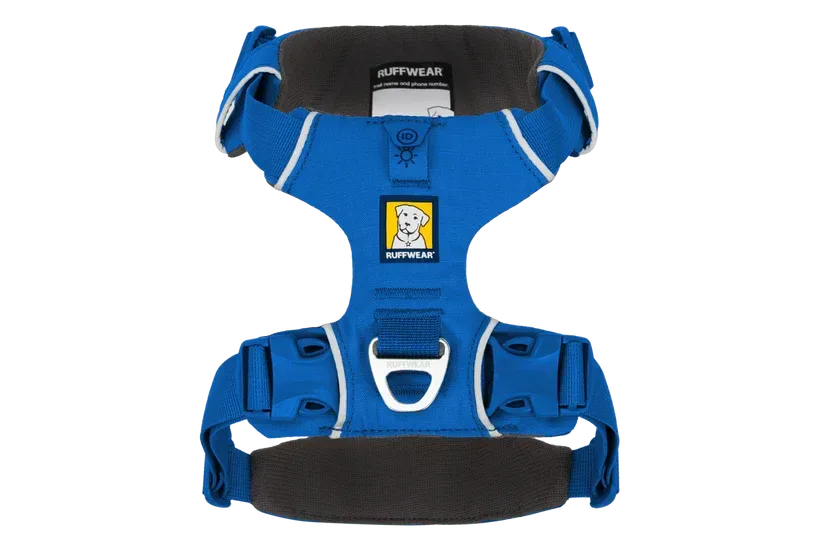
- Ruffwear Front Range Harness: The Front Range Harness is a padded everyday harness with two leash attachment points, an aluminium V-ring on the back, and a reinforced front clip to help manage pulling. A secure, padded harness gives you a reliable connection point during outdoor goggle practice, especially if your dog startles or pulls when the goggles go on.
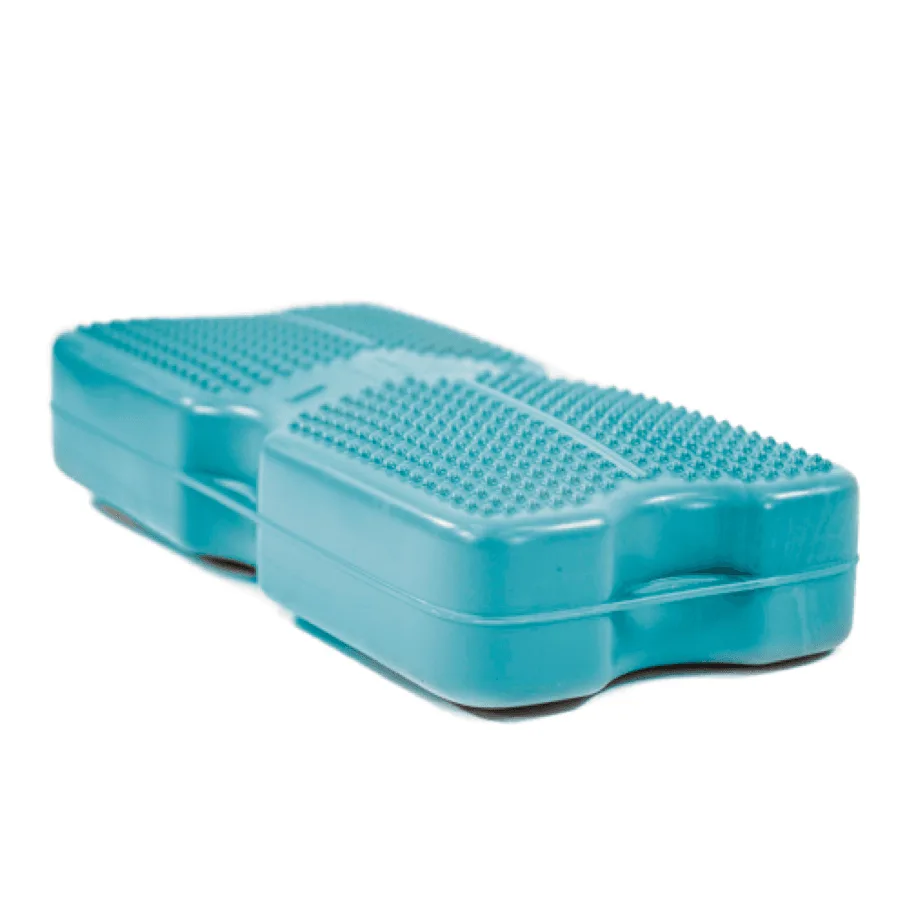
- Propel Air Platform by Blue-9: The Propel Air Platform is an inflatable training platform with connection points and Pro-Gridlines designed to help build balance, agility, and strength. Platform work gives your dog a calm, structured task to focus on while wearing goggles, which can reduce pawing and build confidence in short sessions.
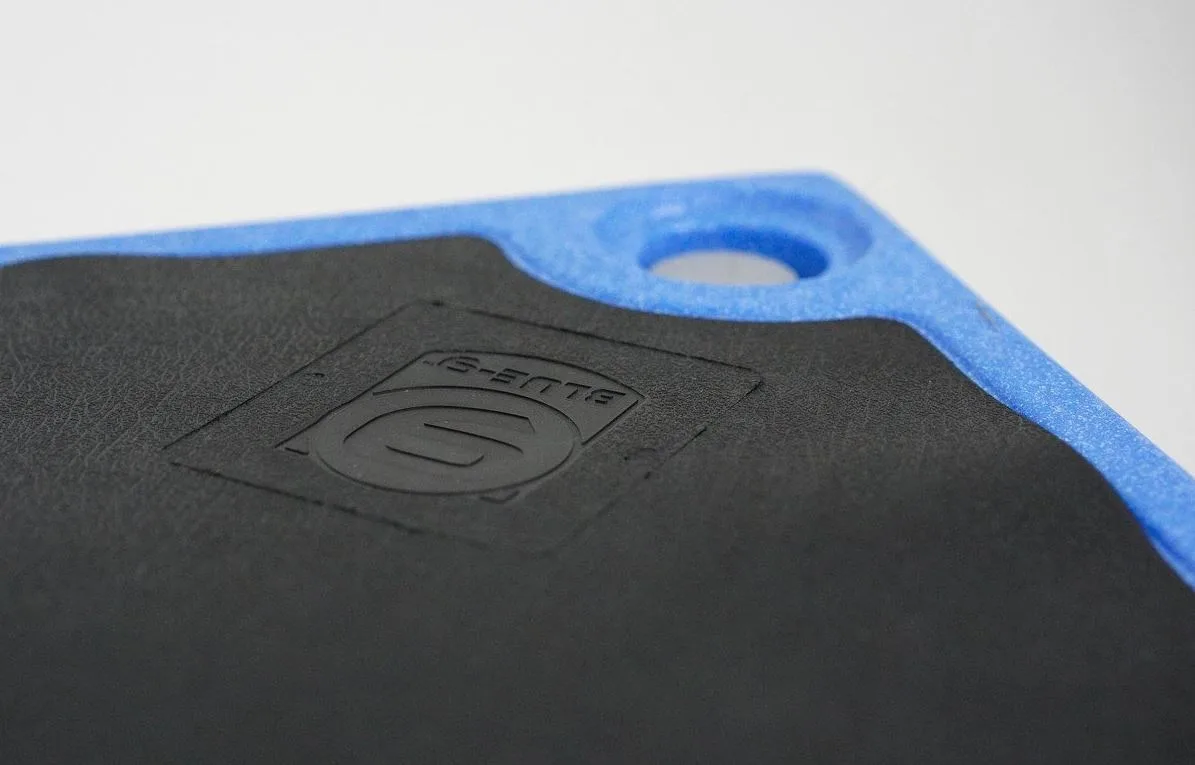
- KLIMB Traction Mat: The KLIMB Traction Mat is a rubber dog training mat designed to fit on top of the KLIMB platform and provide a slip-free surface. If you practice goggle wear on a platform, a traction mat keeps your dog steady so they are not distracted by sliding feet while adjusting to the goggles.
Introducing dog goggles is a training project, not a single fitting. Go slowly, get the Rex Specs fit right before you add movement, and treat every calm second as progress. If you build the behavior at home first, your dog will be far more likely to wear protective eyewear for dogs comfortably when it actually matters.