Quick answer
Wait until your baby is at least 12 months old before placing a lovey in the crib, because loose items increase suffocation risk for younger infants. Around 12–18 months, introduce one small, breathable lovey during supervised daytime naps first, then move it to nighttime once your baby shows attachment. Choose a lovey with no detachable parts and keep it the only soft object in the crib.
Why the 12-Month Mark Matters for Lovey Safety
The American Academy of Pediatrics recommends keeping all soft objects, including loveys, out of the crib until after your baby's first birthday. Before 12 months, babies lack the motor skills to move a lovey away from their face if it blocks breathing. After 12 months, the risk drops significantly, but you should still choose a lovey that is small, flat, and breathable. A lovey is not a replacement for a sleep sack or proper sleepwear; it is a comfort object that can help with separation anxiety and sleep associations.
How to Pick a Safe Lovey for Crib Sleep
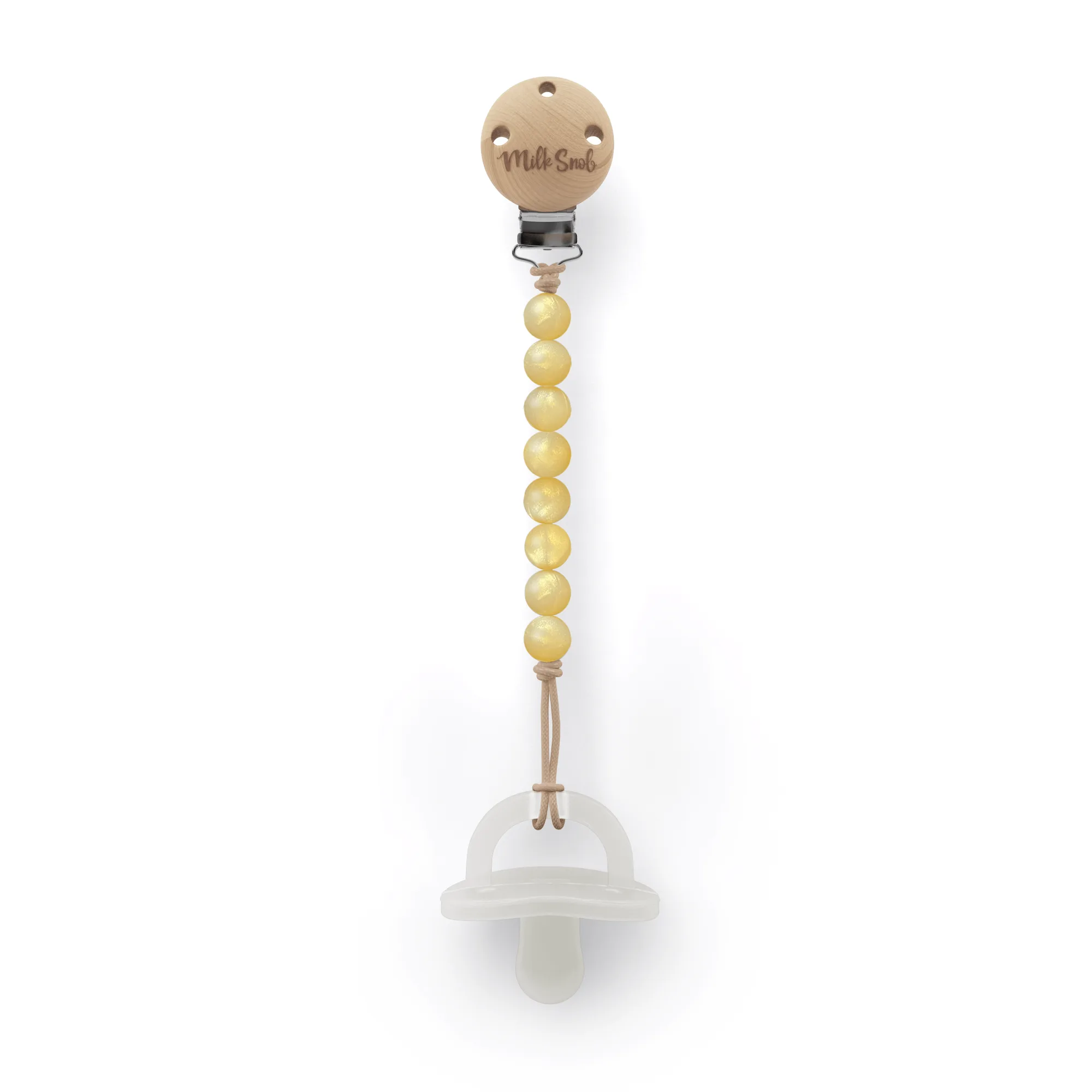
Look for a lovey that is a single piece with no buttons, beads, ribbons, or plastic clips that could detach. It should be small enough to fit in your hand and made of breathable fabric. Avoid weighted loveys, loveys with long strings, or any lovey that attaches to the crib. A mini security blanket like the Pumpkin Patch Lovey is designed to comfort babies and can attach to a pacifier or teether, but for crib sleep you should remove any pacifier clip or toy attachment to keep it safe. Always check the lovey for wear and tear before each sleep.
Step-by-Step: Introducing the Lovey During Daytime First
Start by letting your baby hold and cuddle the lovey during supervised playtime for a few days. Then, use it during a daytime nap while you are awake and watching. Place the lovey next to your baby, not on their face. If your baby ignores it, that is fine—do not force it. Repeat this for several naps until your baby reaches for the lovey on their own. Once you see that attachment, you can include the lovey at bedtime. Keep the lovey in the crib consistently so it becomes a sleep cue. Never tie the lovey to the crib or to your baby.
Common Mistakes to Avoid When Introducing a Lovey
One common mistake is introducing a lovey too early, before 12 months, because parents hope it will improve sleep. Another is choosing a lovey with a plastic clip or rattle that can break off. Some parents place multiple loveys in the crib, which increases the risk of suffocation. Also, avoid using a lovey that is too large or heavy; it can cover your baby's face. Finally, do not wash the lovey with harsh detergents that could irritate your baby's skin—use a gentle, fragrance-free detergent.
How a Lovey Fits Into Your Baby's Sleep Routine
A lovey can become part of a consistent bedtime routine. For example, after a bath and feeding, you can offer the lovey during a quiet cuddle before placing your baby in the crib. This helps your baby associate the lovey with sleep. If your baby wakes at night, they may find the lovey and self-soothe back to sleep. Keep the routine simple and repeat it every night. Remember that a lovey is not a sleep training method on its own; it works best alongside healthy sleep habits.
Your step-by-step lovey introduction plan
- Step 1: Wait until 12 months: Do not place any lovey in the crib before your baby's first birthday. This is the most important safety checkpoint. If your baby is younger, use the lovey only during supervised play. Checkpoint: Is your baby at least 12 months old? If not, stop here and revisit later.
- Step 2: Choose a safe lovey: Pick a small, breathable lovey with no detachable parts. Avoid weighted or oversized loveys. A mini security blanket like the Pumpkin Patch Lovey is a good size, but remove any pacifier clip or toy attachment before crib use. Checkpoint: Does the lovey have any small parts that could come loose? If yes, choose a different one.
- Step 3: Introduce during supervised daytime naps: Let your baby hold the lovey during play, then place it next to them during a nap while you are watching. Do this for several days until your baby shows attachment. Checkpoint: Does your baby reach for the lovey or calm down when holding it? If not, keep trying during play.
- Step 4: Move the lovey to nighttime: Once your baby is attached, include the lovey in the bedtime routine. Place it in the crib next to your baby, not on their face. Keep it in the crib consistently so it becomes a sleep cue. Checkpoint: Is the lovey the only soft object in the crib? If there are others, remove them.
- Step 5: Inspect and clean regularly: Check the lovey for tears or loose parts before each sleep. Wash it gently with fragrance-free detergent and keep a spare identical lovey for rotation. Checkpoint: Is the lovey still intact and clean? If not, replace it with a safe spare.
Product facts to consider
- PUMPKIN PATCH LOVEY: The Pumpkin Patch Milk Snob® Lovey is a mini security blanket, designed to make babies feel comforted. Attach it to a pacifier, teether, or other toy. This design features cute pumpkins and fall foliage on an off-white background. Pacifier not included. This lovey is small and can be used with a pacifier, but for crib sleep you should remove any attachment to keep it safe. The seasonal design is a nice option if you want a fall-themed comfort object.
- ALPINE FOOTED JAMMIES: The Alpine Milk Snob® footed pajamas are slightly stretchy to grow with your baby, lightweight, breathable, and are perfect for any season. This design features winter trees and adorable deer on a soft blue background. While not a lovey, these footed jammies can be part of a comfortable sleep routine. The breathable fabric helps prevent overheating, which is important for safe sleep. If your baby is attached to a lovey, pair it with pajamas like these for consistent comfort.