Quick answer
Start offering a straw cup around 6 months, when your baby can sit upright with support and shows interest in cups. Use a short, soft straw and a cup with a small volume; expect the first attempts to be messy and brief. Practice once a day, and let your baby set the pace.
Why a straw cup is worth the effort
A straw cup asks your baby to use a different mouth pattern than a bottle or sippy cup. That makes it a useful middle step: it still limits spills, but it doesn't rely on the same sucking motion as a bottle. Many parents find that once a baby gets the hang of a straw, it becomes the easiest cup to use on the go because it doesn't require tipping the cup far back.
Pick a cup that sets your baby up to succeed
The cup itself matters more than most parents expect. Look for a small cup (4 to 6 ounces is plenty at first), a lid that doesn't require hard biting, and a straw that is short enough that your baby doesn't have to pull liquid a long distance. A weighted straw can help when your baby tilts the cup, but it isn't required. If the straw is too long or too firm, your baby may give up before the first sip.
How to teach the straw without a fight
You don't need a special trainer cup to teach the straw. A simple trick is to dip the straw in a little milk or water, then place your finger over the top to trap a few drops. Offer the straw to your baby and release your finger so the liquid touches their lips. That gives them a taste and a reason to close their mouth around the straw. Repeat a few times, then put the straw back in the cup and let them try. Keep sessions short and stop before your baby gets frustrated.
Common mistakes and how to avoid them
The most common mistake is offering the cup only when your baby is already tired or hungry. A calm, alert moment after a nap or between feeds works better. Another mistake is filling the cup too full; a small amount of liquid makes it easier to draw up and less wasteful when it spills. Finally, don't switch back and forth between a bottle and a straw cup all day at first. Pick one consistent practice time so the new skill has a chance to stick.
Straw cup vs. sippy cup: which comes first?
Either can come first, but a straw cup is often recommended because it uses more mature oral muscles and doesn't require the same hard sucking as a sippy cup. A sippy cup may be easier for some babies to figure out, but it can also become a habit that's harder to break later. If your baby is struggling with a straw, it's fine to try a sippy cup for a few days and then come back to the straw. The goal is a cup, not a specific style.
Step-by-step straw cup introduction
- Wait for the right readiness signs: Around 6 months, most babies can sit upright with support and show interest in what you're drinking. Start then, not before. Checkpoint: your baby can hold their head steady and reach for the cup.
- Choose a small, soft straw cup: Pick a 4- to 6-ounce cup with a short, soft straw. Avoid cups with valves that require strong biting at first. Checkpoint: the straw bends easily when you press it.
- Offer a taste from the straw: Dip the straw in milk or water, trap a few drops with your finger, and let your baby taste it. This teaches the straw's purpose. Checkpoint: your baby closes their lips around the straw, even briefly.
- Put the straw in the cup and let them try: Fill the cup with just an ounce or two. Hold the cup steady if needed and let your baby explore. Don't force it. Checkpoint: any sucking attempt, even without liquid, is progress.
- Practice once a day at a calm time: Choose a time after a nap or between feeds. Keep sessions under five minutes and end on a positive note. Checkpoint: your baby accepts the cup without crying for three days in a row.
- Increase independence gradually: Once your baby can drink from the straw with help, let them hold the cup with both hands. Expect spills and keep a cloth nearby. Checkpoint: your baby can bring the straw to their mouth without your hand guiding the cup.
Products that can help with the transition
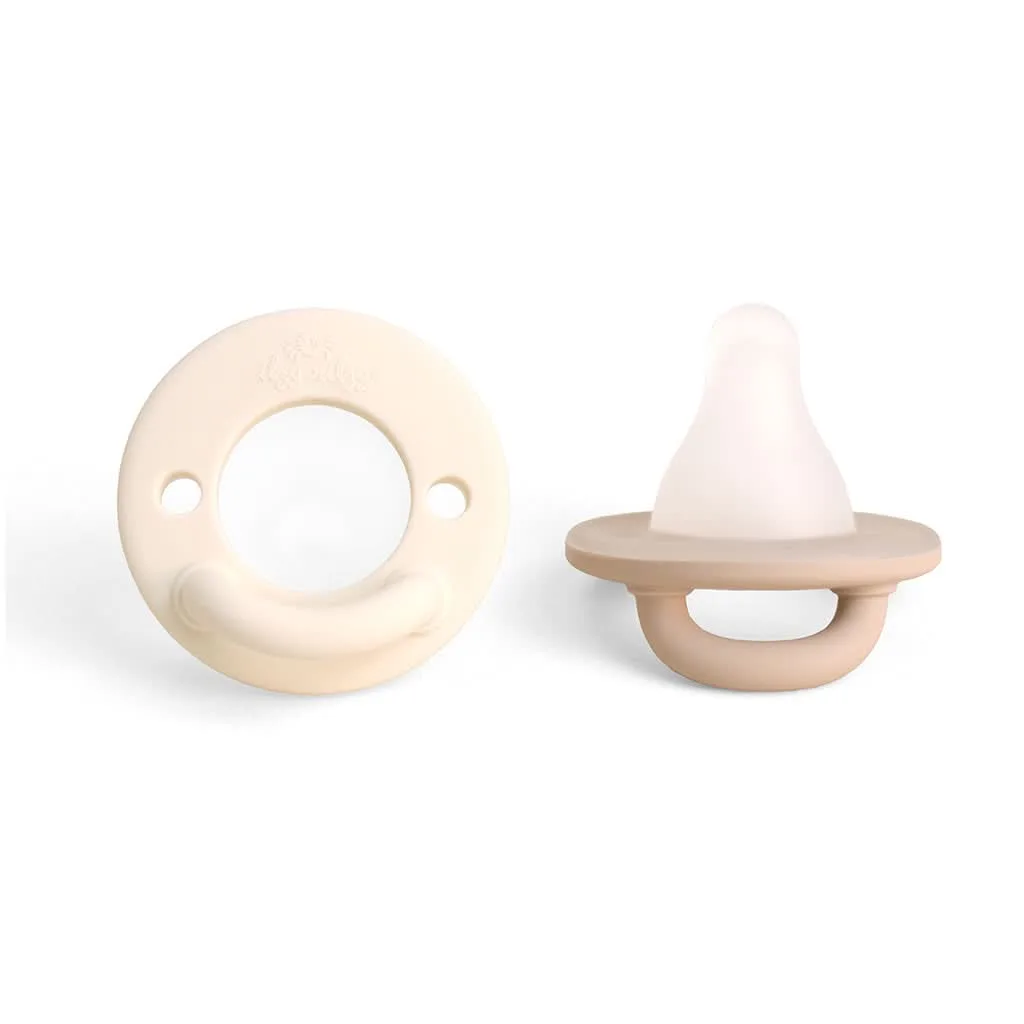
- Latch & Soothe™ Breastlike Pacifier: Latch & Soothe Breastlike Pacifier features a wide nipple base inspired by a mother's breast to encourage an open-mouth latch. If your baby is used to a wide latch from feeding, a pacifier with a similar shape may be more readily accepted during the transition period.
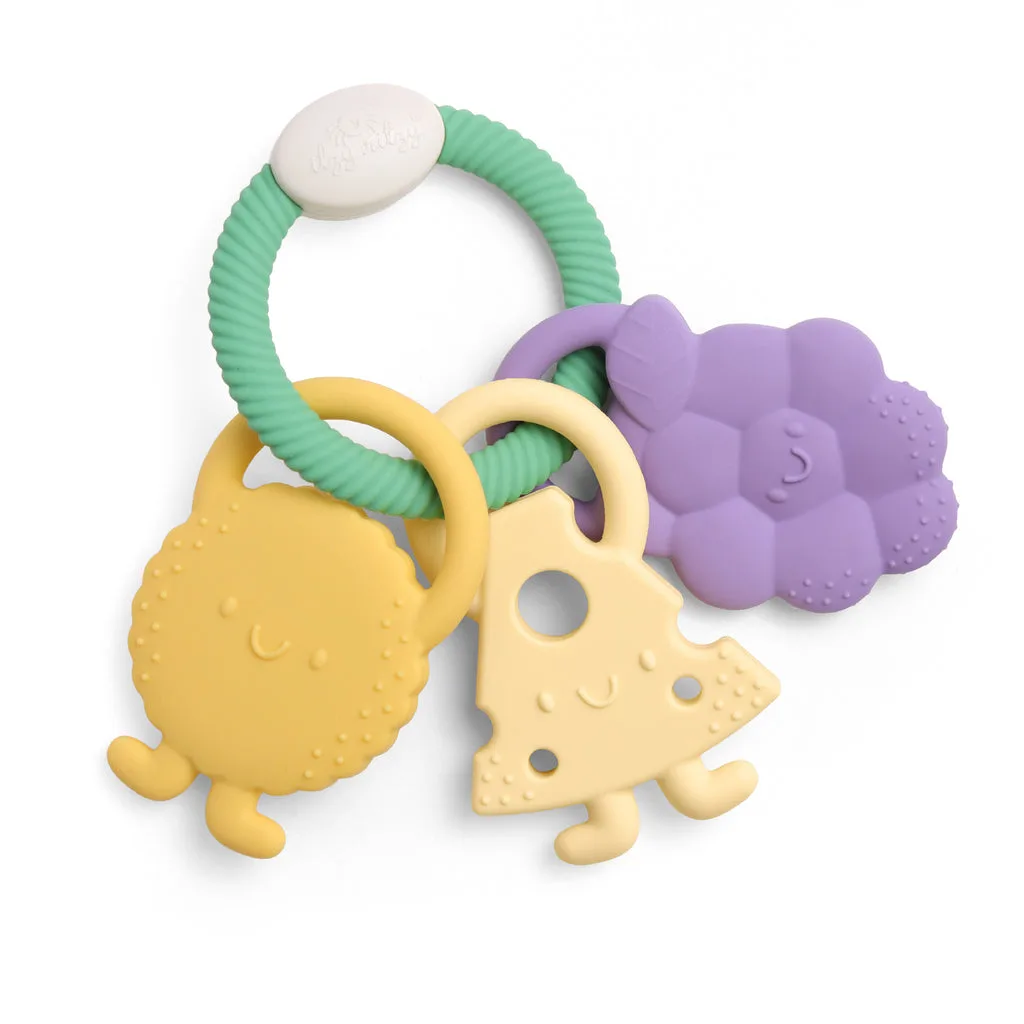
- Itzy Trio™: Itzy Trio has three charms with different textures on a silicone ring that's easy for little hands to hold. Teething discomfort can make a baby less willing to try a new cup. A textured teether can soothe sore gums before practice, making the cup attempt less stressful.
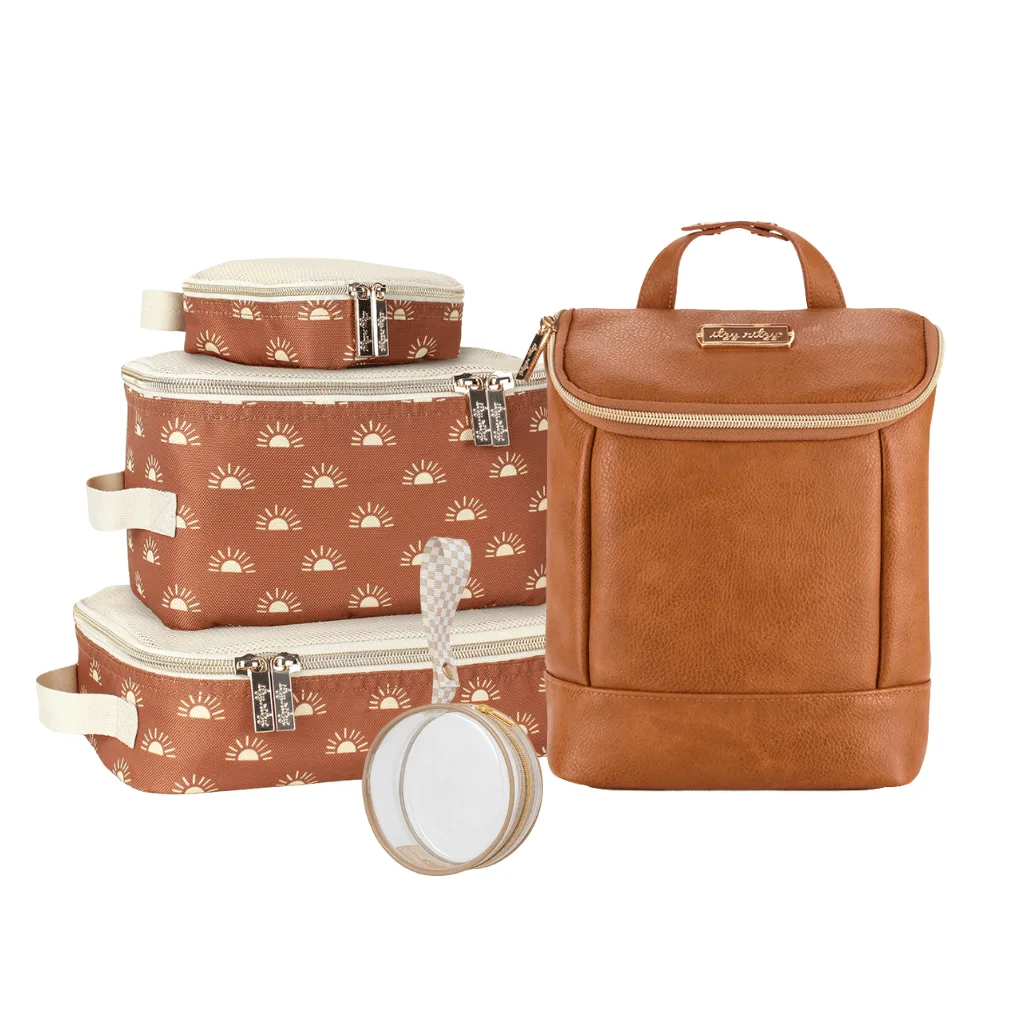
- New Parent Organization Kit: New Parent Organization Kit includes packing cubes, an insulated bottle bag, and a pacifier charm pod for on-the-go organization. Keeping a straw cup, a spare, and a small snack organized in a diaper bag makes it easier to practice consistently when you're out, which speeds up the transition.