Quick answer
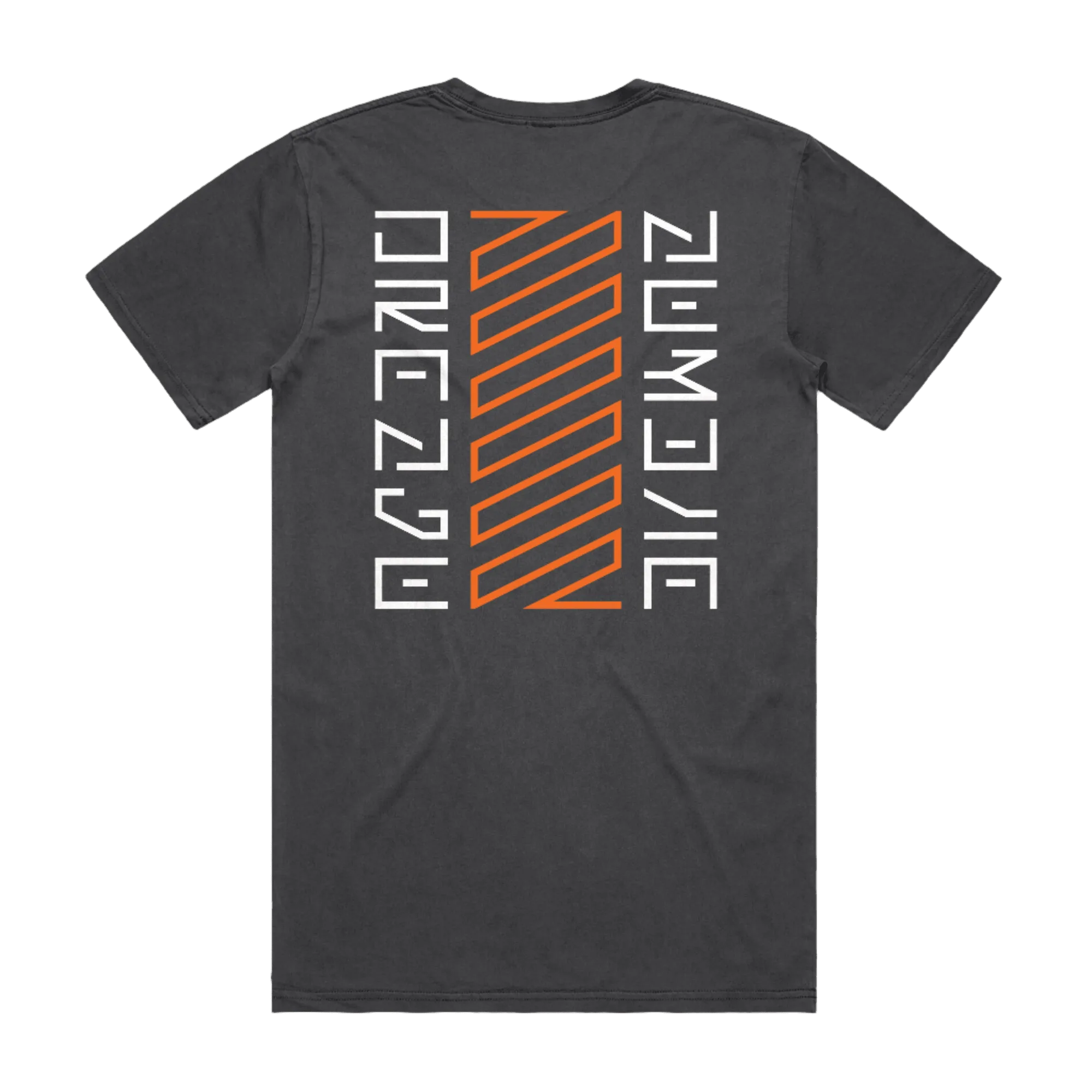
Iron a graphic tee inside out on low heat with no steam, or press around the print using a pressing cloth. Never glide a hot iron directly over the artwork, and never fold a stored tee along the printed area. Those two habits prevent most print cracking.
A graphic tee fails in two predictable places: the heat of an iron and the crease of a storage fold. Both damage screen-printed ink the same way, by flexing or melting it until fine cracks appear across the image.
The fix is not complicated. Iron printed shirts from the inside or around the design, keep heat low, skip steam, and store tees flat or rolled rather than folded through the print. This guide walks through the exact order of steps, with the mistake to avoid at each one.
Why print cracking happens
Screen-printed ink sits on top of the fabric as a cured layer. Direct iron contact softens that layer, and any sliding motion stretches it while it is soft. That is how you get the spiderweb cracks that show up first along the edges of a design.
Storage causes the slower version of the same problem. A tee folded straight down the middle of the print creases the ink layer, and repeated handling works that crease until it splits. Steam adds heat and moisture, which makes both risks worse.
The good news is that prevention is entirely in your hands. Heat direction, ironing surface, and fold placement are the three variables that matter, and all three are easy to control.
- Direct heat plus motion equals cracked ink; indirect heat with no motion keeps the print intact.
- Steam is the hidden risk on printed shirts, so use a dry iron setting instead.
How to iron a graphic tee step by step
Work in this order and you will never need to guess. Start by turning the tee inside out. Lay it flat on an ironing board and smooth the fabric with your hand. Set the iron to its lowest heat setting and turn the steam off completely.
Press the iron onto the fabric and lift it rather than sliding it. Iron the back, the sleeves, and the body first, staying away from the printed panel. When you reach the print area, iron from the inside only, using short presses and letting the iron rest for a second between them.
If you must iron the front, place a thin cotton pressing cloth or a clean pillowcase over the design and press lightly. Keep the iron moving only over the cloth, never over bare ink. Let the tee cool completely before you wear or fold it.
- Checkpoint: if the iron feels hot against your hand through the fabric, it is too hot for the print.
- Never use the steam burst button on a printed tee, even briefly.
How to store graphic tees so the print stays smooth
Storage is where most people undo their careful ironing. Folding a tee so the crease runs across the design puts constant pressure on the ink. Instead, fold the tee with the print facing up and fold the sides inward so the crease lines fall on blank fabric.
For tees you wear often, rolling is even better. Roll from the bottom hem upward with the print on the outside, then stack the rolls in a drawer. Nothing presses directly on the artwork, and you can see the design when you open the drawer.
Hang heavier tees on wide plastic or padded hangers if drawer space is tight. Avoid wire hangers, which stretch the collar and can let the shirt slide against itself. Keep stored tees out of direct sunlight and away from damp basements, since both fade ink and weaken fabric over time.
- Mistake to avoid: folding directly through the center of the print because it looks neat.
- Rotate folded stacks every few months so the same crease does not set in.
Everyday habits that keep prints intact
Wash graphic tees inside out in cold water and tumble dry on low or hang dry. High dryer heat does the same damage as a hot iron, just more slowly. If you use a dryer, pull the tee out while it is still slightly damp and smooth it flat by hand.
Skip fabric softener and dryer sheets on printed shirts. They leave a coating that can dull the ink and make the print feel stiff. A short cold wash with a mild detergent is enough for most wears.
When a print does start to crack, stop ironing that area entirely. Heat accelerates the damage, and no ironing technique reverses existing cracks. From that point, gentle washing and flat storage are the only things that slow it down.
- Turn the tee inside out before it goes in the wash, every time.
- Hang dry when you can; it removes the heat risk completely.
Ironing and storage steps at a glance
- Turn the tee inside out: Flip the shirt so the printed side faces inward and lay it flat on the ironing board. Checkpoint: the print should not be visible while you iron.
- Set low heat and no steam: Choose the lowest temperature setting and switch the steam function off completely. Mistake to avoid: leaving steam on because the fabric looks wrinkled.
- Press, do not glide: Set the iron down, lift it, and move to the next spot instead of sliding it across the fabric. Checkpoint: short presses only, especially near the print.
- Use a pressing cloth over the design: If you iron the front, cover the print with a thin cotton cloth or clean pillowcase before touching it with the iron. Mistake to avoid: pressing bare ink directly, even on low heat.
- Let the tee cool flat: Leave the shirt spread out until it reaches room temperature before wearing or folding it. Checkpoint: warm fabric folds into creases that set permanently.
- Fold or roll away from the print: Fold with the design facing up and creases on blank fabric, or roll the tee with the print on the outside. Mistake to avoid: storing the tee folded straight through the artwork.
What Orange Nebula tees are made of
- Uniform Tee: Limited Run Premium Unisex Crew Tee (not a standard heavyweight Gildan scratchy tee), screen printed. A softer premium crew tee responds well to low-heat pressing, but the screen-printed logo still needs a pressing cloth or inside-out ironing.
- LUNA "Don't Trust Her" Tee: Limited Run Premium Unisex Crew Tee with a sewn-on Orange Nebula wordmark hem tag and screen-printed design. The sewn hem tag should not be ironed directly; press around it or use a cloth so the tag and print both stay flat.
Ironing a graphic tee safely comes down to low heat, no steam, and never pressing directly on the ink. Store tees so nothing creases the design, and the print will stay smooth through years of wear.