Quick answer
Move your animal figures out of direct sunlight and into a spot with stable, indirect light. If a figure already looks dull or chalky on one side, that side was likely facing a window. For pieces you want to keep bright, display them away from south- and west-facing windows and store the rest in a closed box or cabinet.
You notice it on a favorite figure first: the side that faced the window looks washed out, while the shaded side still has its original color. That is classic animal figure fading, and it happens gradually enough that many collectors blame dust or age instead of light.
The fix is usually simple, but it helps to know what you are looking at. This guide walks through the symptom, the likely cause, what to do next, and when a faded figure is past the point of a quick fix.
The symptom: one side looks duller than the other
Sun damage on toy figures rarely shows up as a sudden change. Instead, the painted side that faces a window slowly loses saturation, turning chalky or pale while the opposite side stays richer. On a shelf, you might see a sharp line where a label or another figure cast a shadow for months.
That uneven look is the giveaway. If the whole figure is uniformly dull, the cause is more likely dust, handling oils, or normal wear. If one side is noticeably lighter, sunlight is the prime suspect.
- Compare the figure's sunny side and shaded side under the same lamp.
- Check whether the faded area lines up with a window or a gap in curtains.
- Look for a shadow line from a shelf edge or a neighboring object.
Why sunlight fades figures
Ultraviolet (UV) light from the sun breaks down the pigments and dyes in paint and plastic. The process is cumulative: short daily exposure adds up over months and years. Even indirect sunlight through a window can carry enough UV to cause gradual figurine color care problems.
Heat matters too. A figure sitting on a windowsill can get warm, and repeated heating and cooling may stress the material. That does not mean every figure will crumble, but it does mean a sunny sill is one of the hardest places to keep a collection looking new.
- UV exposure is cumulative, so a little every day still adds up.
- Glass filters some UV but not all, so a closed window is not full protection.
- Heat near a window can speed up fading and material wear.
What to do now: move, block, or rotate
Start by relocating the figure to a spot with indirect light. A shelf away from windows, an interior bookcase, or a display cabinet with solid doors all work. If you want to keep a piece near a window, use a UV-filtering film on the glass or a curtain that stays closed during the brightest hours.
Rotation is a practical middle ground. Turn figures a quarter turn every few weeks so no single side takes all the light. This does not stop fading, but it spreads the change evenly and keeps the display looking consistent. For long-term storage, a closed box in a dark closet is the safest option.
- Move figures at least a few feet back from windows.
- Add UV film or a sheer curtain if the display spot must stay bright.
- Rotate figures every two to four weeks to even out exposure.
- Store extras in a dark, dry box rather than on an open sunny shelf.
When to stop and accept the fade
If a figure is already chalky and the color has changed across most of its surface, moving it will not bring the paint back. Repainting is possible for some pieces, but matching the original finish is difficult and may reduce collectible value. At that point, the better move is to retire the figure to a shaded display or storage spot and treat it as a handled play piece rather than a display piece.
The same applies if the plastic itself feels sticky, brittle, or warped. Those are signs of material breakdown, not just surface fading. No amount of repositioning will reverse that, so focus on protecting the rest of your collection instead.
- Stop trying to restore a figure once the surface feels sticky or brittle.
- Keep faded pieces out of direct light to prevent further change.
- Shift your best-preserved figures to the safest display spots.
Diagnosis: is it sun fade or something else?
- Symptom: One side of the figure is noticeably paler or chalkier than the other, often with a straight edge where a shadow fell. If the fade is uneven, sunlight is the likely cause.
- Likely cause: Cumulative UV exposure from a window, plus heat if the figure sits on a sunny sill. Move the figure out of direct sun before the whole surface changes.
- Corrective action: Relocate to indirect light, add UV film or a curtain, rotate figures regularly, and store extras in a dark box. These steps slow further fading but do not restore lost color.
- Stop point: If the surface feels sticky, brittle, or warped, the material is breaking down and repainting is not a reliable fix. Retire the piece to storage and protect the rest of the collection.
What this looks like on real figures
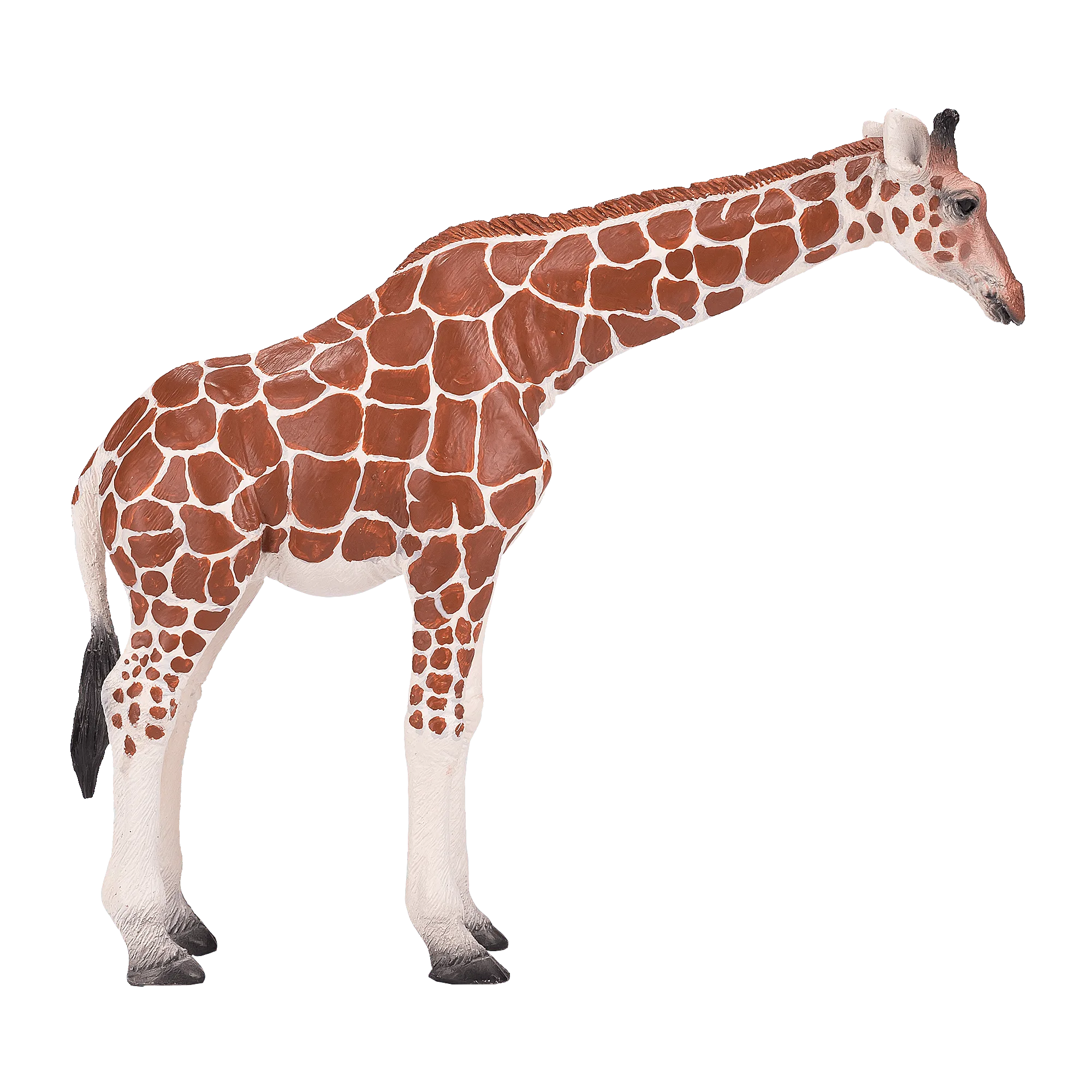
- Giraffe Female: When giraffes walk, they move both legs on one side of their body and then both legs on the other side, which is unusual. However, they run in a similar style to other mammals, swinging their rear legs and front legs in unison. A figure with a distinctive walking pose often sits with one side toward the room. That side gets more light, so it fades first and makes the uneven color more noticeable.
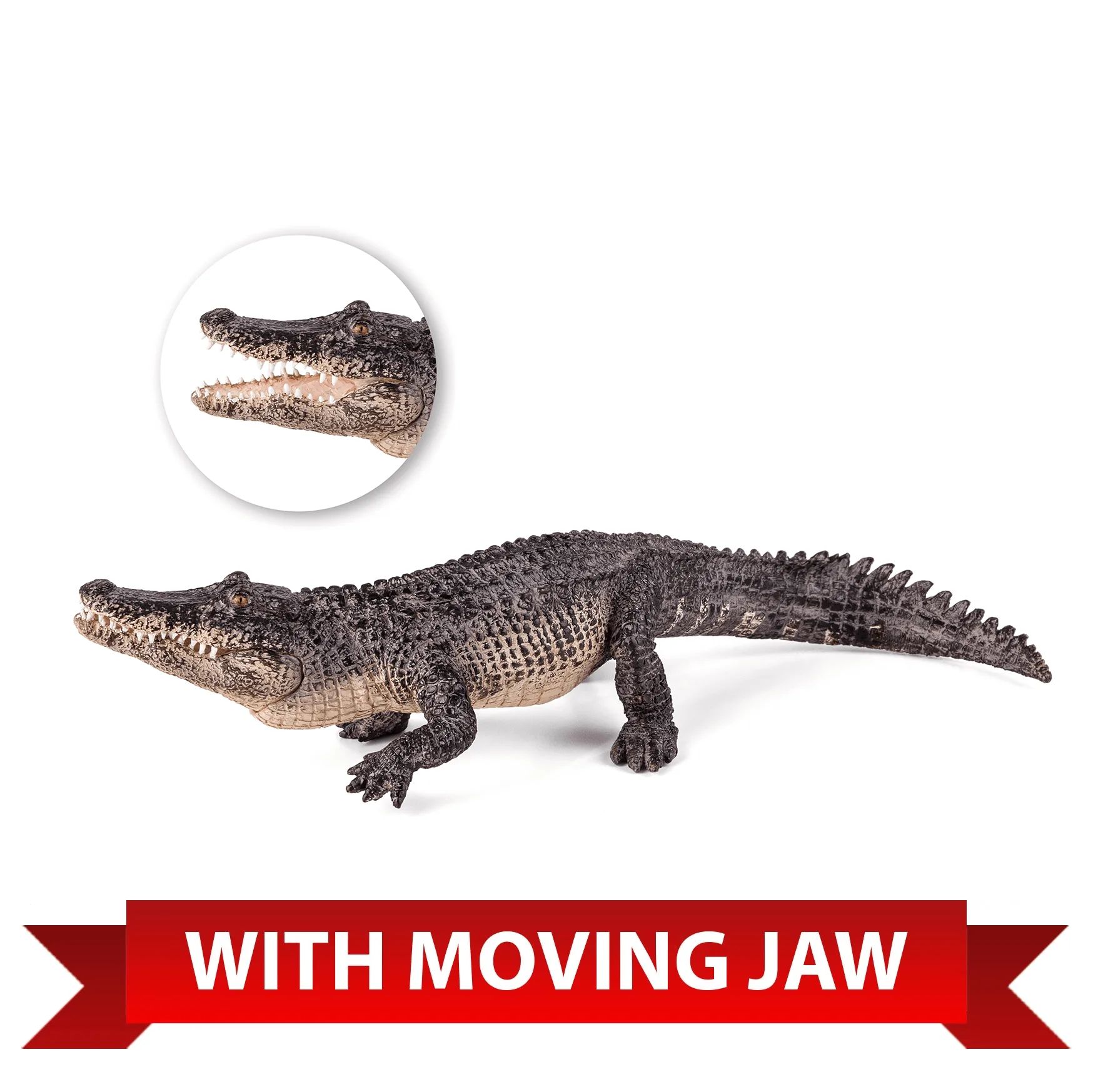
- Alligator: An alligator is distinguished by its wide, rounded snout and black color. Also, all of its upper teeth can still be seen when its mouth is closed. Dark colors show fading as a chalky gray or brown shift, which is easy to spot on a black figure. Check the snout and teeth area first because those details are usually painted.
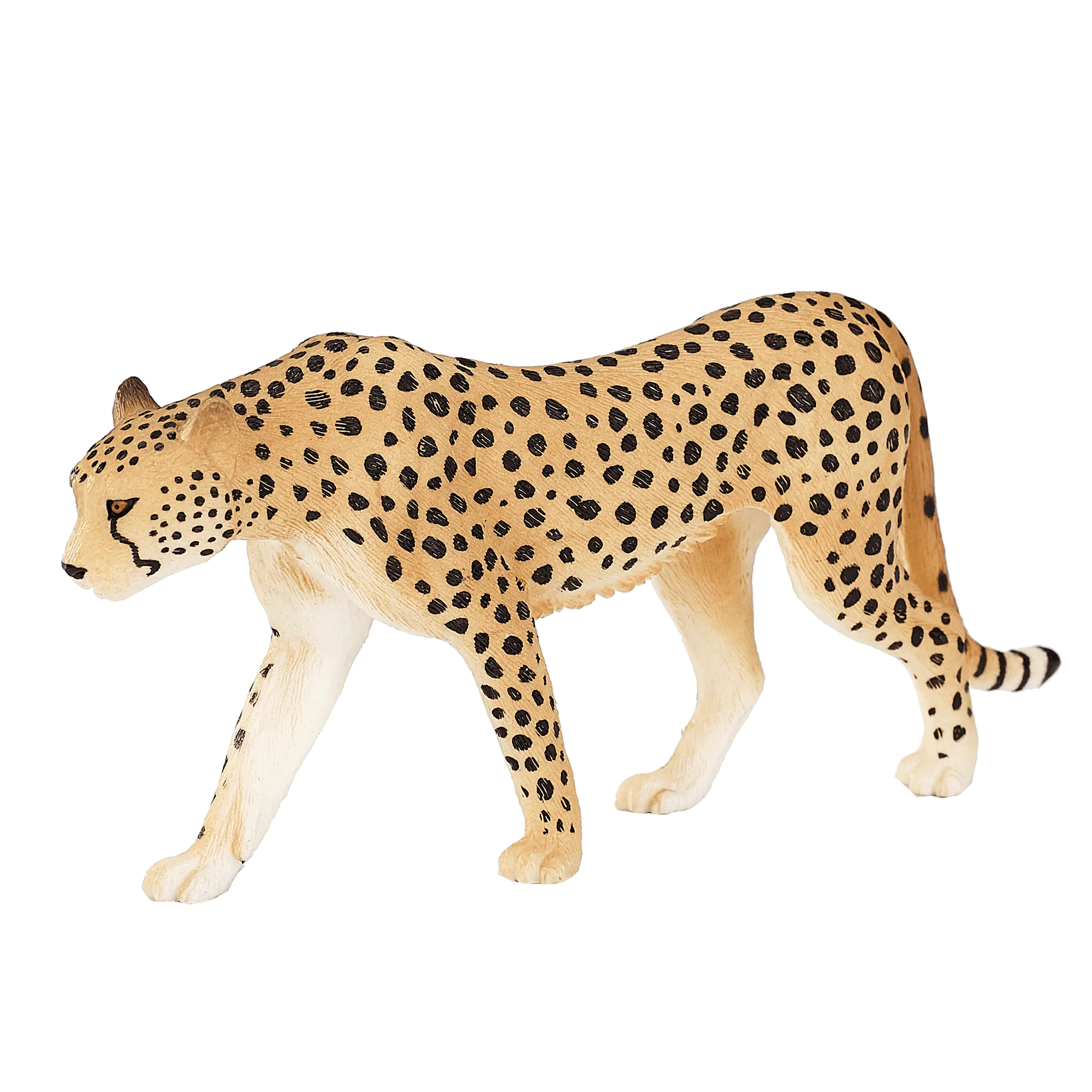
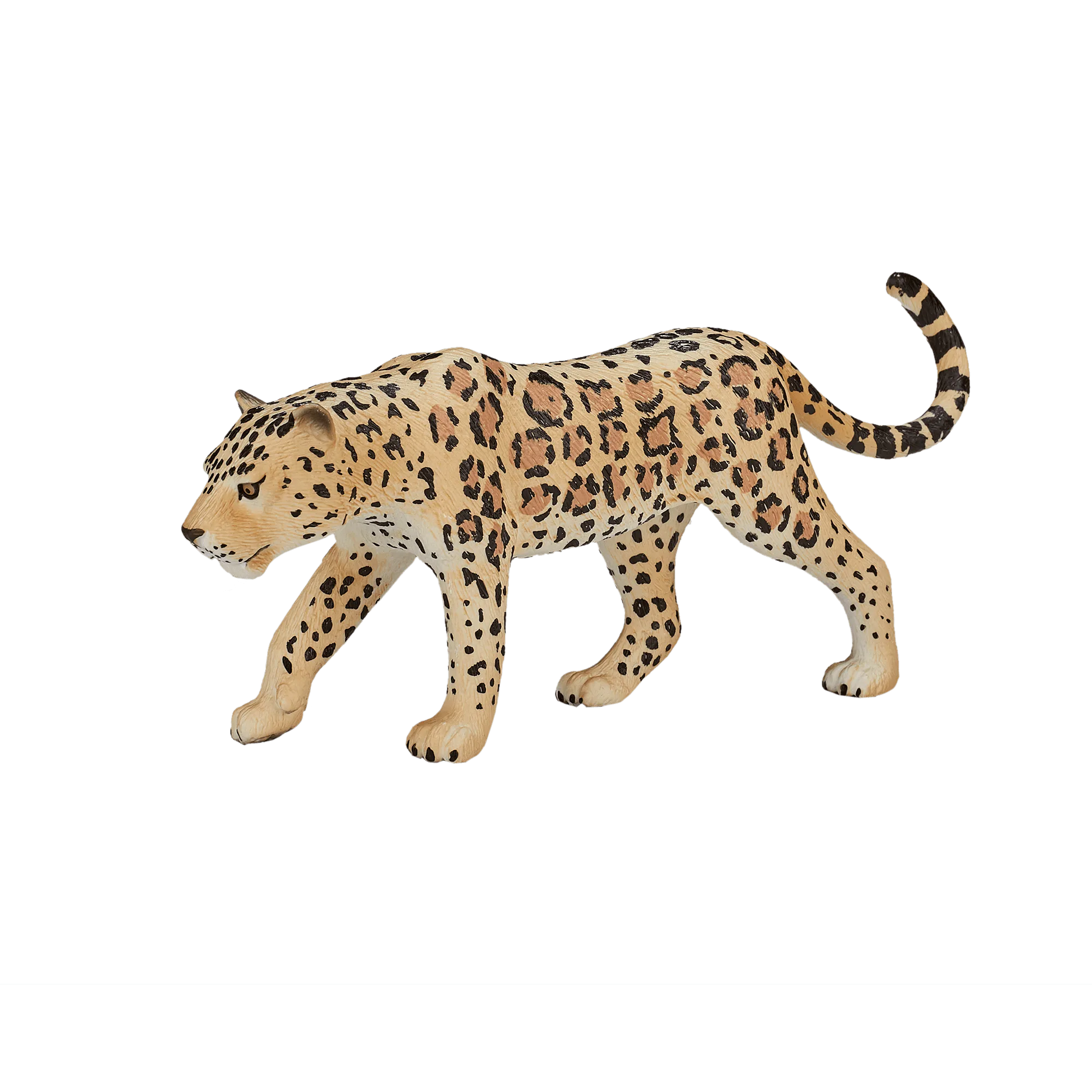
- Male Cheetah: The Cheetah is one of the most distinctive of the world's felines and although it is fairly commonly confused with the Leopard, it's name is thought to have come from the Hindu word 'chita' which means the 'spotted one' Spotted patterns rely on contrast between light and dark paint. When UV light fades the dark spots, the pattern looks softer and less defined, which is a clear early sign of sun damage.
Sun fade is easier to prevent than to reverse, so the best time to act is before you see a chalky patch. Move your figures out of direct sun, rotate them now and then, and keep spares in a dark box. Your future self will thank you.