Quick answer
Dress your baby in thin, breathable layers, put the carrier on over your own base layer, and add a carrier cover or your coat over both of you. Check the back of your baby's neck every 20-30 minutes. If it feels sweaty or hot, remove a layer before you continue.
Choose the right base layers for you and your baby
Start with a moisture-wicking base layer for yourself and a thin, breathable layer for your baby. Wool or synthetic blends work well because they move sweat away from skin. Cotton holds moisture, so save it for a middle layer or a short outing. Avoid puffy or bulky clothing under the carrier. It can create gaps between you and your baby, change how the carrier fits, and make it harder to check your baby's position.
Put the carrier on before your coat
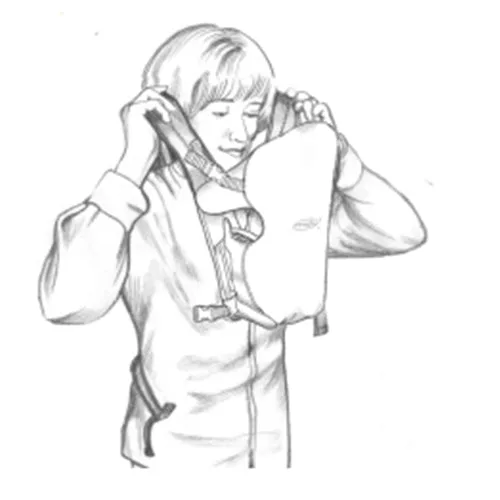
Put the carrier on over your base layer, then put your coat on over both of you. Use a coat extender, a maternity coat, or a babywearing cover that fits over the carrier. This keeps your baby close to your body heat and lets you open or close the cover as the temperature changes. A coat that zips over the carrier without pressing on your baby's face is the goal. If your coat cannot close comfortably, use a carrier cover instead of forcing the zipper.
Pick carrier-friendly clothing and covers
Snowsuits and thick bunting are not safe inside a carrier. They add bulk that can shift your baby's position and hide their face. Instead, use a thin fleece suit, a footed sleeper with a hat, or a carrier cover that goes over the outside of the carrier. For hands and feet, use mittens and booties rather than extra body layers. A hat is essential, but avoid hats with long ties or pom-poms that can press into your baby's neck or face.
Check for overheating and cold spots
Your baby's hands and feet often feel cool even when their core is warm, so do not use them as your only guide. Slide two fingers into the back of your baby's neck or upper chest. If it feels hot or damp, remove a layer. If it feels cool, add a thin layer or tuck the carrier cover closer. Wind and wet weather make cold spots more likely, so check your baby's face, ears, and any exposed skin. A carrier cover with a breathable panel helps block wind without trapping too much heat.
Adjust the carrier for winter layers
After you add layers, recheck the carrier fit. Your baby's face should be visible and clear of fabric, their chin should not be pressed into their chest, and their knees should be higher than their bottom in a seated position. If the carrier has a waistband, make sure it still sits snugly on your hips. A loose carrier can let your baby slump, especially when you are wearing a coat over both of you.
Winter babywearing steps that work
- 1. Start with a thin base layer on both of you: Dress your baby in a breathable, moisture-wicking layer and put on your own base layer. Avoid thick fleece or puffy clothing under the carrier. Checkpoint: you should be able to slide one finger between the carrier and your baby's back without forcing it.
- 2. Put the carrier on over your base layer: Fasten the carrier snugly on your body before adding any coat or cover. Make sure the waistband sits on your hips and the shoulder straps are not twisted. Common mistake: putting the carrier on over a bulky sweater, which makes the fit loose and harder to adjust.
- 3. Add your coat or a carrier cover over both of you: Use a coat extender, maternity coat, or a cover designed to go over the carrier. Keep the top open enough that you can see and kiss your baby's head. Checkpoint: your baby's face should always be visible and clear of fabric.
- 4. Check the back of the neck every 20-30 minutes: Slide two fingers into the back of your baby's neck. If it feels sweaty or hot, remove a layer. If it feels cool, add a thin layer or close the cover. Common mistake: relying on hands and feet, which often feel cool even when your baby is warm enough.
- 5. Recheck the carrier fit after adding layers: Make sure your baby's chin is not pressed into their chest, their face is clear, and their knees are higher than their bottom. Adjust straps if needed. Next step: if you will be out for more than an hour, bring a thin blanket you can tuck around your baby's legs without covering their face.
Carrier features that help in cold weather
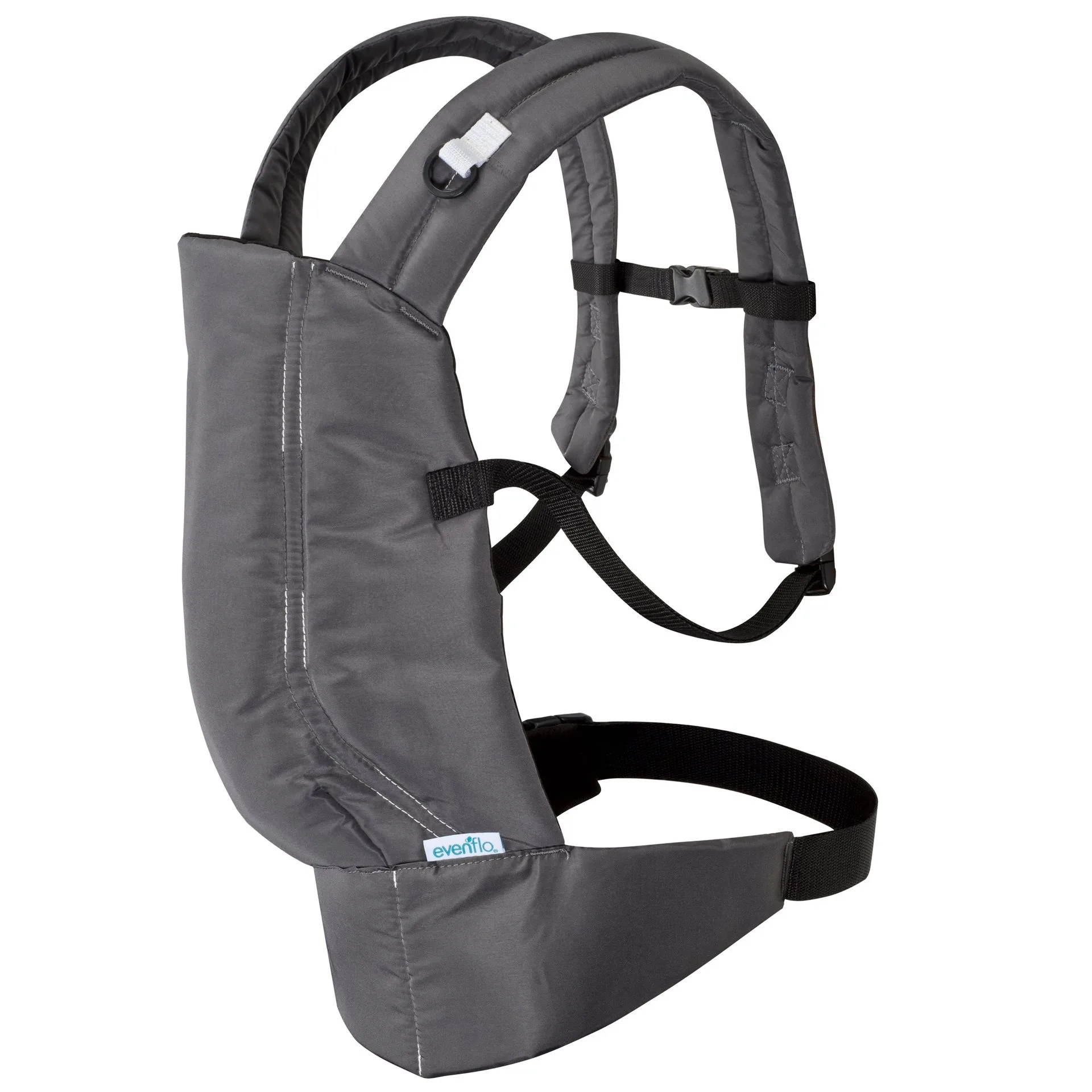
- Breathable Infant Carrier Support: The Evenflo Breathable Carrier uses vented mesh fabric that allows air to flow through, keeping you and baby cool. In winter, breathable mesh helps prevent overheating when you add a cover or coat over the carrier, because trapped heat can escape instead of building up.
- Natural Fit Infant Carrier Support: The Evenflo Natural Fit Carrier supports babies from 7 to 45 lb. with three inward-facing carry options, including front, backpack, and hip carry. A carrier that adjusts from infant to toddler can be used through winter growth spurts, and the multiple positions let you change how much body heat is shared as your baby gets bigger.