Quick answer
Wash cotton bath towels in warm water on a gentle cycle with a small amount of detergent, skip fabric softener and dryer sheets, and tumble dry low. Those four choices do more to keep towels soft and maintain towel absorbency than any specialty product. Wash roughly every three to four uses, and give towels room to move in both the washer and dryer.
Towels rarely wear out from age alone. They go stiff, scratchy, and water-repellent because of what happens in the laundry: too much detergent, softener residue, high heat, and an overloaded drum. Fix the routine and most towels feel noticeably better within one or two washes.
This guide walks through the process in order, from sorting to storage, with the mistake to avoid at each step. It applies to standard cotton towels, including the Avanti Linens Greenwood Towel Collection, whose care label calls for warm water, a gentle cycle, and low tumble drying.
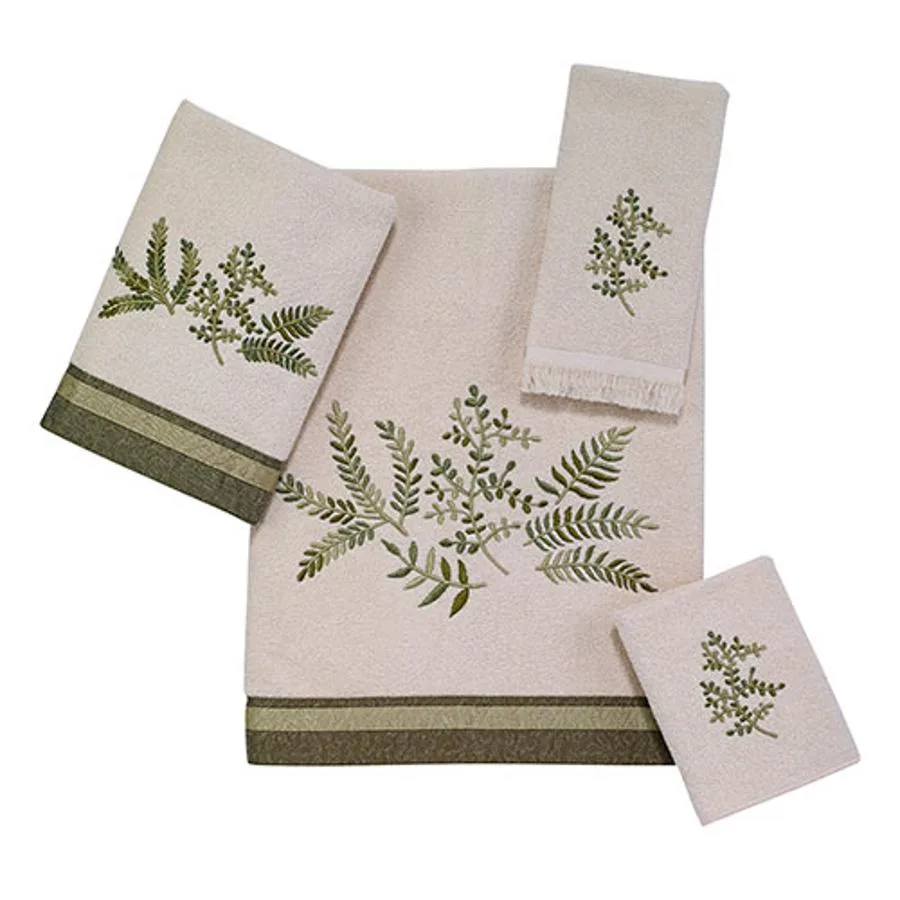
Avanti Linens Greenwood Towel Collection
Start with the care label, not a habit
Before you change anything, read the label on the towel you actually own. The Avanti Linens Greenwood Towel Collection is 100% cotton and specifies machine wash warm, gentle cycle, tumble dry low, with dry cleaning recommended. That tells you heat is the main risk: hot water and a hot dryer both set in the stiffness people blame on cheap cotton.
If a label is missing or vague, default to warm water, a gentle or normal cycle, and the lowest dryer setting that still gets the towel dry. When a specification is not printed on the label, treat that as a limitation and choose the gentler option rather than guessing at a stronger one.
- Checkpoint: if the label says dry clean only, do not machine wash it just because it is a towel.
Sort towels away from lint magnets and heavy items
Wash bath towels with other towels and similar cotton terry, not with jeans, zippered items, or anything that sheds. Zippers and hooks snag loops, and heavy denim beats up the fabric in the drum. Lint-producing items also coat towels with fuzz that makes them look dull.
Keep the load loose. Towels need to tumble against each other to release soil and rinse clean, so fill the drum about two-thirds at most. An overloaded washer is one of the most common reasons towels come out smelling musty even after a full cycle.
- Practical tip: wash white and light towels together, and keep dark or brightly dyed towels in a separate load to limit color transfer.
Use less detergent than you think you need
Detergent residue is the leading cause of stiff, less absorbent towels. Use the amount recommended for a normal load, and go slightly under if your water is soft. Extra suds do not mean extra clean, and they are hard to rinse out of thick terry.
Skip fabric softener and dryer sheets entirely. They work by coating fibers with a lubricating film, which is exactly what blocks water absorption. If you want a softener, use a small amount of white vinegar in the rinse cycle instead, and do not combine it with chlorine bleach.
- Checkpoint: if towels feel slick or leave a film on your hands, cut the detergent dose in half for the next two washes.
Wash warm on a gentle cycle and rinse well
Warm water lifts body oils and soap residue without the fiber stress of a hot wash. Choose a gentle or normal cycle with a full rinse, and add an extra rinse if your machine has that option. For everyday maintenance, this is enough; heavy sanitizing washes are for illness or mildew, not routine cleaning.
Wash frequency matters as much as technique. Bath towels used daily should go in the laundry every three to four uses, and washcloths after each use. Letting damp towels sit in a hamper for days is what creates the sour smell that no detergent can fully remove.
- Practical tip: hang towels to dry fully between uses so they are not still damp when they hit the hamper.
Dry low, and pull towels out slightly damp
High heat makes cotton fibers brittle and can shrink or roughen the surface. Tumble dry low, and take towels out while they are still a touch damp, then hang or fold them to finish drying in the air. This keeps the loops fluffy instead of crispy.
Do not leave towels in the dryer after the cycle ends. The tumbling stops, heat and moisture stay trapped, and that is how musty odors start. If your dryer has a sensor setting, use it rather than a fixed timed cycle.
- Checkpoint: if towels feel stiff straight from the dryer, reduce the heat setting before you buy anything new.
Store dry and rotate your towels
Put towels away only when they are completely dry. A closed linen closet with a slightly damp towel in it will transfer that smell to everything stacked around it. Leave a little air space between folded towels rather than compressing them tightly.
Rotating two or three sets spreads the wear and gives each towel time to dry fully between uses. It also makes it obvious when one towel has stopped absorbing water, which is your signal to replace it rather than keep washing it harder.
- Practical tip: keep a spare set in rotation so no single towel is used twice in one day.
The towel laundry routine, step by step
- Read the care label: Note the water temperature, cycle, and drying setting before the first wash. The Avanti Linens Greenwood Towel Collection specifies warm water, gentle cycle, and tumble dry low. Checkpoint: if the label says dry clean, do not machine wash.
- Sort towels into their own load: Keep towels with towels, away from zippers, hooks, and heavy denim that snag loops and beat up terry. Checkpoint: fill the drum no more than about two-thirds.
- Dose detergent carefully: Use the normal amount for the load size, slightly less in soft water, and skip fabric softener and dryer sheets. Checkpoint: if towels feel slick, halve the detergent next time.
- Wash warm on a gentle cycle: Add an extra rinse if your machine offers one, and wash bath towels every three to four uses. Checkpoint: never let damp towels sit in the hamper for days.
- Dry low and remove slightly damp: Use the lowest heat that still dries the load, then hang or fold towels to finish in the air. Checkpoint: if towels come out stiff, lower the heat before replacing them.
- Store only when fully dry: Leave a little air space between folded towels and rotate two or three sets so each one dries completely between uses. Checkpoint: a towel that still repels water after this routine is worn out, not dirty.
Towel care details worth knowing
- Avanti Linens Greenwood Towel Collection: 100% cotton with a botanical motif in shades of green on an ivory towel with a two-tone fabric border; machine wash warm, gentle cycle, tumble dry low, dry cleaning recommended. The label gives you an exact temperature and cycle to follow, so you can skip guesswork and protect the decorative border.
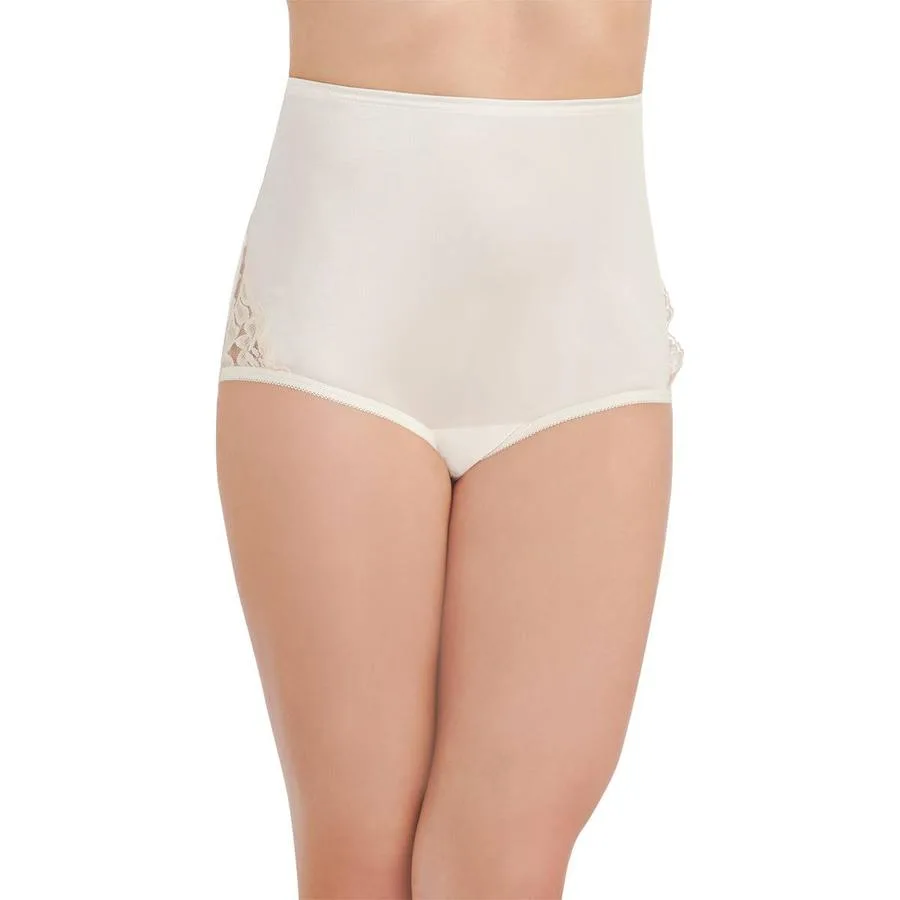
- Womens Vanity Fair® Lace Nouveau Brief Panties 13001: 100% cotton gusset with sheer lace insets at the sides and covered elastic along the legs and waistband. Cotton next to skin behaves like towel cotton: it stays fresher when washed in warm water and dried low rather than on high heat that stresses elastic and lace.
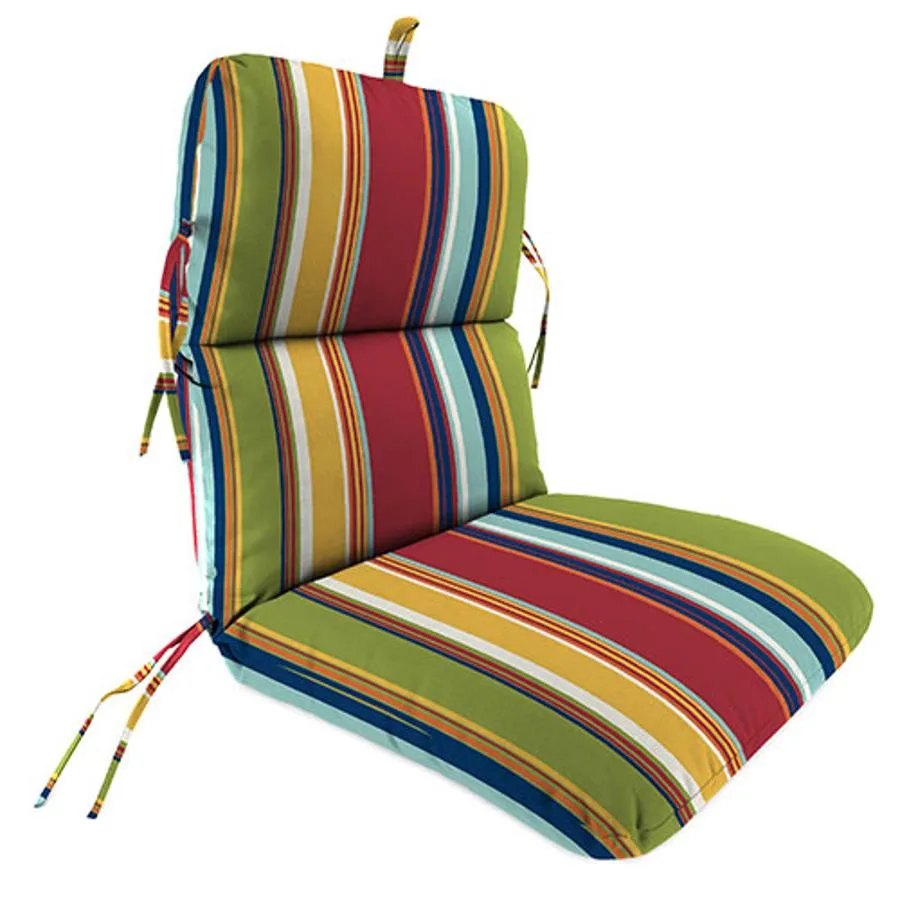
- Jordan Manufacturing Universal Chair Cushion-Westport Garden: Spun polyester fabric treated to resist fading, mold, and mildew, with dense fiber for comfort. A reminder that mildew resistance is a fabric treatment, not a laundry outcome; towels without that treatment need to dry fully and quickly.
Soft, absorbent towels come from restraint: less detergent, no softener, lower heat, and a looser load. Follow the label, dry towels completely, and rotate your sets. If a towel still will not take up water after a proper wash, it has reached the end of its useful life.