Quick answer
A camping pillow usually slides because the pad surface is too smooth, the pillow is too small or too light for the space, or you are sleeping on a slope. Start by deflating the pad slightly and placing the pillow at the head end where your sleeping bag or quilt can trap it. If it still moves, add a friction layer or choose a pillow with a grippier, heavier memory foam build.
You wake up at 2 a.m. and your pillow is somewhere near your knees. It is a small problem that ruins a night of sleep, and it happens for predictable reasons. The fix is not always a new pillow. Sometimes it is how you set up the pad, and sometimes it is the pillow itself.
This guide separates the symptom from the cause so you can stop guessing. You will get placement tips, friction fixes, and honest guidance on when a different pillow is the real answer.
Start with the surface, not the pillow
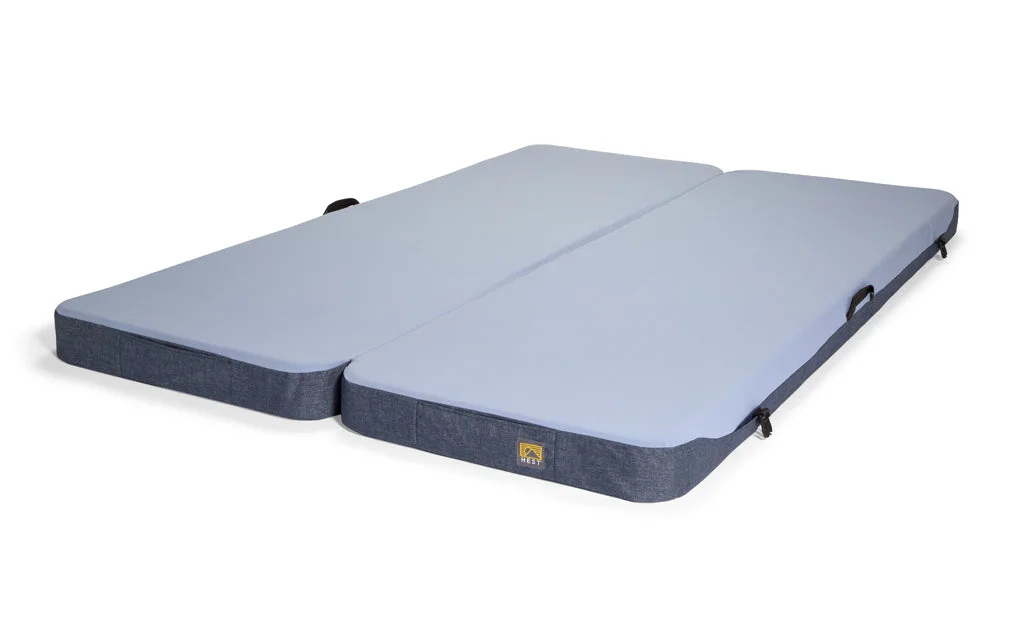
Most camping pillows slide because the mattress surface is slick. Nylon and polyester pad tops are designed to be durable and packable, not grippy. If your pad has a smooth top and your pillow has a smooth cover, there is almost nothing holding it in place. Before you blame the pillow, check whether the pad itself is moving or whether the pillow is sliding across a stable surface.
A simple test: put the pillow on the pad and press down while you slide it. If it glides easily, the surface is the problem. If it catches but still drifts overnight, the issue is likely pillow size, weight, or your sleeping position.
- Deflate the pad slightly so your body sinks in and creates a cradle for the pillow.
- Place the pillow at the very head end, then tuck your sleeping bag or quilt over the edge to trap it.
- If the pad itself slides on the tent floor, fix that first with a non-slip mat underneath.
Use friction layers you already own
You do not need a special product to add grip. A folded fleece, a flannel sheet, or a thin foam mat under the pillow can create enough friction to stop drifting. A silicone baking mat or a few strips of grip tape on the pad surface also work, though they can feel odd against your skin. The goal is to break the smooth-on-smooth contact.
If you use a pillowcase, choose one with a brushed or flannel finish rather than a silky weave. That single change stops a surprising number of slides. Keep the layer thin so it does not change the pillow height you have dialed in.
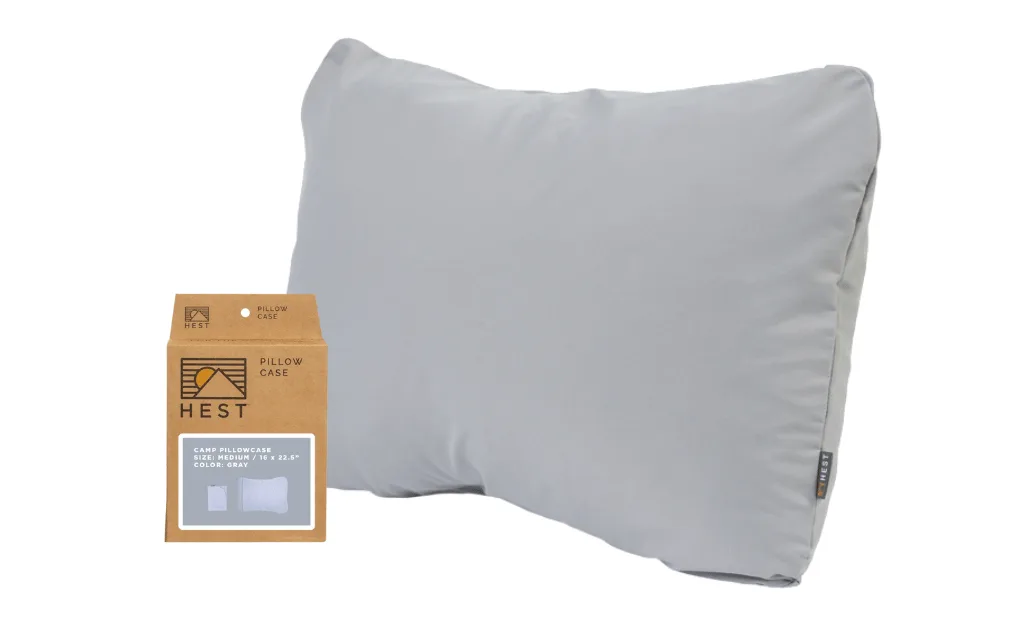
pillowcase
- A flannel pillowcase adds grip without adding bulk.
- A folded fleece under the pillow works as a friction pad and doubles as insulation.
- Avoid silky or coated fabrics on both the pad and the pillow.
Match pillow size and shape to your pad
A pillow that is too small for your shoulders will migrate because your body pushes it around. If you sleep on your side, you need a taller, wider pillow that fills the gap between your neck and the pad. If you sleep on your back, a lower profile keeps your head from rolling off. The wrong height encourages you to chase the pillow in your sleep.
Placement matters too. Put the pillow where your head actually lands, not where you think it should go. Lie down, close your eyes, and notice where your neck wants support. Then set the pillow there and tuck the bottom edge under your shoulder or sleeping bag hood.
- Side sleepers: choose a taller pillow and place it so the bottom edge tucks under your shoulder.
- Back sleepers: use a lower pillow and center it under the curve of your neck.
- If you roll around a lot, a wider pillow gives you more landing zone.
When the pillow itself is the problem
Some pillows are simply too light or too slick to stay put. Inflatable pillows are the worst offenders because they are smooth and weigh almost nothing. A memory foam pillow has more mass and a textured surface, which helps it stay where you put it. If you have tried placement and friction layers and the pillow still ends up on the floor, the pillow is the limiting factor.
This is the point to stop troubleshooting and choose a different option. Look for a pillow with a contoured shape and a cover that grips, or one that stuffs into its own cover for compact transport. A heavier foam pillow will not solve a sloping campsite, but it will stop the everyday sliding that comes from a slick, lightweight inflatable.
- Stop adding hacks if the pillow is inflatable and lightweight; switch to foam.
- Choose a contoured pillow that cradles your neck instead of a flat rectangle.
- If you sleep on a steep slope, no pillow will stay put; level your site first.
Diagnose your sliding pillow
- Symptom: pillow drifts to the side or foot of the pad: Check whether the pad surface is slick and whether the pillow is lighter than your sleeping bag. Inflatables and smooth nylon covers are the usual culprits. Add a friction layer or switch to a foam pillow before trying anything else.
- Symptom: pillow stays put until you roll over: This usually means the pillow is too small or too low for your sleeping position, so your shoulder pushes it away. Size up or choose a contoured pillow that fills the gap between neck and pad.
- Symptom: pillow and pad both slide on the tent floor: The problem is the tent floor, not the pillow. A non-slip mat under the pad fixes the whole system. If the pad moves, no pillow placement will hold.
- Symptom: nothing works on a sloped site: Gravity beats friction every time. Level your sleeping area or sleep with your head uphill and your bag tucked around the pillow. Stop buying pillows to fix a site problem.
HEST products that help with pillow placement
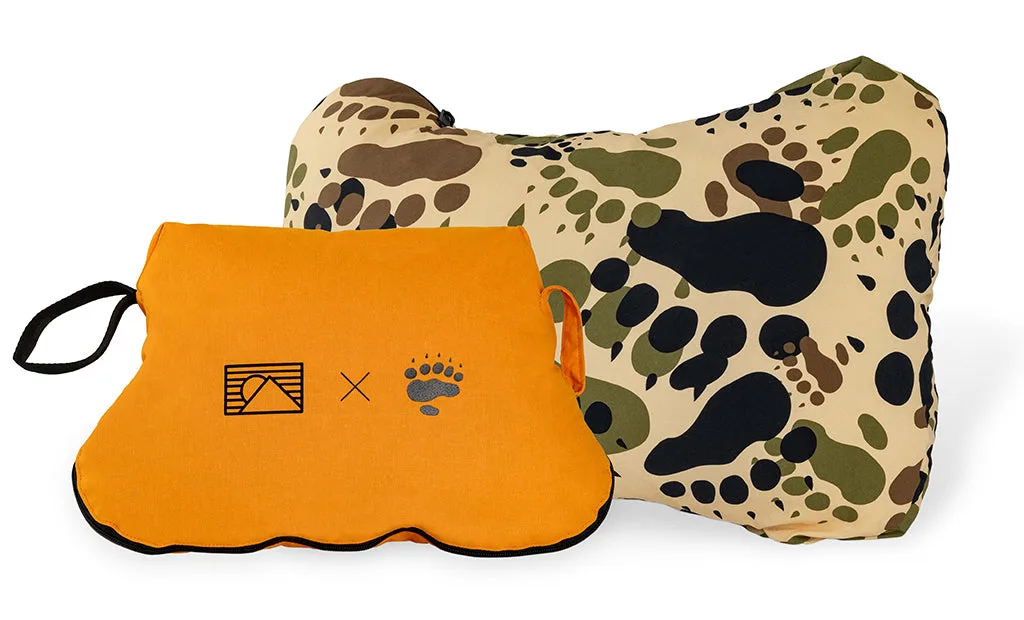
- HEST X KOA Camp Pillow: Limited Series Camp Pillow with a camp print, described as the best-selling Camp Pillow. A shaped camp pillow with a cover that grips better than a smooth inflatable, so it stays put through the night.
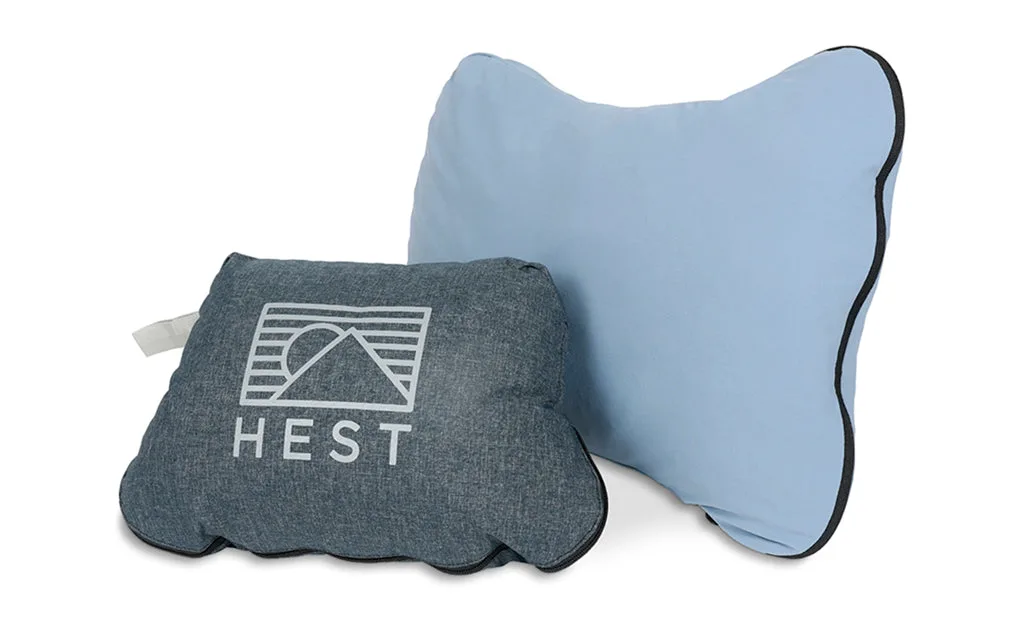
- HEST X BHA Camp Pillow: A highly engineered contoured pillow that stuffs into its own cover for compact transport. The contoured shape cradles your neck and reduces the rolling that pushes a pillow off the pad.
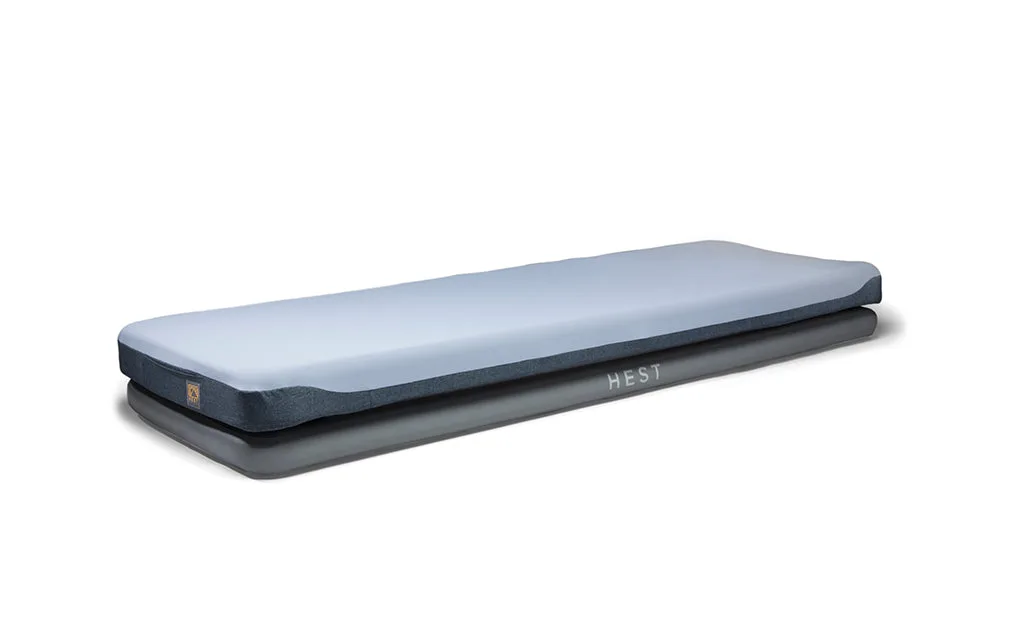
- Foamy: Two layers of enhanced memory foam in a packable, portable form, available in Short, Standard, and Wide sizes. A memory foam surface gives your pillow more friction than a smooth air pad, so it is less likely to slide.
A sliding pillow is usually a surface, size, or slope problem, not a mystery. Fix the friction and placement first, and only replace the pillow if it is too light or too slick to stay put. That order saves you money and gets you back to sleep faster.