Quick answer
Chill your cookie dough until it is firm, usually 30 minutes for drop cookies, and never scoop onto a hot baking sheet. Let sheets cool completely between batches, or rotate two sheets so one is always at room temperature. If cookies still spread after both fixes, your dough ratio is the next suspect, not your technique.
You pulled the sheet out and the cookies have merged into one thin, lacy puddle. It happens to everyone, and it is almost never the recipe's fault alone. Spread cookies are a temperature problem more often than a skill problem.
This guide separates the symptom from the cause so you can fix the batch in front of you instead of guessing. Work through the checks in order, because the first fix is the cheapest and the last one tells you when to stop adjusting and change your approach.
Symptom: cookies spread before they set
The tell is timing. If the edges flatten and run within the first three to four minutes of baking, before any browning starts, the fat in your dough is melting faster than the structure can set. That is a temperature signal, not a flour signal. Cookies that hold a dome for five minutes and then slump are a different problem.
Look at the shape, too. Cookies that spread evenly in all directions usually had uniformly warm dough. Cookies that spread mostly toward one side often sat on a hotter part of the sheet, which points at your pan rather than your mixing.
- Edges run in the first few minutes: think temperature first
- Uneven spread across one sheet: think hot spots or a warped pan
- Spread only on later batches: your sheet never cooled down
Cause: cookie dough too warm
Butter softens as it warms, and soft butter cannot hold air. When dough goes into the oven above roughly cool room temperature, the butter releases its water and melts out before the flour and egg have a chance to set. The result is a thin cookie with a greasy edge.
Chilling is the fix, but it is not one-size-fits-all. Drop cookies benefit from 30 minutes in the fridge. Cut-out cookies and anything with a high butter ratio do better with an hour or more. Dough that has been sitting on the counter through several batches is the most common culprit in a home kitchen.
- Chill drop cookie dough at least 30 minutes before scooping
- Chill high-butter or cut-out dough for an hour or longer
- Return the bowl to the fridge between batches instead of leaving it out
Cause: baking sheet temperature and surface
A hot sheet starts melting the dough the moment it touches down. If you are reusing the same pan straight from the oven, the second batch will always spread more than the first. Let sheets cool to room temperature, or keep two and alternate so one is always cool.
Pan material matters as well. Dark, thin sheets absorb heat faster and brown the bottoms before the centers set. Light-colored, heavier-gauge sheets heat more gradually, which gives the dough time to hold its shape. Parchment or a silicone mat adds a small insulating layer that helps, while a bare dark pan does the opposite.
- Cool sheets completely between batches, or rotate two pans
- Prefer light-colored, heavier-gauge baking sheets for even heat
- Line with parchment or a silicone mat rather than baking directly on a dark pan
Corrective action: what to change, in order
Start with the dough. Scoop portions onto a parchment-lined sheet, cover, and chill the scooped balls for 15 to 30 minutes. Scooped dough chills faster than a full bowl and goes into the oven at a more consistent temperature. If you are short on time, chill the bowl for 20 minutes and work quickly.
Next, manage your pans. Set the oven rack to the middle position, bake one sheet at a time, and give each sheet a full cool-down before the next batch. If your oven runs hot, drop the temperature by 25 degrees and add a minute or two to the bake time rather than pulling early.
- Chill scooped dough balls 15 to 30 minutes for a fast fix
- Bake one sheet at a time on the middle rack
- Lower oven temperature by 25 degrees if bottoms brown before centers set
When to stop adjusting and change course
If chilled dough on a cool, light-colored sheet still spreads into a puddle, stop tweaking temperature. At that point the dough itself is the issue: too much butter or sugar relative to flour, or a leavener that has lost its strength. No amount of chilling will fix a ratio problem.
That is your signal to either adjust the recipe with more flour or less butter, or to buy cookies and baked goods from a bakery that has already solved the formula. There is no shame in that trade. A reliable bakery cookie beats a frustrating fifth attempt at home.
- Two failed temperature fixes means the recipe ratio is off
- Check whether your leavener is still active before blaming the oven
- Switching to a bakery option is a legitimate fix, not a failure
Cookie spread diagnosis
- Spread in the first three minutes: Dough went in too warm. Chill scooped dough 15 to 30 minutes and return the bowl to the fridge between batches. Checkpoint: if the next batch holds its edge past four minutes, temperature was the cause.
- Spread worse on the second batch: The baking sheet was still hot from the first round. Cool sheets fully or alternate between two pans. Checkpoint: if batch two now matches batch one, your pan routine was the problem.
- Spread evenly despite cold dough and a cool pan: The dough ratio is off, likely too much butter or sugar, or a leavener that has gone flat. Stop here. Adjust the recipe or switch to a bakery-made option rather than chasing more temperature fixes.
Bakery options when you would rather not troubleshoot
- Cookies & Cream: A pint of MOMU Ice Cream from Kneads • Bakery • Café • Mill, tagged as a Christmas and Thanksgiving dessert. If your cookie batch keeps spreading and you need a dessert for a gathering, this is a ready-to-serve option that skips the oven entirely.
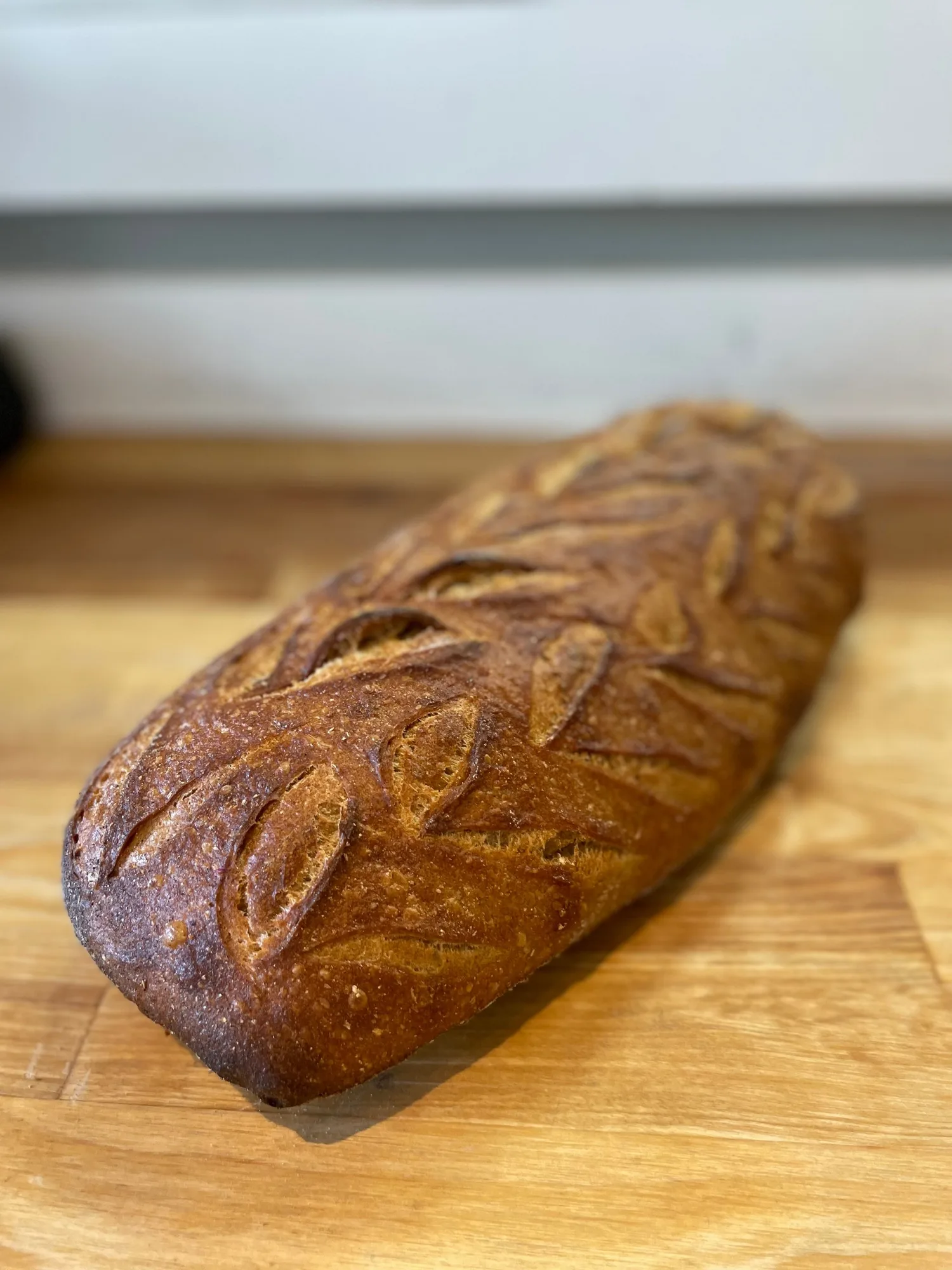
- Large Country Sourdough: A whole wheat sourdough loaf in a large 1.4 kilo size, listed under the Breads selection. Useful if you are already heating the oven and want something that bakes reliably alongside your cookie experiments, with plenty to slice and share.

whole wheat sourdough
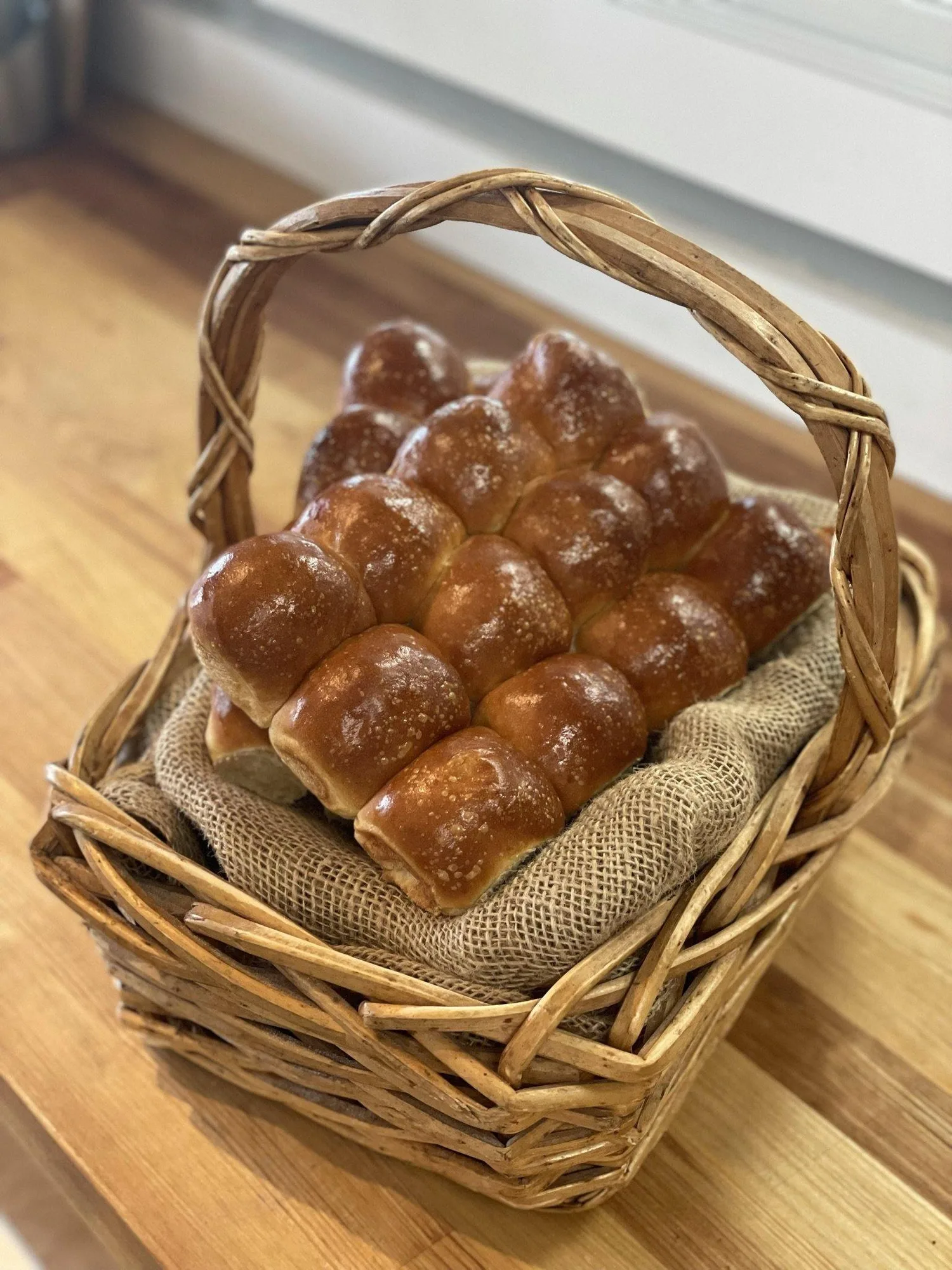
- Pull Apart Rolls (dozen): Twelve buttery parker house style rolls, tagged for Easter and Thanksgiving dinner. A shared-table bread that pairs well with a dessert spread when your cookies did not turn out as planned.
Most spreading cookies come down to warm dough or a hot pan, and both are fixable in under half an hour. Work the diagnosis in order, and if the third check applies to you, stop adjusting and let a bakery handle the batch instead.