Quick answer
Wash denim pants inside out in cold water only when they actually need it, skip the dryer entirely, and let them air dry in the shade. Most fading comes from frequent washing, hot water, and tumble drying, so fixing those three habits protects the indigo far more than any specialty detergent.
Denim fades because indigo dye sits on the surface of cotton fibers rather than soaking all the way through. Every wash, every hot dryer cycle, and every rough surface rubs some of that surface dye away. The fix is not a miracle product; it is a routine that limits agitation, heat, and frequency.
That routine looks different depending on whether you are caring for a deep indigo pair, a light-wash jacket, or a printed statement piece. Below is a step-by-step process you can follow, plus the specific mistakes that undo your work. The same habits apply whether your denim is brand new or a secondhand find.
Why denim fades in the first place
Indigo is a surface dye. It bonds to the outer layers of cotton yarn, which is why new denim crocks onto light seats and why the color lightens at high-friction points like knees, pockets, and hems. Fading is not a defect; it is the nature of the dye. The goal of a care routine is to slow that process so the denim keeps its depth instead of turning washed-out gray.
Heat and agitation are the two accelerants. Hot water opens the cotton fibers and lets dye escape, while the tumbling action of a dryer physically abrades the fabric. Detergent choice matters less than most people think, but harsh bleach or optical brighteners can strip color and leave a chalky cast. Limiting all three variables is what actually preserves the shade.
- Expect some fading at stress points no matter what you do; the routine slows it, it does not freeze it.
- Dark indigo and black denim show fading fastest, so they benefit most from fewer washes.
Wash less often than you think
The single biggest lever is frequency. Unless denim is visibly soiled, smells, or has stretched out of shape, it does not need a full wash. Spot-clean small marks with a damp cloth and a drop of mild soap, then let the area air dry. Many denim wearers go ten to twenty wears between washes, and heavy raw denim can go longer.
When you do wash, turn the pants inside out and close zippers and buttons. This protects the outer face of the fabric from rubbing against itself and the drum. Use cold water on a gentle or delicate cycle with a small amount of mild liquid detergent. Skip fabric softener, which coats fibers and can dull the color.
- If the pants smell, a twenty-minute airing outside often solves it without a wash.
- Never pour detergent directly onto dry denim; dilute it in the water first.
Dry them the slow way
The dryer is the fastest route to faded denim. High heat plus tumbling abrades surface dye and can shrink cotton, so air drying is the default. Hang pants by the waistband or lay them flat on a drying rack in the shade. Direct sun can fade color over time, especially on deep indigo and black, so keep them out of strong midday light.
If you must speed things up, use a low-heat, air-only setting for a short cycle and remove the pants while still slightly damp. Reshape them by hand and finish drying flat. This is also the moment to check for loose threads or small tears, since damp cotton is easier to repair cleanly than dry, brittle fabric.
- Hang by the waistband, not the belt loops, to avoid stretching the loop stitching.
- Turn printed or light-wash denim inside out while drying to protect the surface pattern.
Store and rotate to spread the wear
Fading is uneven because wear is uneven. Rotating between two or three pairs spreads friction across more fabric and gives each pair time to rest and shed moisture. Fold denim rather than hanging it for long-term storage, since hanging can stretch the waist over months. Keep it out of direct sunlight and away from damp walls.
If you own a printed or heavily detailed pair, store it away from rough hardware and zippers that can rub. A simple shelf or drawer with breathing room is enough. The goal is to avoid constant abrasion when the pants are not even being worn.
- Rotate at least two pairs if you wear denim most days.
- Avoid stacking heavy items on top of folded denim for long periods.
Your denim care routine, step by step
- 1. Wear, air, and spot-clean first: After each wear, hang the pants to air for a few hours before folding them away. Treat small marks immediately with a damp cloth and a drop of mild soap. Only move to a full wash when the denim is visibly soiled, smells, or has stretched out. Checkpoint: if you cannot see a stain or smell the fabric, it does not need a wash yet.
- 2. Wash inside out in cold water: Turn pants inside out, close zippers and buttons, and use a gentle cycle with cold water and a small amount of mild liquid detergent. Skip bleach, fabric softener, and hot water. Dilute detergent before it touches the fabric. Common mistake: pouring detergent straight onto dry denim, which can leave a faded patch.
- 3. Skip the dryer and air dry in shade: Lay the pants flat on a rack or hang them by the waistband in a shaded, ventilated spot. If you must use a machine, choose low heat or air-only and pull the pants out slightly damp, then finish flat. Checkpoint: if the fabric feels hot to the touch, the heat setting is too high.
- 4. Rotate pairs and store folded: Give each pair at least a day of rest between wears. Fold denim for storage instead of hanging it long term, and keep it out of direct sun and away from rough hardware that can rub the surface. Next step: rotate at least two pairs if you wear denim daily so friction and fading spread evenly.
What secondhand denim labels tell you about care
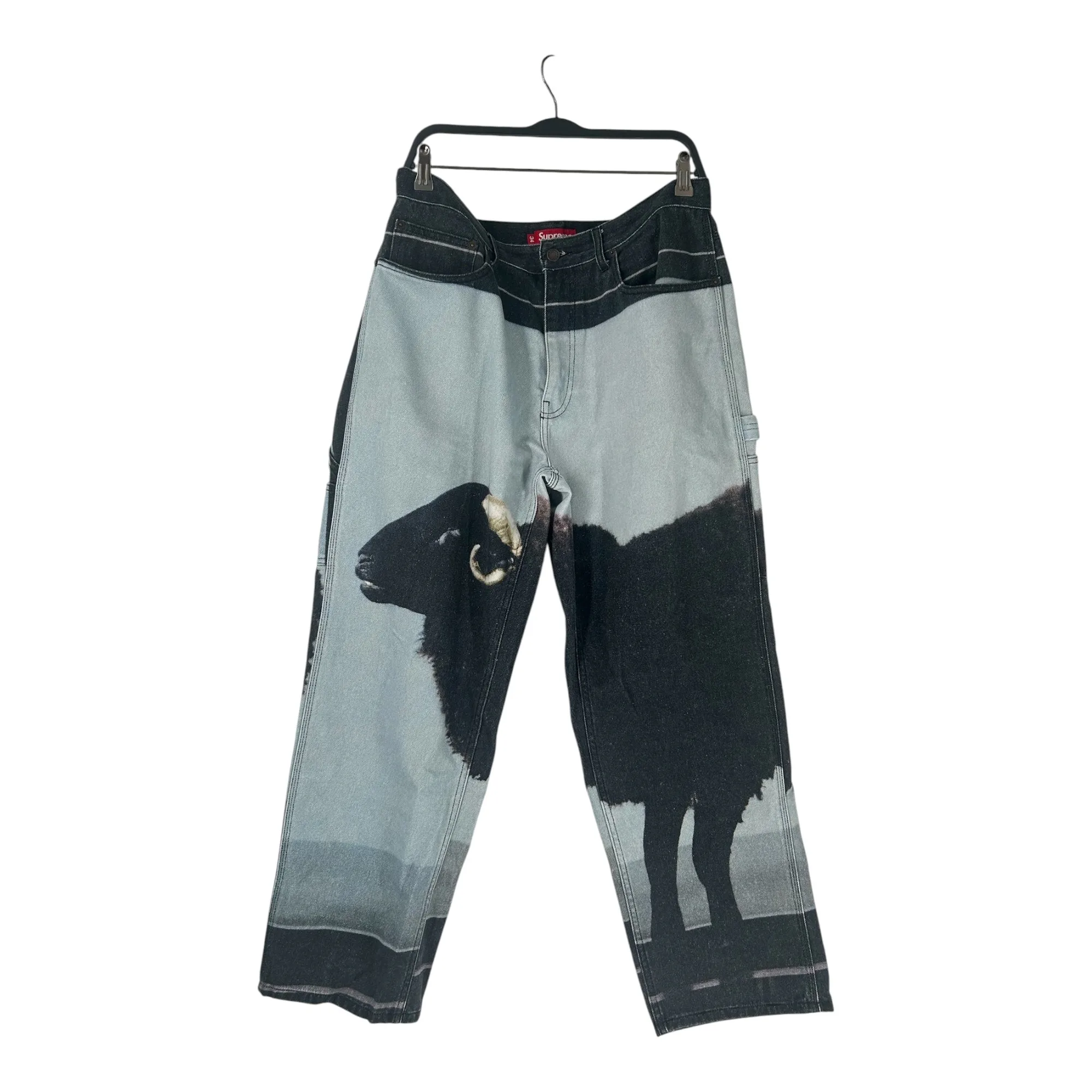
- Supreme/Pants/34/Denim/BLU/All Over Print/DAMIEN HIRST GOAT PANTS: Measurements WAIST: 34” INSEAM: 30”, Color BLUE, Condition USED_EXCELLENT, Material COTTON An all-over print on cotton denim is the most fade-sensitive kind of surface, so wash this pair inside out, cold, and rarely to protect the printed pattern.
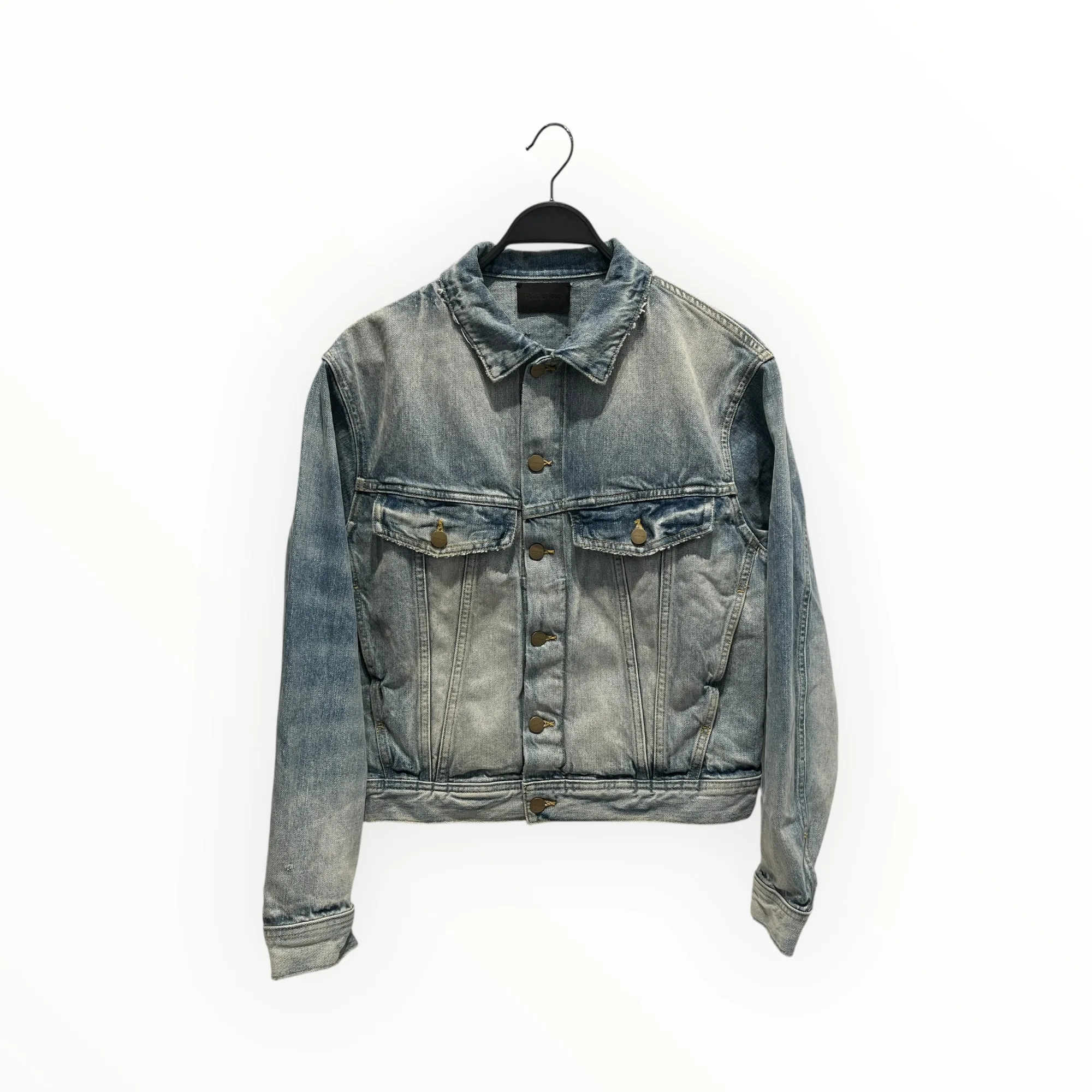
- FEAR OF GOD/Denim Jkt/XS/Denim/BLU/TRUCKER JACKET 7TH COLLECTION: Size Chest: 22”, Length: 23”, Shoulder: 19”, Sleeve: 25”, Color: Blue, Light Wash, Material: Denim, Condition Used_Very Good A light-wash jacket has already lost much of its surface indigo, so the priority shifts to preventing further abrasion at cuffs and collar rather than preserving deep color.
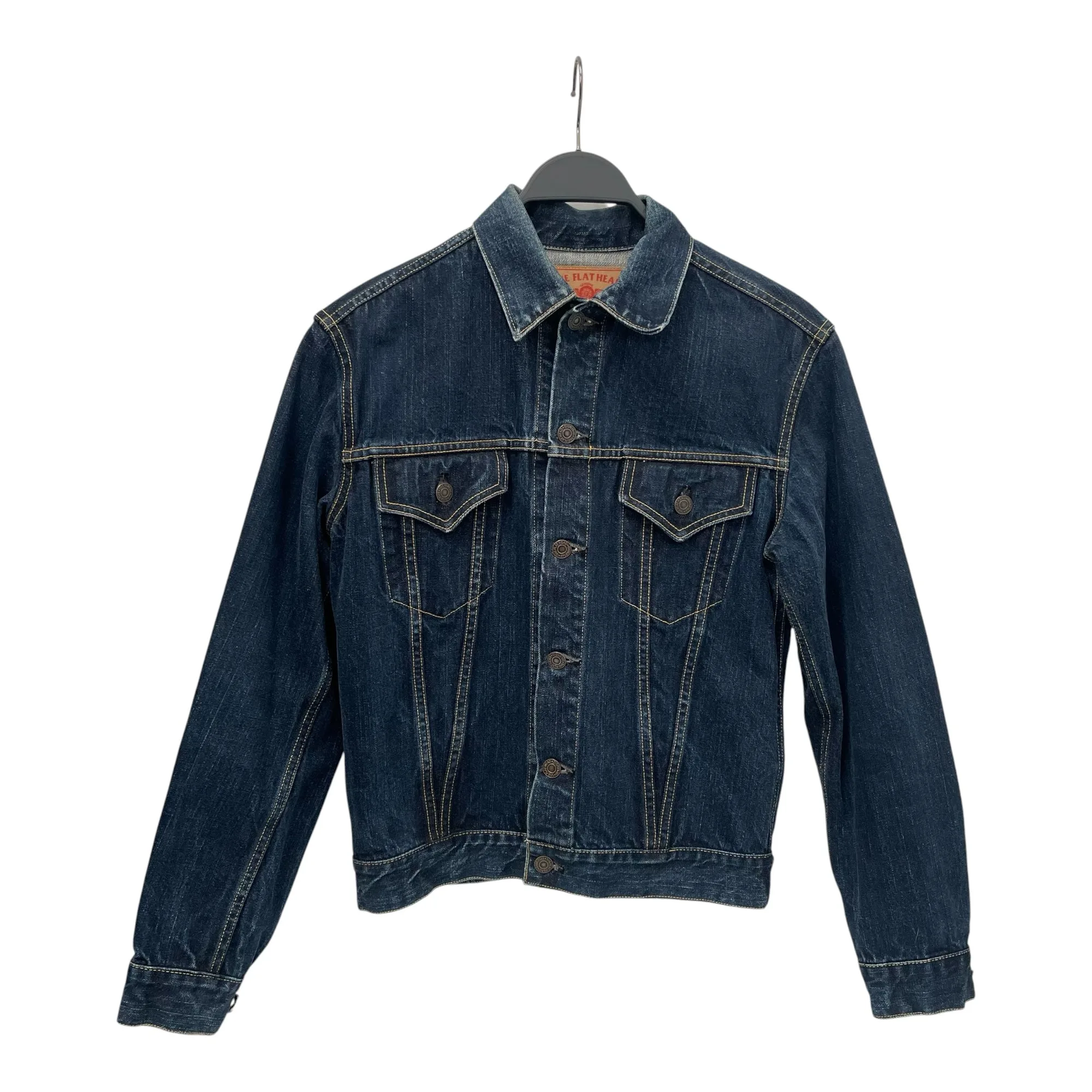
- THE FLAT HEAD/Denim Jkt/38/Denim/IDG/6003W DENIM JACKET: Size: Chest: 30”, Color: Blue, Material: denim, Condition: S_Used Like New A like-new indigo jacket is the best candidate for the full low-wash routine, since there is still plenty of surface dye worth protecting.
Fading is part of denim's life, but you control the pace. Wash less, keep the water cold, skip the dryer, and rotate your pairs. Do those four things and a good pair of jeans will hold its depth for years instead of months.