Quick answer
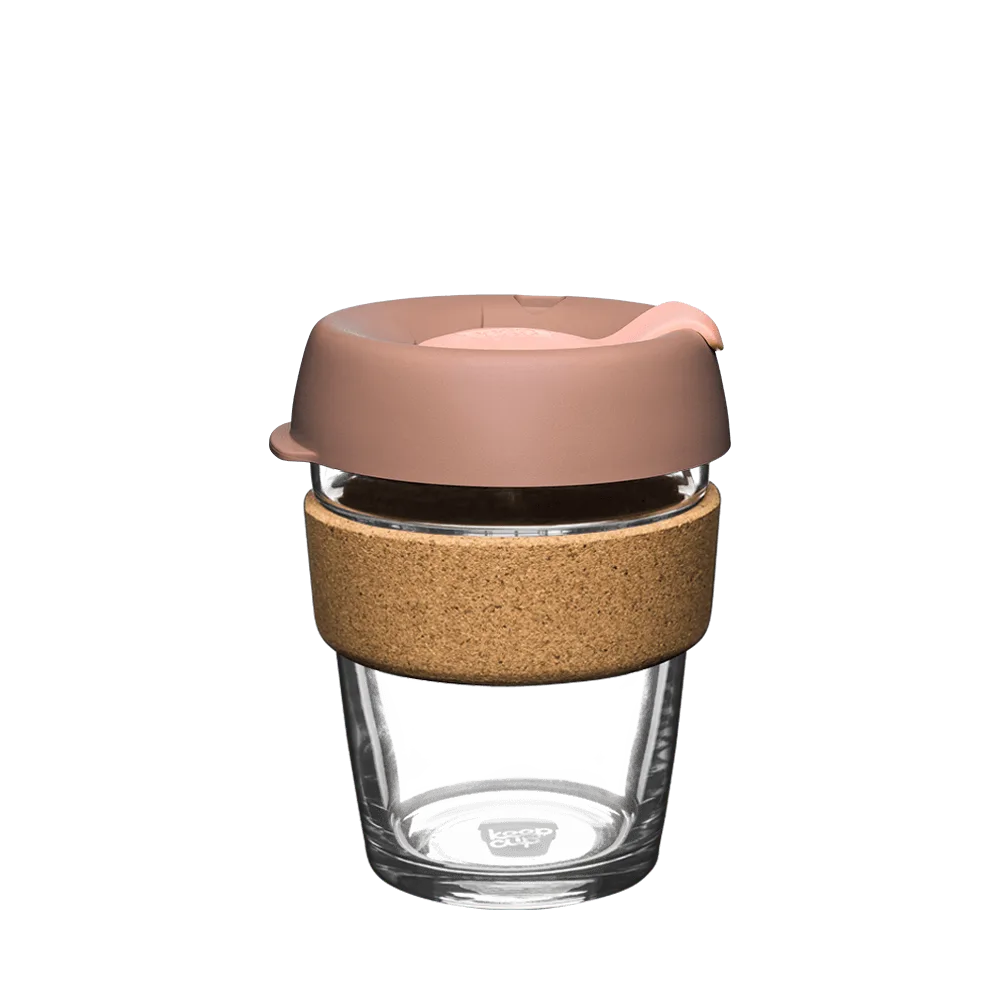
Pre-chill the glass, fill it nearly to the top with large ice cubes, and slip on a cork sleeve to slow heat transfer from your hand. A https://keepcupecj.com/products/brew-cork-glass-cup-305368https://keepcupecj.com/products/brew-cork-glass-cup-305369https://keepcupecj.com/products/brew-cork-glass-cup-305404https://keepcupecj.com/products/brew-cork-glass-cup-305407Brew Cork Glass Cup gives you the cork band already, so you only need to chill the glass and choose the right ice. Skip thin, watery ice and never leave the cup in direct sun.
Why an uninsulated glass cup warms up faster
Glass is a poor insulator, so an uninsulated glass cup pulls heat from the room and your hand straight into your drink. The thin wall offers almost no barrier, which is why iced coffee in a plain glass can taste diluted and lukewarm within 20 minutes. A cork band helps because cork traps air and slows that heat transfer, but it does not make the cup vacuum-insulated. You still need to manage the ice and the starting temperature.
Pick the right ice for a glass cup
Ice shape matters more than most people expect. Large cubes or spheres melt slower because they have less surface area relative to their volume. Crushed ice or small nugget ice melts fast, watering down your drink and doing little to keep it cold. If you only have small cubes, use more of them and drink sooner. For a glass cup, one or two large cubes often outperform a full scoop of small ones.
Use the cork sleeve as a heat barrier, not a cooler
A cork sleeve is not a magic cooling layer. It reduces heat coming from your hand and slows condensation, which keeps the outside drier and the drink slightly colder for longer. Keep the sleeve on from the first pour. If you take it off to show off the glass, you lose the only insulation the cup has. Also avoid setting the cup on warm surfaces like a stovetop or a sunny windowsill.
Step-by-step: keep your glass cup cold
- Pre-chill the glass cup: Fill the glass with cold water and ice, or place it in the refrigerator for 10–15 minutes before you make your drink. A room-temperature glass steals cold from your ice immediately. Checkpoint: the outside of the glass should feel cold to the touch before you add your drink.
- Add large ice cubes first: Put one or two large cubes in the empty glass before pouring your coffee or tea. Large cubes melt slower and sit at the bottom, chilling the liquid as it rises. Common mistake: filling with small or crushed ice, which melts fast and dilutes the drink.
- Pour your drink over the ice: Pour chilled coffee, tea, or juice over the ice rather than adding ice to a warm liquid. If your drink is room temperature, chill it in the fridge first. Checkpoint: the liquid should already be cold before it touches the ice.
- Keep the cork sleeve on: Slide the cork band into place and leave it there. The cork slows heat from your hand and reduces condensation on the outside of the glass. Common mistake: removing the sleeve because it looks nicer without it, which speeds warming.
- Drink within 30–40 minutes: An uninsulated glass cup will not hold cold for hours. Plan to finish your drink within about half an hour, or transfer it to an insulated bottle for longer outings. Next step: if you need all-day cold, use a vacuum-insulated cup instead of glass.
Product facts
- Brew Cork Glass Cup: The Brew Cork Glass Cup combines a glass body with a cork band for a comfortable grip. The cork band gives you a built-in heat barrier, so you do not need a separate sleeve to slow warming from your hand.
- Brew Cork Glass Cup: The Brew Cork Glass Cup is described as a reusable cup for hot or cold beverages with a glass body and cork band for a comfortable, insulated grip. This confirms the cup is intended for cold drinks, so you can use it for iced coffee without worrying about thermal shock from normal use.
- Brew Cork Glass Cup: The Brew Cork Glass Cup features a glass body with a cork band that provides insulation and a comfortable hold. The cork band is the only insulation layer, so keeping it on and pre-chilling the glass are your two main levers for cold retention.