Quick answer
Chains tangle because they move freely against each other and against other metal. The fix is separation, not better untangling: hang each necklace on its own hook or clasp it through a straw, keep earrings in divided compartments or on a card so pairs stay apart, and use a hard-sided pouch or a structured bag with small pockets when you travel. If a knot has tightened into a hard bead, stop pulling and restring or replace the chain instead of risking a broken link.
Why chains knot even when you store them carefully
A fine chain has almost no stiffness, so any movement lets it fold back on itself. Once a loop forms, the weight of a pendant or a second chain pulls it tight, and friction holds it there. That is why a necklace can tangle inside a closed drawer with nothing else touching it.
Earrings tangle for a different reason: posts, hooks, and backs catch on each other and on chain links. Mixing earrings and necklaces in one loose pile gives the hooks something to grab, which is why the worst tangles usually involve both.
Fixes that work in a drawer or on a dresser
Hanging separates chains by length and keeps them from touching. A row of small hooks, a tie rack, or even adhesive hooks inside a cabinet door all work. Clasp the necklace and hang it from the clasp or the chain itself so the pendant hangs free.
If you prefer a flat drawer, give each necklace its own slot. A felt insert, a bead organizer, or a stack of small trays keeps chains from sliding into each other. For earrings, a divided box or a stud card holds pairs apart; a shared dish is the single biggest cause of morning tangles.
- Thread a chain through a cut drinking straw and clasp it to keep the length rigid and separate.
- Store pendants flat rather than hanging if the pendant is heavy enough to pull the chain into a knot.
- Keep sterling silver and gold-filled pieces in separate slots if you notice dark marks or scratches on the softer metal.
Jewelry travel storage that survives a suitcase
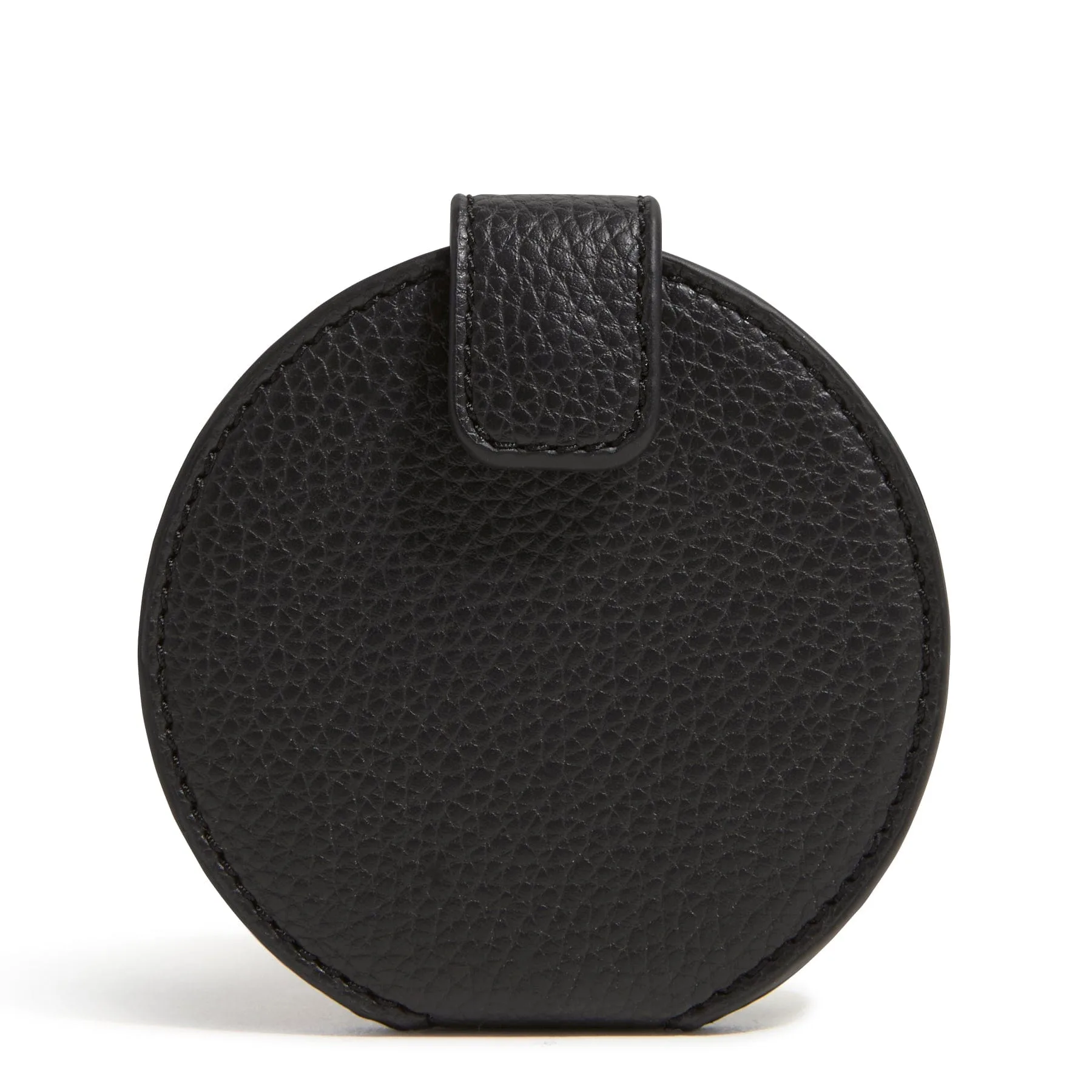
Travel is where most tangles happen, because the case gets compressed and shaken. A hard-sided or semi-rigid pouch with individual loops or zip sections holds its shape and keeps chains from migrating into each other.
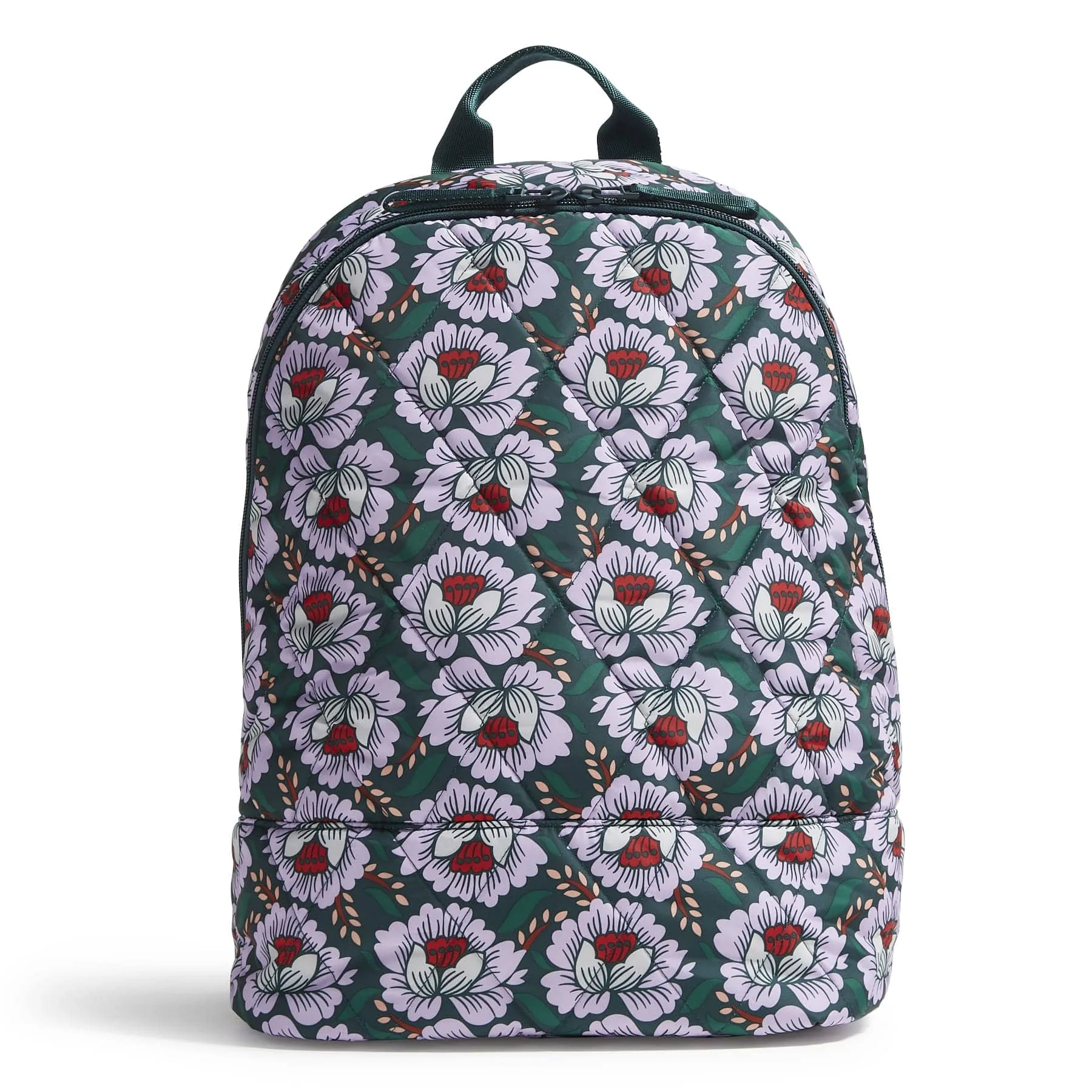
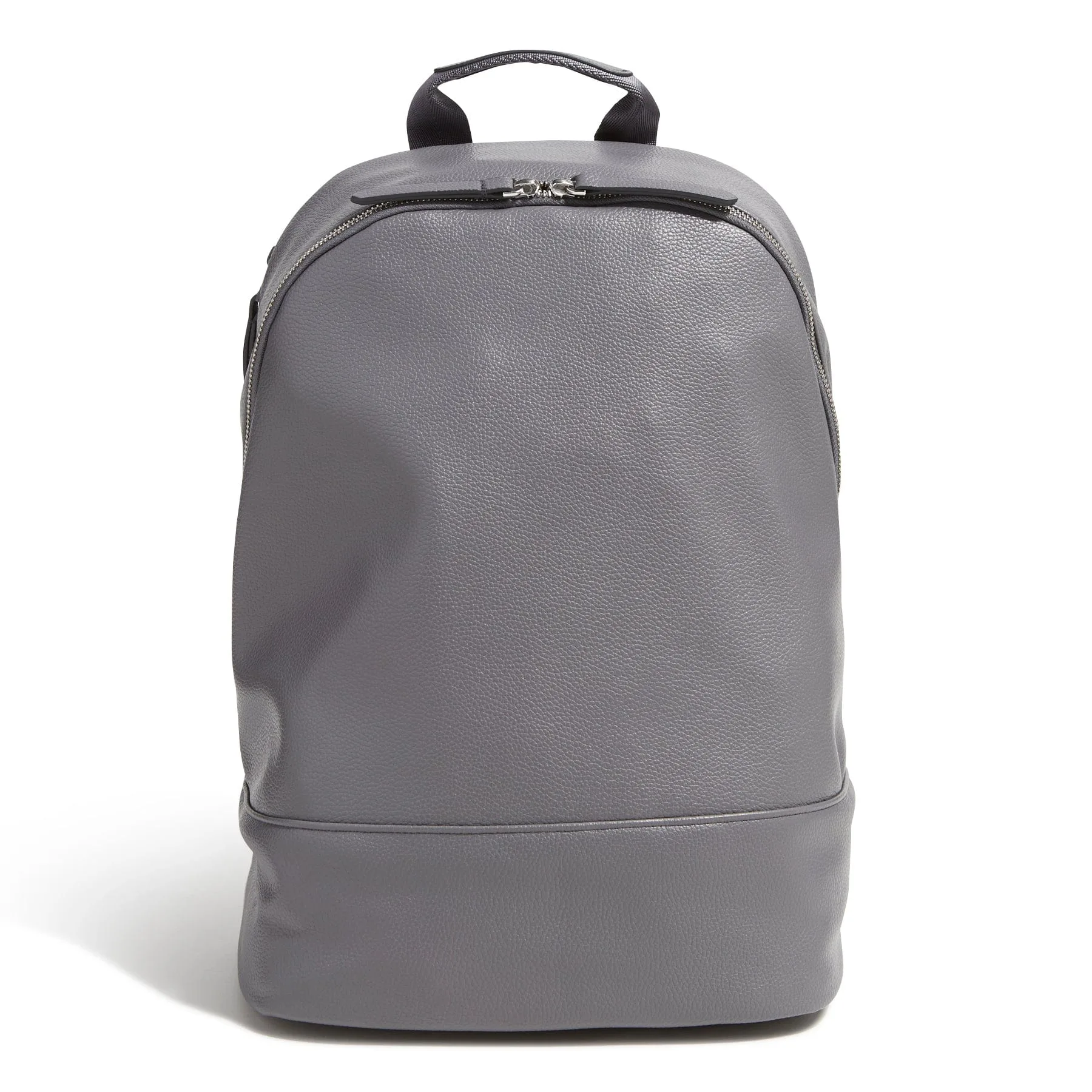
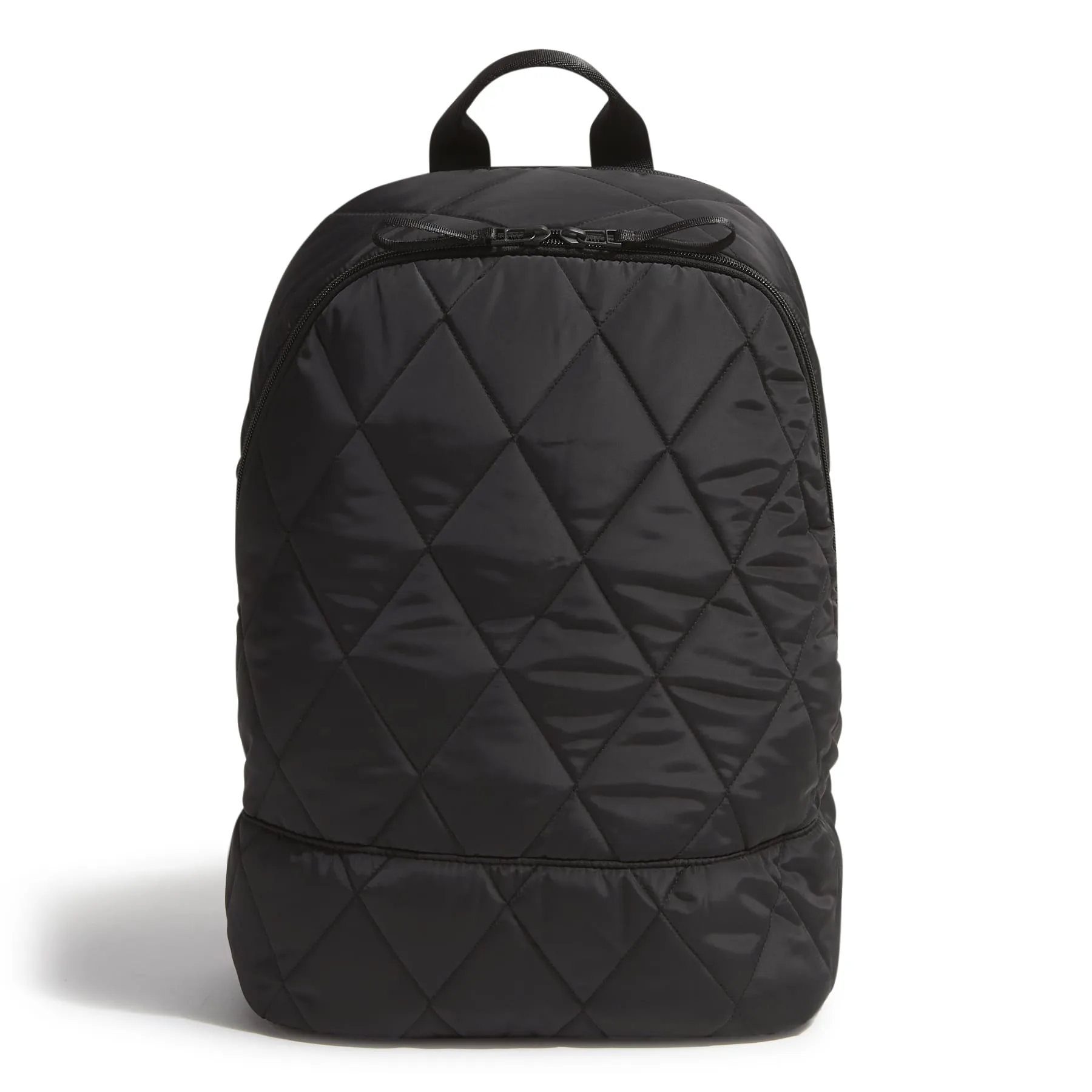
If you are packing jewelry inside a larger bag, put the pouch in a pocket rather than loose in the main compartment. A structured bag with a hidden zip pocket or a small exterior slip pocket keeps the pouch from being crushed by clothes, shoes, or a laptop. The https://verabradleyoutletex.com/products/commuter-backpack-5086920089-e32412027d6dc2143d0f3c22-1639817https://verabradleyoutletex.com/products/outlet-commuter-backpack-5078220895-c01e8905bfa008cfd27df487-1639831https://verabradleyoutletex.com/products/commuter-backpack-5078220341-f1a68fa031885668f0bc57c0-1639850https://verabradleyoutletex.com/products/commuter-backpack-5078220089-468d88c3609710f107e37baa-1639855Outlet Commuter Backpack has a hidden zip pocket and a trolley sleeve, which makes it a reasonable place to stash a jewelry pouch if you are carrying one bag for work and travel.
For longer trips, limit what you bring. Two necklaces and three pairs of earrings tangle far less than a full jewelry box, and you are less likely to lose a back or a single earring.
How to untangle a knot without breaking the chain
Work on a flat, well-lit surface with a pin or a needle. Add a drop of baby oil or a light conditioning oil to loosen friction, then tease the knot apart from the outside in. Never pull the two ends apart to force it, because that tightens the knot and stresses the links.
If the knot is in a delicate chain, stop before you reach for pliers. A jeweler can often free it in minutes, and the cost is usually lower than replacing a snapped chain. If the chain has already stretched or a link has opened, restringing or replacing is the better call.
Diagnose your tangle before you fix it
- Symptom: one chain knots by itself in a drawer: The chain is moving freely and folding back on itself, usually because it is stored loose or hanging next to another chain. Separate it onto its own hook or into its own slot. If it still knots, the chain is too fine for loose storage and should be stored flat.
- Symptom: earrings and necklaces tangle together: Earring posts, hooks, and backs are catching chain links in a shared container. Split earrings into a divided box or card and keep necklaces in a separate section. This is the easiest fix and usually solves the problem immediately.
- Symptom: a knot will not loosen after oil and gentle teasing: The knot has tightened into a hard bead, or the chain is kinked rather than looped. Stop pulling. Take it to a jeweler or restring it. Forcing a tight knot is how chains break and how pendants get lost.
Product facts that help with jewelry storage
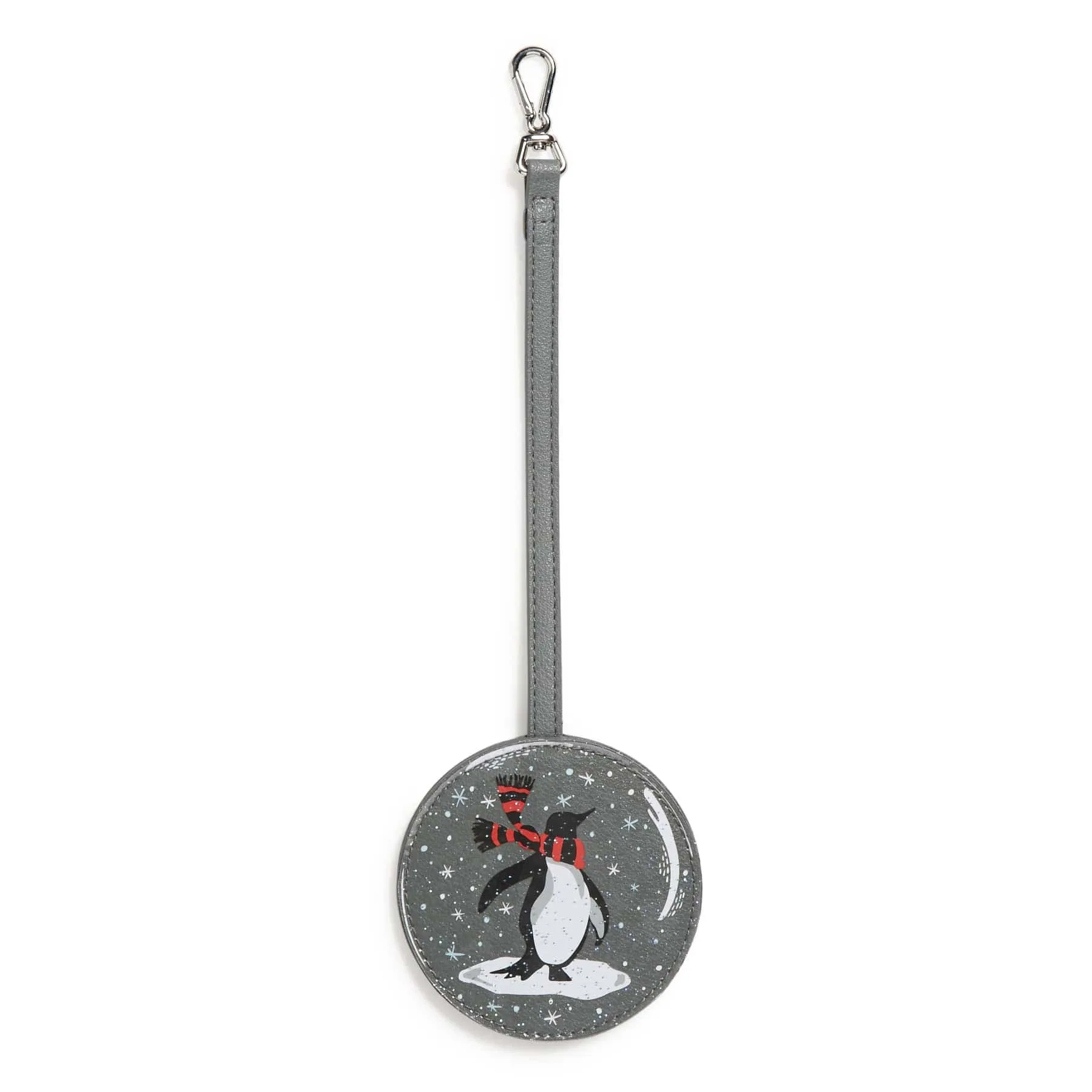
- Whimsy Luggage Tag: Whimsy Luggage Tag: polyurethane with a snap closure for ID card privacy, name card included, 3.5" w x 3.5" h x 0.25" d, strap length 6.5". A snap-closed tag keeps a spare earring card or a small jewelry pouch from opening in transit, and the bright pattern makes a bag easy to spot if you are juggling a jewelry case and luggage.
- Outlet Commuter Backpack: Outlet Commuter Backpack: exterior hidden zip pocket and trolley sleeve, interior two slip pockets and a zip pocket, laptop pocket fits up to a 17" laptop, 20 L capacity, 11.0" w x 16.5" h x 6.25" d. The hidden zip pocket and interior slip pockets give a jewelry pouch its own spot instead of letting it slide around with cables and keys, which is where chains usually get crushed.