Quick answer
Keep gilded playing cards from fading and wearing by limiting handling to clean, dry hands, storing the deck in a cool, dark, low-humidity place, and never sliding gilded cards across rough surfaces. The foil edge is the most fragile part, so treat every shuffle and box insertion as a chance to scratch it.

playing cards
Why gilded edges fade and wear faster than standard decks
Gilding is a thin metallic layer applied to the card edges. It does not soak into the paper like ink, so it sits on the surface where friction, moisture, and skin oils can dull it. Standard cards wear mostly on the faces and corners; gilded decks wear first along the edges, which is exactly where you grip and shuffle. That is why gilded playing cards care is mostly about reducing edge contact, not about cleaning the faces more often.
Set up a low-risk handling routine
Wash and dry your hands before every session. Oils and lotion residue transfer to the foil and attract dust, which then acts like sandpaper during shuffles. Keep a microfiber cloth nearby and wipe the table before you deal. If you play on a bare wooden table, put down a playmat or a clean cloth first; direct contact with wood grain or grit is one of the fastest ways to scratch gilded edges.
Choose the right storage for gilded decks
Store gilded decks in their original box or a snug deck box, upright and away from sunlight. Ultraviolet light fades the printed faces and can dull metallic foil over time, so a drawer or closed cabinet beats a windowsill display. Humidity is the other quiet enemy: damp air can cause paper to swell, which pushes the gilding against the box walls and creates rub marks. If you live in a humid climate, add a silica gel packet to your storage drawer and replace it every few months.
Step-by-step gilded deck care routine
- 1. Wash and fully dry your hands: Use soap and water, then dry with a clean towel. Avoid hand lotion, sunscreen, or oily cosmetics before handling gilded cards. Checkpoint: if your fingertips feel slick, wash again. Oils are the top cause of dull, patchy gilding.
- 2. Prepare a clean, soft surface: Lay down a playmat, felt cloth, or clean cotton towel before dealing or shuffling. Never shuffle gilded cards directly on bare wood, stone, or glass. Mistake to avoid: using a dusty tablecloth. Dust particles embed in the foil and scratch it with every shuffle.
- 3. Shuffle gently and avoid riffle shuffles: Use an overhand shuffle or a gentle pile shuffle. Riffle shuffles bend the edges and drag the gilding against itself. Checkpoint: after shuffling, look at the deck edges under a light. If you see new silver or white streaks, switch to a softer shuffle.
- 4. Store in a cool, dark, dry place: Return the deck to its box or a deck box after each session. Keep it in a drawer or cabinet away from sunlight, radiators, and humid rooms like bathrooms. Mistake to avoid: leaving the deck on a windowsill or in a car. Heat and UV fade both the gilding and the printed faces.
- 5. Control humidity around your collection: Aim for a stable indoor humidity level. In damp climates, add a silica gel packet to your storage box and replace it every few months. Checkpoint: if cards feel soft or start to bow, humidity is too high. Move them to a drier spot before the gilding rubs against the box.
- 6. Clean only when necessary, and gently: For light dust, wipe the edges with a dry microfiber cloth. Do not use water, alcohol, or cleaning sprays on gilded edges. Mistake to avoid: rubbing hard to remove a smudge. You will remove the foil before you remove the mark.
Gilded decks worth caring for
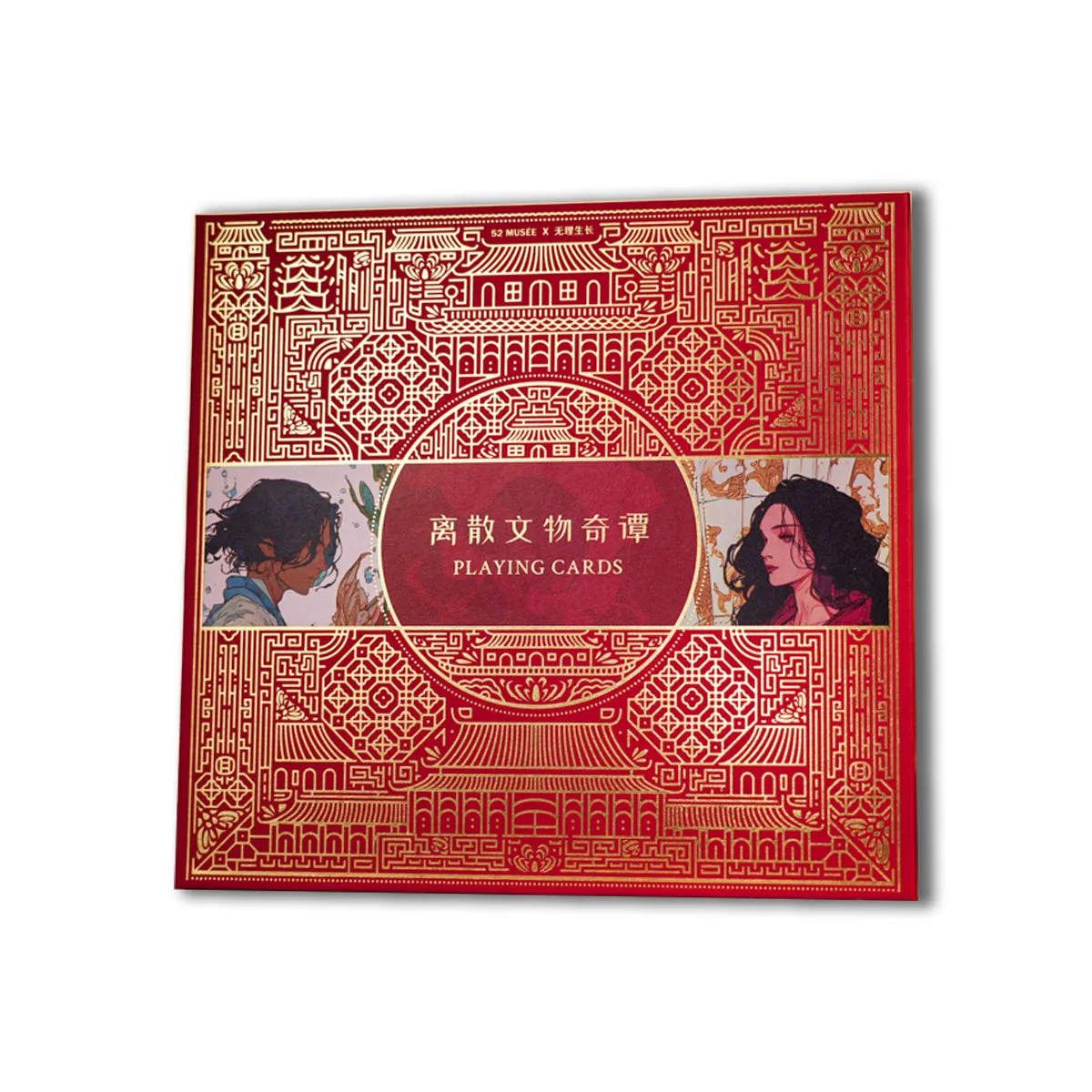
- Ancient Relics Gilded Collection Box: Ancient Relics Gilded Collection Box features delicate, symmetrical patterns inspired by Eastern architecture and traditional motifs, with anthropomorphized cultural relics such as a Qing dynasty cloisonné shell-shaped tripod basin and a Ming dynasty wucai fish-and-algae lidded jar. A gilded collection box like this is both a display piece and a storage container, so keeping it closed, upright, and out of direct sun protects the foil edges and the printed artwork at the same time.
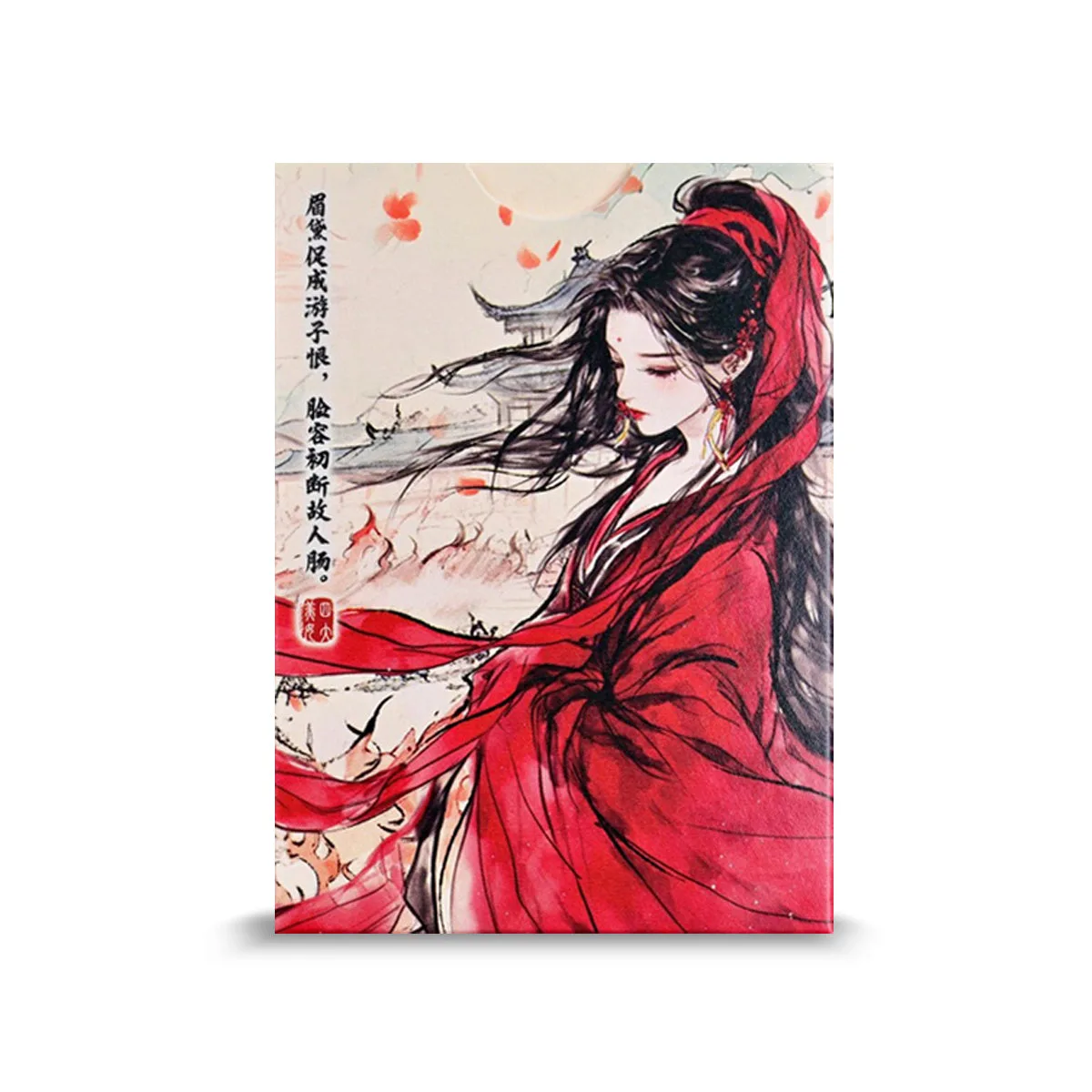
- Four Beauties Diao Chan Playing Cards: Four Beauties Diao Chan Playing Cards uses gold lines to trace snowflakes, berries, and pine branches, with each deck carrying a unique gold foil number. Decks with gold foil numbering and fine gold linework show edge wear and surface scuffs quickly, so they benefit most from the clean-hands and playmat habits in this routine.