Quick answer
Treat the fabric cover like a textile, not a plastic shell: keep it out of abrasive bags, wipe smudges with a barely damp cloth, and store the notebook flat or upright so the elastic and corners do not distort. Most cover damage comes from friction and pressure, not from writing in the notebook.
Start with how you carry it
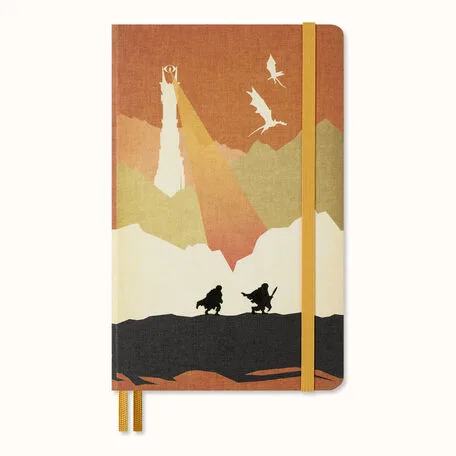
The single biggest cause of a worn-looking cover is rubbing against keys, zippers, or the rough interior of a tote. A fabric-covered notebook like the Lord of the Rings Large notebooks picks up lint and surface scuffs quickly when it slides around loose. Give it its own slip pocket, a soft pouch, or the inner sleeve of a backpack rather than the main compartment. If you carry it daily, rotate which side faces outward so one corner does not take all the abrasion.
Cleaning without lifting the print
Dust and light smudges come off with a dry, soft cloth or a clean makeup brush along the spine and edges. For anything stickier, dampen a microfiber cloth with water only, wring it out until it is nearly dry, and blot rather than scrub. Work from the outside edge inward so you do not push grime into the fabric weave. Avoid alcohol, acetone, and household sprays, which can dull the printed cover art or leave a ring on the endpapers. Let the notebook air-dry open and flat before you close it.
Storage that protects the shape
Store the notebook flat with nothing heavy on top, or upright on a shelf between other books so the covers stay parallel. Stacking several hardcovers in a pile puts pressure on the bottom notebook's spine and can leave dents in the cover board. Keep it away from direct sun and radiators; heat and light are what fade printed covers and dry out the elastic over months, not days. If you keep it in a drawer, add a cloth or felt liner so the corners are not grinding against the drawer base.
Elastic, corners, and the small fixes
The elastic band should sit snug, not stretched around extra cards or a pen clipped to the cover. Over-stretching is a one-way change: once the band loses tension, it will not snap back. If a corner starts to fray, trim loose threads with small scissors rather than pulling them, and avoid pressing the frayed area flat with tape, which can lift the cover material when removed. For a notebook with a fabric cover and printed artwork, a small felt sleeve or elastic band cover is a cheaper fix than replacing a damaged notebook.
Diagnose the damage before you try to fix it
- Surface smudge or fingerprint: Usually oil or handling residue sitting on top of the fabric weave. Blot with a nearly dry microfiber cloth and let it air-dry. If the mark does not lift after two gentle passes, stop; scrubbing will spread it into the fibers.
- Faded or dull printed cover art: Caused by UV light and heat over time, not by cleaning. Move the notebook out of direct sun and away from warm surfaces. Fading cannot be reversed at home; prevention is the only practical option.
- Stretched or slack elastic band: Comes from leaving the band around extra bulk such as a pen, cards, or a second notebook. Remove the extra items and store the notebook closed without tension. A band that has already lost its snap will not recover; use a separate elastic cover if you need a tight closure.
- Frayed corner or lifted edge: Friction against a bag interior or shelf edge. Trim loose threads and change how you carry or store the notebook. If the cover board itself is exposed or delaminating, stop handling it daily and consider a protective sleeve instead of further repair.
Product facts that affect care
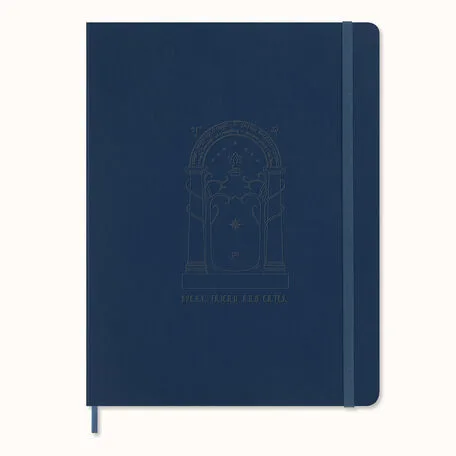
- The Lord of the Rings Notebook Large, plain, hard cover: The Lord of the Rings Notebook Large, plain, hard cover has a fabric-covered exterior with customized endpapers and ivory-colored pages featuring quotes from characters. The fabric cover is the part that shows wear first, so keeping it dry and free of abrasion protects the notebook's most visible feature. The printed endpapers mean you should avoid wet cleaning near the spine.
- Der Herr der Ringe Notizbuch Large, liniert, Hard Cover, Geschenkbox: https://officenookai.com/products/der-herr-der-ringe-notizbuch-large-liniert-hard-cover-geschenkbox-288291Der Herr der Ringe Notizbuch Large, liniert, Hard Cover, Geschenkbox is a lined hardcover notebook with a fabric cover and comes in a gift box. If you store this one in its gift box between uses, the box adds a layer of protection against dust and light, which slows fading on the cover art.