Quick answer
Brush off loose dirt, spot-clean stains with mild soap and warm water, rinse thoroughly, and dry cushions standing on edge in the sun before storing them. For cushions treated to resist fading, mold, and mildew, like the Jordan Manufacturing Universal Chair Cushion-Westport Garden, this routine is usually enough; deep washing is only needed for heavy soiling or sticky spills.
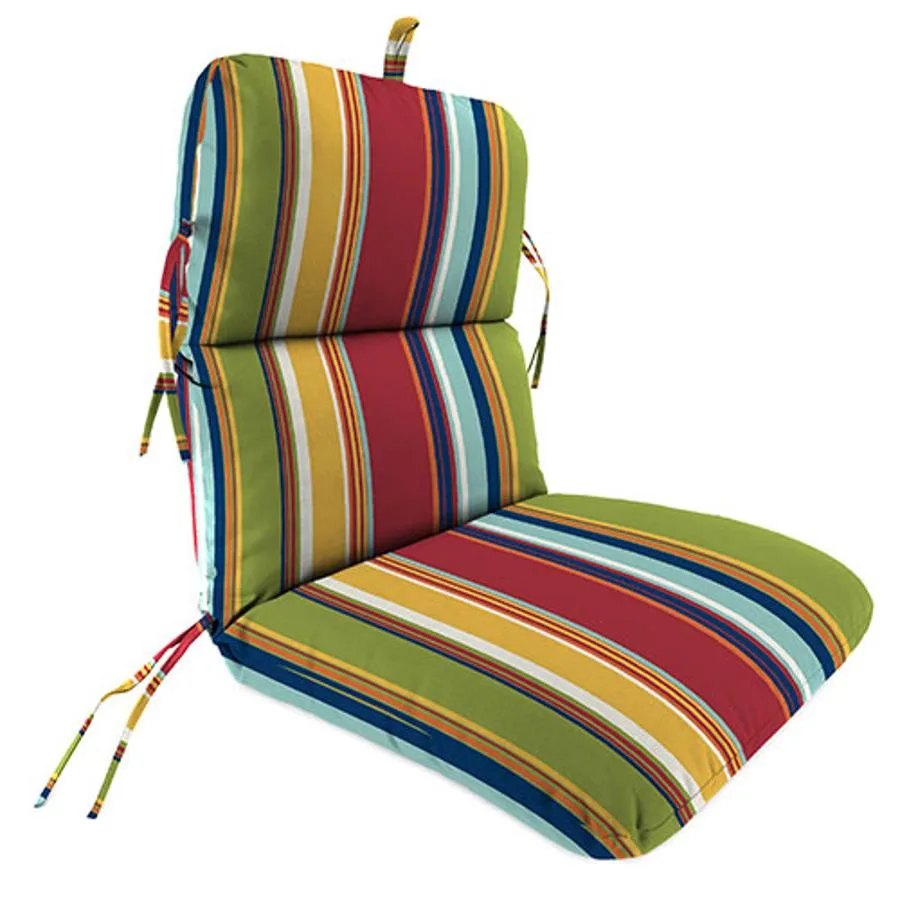
Jordan Manufacturing Universal Chair Cushion-Westport Garden
Outdoor chair cushions collect pollen, sunscreen, bird droppings, and food crumbs faster than most patio furniture owners expect. Left alone, that buildup works into the fabric, dulls the color, and gives mildew a place to start. The good news is that a 20-minute routine every few weeks keeps cushions looking and smelling fresh without a pressure washer or harsh chemicals.
This guide walks through the full process in order, from a quick dry brush-down to drying and off-season storage, with the mistakes that cause the most damage along the way. It works for standard polyester outdoor cushions, including treated fabrics designed for life outdoors.
What you need before you start
Gather a soft-bristle brush, a bucket of warm water, a few drops of mild dish soap, and two clean microfiber cloths. Skip bleach, abrasive cleansers, and stiff wire brushes unless the cushion's care label specifically allows them; they can strip color and break down fabric fibers.
Check the care tag first. Many outdoor cushions are spot-clean only, and some treated fabrics, like spun polyester, are designed to resist fading, mold, and mildew but still shouldn't be machine washed. If the tag says spot clean, stay with spot cleaning even when the cushion looks heavily soiled.
- Work in shade, not direct sun, so soap doesn't dry before you rinse it.
- Have a hose or a second bucket of clean water ready before you apply soap.
Step 1: Brush off loose debris
Before any water touches the cushion, brush off leaves, grass, pet hair, and crumbs with a soft-bristle brush or a vacuum hose with a brush attachment. This step matters because wetting loose dirt turns it into muddy streaks that spread deeper into the fabric.
Flip the cushion and brush both sides, then knock it against a hard surface to dislodge anything trapped in seams and tufting. If you have a chair cushion with knife edging and patterned fabric, work the brush along the edge seam gently so you don't fray the stitching.
- Common mistake: skipping the dry brush and going straight to a wet cloth, which pushes dirt further into the weave.
Step 2: Spot-clean stains with mild soap
Mix a few drops of mild dish soap into a bucket of warm water. Dip a microfiber cloth, wring it out so it's damp rather than dripping, and blot the stain from the outside edge toward the center. Blotting, not rubbing, keeps the stain from spreading and protects the fabric surface.
For greasy food stains, let the soapy cloth sit on the spot for a minute before blotting again. For sticky spills like soda or ice cream, scrape off any residue with a plastic spoon first, then treat the area. Rinse the cloth often so you're lifting dirt rather than redistributing it.
- Common mistake: pouring soap directly onto the cushion, which can leave a residue ring that attracts more dirt.
- Checkpoint: if the stain doesn't lift after two attempts, stop and let it dry before trying again rather than scrubbing harder.
Step 3: Rinse and remove all soap
Rinse the cushion with a hose on a gentle setting or wipe it down with a clean, wet cloth until no suds remain. Soap left in the fabric is one of the most common reasons cushions feel sticky and get dirty again quickly; residue also feeds mildew.
If you used a hose, tilt the cushion so water runs off rather than soaking into the core. Never submerge a foam-filled cushion in a tub or pool, and never put one in a washing machine unless the care label explicitly says it's machine washable.
- Common mistake: assuming a quick rinse is enough. If you can still see or feel suds, keep rinsing.
Step 4: Dry completely before use or storage
Stand cushions on edge in a sunny, well-ventilated spot so air moves around both sides. Depending on thickness and humidity, full drying can take several hours to a full day. Flip them once halfway through so the underside dries too.
This is the step that prevents mildew. A cushion that feels dry on the surface can still hold moisture in the foam core, and putting it back on a chair while damp traps that moisture against the seat. If rain is in the forecast, bring cushions inside or into a covered storage bin until they're fully dry.
- Common mistake: stacking damp cushions together, which traps moisture and creates the conditions for mildew.
- Checkpoint: press the center of the cushion with your palm. If it feels cool or damp, give it more time.
Step 5: Keep up with routine maintenance
A quick brush-down and spot check every week or two prevents the deep cleaning cycle from being necessary as often. Rotate cushions between chairs so wear and sun exposure are distributed evenly, and bring them inside during heavy rain or before a long stretch of wet weather.
During pollen season, a rinse with the hose and a full dry is often all you need. At the end of the season, clean cushions thoroughly, let them dry completely, and store them in a breathable container rather than a sealed plastic bag, which can trap condensation.
- Keep a dedicated soft brush near the patio so maintenance stays easy.
- Store cushions flat or on edge in a dry spot, not compressed under heavy items.
Your outdoor cushion cleaning routine at a glance
- Brush before you wet: Remove loose dirt, crumbs, and pollen with a soft-bristle brush or vacuum brush attachment on both sides of the cushion. Checkpoint: no visible debris left in seams before any water is applied.
- Spot-clean with mild soap: Use a damp microfiber cloth with a few drops of mild dish soap in warm water, blotting from the edge of the stain inward. Common mistake: scrubbing hard, which spreads stains and roughens the fabric.
- Rinse until no suds remain: Use a gentle hose setting or a clean wet cloth, tilting the cushion so water runs off instead of soaking the foam core. Checkpoint: no soap residue visible or feelable on the surface.
- Dry standing on edge in the sun: Flip once halfway through drying, and don't return cushions to chairs or storage until the center feels dry, not cool or damp. Common mistake: stacking damp cushions, which invites mildew.
- Repeat weekly, deep clean seasonally: A quick brush and spot check every week or two keeps cushions fresh; do a full clean and dry before off-season storage in a breathable container. Next step: rotate cushions between chairs to even out sun exposure and wear.
Cushion features that make care easier
- Jordan Manufacturing Universal Chair Cushion-Westport Garden: Made of spun polyester fabric designed for life outdoors and treated to resist fading, mold, and mildew, with a dense fiber fill. The mildew-resistant treatment and outdoor-grade fabric mean routine brushing and spot cleaning are usually enough; you don't need aggressive washing to keep it fresh.
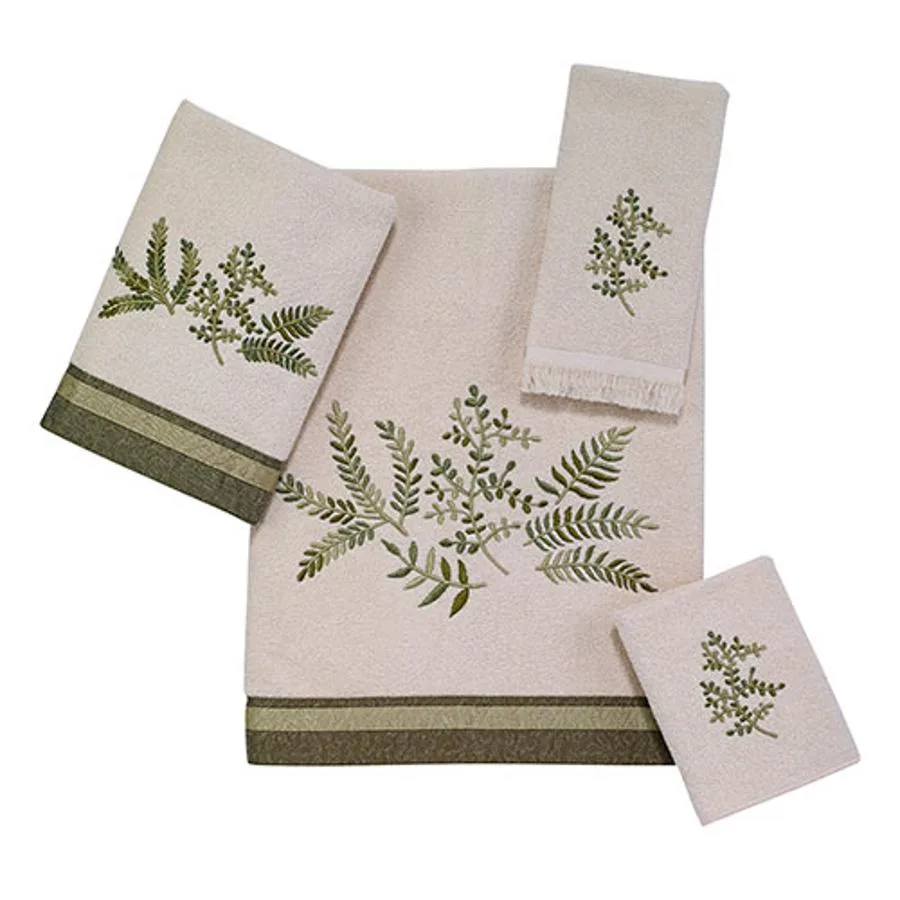
- Avanti Linens Greenwood Towel Collection: 100% cotton with a botanical motif on ivory, machine wash warm on gentle cycle and tumble dry low, with dry cleaning recommended. Cotton towels absorb water well for drying off cushions after a rinse, and the gentle wash instructions show the same low-heat approach that protects outdoor fabrics.
Outdoor cushion care comes down to a simple rhythm: brush, spot-clean, rinse fully, and dry completely before the cushion goes back on the chair. Do that every couple of weeks, and your patio seating stays comfortable and fresh from the first warm day to the last.