Quick answer
Store your deck in the original cardboard case, keep it in a cool dry place away from humidity, and use a gentle bridge shuffle instead of bending the cards.
Why playing cards bend and what you can do about it
Playing cards are made from coated paper, and while that coating gives them a smooth feel and durability, it also makes them vulnerable to moisture and pressure. Humidity is the main culprit: paper fibers absorb moisture from the air, expand unevenly, and cause warping. Heat and direct sunlight can dry out the coating and make the cards brittle.
The good news is that most bending is preventable with a few simple habits. Focus on controlling the environment, using proper storage, and handling the cards with care. These steps will keep your deck flat and functional for months or even years.
How the right case helps prevent damage
A sturdy cardboard case is more than just packaging—it provides a snug fit that keeps cards aligned and protects them from dust, light, and minor pressure. Many custom decks, like the 278545906_5238499486195743_787313003722429631_n Playing Cards 2.5"x3.5", come with a high-quality cardboard case included. Using that case every time you finish a game is the simplest way to prevent accidental bending.
If the original case wears out over time, consider a plastic deck box or a tin case for extra rigidity. Avoid storing loose cards in a drawer or bag without protection.
Step-by-step guide to prevent playing cards from bending
- Store in a cool, dry place: Keep your deck in a room with stable temperature and low humidity. Avoid attics, basements, bathrooms, or any area prone to moisture. A bedroom drawer or a shelf away from windows works well. Check the room humidity with a simple hygrometer; aim for 40-50% relative humidity.
- Always use the original case or a deck box: After each use, return the cards to the cardboard case that came with the deck. If the case is damaged, replace it with a snug-fitting plastic or tin box. Never leave cards loose in a bag or on a table. A loose deck is much more likely to get bent by accident. Make it a habit to case the cards before putting them away.
- Handle cards with a gentle bridge shuffle: When shuffling, use a bridge shuffle (also called a riffle shuffle) that bends the cards only slightly. Avoid overhand shuffles that flex the cards repeatedly in the middle. For very stiff new decks, fan the cards a few times before the first shuffle to loosen them. If you hear cracking sounds while shuffling, you are bending the cards too far. Ease up on the pressure.
- Keep cards away from food and drinks: Moisture and sticky residues from snacks or beverages can warp cards and make them stick together. Set up a separate playing area away from eating and drinking. If a spill happens, immediately wipe the affected card with a dry cloth and let it air dry flat. A single wet card can warp an entire deck if left in the case. Dry any damp card completely before storing.
- Rotate your deck if you play frequently: If you use the same deck every day, the cards at the top and bottom of the stack can develop a permanent curve from pressure. Rotate the deck by moving the bottom card to the top every few sessions. This distributes the pressure evenly across all cards. For decks you play with daily, consider buying two and alternating them to extend the life of each.
Product facts
-
278545906_5238499486195743_787313003722429631_n Playing Cards 2.5"x3.5": Made of firm coated paper and includes a high-quality cardboard case. The coated paper resists wear, and the included case provides immediate protection against bending when not in use.
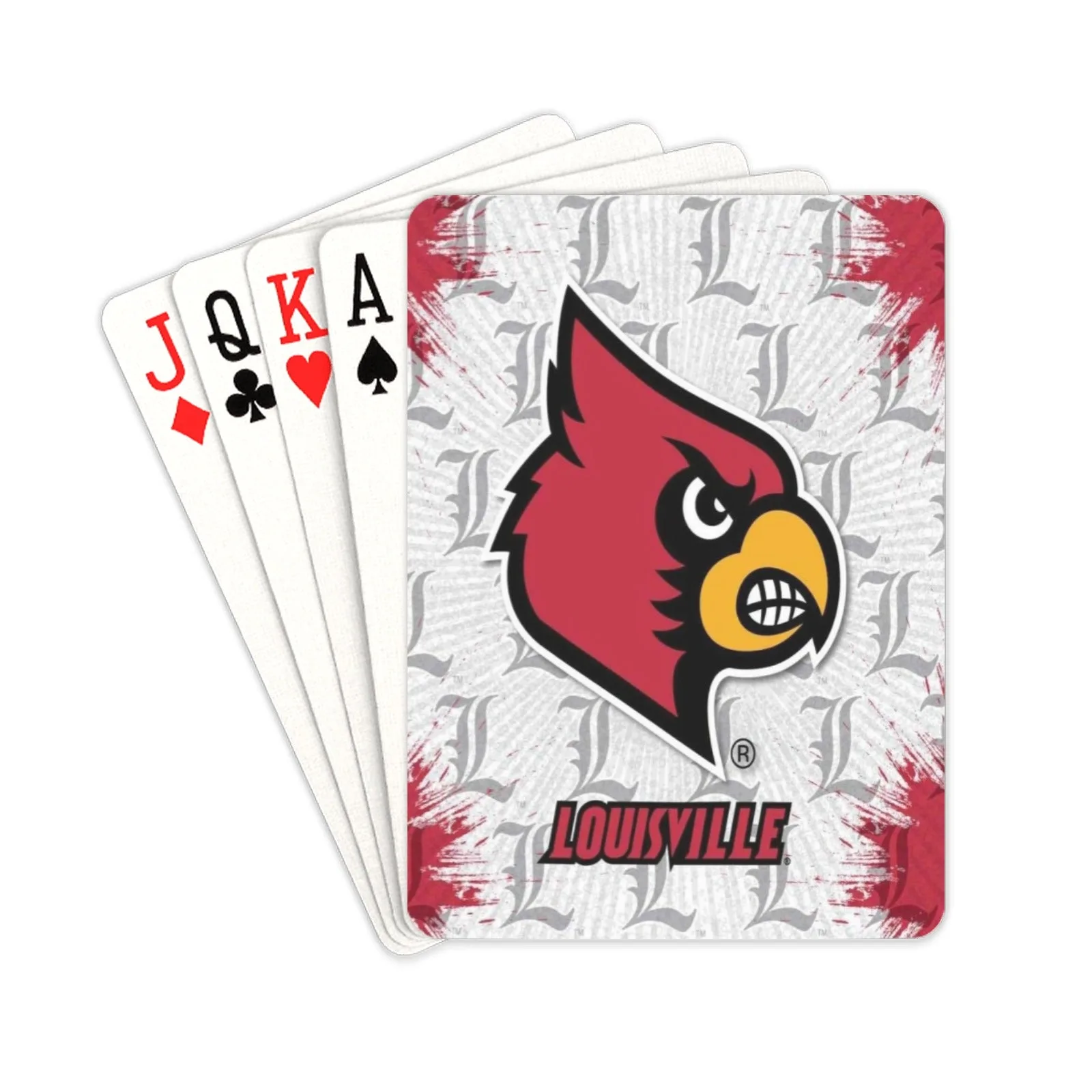
278545906_5238499486195743_787313003722429631_n Playing Cards 2.5"x3.5"