Quick answer
Most satin and lace snags come from three things: rough edges in the wash, metal hardware rubbing in storage, and dry hands catching on textured lace. Wash delicate pieces in a mesh bag or by hand, fasten hooks before storing, and stop a small pull by stretching the fabric gently around it instead of tugging the thread. If a run is longer than a few centimeters or the lace edge has lost its shape, that piece is past a home fix.
Why satin and lace snag so easily
Satin gets its shine from a weave where floats of thread sit on the surface, so a single rough edge can lift a thread instead of sliding past it. Lace is a looped and knotted structure, which means one broken loop can travel. Mesh is lighter still, so it tears rather than pulls. That is why the same zipper, hook, or ring that is harmless against cotton can leave a mark on a teddy or babydoll.
Dry skin is a factor people miss. Rough cuticles and dry hands catch on lace galloon and fine mesh more than moisturized hands do. If you handle delicate pieces right after washing dishes or in dry winter air, you are more likely to create a pull just putting the item on.
Washing habits that prevent most snags
Turn the piece inside out and close every hook, clasp, and garter strap before it goes anywhere near water. Open hooks are the most common cause of a run in a load of delicates because they catch on whatever they touch. Use a fine-mesh laundry bag, keep the load small, and skip anything with exposed zippers, velcro, or heavy hardware.
If you hand wash, do not wring or twist. Press the water out against the side of the sink and lay the piece flat to dry on a towel. Hanging a wet satin teddy by its straps stretches the fabric and puts stress on the seams, which weakens the area around the pull.
Storing satin lingerie without hardware damage
Store each piece flat or folded with the lace facing inward, not stacked against a hook, ring, or garter clip. If you hang pieces, use a padded hanger and keep metal hardware from touching other garments. A drawer divider or a soft pouch works better than a crowded drawer where pieces rub together every time it opens.
Keep lace away from rough surfaces like unfinished wood, wire hangers, and hook-and-loop fasteners. A satin sleep set stored next to a mesh babydoll can also transfer pulls, so separate smooth fabrics from textured ones when you can.
How to fix a small lace pull
Do not cut the thread. Cutting a pulled loop in lace lets the surrounding structure loosen and turns a small snag into a run. Instead, use a blunt needle or your fingertip to work the pulled thread back to the wrong side of the fabric, then gently stretch the fabric around the area in both directions to redistribute the thread.
For a satin pull, a tiny dot of clear fabric glue on the wrong side can stop the thread from traveling further, but test it on an inside seam first. If the pull is on a visible cup or front panel, a repair is usually noticeable, and that is the point to stop and treat the piece as a lounge item rather than something to wear under a fitted dress.
Snag diagnosis: symptom, cause, action, stop point
- Small loop pulled up on lace: A single thread has lifted but the surrounding lace is intact. Work the loop back to the wrong side with a blunt needle and stretch the fabric gently around it. If the loop sits flat again, the piece is fine to wear. If the lace edge looks distorted, stop.
- Satin surface looks scratched or dull: The shine is gone in one area, usually from rubbing against a zipper, hook, or rough drawer surface. This is surface wear, not a repair. No home fix restores the sheen. Rotate the piece to lounge wear or replace it if the dull patch is on a visible panel.
- Run traveling across mesh or lace: A broken loop has started to unravel. Do not cut it. A tiny dot of clear fabric glue on the wrong side can slow it, but the structure is already compromised. If the run is longer than a few centimeters or crosses a seam, stop repairing and replace the piece.
- Repeated snags in the same spot: The cause is almost always storage or washing, not the fabric. Check for open hooks, exposed zippers, or rough drawer edges touching the piece. Fix the storage habit before you replace the lingerie, or the new piece will snag the same way.
Fabric facts that affect snag risk
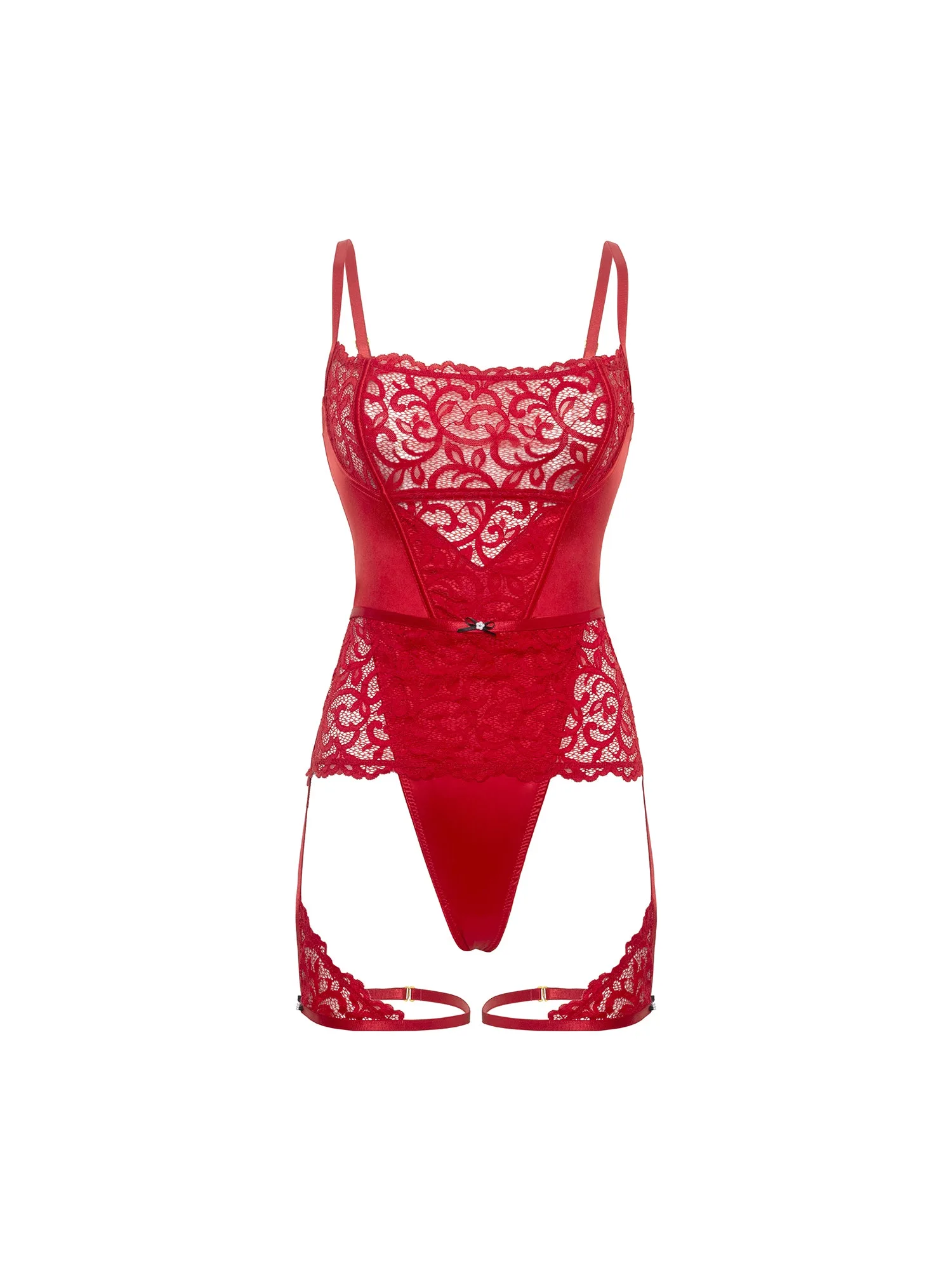
- Curvy Candice Satin & Lace Teddy: Made from stretch satin and delicate lace with soft cups and flexible boning. The satin surface is smooth but can lift a thread against rough edges, so store it flat and keep hooks closed to protect the lace trim.
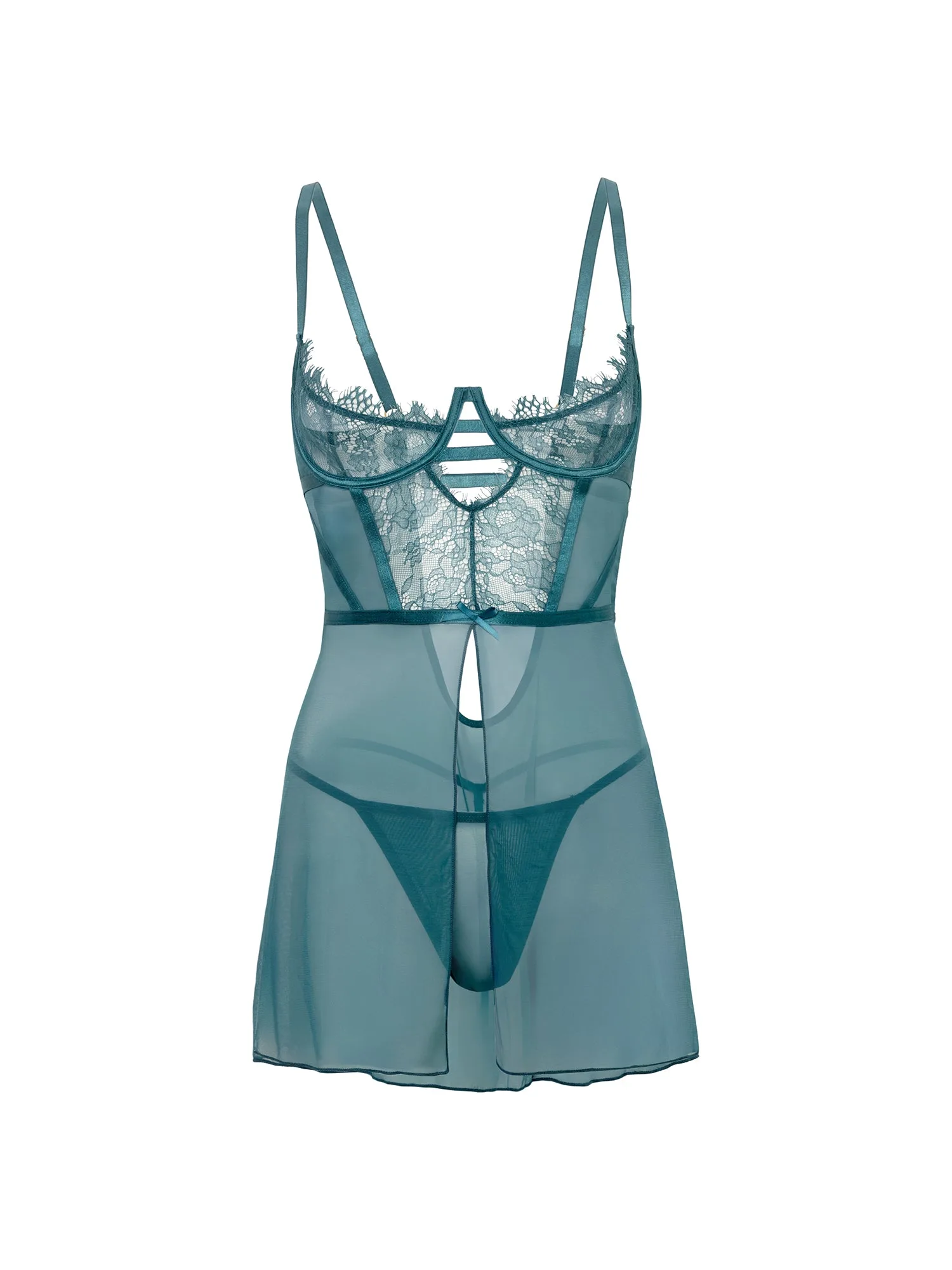
- Cynthia Sheer Babydoll Set: Sheer lace and airy mesh with an underwire and a flyaway silhouette. Mesh and lace are the most snag-prone combination, so this piece belongs in a mesh wash bag and away from metal hardware in storage.
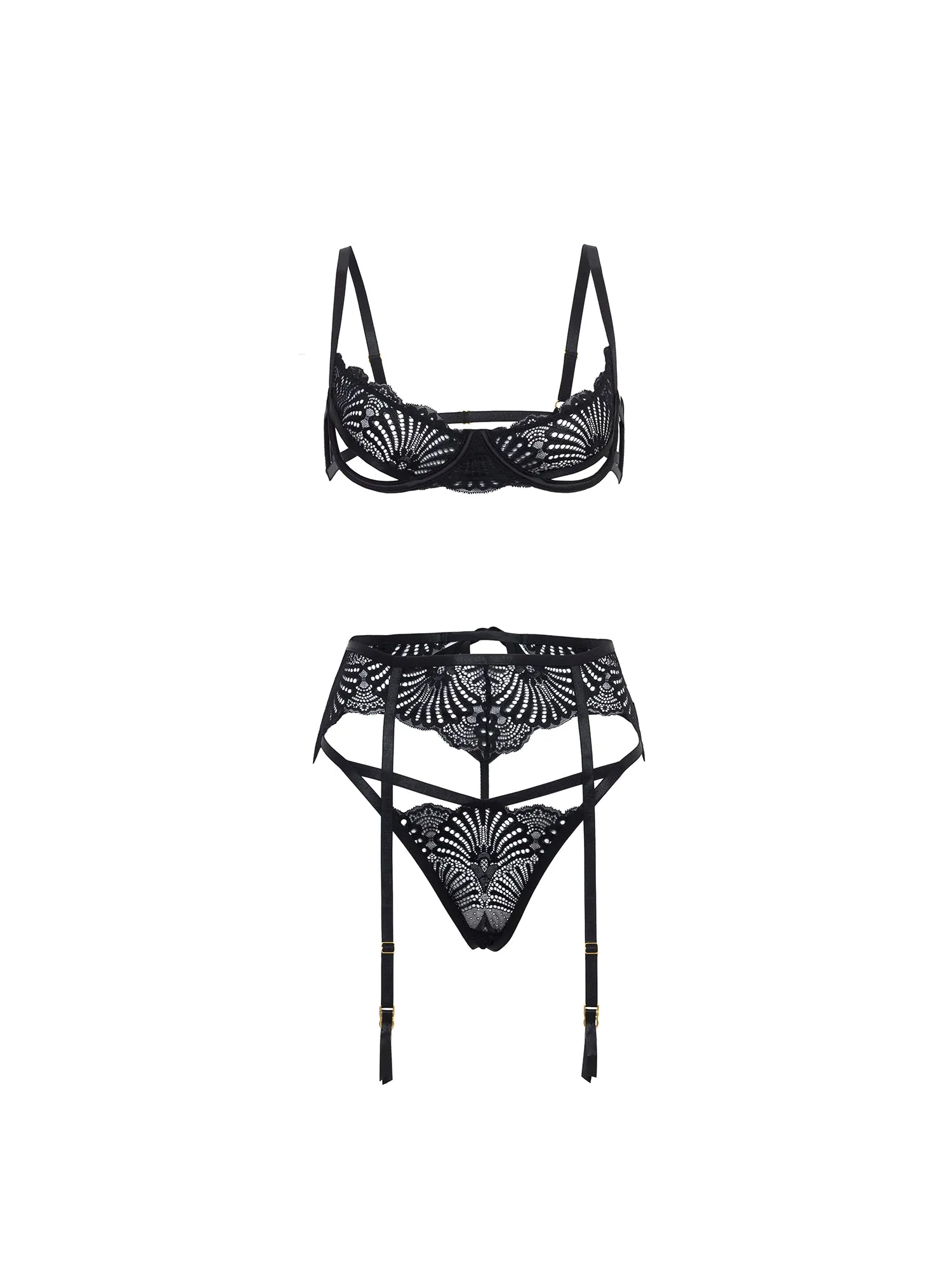
- Hazel Peek-A-Boo 3 Piece Bra Set: Unlined underwire lace galloon cups with adjustable shoulder straps and garter straps. The garter and shoulder hardware can catch on other garments, so fasten the straps before washing and storing to prevent pulls.