Quick answer
Rust comes from moisture left on bare aluminum or exposed steel edges, so wash sheet pans by hand, dry them completely, and store them where air can move around them. Warping comes from sudden temperature swings, so avoid thermal shock and skip the broiler unless the pan is rated for it. If a pan is already bowed or has deep pitting, no care routine will flatten it back, so replace it rather than fight it.
Rust and warping are not the same problem
It helps to separate the two symptoms before you change anything. Rust is a corrosion issue: moisture sits on a reactive surface long enough to oxidize it. Warping is a thermal stress issue: the metal expands and contracts unevenly, and once it bends past its elastic limit it stays bent. A pan can rust without warping and warp without rusting, so the fix you apply depends on which one you are actually seeing. Treating a warped pan with better drying will not flatten it, and treating a rusty pan with lower oven heat will not stop the corrosion.
How to clean sheet pans without inviting rust
Hand washing is the safer default for bare aluminum and for pans with folded or rolled edges. Soak briefly if food is stuck, then use a soft sponge and mild dish soap. Avoid steel wool and abrasive scouring powders on bare aluminum, because they scratch the surface and remove the thin oxide layer that helps protect it. If you use a dishwasher, check whether the pan is labeled dishwasher-safe first; the combination of heat, detergent, and long dwell time is what drives corrosion on unprotected aluminum. Dry immediately with a towel rather than letting pans air-dry in the rack, and pay extra attention to the rolled rims and corners where water hides.
Storage habits that prevent rust between uses
The most common rust cause is stacking still-damp pans or nesting them tightly in a humid cabinet. Give each pan room for air to circulate: stand them on edge in a rack, or place a thin barrier such as a clean cloth or paper towel between nested pans. Keep the storage spot dry and away from under-sink moisture. If you live in a humid climate, a small moisture absorber in the cabinet does more for rust prevention than any coating. Also avoid storing pans directly on a damp basement shelf or against a cold exterior wall where condensation forms.
Why baking sheets warp and how to reduce the risk
Warping usually happens when one part of the pan heats much faster than another. Common triggers include putting a cold pan into a hot oven, adding cold water or frozen food to a hot pan, and running a hot pan under the tap. Let pans cool on a rack before washing. Use parchment or a silicone mat to buffer direct contact between food and metal, and preheat the oven fully so the pan is not fighting a rising element. Broiler use is a separate decision: only broil on a pan that is explicitly rated for it, because intense top-down heat is a frequent cause of sudden bowing.
Diagnose your sheet pan problem
- Orange or brown speckles on the surface: This is surface rust from moisture left on bare aluminum or exposed steel edges. Scrub lightly with a non-abrasive pad and a paste of baking soda and water, rinse, and dry immediately. If the speckles lift off and the metal underneath is smooth, the pan is still usable with better drying habits.
- Dark pitting or flaking along the rim: This is deeper corrosion that has eaten into the metal, usually from repeated dishwasher cycles or long-term damp storage. Pitting cannot be reversed by cleaning. Stop here and replace the pan. Food will continue to stick and the corrosion will keep spreading.
- Pan rocks or bows in the oven: This is thermal warping, caused by uneven heating or sudden temperature change. Let the pan cool on a rack before washing, avoid cold water on a hot pan, and skip the broiler unless the pan is rated for it. If the pan still sits flat when cool, your habits can prevent it from getting worse. If it stays bowed, choose another pan.
Products that fit these care habits
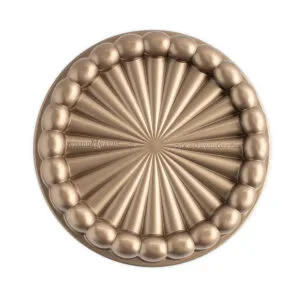
Products
- Naturals® Eighth Sheet Pan | Small Aluminum Baking Sheet: Naturals® Eighth Sheet Pan is a small aluminum baking sheet described as perfect for smaller batches of cookies or heating up leftovers, and useful as a serving tray while grilling. Smaller pans are easier to dry completely and easier to store on edge, which reduces the damp-stacking risk that leads to rust.
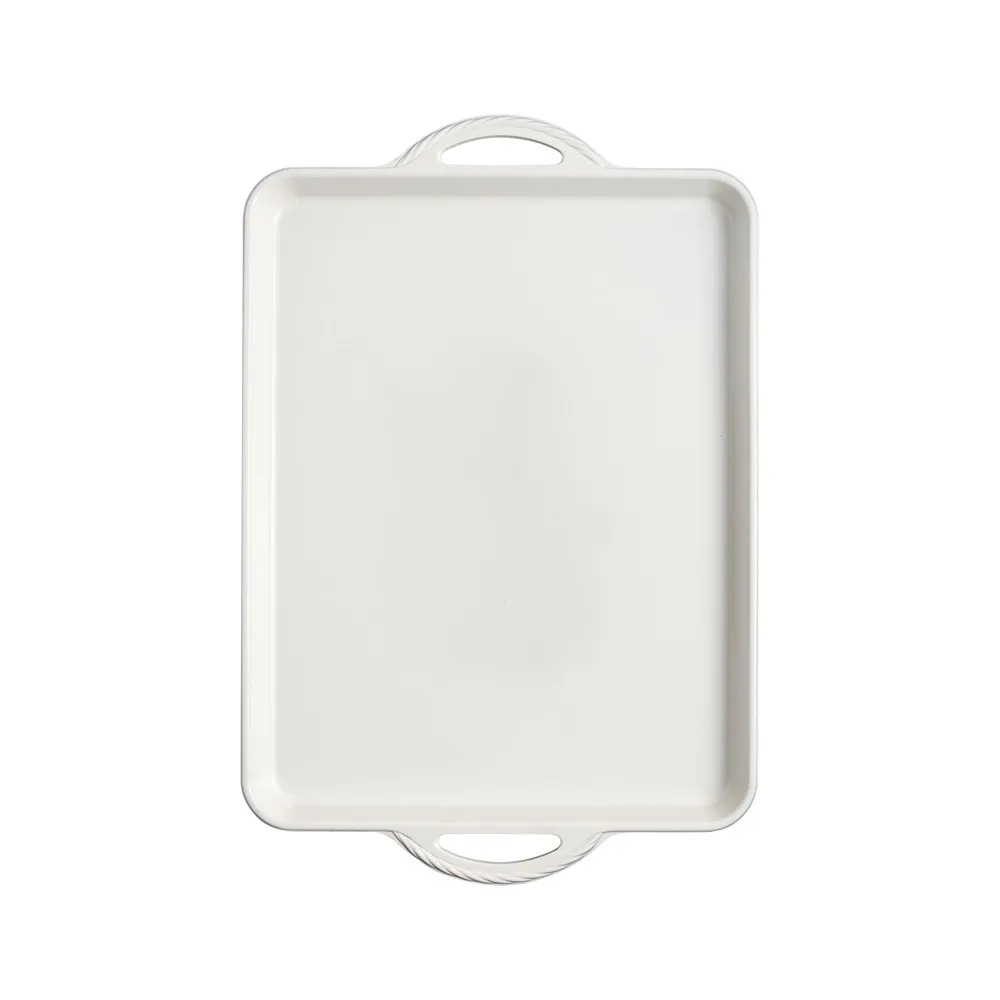
- Cardamom™ Large Baking Sheet: CardamomTM Large Baking Sheet offers a generous 12 x 15-inch surface for cookies, pastries, and roasting vegetables, with durable construction for long-lasting home use. A larger pan holds more food and more residual heat, so cooling it fully before washing matters more, not less, if you want to avoid warping.