Quick Answer
To keep toddler bath toys clean and mold-free, squeeze out all water after every bath, air-dry them completely in a mesh bag or open basket, and deep-clean weekly with a vinegar soak or diluted bleach solution. Replace toys with visible interior mold that you cannot scrub out.
Why Mold Grows in Bath Toys
Bath toys spend their lives in warm, wet conditions — the perfect breeding ground for mold and mildew. Water gets trapped inside hollow toys or in crevices, and if the toys don't dry fully between uses, spores can multiply within 24 to 48 hours. This is especially common with squirt toys, rubber ducks with a hole, and any toy that has a sealed interior.
Mold in bath toys isn't just gross — it can irritate your child's skin or respiratory system. The good news is that with a few consistent habits, you can keep most bath toys clean and safe.
Daily Routine: Dry and Store Properly
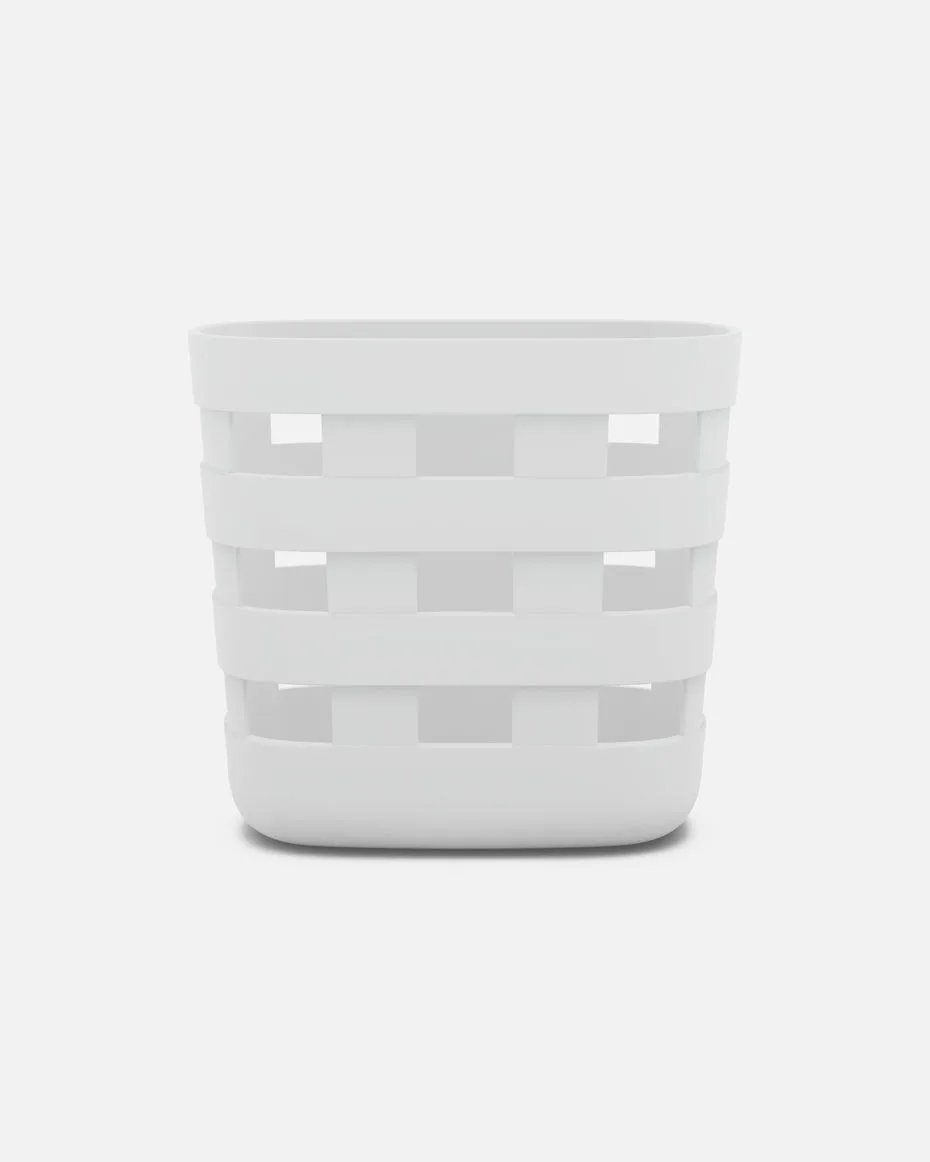
After each bath, squeeze or shake out as much water as possible from every toy. For toys with small holes, press firmly to force water out. Then place the toys in a well-ventilated area — a mesh laundry bag hung over the shower head or a slotted basket works well. Never store wet toys in a closed bin or bucket, as that traps moisture and encourages mold growth.
Weekly Deep Clean: Two Effective Methods
For a gentle, non-toxic clean, soak bath toys in a 1:1 mixture of white vinegar and warm water for 30 minutes. Scrub with a clean brush, rinse thoroughly, and air-dry. This method kills most mold spores without harsh chemicals.
For tougher mold or if you prefer a stronger sanitizer, use a solution of 1 tablespoon of bleach per gallon of water. Soak for 10 minutes, rinse very well, and dry completely. Bleach is effective but requires extra rinsing to remove residue. Always label the container and keep it out of reach of children.
When to Toss a Bath Toy
If you see black or green mold inside a toy that you cannot reach — for example, inside a sealed plastic duck or a toy with a small opening — it's time to replace it. No amount of soaking will fully remove interior mold. For wooden bath toys, avoid prolonged soaking; wipe them clean and dry immediately to prevent warping or cracking.
Diagnosis: Is Your Bath Toy Safe?
- Symptom: You see black, green, or pinkish spots on the toy's surface or smell a musty odor when you squeeze it. Check the toy closely — surface mold can often be cleaned.
- Likely Cause: Water trapped inside the toy for more than 24 hours, combined with warm bathroom humidity, allowed mold spores to grow. Improve drying habits to prevent recurrence.
- Corrective Action: For surface mold, scrub with a vinegar or bleach solution. For interior mold that you cannot reach, discard the toy immediately. If you cannot scrub the inside, stop using the toy. Replace it with a mold-resistant option like the Coast Guard Boat.
Bath Toys That Resist Mold
- Coast Guard Boat: The Coast Guard Boat from Plan Toys is made of waterproof wood and has no hidden hollow cavities, so water cannot pool inside. Unlike hollow plastic toys that trap moisture, this wooden boat drains and dries quickly, reducing the risk of mold growth.